Key takeaways: The Federal Reserve has criticized the leadership of Silicon Valley Bank (SVB) for its collapse. The collapse of SVB and Signature Bank has…
Posts tagged as “the Federal Reserve”
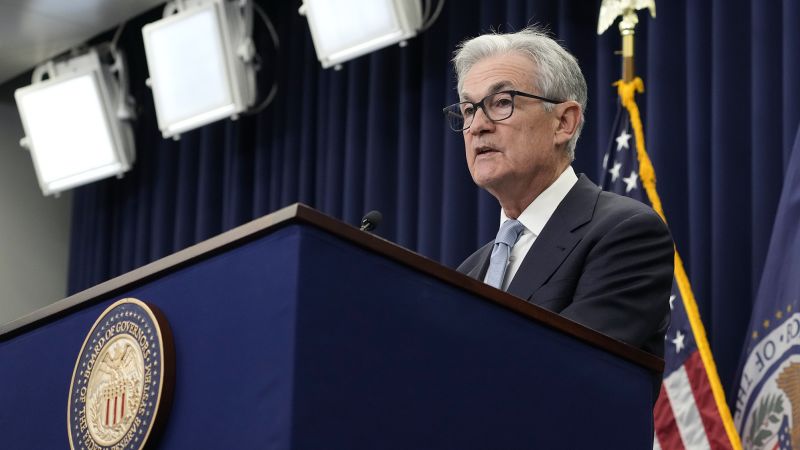
The Federal Reserve (Fed) announced on Wednesday that it is raising interest rates by a quarter of a percentage point, the ninth rate hike since March 2022. This decision is part of its ongoing efforts to slow the economy and battle stubbornly high inflation, but it runs contrary to the government's recent efforts to stabilize banks. Mark Zandi, chief economist of Moody’s Analytics, said that the Fed’s decision is “incongruous with efforts to re-establish the stability of the financial system.” It is unclear how the recent bank failures will affect the Fed’s decision-making going forward.
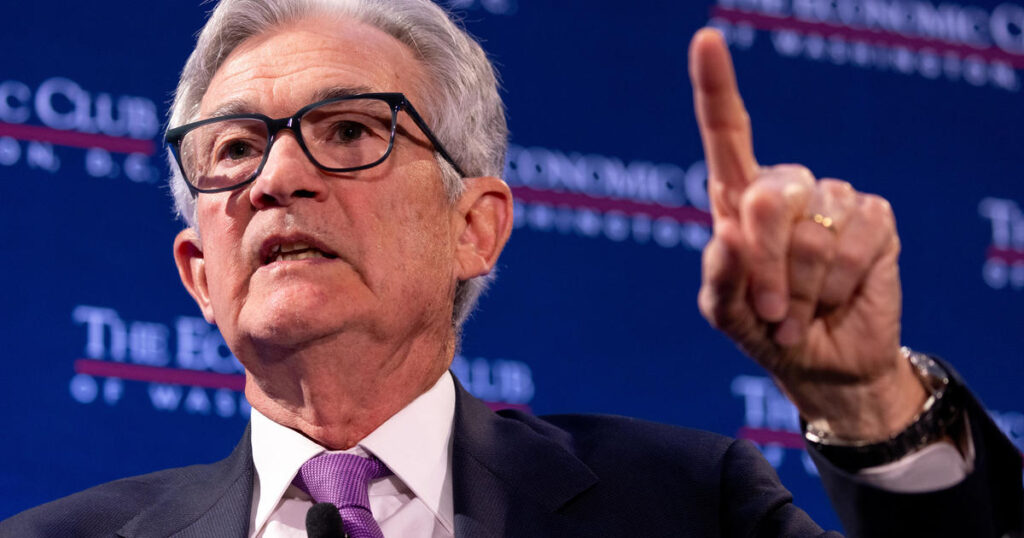
The Federal Reserve has raised its key interest rate by 0.25%, continuing its campaign against inflation. This rate hike is intended to help keep inflation at a rate of 2%, but could also make it more difficult for households and businesses to access credit, which could weigh on economic activity. The Fed's rate-setting committee noted that the U.S. banking system is sound and resilient, but cautioned that recent developments could have a negative effect on the economy.
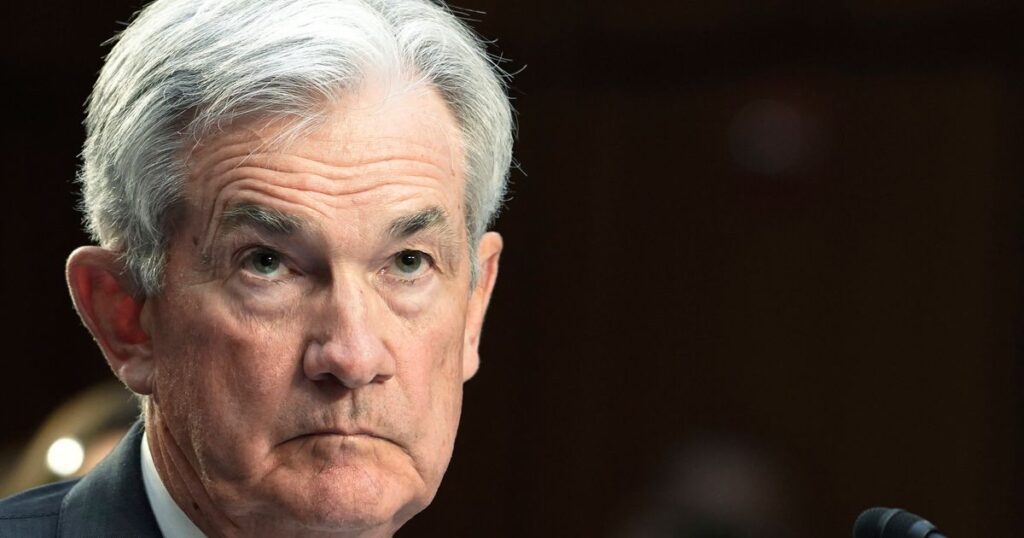
The Federal Reserve is facing a difficult decision as it meets to decide whether to keep raising interest rates or declare a pause. The decision is complicated by the jitters roiling the financial industry, the practice of regional banks in the Federal Reserve system inviting executives of the institutions they regulate to sit on their boards, and the hazier economic picture clouded by turmoil in the banking industry and still-high inflation. The outcome of the Fed's decision could have far-reaching implications for the banking industry and the economy as a whole.
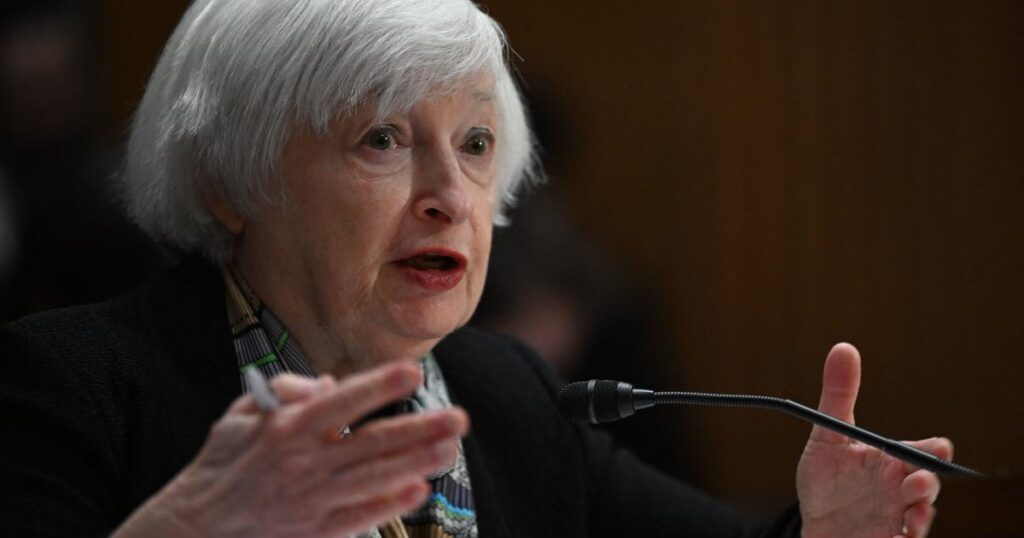
Treasury Secretary Janet Yellen testified before the American Bankers Association on Tuesday, discussing the government's response to the recent collapse of Silicon Valley Bank and Signature Bank. She highlighted the Federal Reserve's new lending facility and existing discount window as effective tools for providing liquidity to the banking system, and praised the government's "decisive and forceful actions" for calming the banking crisis. Yellen also noted that the US banking system remains sound, but warned that similar action could be warranted if deposit outflows from regional banks pose the risk of contagion.
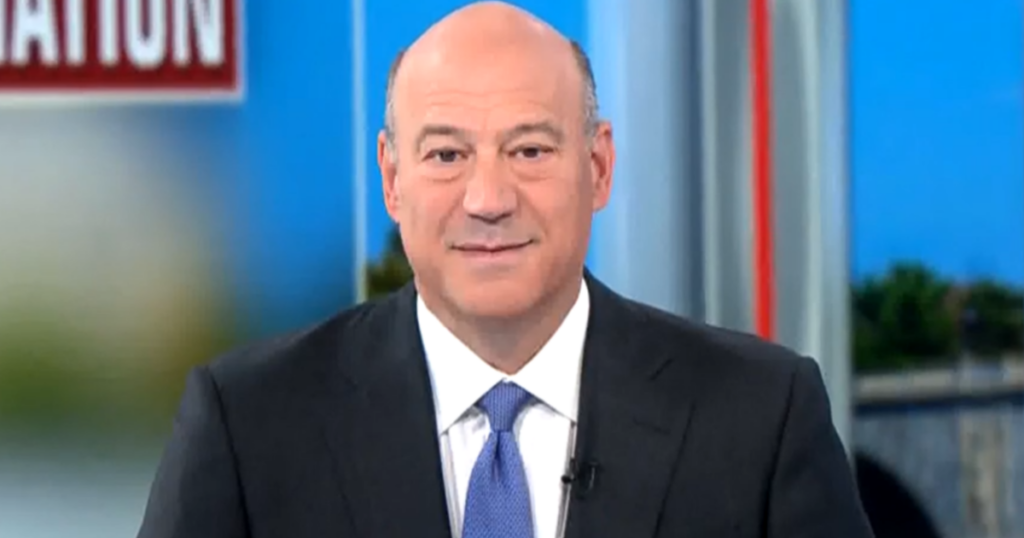
Former Goldman Sachs CEO Lloyd Blankfein and former top economic adviser in the Trump White House Gary Cohn have both recently discussed the banking industry and the potential for a systemic emergency. They both agree that the Federal Reserve, FDIC, and Treasury Department have the power to guarantee deposits bank by bank in such an event, making Americans' money "kind of safe with an ellipsis."
Four of the country's most powerful banks have joined forces to provide a $30 billion cash infusion to First Republic Bank in response to the banking crisis, with the Biden administration guaranteeing uninsured deposits and the Federal Reserve announcing a new lending program. This move highlights the political peril of the sudden crisis and the hundreds of billions of dollars already involved in the federal government's response.
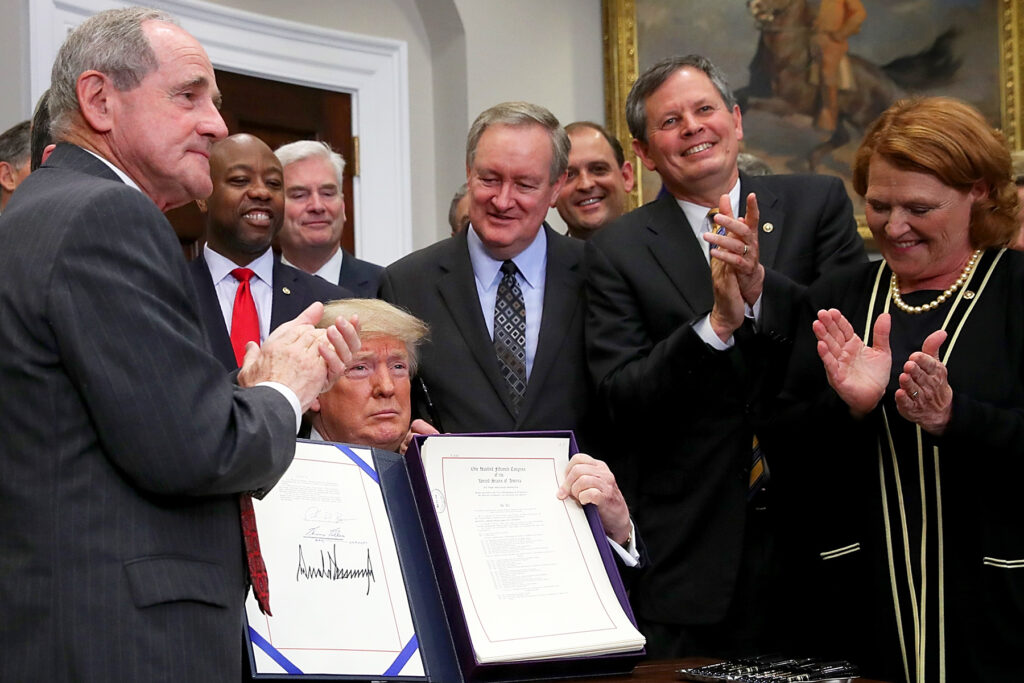
Senate Majority Leader Chuck Schumer and Rep. Maxine Waters have both rid themselves of campaign contributions related to the Silicon Valley Bank collapse, which has raised questions about the role of Congress in the financial crisis. The 2018 law intended to provide relief to smaller banks was interpreted generously by the Federal Reserve, and Congress may take further action to ensure banks are held to a higher standard of oversight and safety.