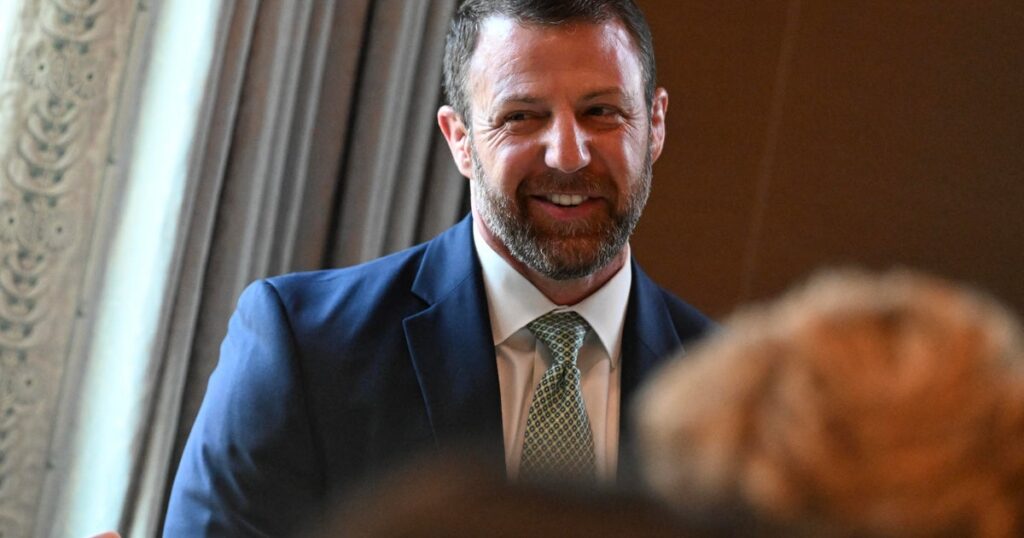
Senator Markwayne Mullin appeared before the Senate Homeland Security and Governmental Affairs Committee for a confirmation hearing to become the next Secretary of Homeland Security, facing scrutiny over past remarks and concerns about his readiness to lead amid ongoing departmental challenges. While Republican supporters praised Mullin’s experience and work ethic, Democrats expressed reservations about his ability to address issues such as immigration enforcement reforms, funding impasses, and agency misconduct. The committee’s recommendation will move Mullin’s nomination to the full Senate, where a simple majority vote is needed for confirmation.
Posts tagged as “the Department of Homeland Security’s Office of Intelligence and Analysi”
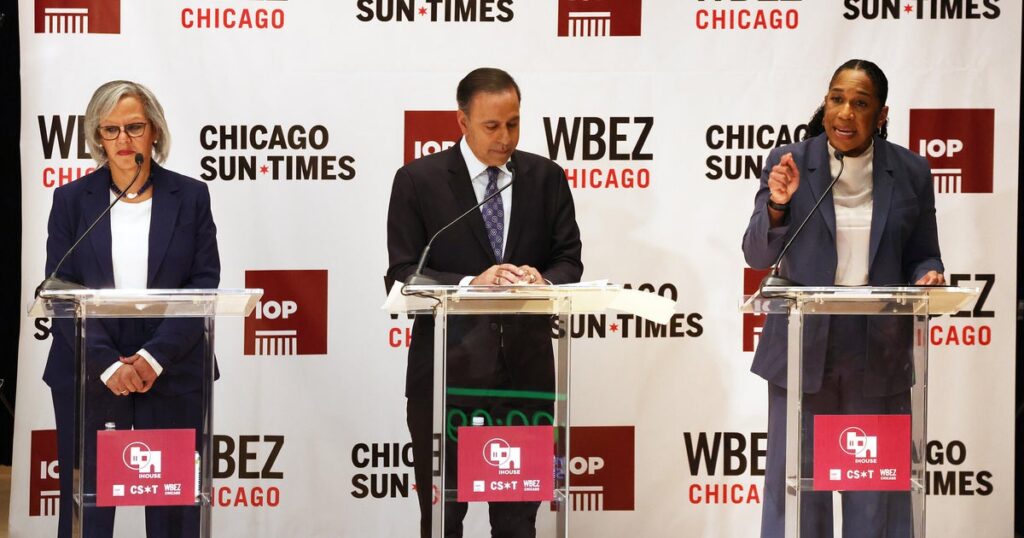
The 2026 Democratic primary in Illinois to replace Senator Dick Durbin centers on immigration enforcement, with candidates Lieutenant Governor Julianna Stratton, and Representatives Raja Krishnamoorthi and Robin Kelly all opposing ICE but differing in their reform approaches. The race is heavily influenced by outside spending, notably Krishnamoorthi’s $29 million ad campaign supported by a pro-crypto super PAC, while Governor JB Pritzker backs Stratton with significant financial resources, highlighting his political influence. This contest underscores broader Democratic Party divisions on immigration policy, anti-Trump strategies, and the impact of campaign financing ahead of the 2026 midterms.
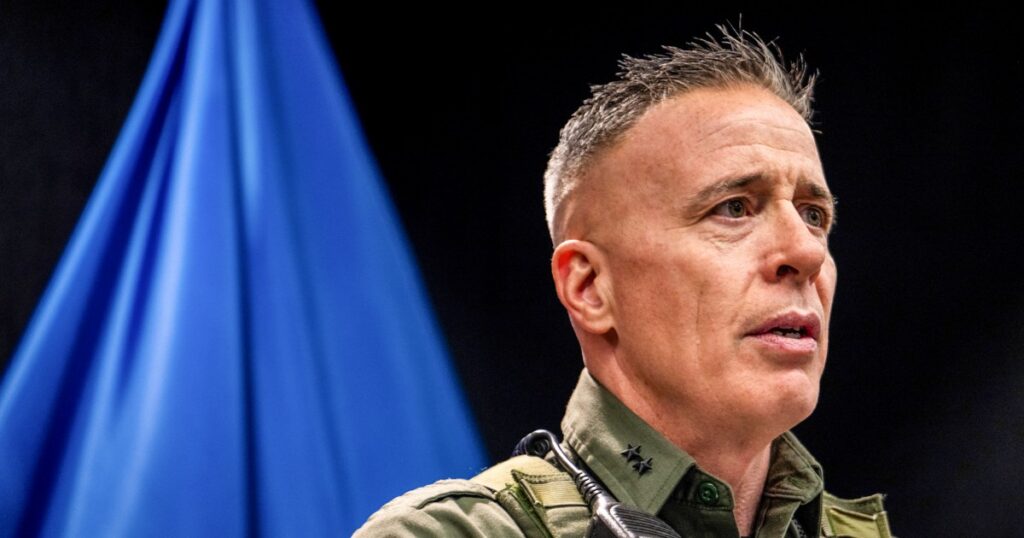
Gregory Bovino, a senior U.S. Border Patrol official known for leading aggressive immigration raids in major cities, is retiring at the end of this month amid controversy. His tenure included criticized operations in Los Angeles and other cities, culminating in backlash after fatal shootings during an enforcement action in Minneapolis and legal challenges over his tactics. Bovino’s retirement coincides with leadership changes at the Department of Homeland Security and marks the conclusion of a contentious period in Trump-era immigration enforcement.
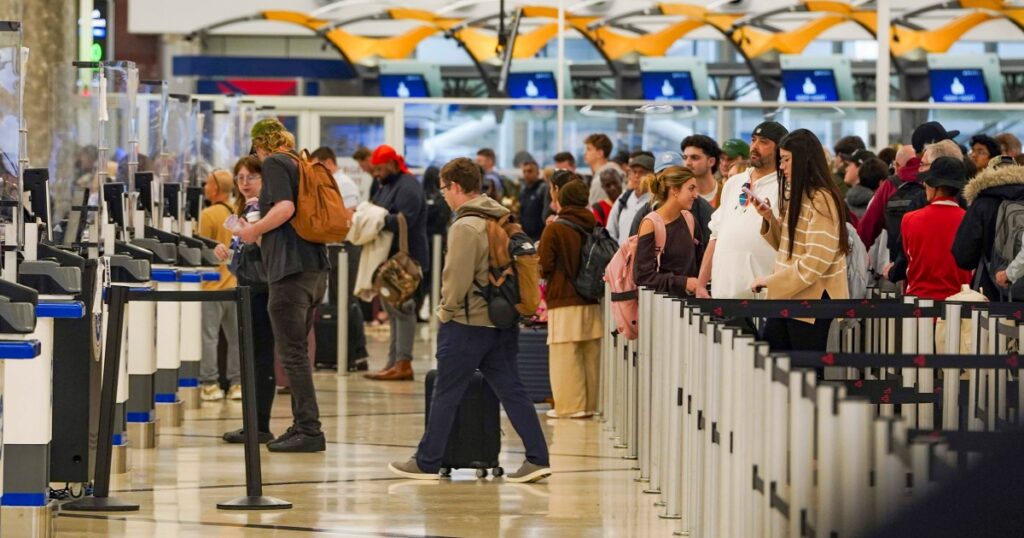
The partial government shutdown has caused significant delays at U.S. airport security checkpoints due to TSA employees missing paychecks, leading to increased resignations and callouts that strain staffing levels nationwide. Key airports like Atlanta, Austin, and Houston are experiencing severe wait times, with TSA officials warning that the situation will worsen unless funding is restored. The shutdown, rooted in a political deadlock over immigration policy, has left many TSA workers struggling financially, prompting calls from airlines and officials for Congress to resolve the impasse to stabilize airport operations.
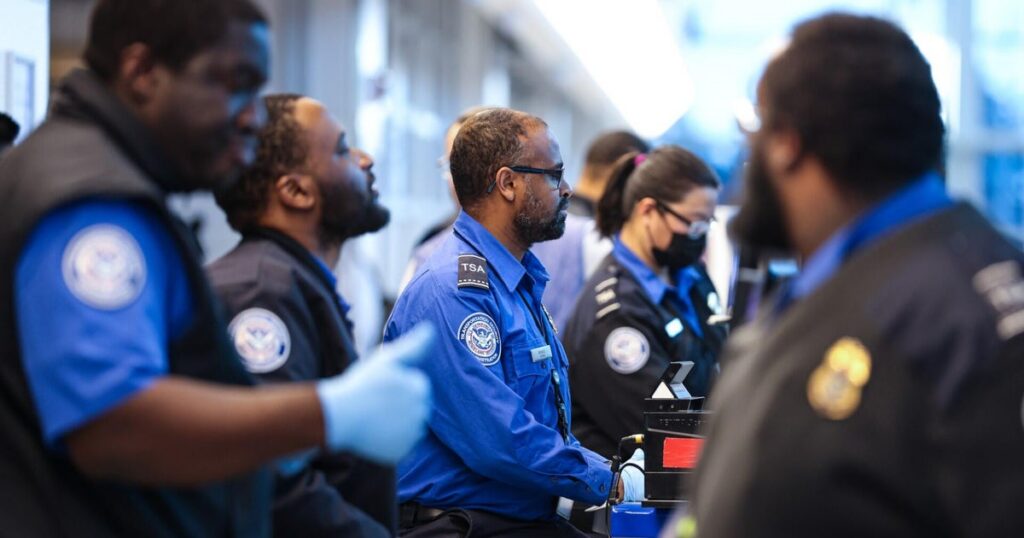
The partial government shutdown has forced around 50,000 TSA agents to work without pay, leading to staffing shortages, increased absences, and long security lines at major U.S. airports. Despite President Trump’s public support, TSA employees face financial hardships and growing resignations, while airline CEOs urge Congress to pass legislation ensuring pay during shutdowns. Travelers experience delays and stress, and isolated incidents of violence against TSA officers have occurred, highlighting the mounting operational and emotional toll of the ongoing funding lapse.
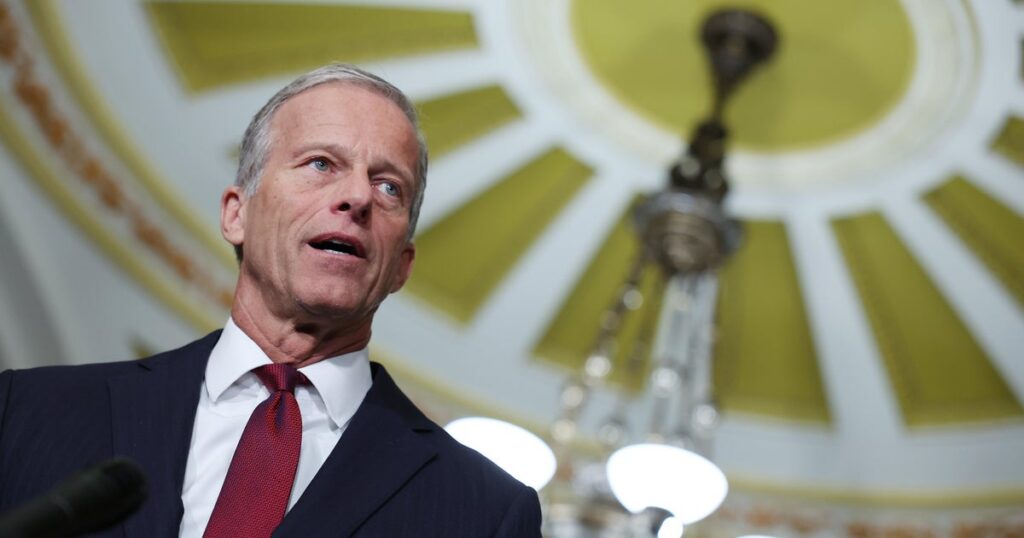
The U.S. Senate remains deadlocked over funding the Department of Homeland Security due to sharp disagreements between Democrats and Republicans on immigration enforcement reforms, resulting in a partial government shutdown lasting nearly a month. Democrats demand reforms such as body cameras and identification for immigration agents following fatal shootings, while Republicans resist these changes and accuse Democrats of stalling negotiations. The impasse has caused operational disruptions, including TSA workers missing paychecks and increased absenteeism, with no clear resolution in sight as both parties continue behind-the-scenes talks amid mounting pressure.
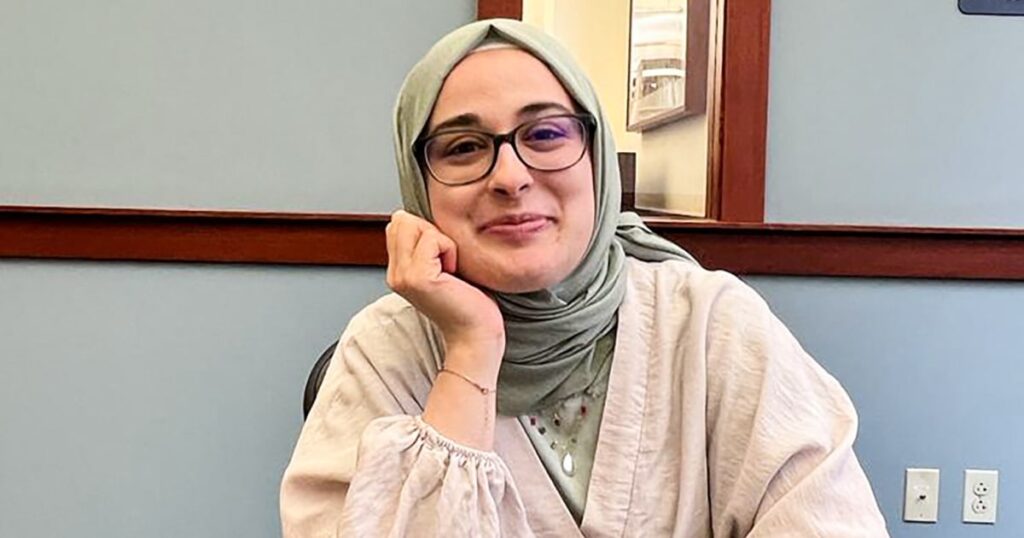
Attorneys for Columbia University activist Mahmoud Khalil have requested the termination of his deportation proceedings, citing his warrantless arrest by ICE, which the Trump administration has acknowledged. In a related case, a federal judge has ordered the transfer of Tufts University student Rümeysa Öztürk to Vermont, where she is challenging her detainment, despite the government's request to delay the move. These cases highlight the legal challenges and complexities surrounding immigration enforcement, potentially impacting broader discussions about deportation rights and procedures in the United States.
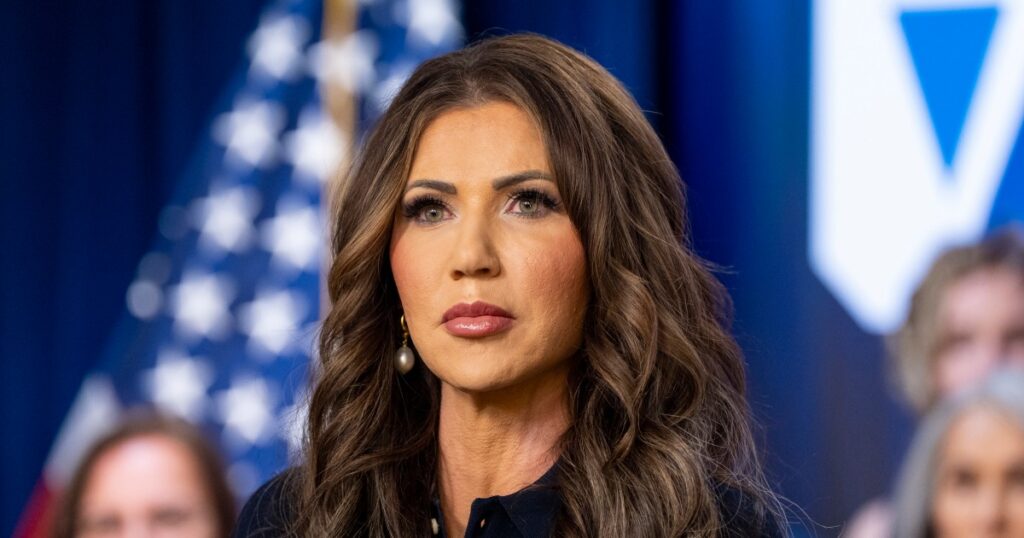
Kristi Noem, the Secretary of Homeland Security, experienced a security breach when her purse, containing sensitive items and $3,000 in cash, was stolen at a Washington, D.C. restaurant. The U.S. Secret Service is investigating the incident, reviewing security footage, and has identified a suspect described as a White male wearing a medical mask. Despite the presence of her Secret Service detail, the theft highlights the challenges public officials face in ensuring personal security, and the investigation is ongoing as authorities aim to recover the stolen items.