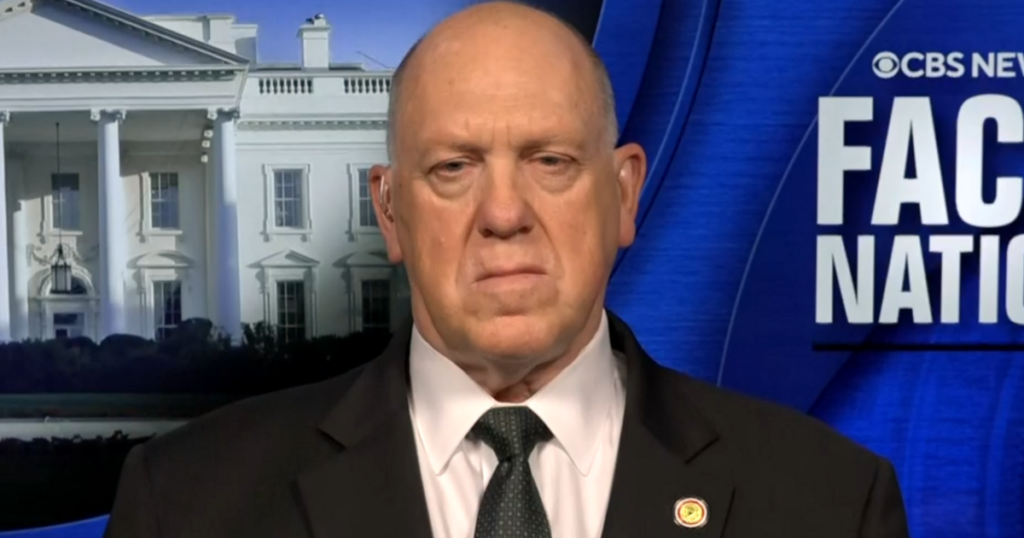
The partial government shutdown of the Department of Homeland Security (DHS) has lasted 44 days, primarily affecting TSA operations while other federal agencies remain funded. Efforts to resolve the impasse have stalled due to disagreements between the Republican-controlled House and the Senate, with Democrats demanding immigration-related restrictions before fully funding DHS. The shutdown has caused significant TSA staffing shortages and financial strain, prompting President Trump to order payments to TSA workers, but with Congress out until mid-April, the situation and airport disruptions are expected to continue.
Posts tagged as “the Department of Homeland Security’s Office of Intelligence and Analysi”
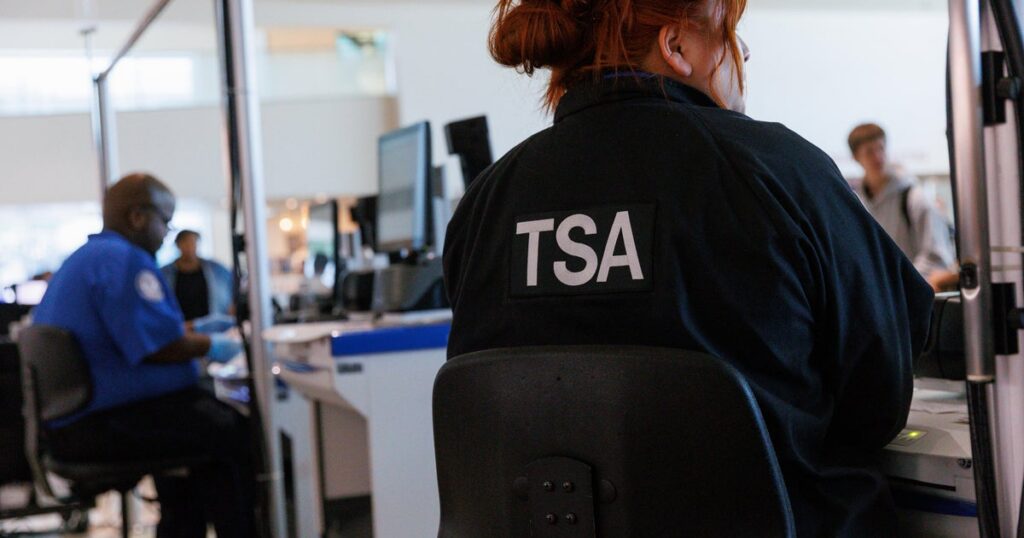
The partial government shutdown has caused major disruptions at U.S. airports, with TSA officers missing paychecks and long security lines, prompting President Trump to order immediate payment to TSA employees to address national security concerns. Despite this relief effort, staffing shortages and low morale persist due to high call-out rates and resignations, while travel experts warn of lasting impacts on TSA operations. The shutdown stems from a political deadlock over DHS funding, particularly disagreements over immigration enforcement funding, with the House and Senate unable to reach a compromise as the stalemate continues beyond 40 days.
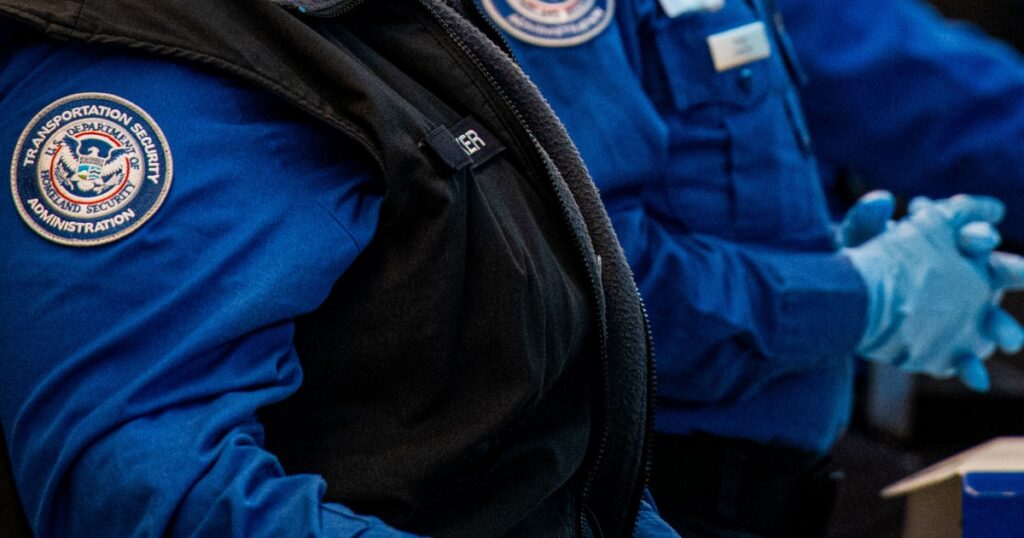
The ongoing partial government shutdown has severely impacted TSA workers, many of whom have gone unpaid for over a month, leading to financial hardship, increased absenteeism, and long wait times at major airports. The shutdown stems from a political deadlock over DHS funding, particularly disagreements over reforms to ICE and CBP, with recent Senate efforts to fund some DHS agencies excluding these two facing uncertain prospects in the House. Meanwhile, President Trump has announced plans to direct DHS to pay TSA employees despite the shutdown, aiming to ease their financial difficulties.

The Senate passed a Democratic-backed bill to fund the Department of Homeland Security excluding Immigration and Customs Enforcement (ICE) and Customs and Border Protection (CBP), with Democrats demanding reforms before supporting these agencies. House Republicans, led by Speaker Mike Johnson, oppose the Senate’s approach and plan to introduce a bill funding the entire DHS, including ICE and CBP, though the timing remains uncertain. The funding impasse has drawn sharp criticism from conservatives and frustration from moderate Democrats, leaving the DHS’s financial future uncertain as lawmakers return from recess.
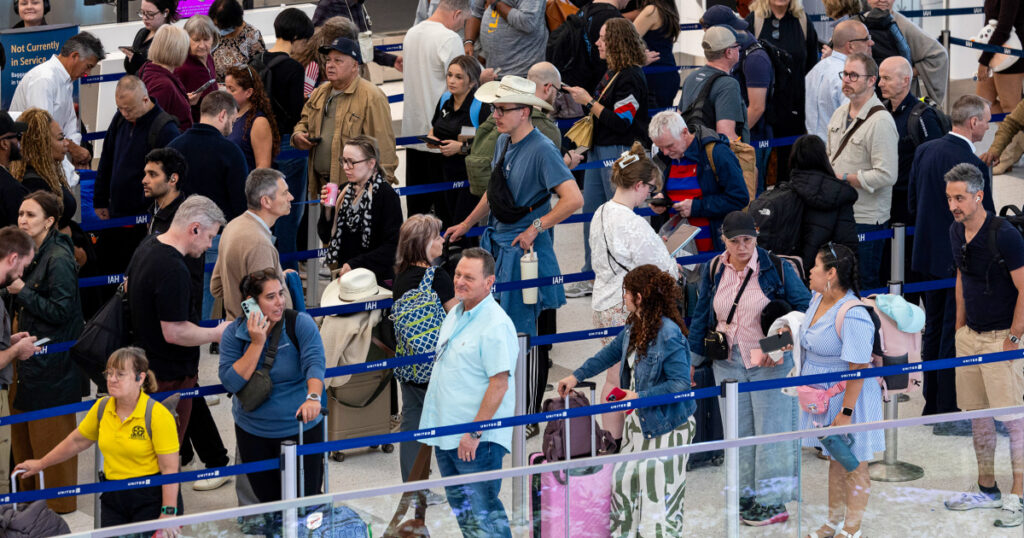
The Senate approved a bill to fund most of the Department of Homeland Security except for Immigration and Customs Enforcement and parts of Customs and Border Protection, continuing a partial government shutdown centered on immigration enforcement funding. The bill aims to restore funding for key agencies like TSA and FEMA amid operational challenges, including TSA staffing shortages and long airport security lines, prompting President Trump to order emergency payments for TSA workers. While Democrats praised the bill for excluding immigration enforcement funding without reforms, House Republican leaders criticized it and have yet to commit to advancing the measure, leaving the shutdown unresolved.
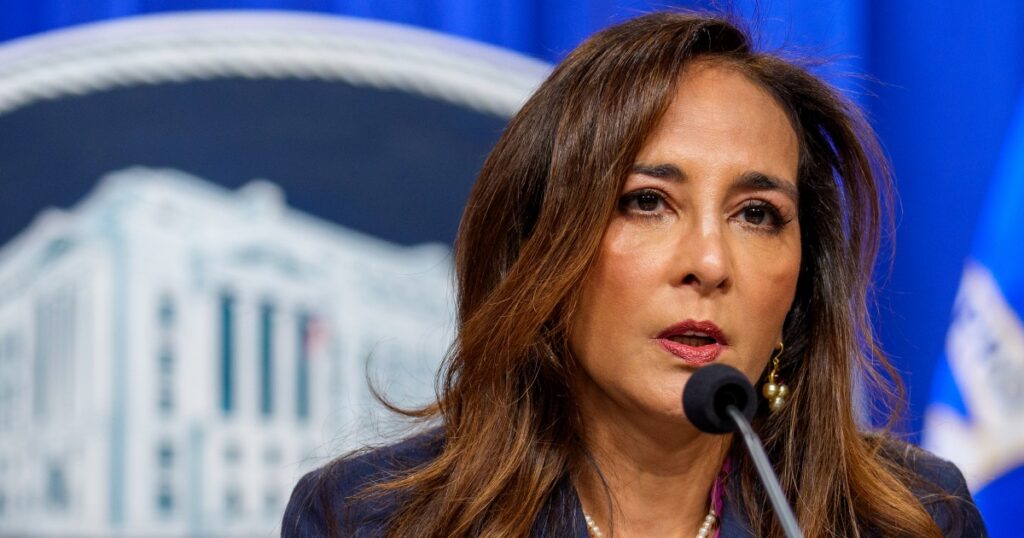
The U.S. Department of Justice has launched a civil rights investigation into Ohio State University College of Medicine’s admissions policies, requesting detailed applicant data amid heightened scrutiny of diversity, equity, and inclusion (DEI) initiatives following the Supreme Court’s 2023 ruling against affirmative action. Led by Harmeet Dhillon, a conservative activist heading the DOJ’s Civil Rights Division, the inquiry reflects a broader crackdown on DEI policies at several universities. Separately, the DOJ and Department of Homeland Security are finalizing a controversial agreement to share sensitive voter registration data for immigration and criminal investigations, raising privacy and legal concerns.
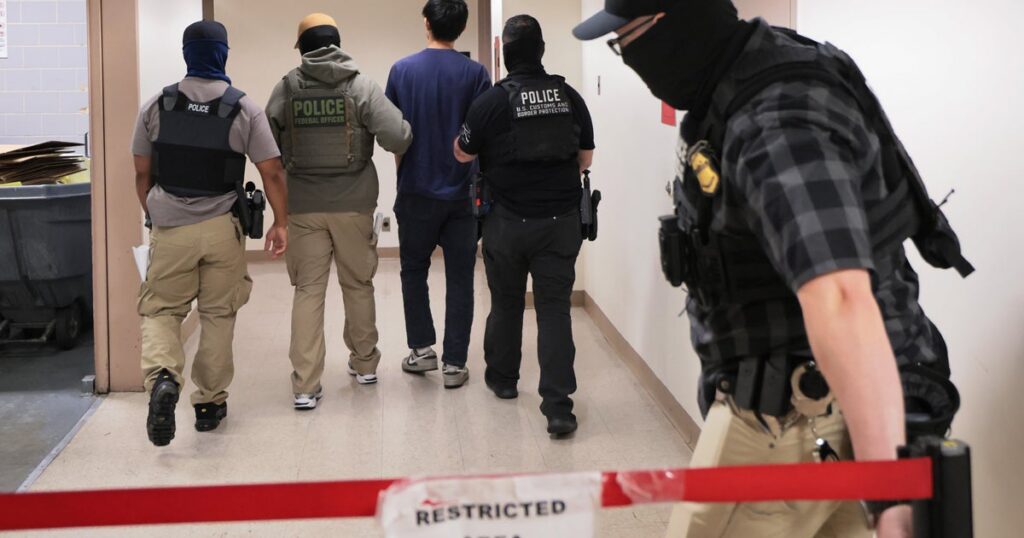
The U.S. Justice Department admitted to mistakenly citing a May 2025 ICE memo to justify arrests at immigration courthouses, despite the memo explicitly excluding federal immigration courts where arrests have been made. This error, uncovered amid ongoing litigation by immigrant advocacy groups, has prompted a reconsideration of court rulings that previously upheld the practice. Despite the admission, DHS affirmed it will continue courthouse arrests, a policy criticized for its harsh impact on immigrants like Dylan Contreras, a student detained after a routine hearing.
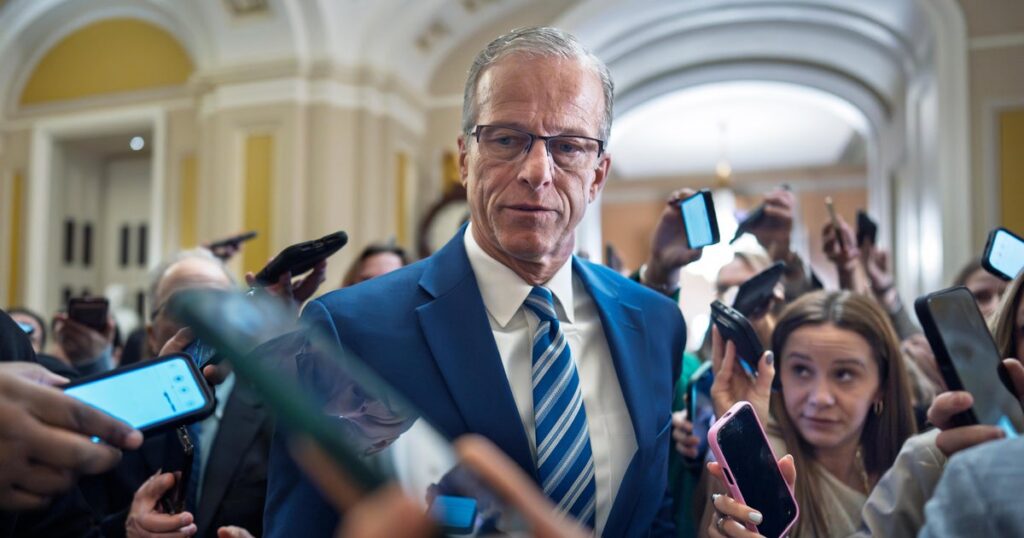
The Department of Homeland Security shutdown has entered its 41st day, causing severe delays at TSA checkpoints and increasing pressure on Senate lawmakers to reach a funding agreement before their upcoming recess. Negotiations remain deadlocked over funding and reform of ICE, with Republicans opposing Democratic demands for immigration enforcement reforms and Democrats insisting on them as part of any DHS funding deal. Meanwhile, internal GOP divisions and calls from former President Trump to end the filibuster complicate efforts to pass a resolution, leaving the shutdown unresolved as the Senate prepares for another vote.