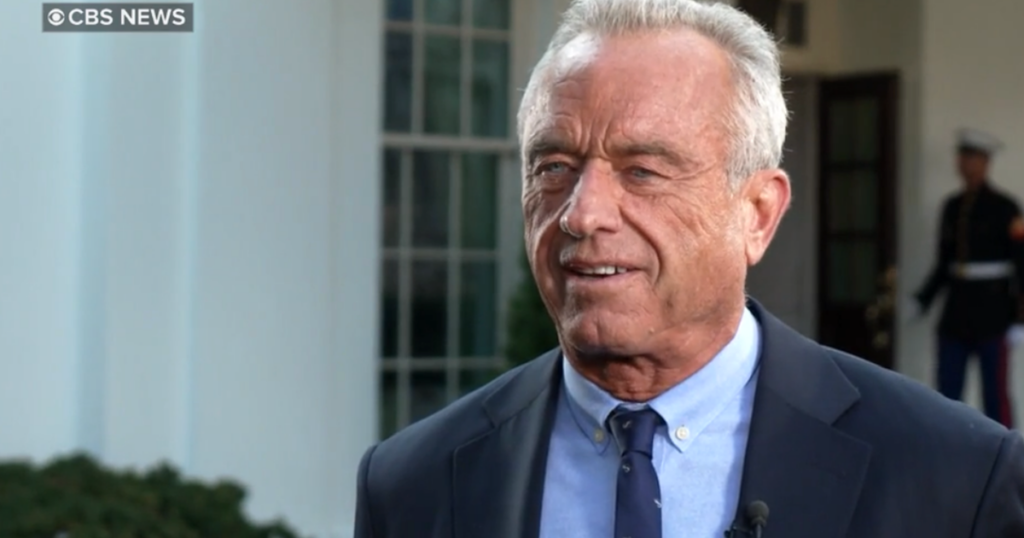
A federal judge in Massachusetts blocked key changes made by Health and Human Services Secretary Robert F. Kennedy Jr. to the childhood vaccine schedule, ruling that the alterations violated federal law and bypassed established scientific procedures. The ruling also halted the appointment of new members to the Advisory Committee on Immunization Practices (ACIP), criticizing the lack of expertise among appointees and suspending votes on vaccine recommendations. Medical groups praised the decision as a restoration of science-based policy, while Kennedy’s controversial vaccine agenda continues to face legal challenges and public criticism.
Posts tagged as “the Department of Education, Health and Human Service”
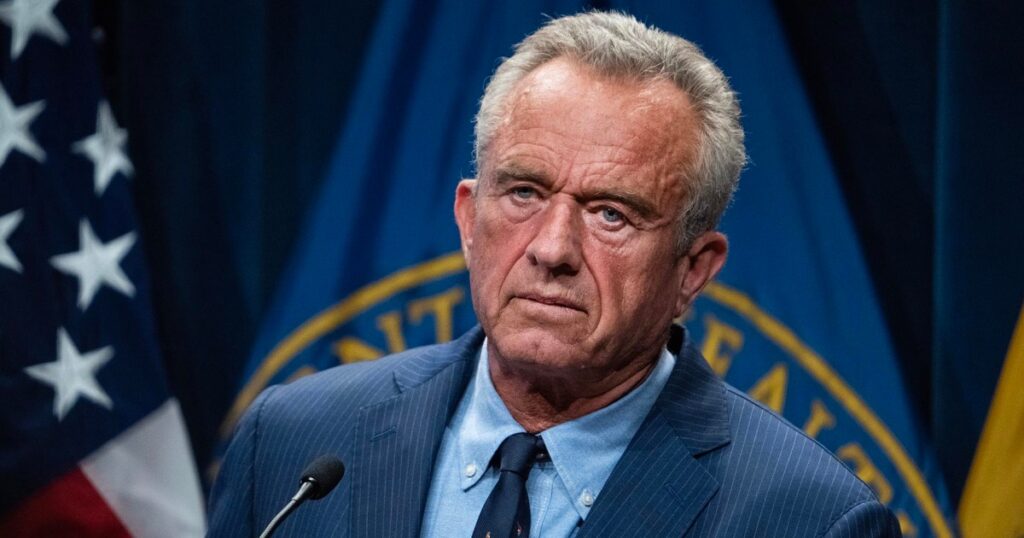
Health Secretary Robert F. Kennedy Jr. announced plans to release studies investigating potential links between environmental toxins and rising autism rates in the U.S., following a CDC report showing increased autism diagnoses. While some health experts attribute the rise to better awareness and surveillance, Kennedy's studies aim to explore environmental factors potentially influencing these trends. Concurrently, Dr. Kevin Hall resigned from the NIH, citing concerns over censorship and questioning the agency's commitment to unbiased research, highlighting ongoing debates about external influences on scientific inquiry.
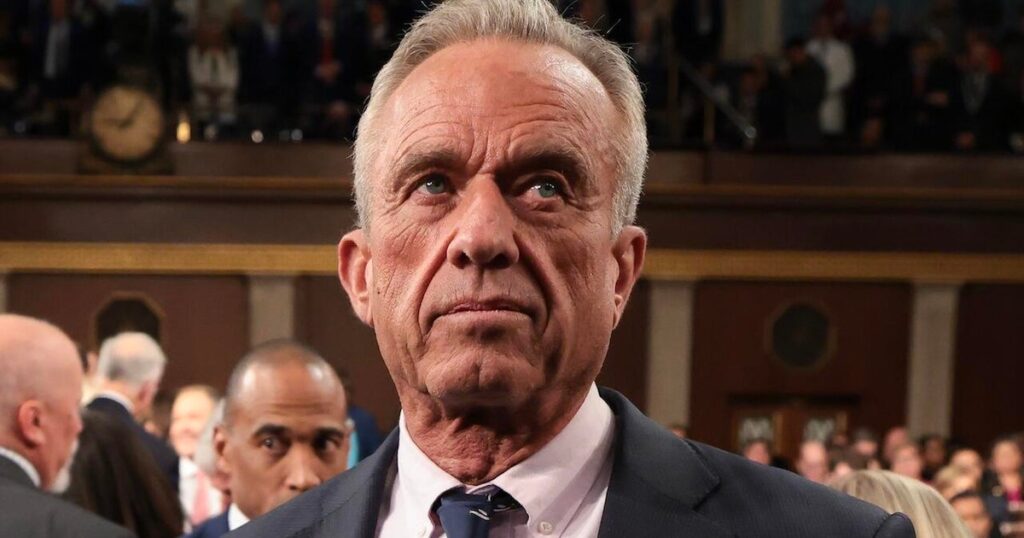
The Department of Health and Human Services (HHS) has initiated significant layoffs, aiming to reduce its workforce by 20,000 positions as part of the Trump administration's strategy to decrease government size. Notably, the National Institute of Occupational Safety and Health (NIOSH) will experience substantial cuts, losing around 873 staff members, which constitutes at least two-thirds of its workforce. This downsizing, overseen by Health and Human Services Secretary Robert F. Kennedy Jr. and Elon Musk's Department of Government Efficiency, will impact several key agencies, raising concerns about their ability to maintain public health and safety services.
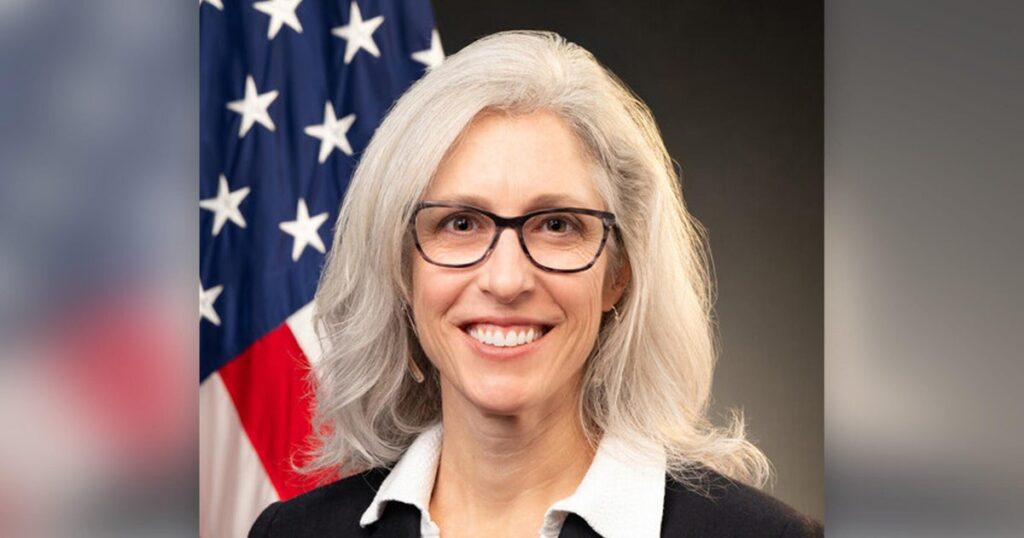
President Donald Trump has nominated Susan Monarez as the new head of the Centers for Disease Control and Prevention (CDC), following her tenure as acting director and her background in using artificial intelligence to improve health outcomes. Her nomination comes after Dr. David Weldon's candidacy was withdrawn due to concerns about his Senate confirmation prospects, making Monarez's selection a strategic choice for a smoother confirmation process. Monarez has already aligned with the administration's policies by removing "gender ideology" content from the CDC's website, and President Trump has expressed confidence in her ability to lead the agency with a focus on innovation and public health transparency.
The Trump administration has demanded changes in Columbia University's operations as a condition for restoring $400 million in federal funding, with a compliance deadline set for March 20. This action is part of a broader pattern of the administration's interventions in private institutions, drawing criticism for its perceived authoritarian approach. The situation highlights the administration's strategy of using federal funding as leverage, while Columbia University considers its response to the ultimatum.