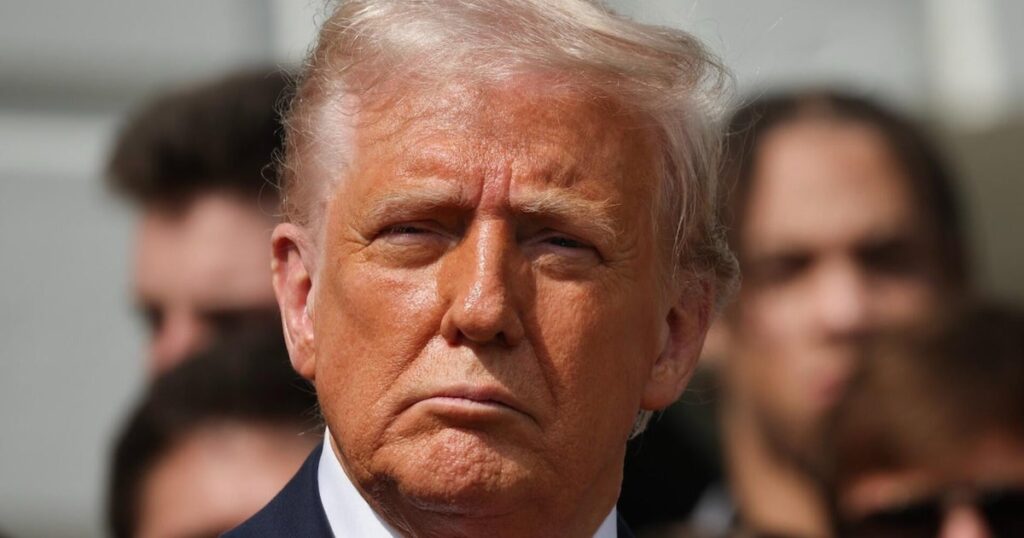
D.C. Chief Judge James Boasberg issued a 46-page opinion criticizing the Trump administration for using the Alien Enemies Act of 1798 to deport over 100 Venezuelans to El Salvador, accusing them of ignoring court orders and depriving individuals of due process. Boasberg highlighted the administration's use of rarely invoked wartime powers to justify these deportations and expressed concern over efforts to minimize judicial intervention. He warned of potential legal consequences, including hearings and criminal charges, if the administration does not change its course, emphasizing the gravity of the situation and raising questions about the balance of power between the executive branch and the judiciary.
Posts tagged as “The Alien Enemies Act”
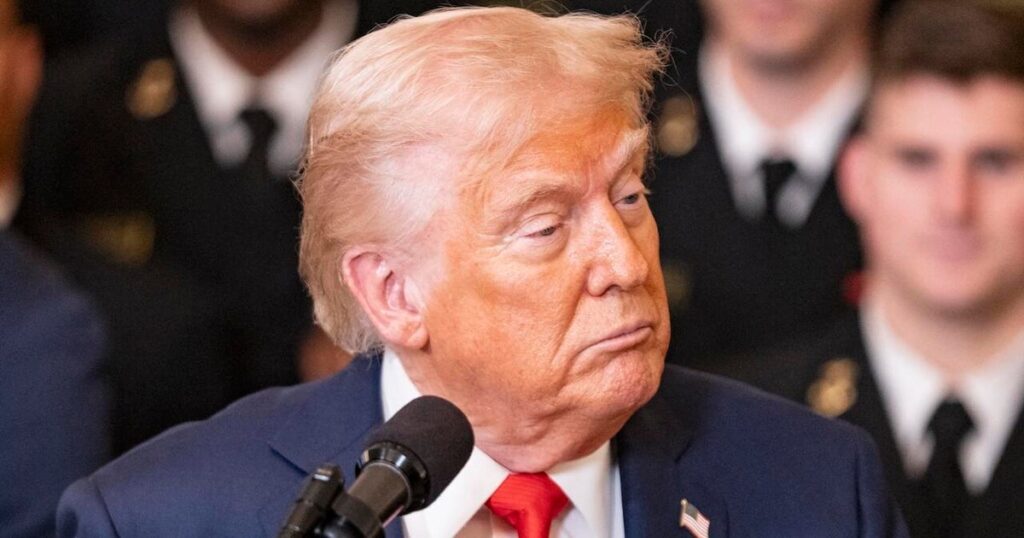
A federal judge has found probable cause to hold the Trump administration in criminal contempt for not complying with a court order regarding the transportation of Venezuelan migrants, citing the administration's use of the Alien Enemies Act to justify the transfers. D.C. Chief Judge James Boasberg's ruling demands compliance with the initial directive by April 23 or the identification of individuals within the administration who could face sanctions, highlighting a "willful disregard" for the court's authority. This decision intensifies the legal challenges surrounding the administration's immigration policies and could result in further consequences depending on the government's response.
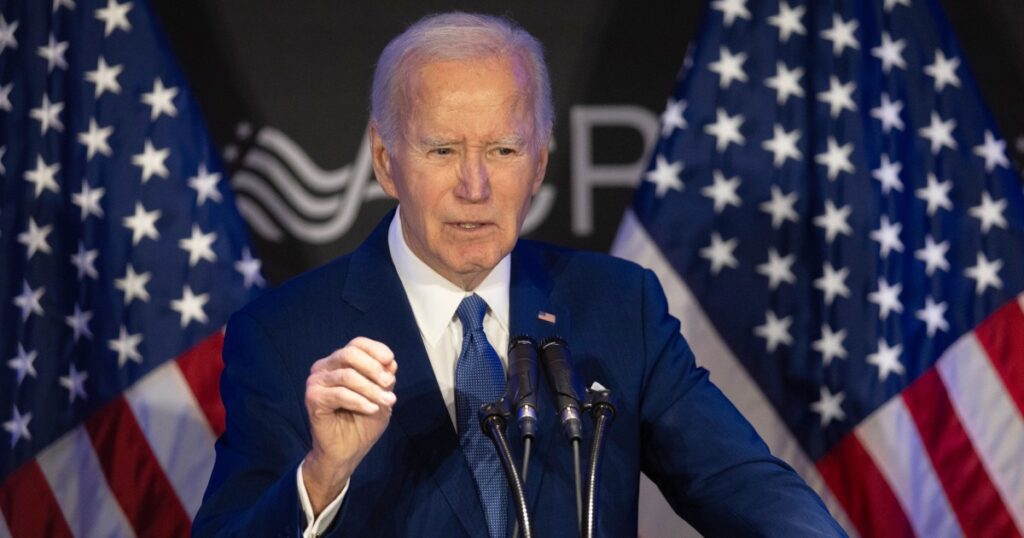
A federal judge has ordered the Trump administration to present evidence of their efforts to return Kilmar Abrego Garcia, a Maryland resident mistakenly deported to El Salvador, amid concerns of non-compliance with court directives. This case, which challenges deportations under the Alien Enemies Act during Trump's second presidency, has raised significant legal questions about the administration's adherence to judicial orders and the lack of judicial review in such deportations. The outcome could have broader implications for U.S. deportation practices, with the judge considering contempt proceedings if the administration fails to provide satisfactory evidence of compliance.
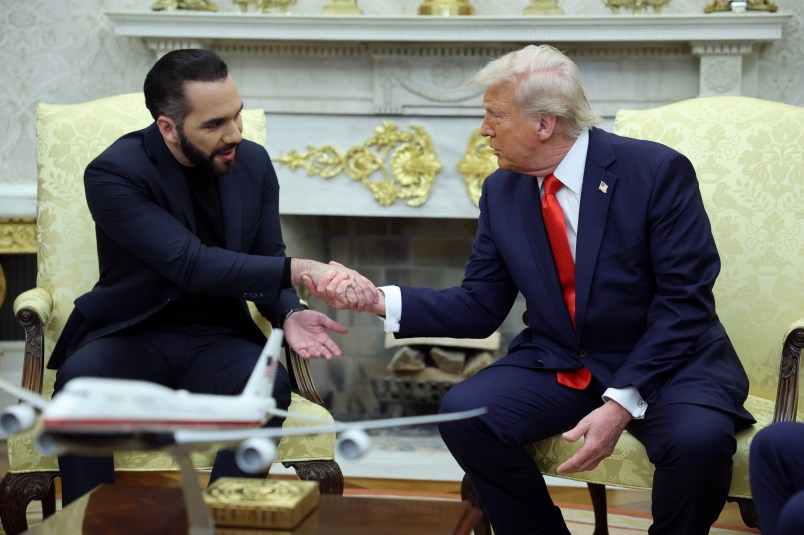
President Donald Trump's proposal to deport U.S. citizens convicted of unspecified crimes has sparked significant concern among immigration advocates and constitutional law experts, who argue it challenges the fundamental legal principle of due process. During a meeting with El Salvadoran President Nayib Bukele, both leaders discussed the deportation of Kilmar Abrego Garcia, a Salvadoran citizen, despite court rulings emphasizing the necessity of due process. Legal experts warn that this approach could set a dangerous precedent, potentially allowing similar actions against U.S. citizens and undermining constitutional rights.
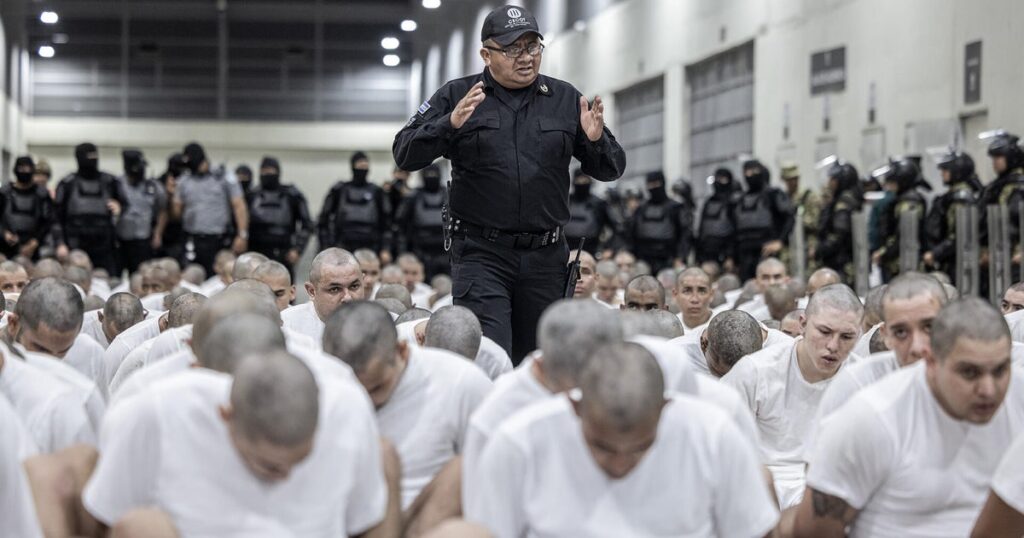
Federal judges in New York and Texas have temporarily blocked the deportation of Venezuelan nationals under the Trump administration's use of the Alien Enemies Act, challenging efforts to expedite their removal. In New York, Judge Alvin Hellerstein granted relief to two Venezuelan men, emphasizing judicial scrutiny over the administration's immigration policies. Meanwhile, the White House faces controversy over potential plans to transfer U.S. citizens convicted of crimes to El Salvador, highlighting broader debates on criminal justice and international cooperation.
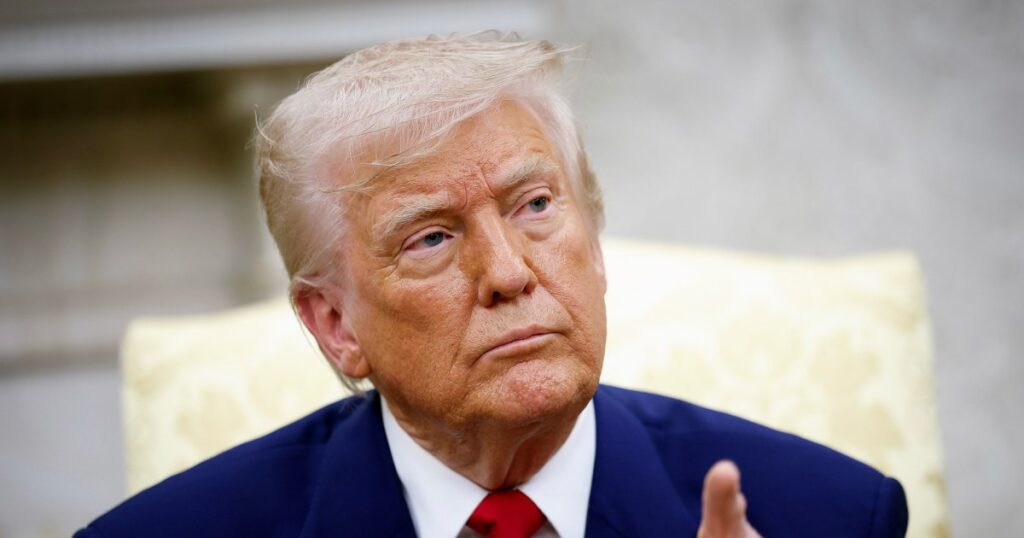
President Donald Trump's firm stance on tariffs has led to global uncertainty and market declines, further exacerbated by false headlines about potential tariff pauses. A narrow Supreme Court ruling allowed the Trump administration to proceed with deportations under the Alien Enemies Act, focusing on procedural issues and impacting immigration policies. Amid these developments, Trump threatened to increase tariffs on China, escalating trade tensions and highlighting ongoing challenges in U.S.-China relations.
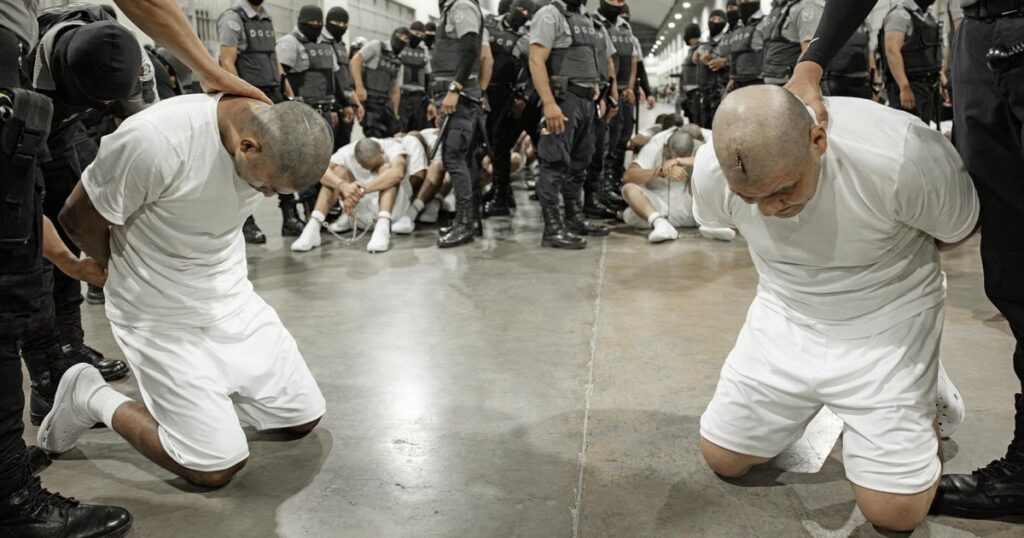
The Supreme Court ruled 5-4 in favor of the Trump administration's use of the Alien Enemies Act of 1798 to expedite the deportation of individuals alleged to be members of the Tren de Aragua gang, provided they are afforded due process. This decision overturns a previous federal judge's order that had halted these deportations due to concerns about the lack of legal proceedings. The Supreme Court emphasized the importance of jurisdiction, noting that the detainees are held in Texas, and redirected the legal proceedings to a more appropriate venue, highlighting the ongoing debate over immigration policy and the application of historical statutes.
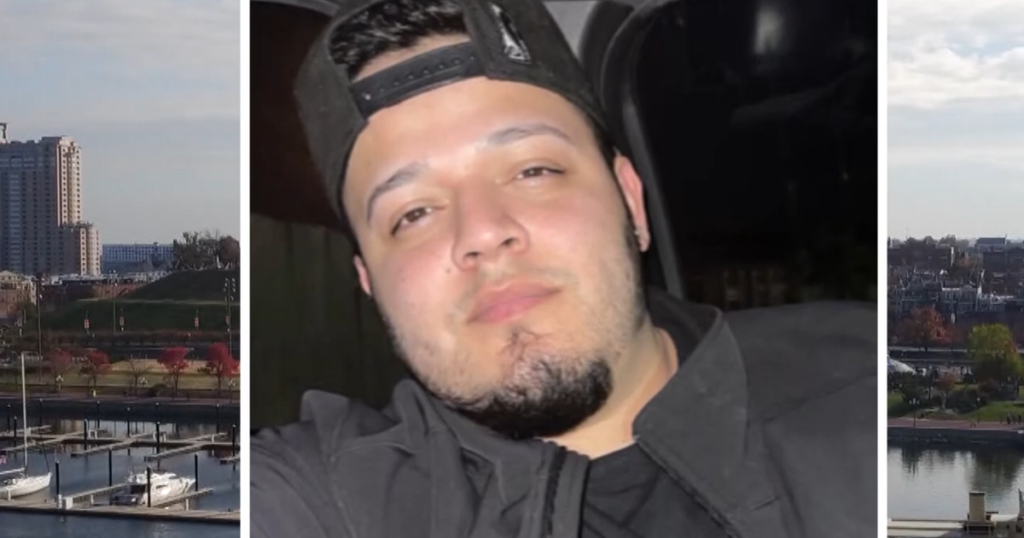
Chief Justice John Roberts has temporarily stayed a lower court's order requiring the return of Kilmar Armando Abrego Garcia, who was mistakenly deported to El Salvador, to allow the Supreme Court more time to review the case. The Justice Department sought emergency relief from the Supreme Court as the Trump administration faced a deadline to bring Abrego Garcia back, raising significant questions about the criteria for deportation. This case underscores the complexities of immigration enforcement and deportation processes, with the Supreme Court's forthcoming decision potentially impacting similar future cases.