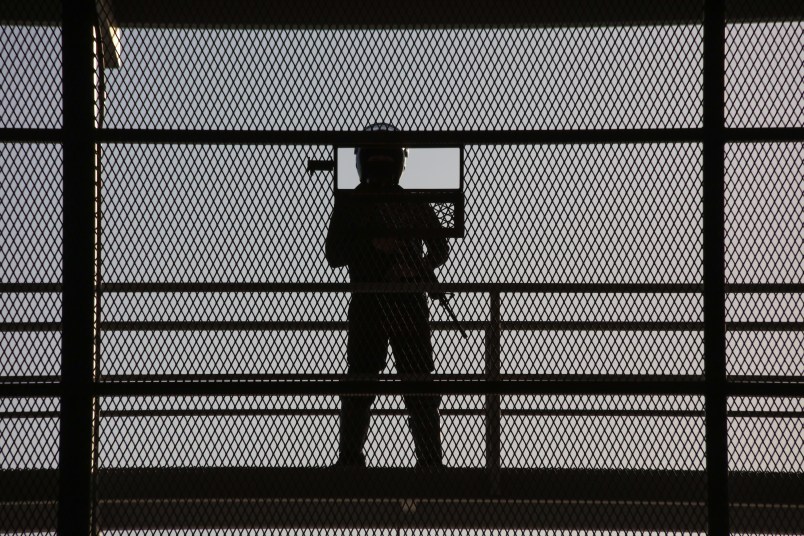
Federal officials are facing criticism for their handling of detainees, particularly Venezuelan nationals, with the use of the Alien Enemies Act to transfer 137 detainees to El Salvador raising legal concerns. The Trump administration's arrangement with El Salvador has led to the indefinite detention of over 200 Venezuelans in a facility accused of forced labor and torture, sparking controversy over detainees' legal rights and treatment. The confusion and distress experienced by families, exemplified by the case of Nedizon Alejandro Leon Rengel's search for his brother, highlight the broader issues and impact of these deportation practices.
Posts tagged as “The Alien Enemies Act”
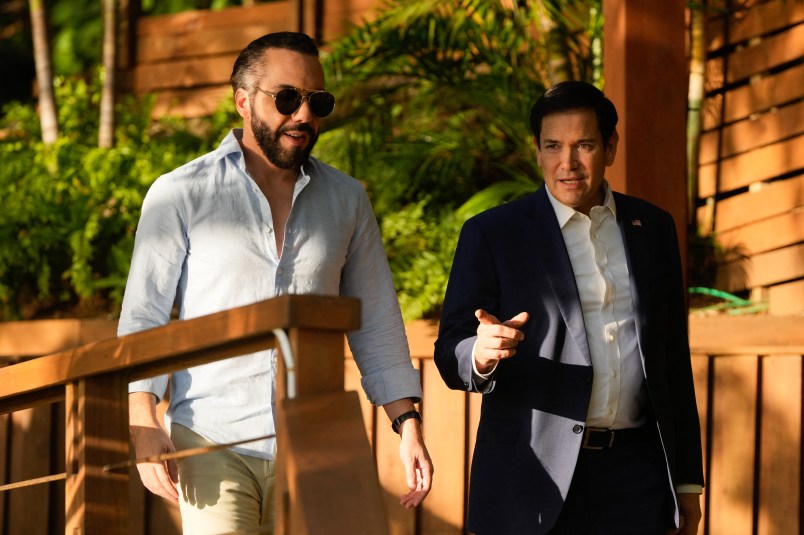
A federal judge in Denver has issued a temporary restraining order to halt the removal of migrants from Colorado under the Alien Enemies Act, amid concerns over the Trump administration's policy of transferring migrants to prisons in El Salvador. This decision follows legal challenges from the ACLU and the Rocky Mountain Immigrant Advocacy Network, who argued against the potential deportation of two Venezuelan men to a Salvadoran facility. The ruling has sparked significant debate over the use of the Alien Enemies Act and the implications of international agreements on U.S. immigration policies, as the case continues to unfold.
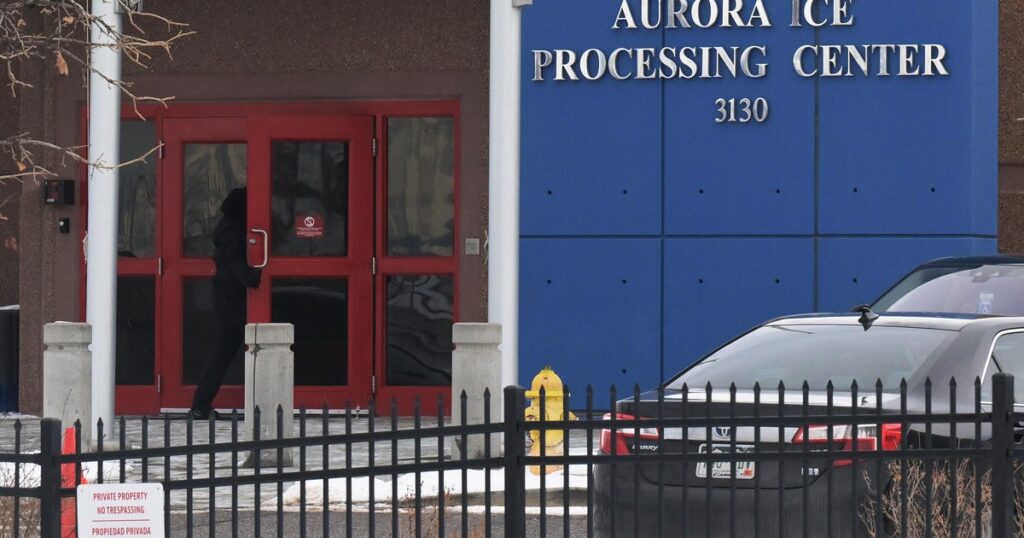
A federal judge in Colorado has mandated that Venezuelan migrants detained in the state receive a 21-day notice before deportation, ensuring they are informed of their right to contest the removal. This ruling, issued by U.S. District Judge Charlotte Sweeney, temporarily blocks deportations under the 1798 Alien Enemies Act within Colorado and emphasizes the need for communication in a language the migrants understand. The decision aligns with a U.S. Supreme Court order requiring adequate notice and aims to uphold the migrants' rights, highlighting ongoing legal and humanitarian concerns surrounding their deportation.
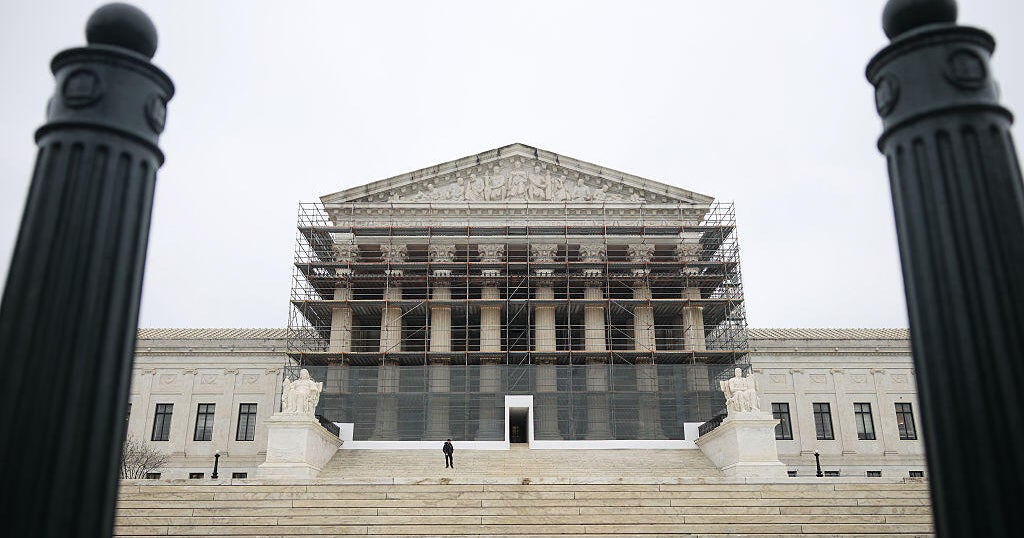
A large motorcade of law enforcement vehicles departed an ICE facility in North Texas amid reports that some individuals were being deported to El Salvador, coinciding with developments involving Venezuelan migrants. ICE buses carrying at least 28 Venezuelan detainees were seen traveling toward an airport but turned back following a U.S. Supreme Court ruling that temporarily halted their deportations under the Alien Enemies Act. The court emphasized detainees must be allowed to present their cases and contest removals, highlighting ongoing legal challenges and the importance of due process in immigration enforcement.
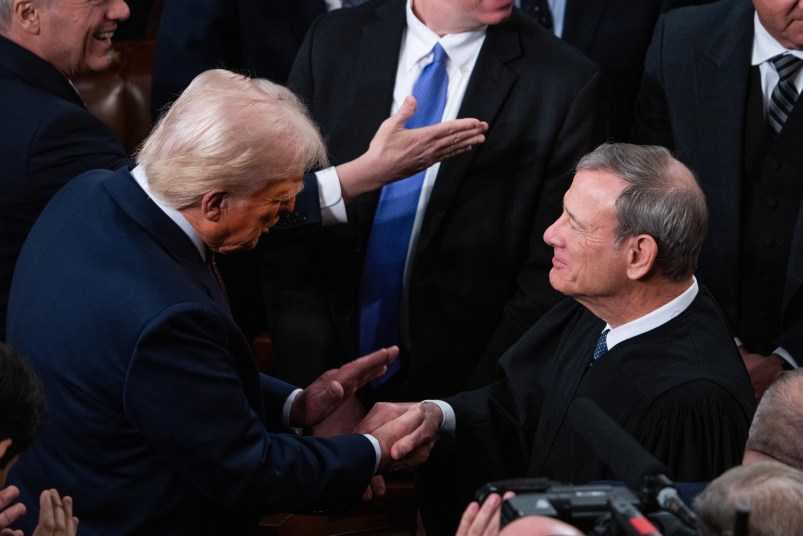
The Supreme Court issued an emergency order temporarily halting the Trump administration’s deportation of Venezuelan detainees under the Alien Enemies Act, requiring that those facing removal be given a chance to challenge their deportation in court. This action came after the American Civil Liberties Union filed an appeal arguing that the government was preparing to resume deportations without proper legal procedures. The decision underscores ongoing legal disputes over the use of a centuries-old wartime statute and the administration’s immigration policies, maintaining the detainees’ presence in the U.S. while their cases are reviewed.

The Supreme Court has temporarily blocked the Trump administration's attempt to deport a group of Venezuelan nationals from Texas, citing the need for due process. This decision came after the administration tried to use the Alien Enemies Act to expedite the deportation, which involved transporting the detainees toward an airport before the court's intervention halted the process. The ruling underscores the legal challenges and debates surrounding the use of wartime powers in immigration enforcement.
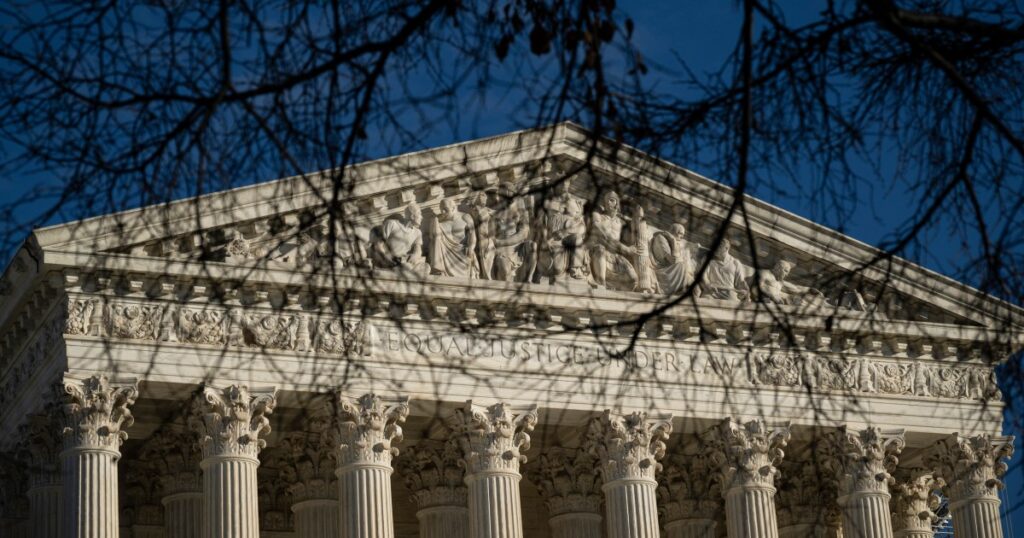
The U.S. Supreme Court has issued a temporary order preventing the deportation of Venezuelan detainees at the Bluebonnet Detention Center in Texas, ensuring they remain in the U.S. while legal proceedings regarding their rights continue. This decision follows an earlier stipulation by the court that deportations could only proceed if detainees were given a chance to present their case and contest the decision. The emergency appeal, filed by the ACLU, challenges the use of the Alien Enemies Act of 1798 in these deportation efforts, and while the order was not unanimous, it temporarily halts deportations, allowing for further legal examination.

The Trump administration has released documents to support its claim that Kilmar Abrego Garcia, recently deported to a mega-prison in El Salvador, was affiliated with the MS-13 gang, amid ongoing controversy. U.S. District Judge James Boasberg ruled against the administration, suggesting potential criminal contempt of court for violating a deportation block, thereby intensifying the constitutional debate between the executive branch and the judiciary. The case, described as an "administrative error" by a government lawyer, has highlighted the complexities of immigration enforcement and judicial oversight, drawing significant public attention.