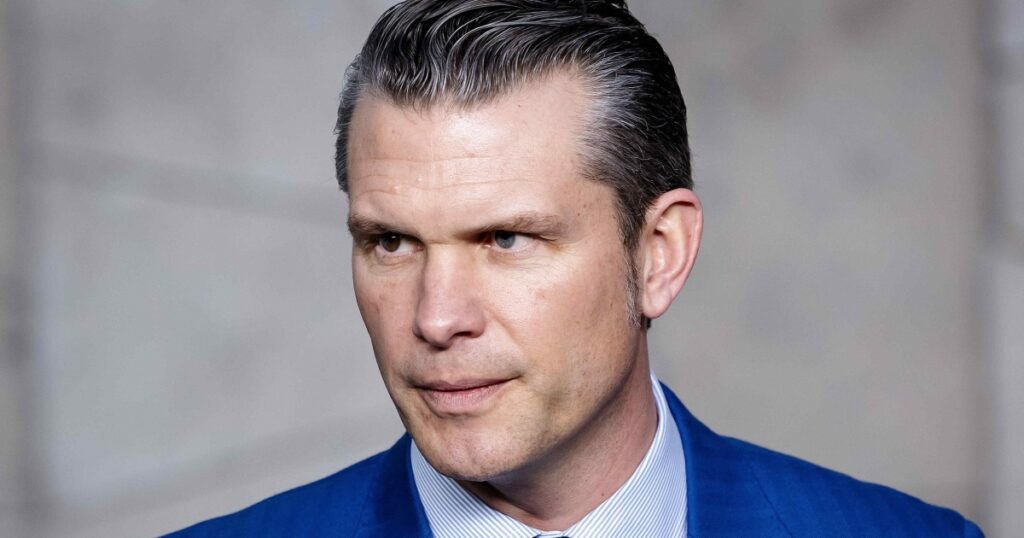
Jeffrey Goldberg, editor-in-chief of The Atlantic, was accidentally included in a Signal group chat where Trump administration officials discussed sensitive national security matters, including a U.S. military operation targeting Iran-backed Houthi forces in Yemen. This incident has raised significant concerns about the handling of classified information, particularly focusing on Defense Secretary Pete Hegseth, who shared operational details in the chat. In response, Director of National Intelligence Tulsi Gabbard and CIA Director John Ratcliffe are set to testify before the House Intelligence Committee to address the leak and discuss protocols for safeguarding classified information.
Posts tagged as “Pete Hegseth”
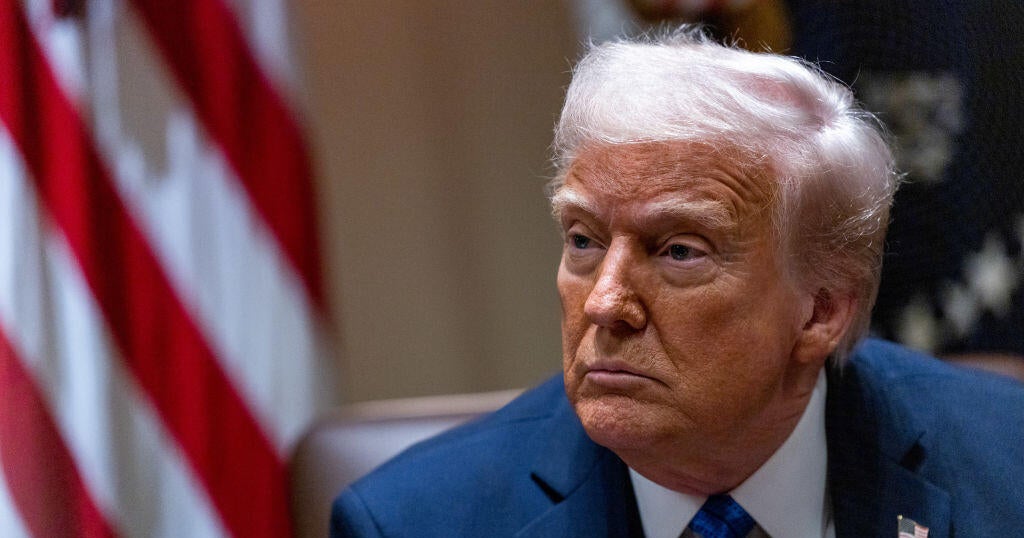
At a Senate Intelligence Committee hearing, Trump administration officials addressed concerns over the accidental inclusion of a journalist in a Signal group chat discussing U.S. military plans, leading to accusations from Democrats of compromising national security. President Trump defended his national security adviser, Mike Waltz, asserting that the information shared was not classified and expressing confidence in Waltz's abilities. Officials downplayed the incident, attributing it to a technological mishap and suggesting future caution in using such communication methods.
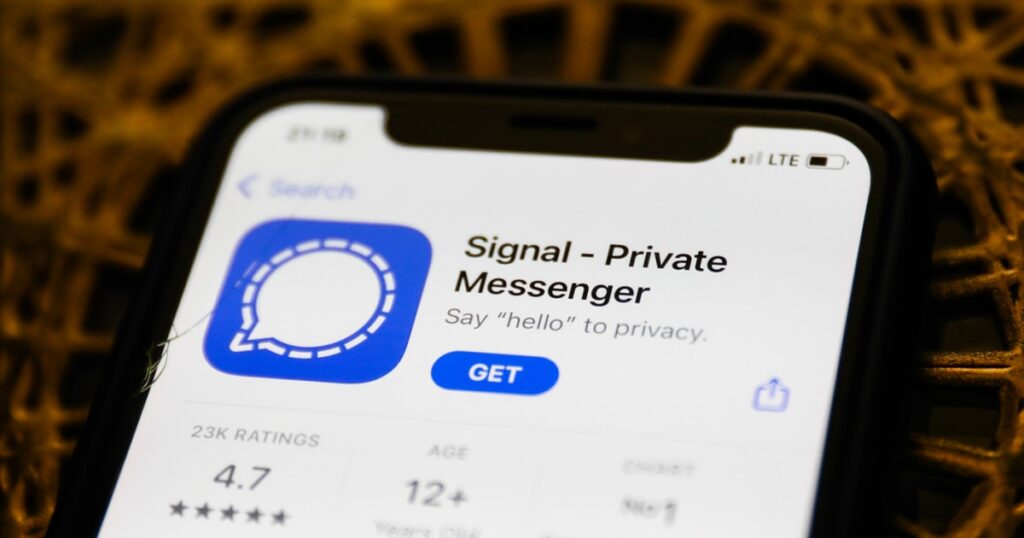
In February 2025, the NSA issued a bulletin warning about vulnerabilities in the encrypted messaging app Signal, following an incident where sensitive military plans were accidentally shared with journalist Jeffrey Goldberg via the app. This incident, involving Defense Secretary Pete Hegseth and a Signal group chat discussing military operations in Yemen, has raised concerns about the app's suitability for sensitive government communications. The disclosure has sparked a broader debate on the security of encrypted messaging applications and the need for stringent operational security measures to prevent similar breaches in the future.
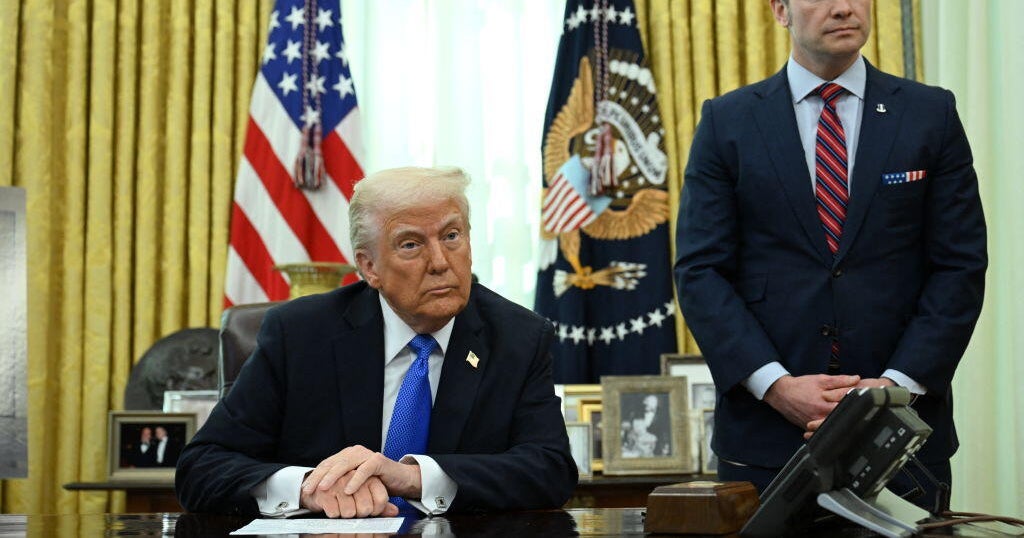
President Trump announced that the U.S. Air Force is developing a sixth-generation fighter jet, the F-47, with Boeing awarded the manufacturing contract to maintain the U.S.'s competitive edge in air defense against China. This decision highlights the strategic importance of advancing military aviation capabilities as part of a broader national security effort. Meanwhile, Senators Elizabeth Warren and Tammy Duckworth have requested clarification from the Defense Department about a Pentagon meeting involving Elon Musk, questioning whether he received a top-secret briefing on U.S. war plans with China, emphasizing the need for scrutiny over the handling of classified information.
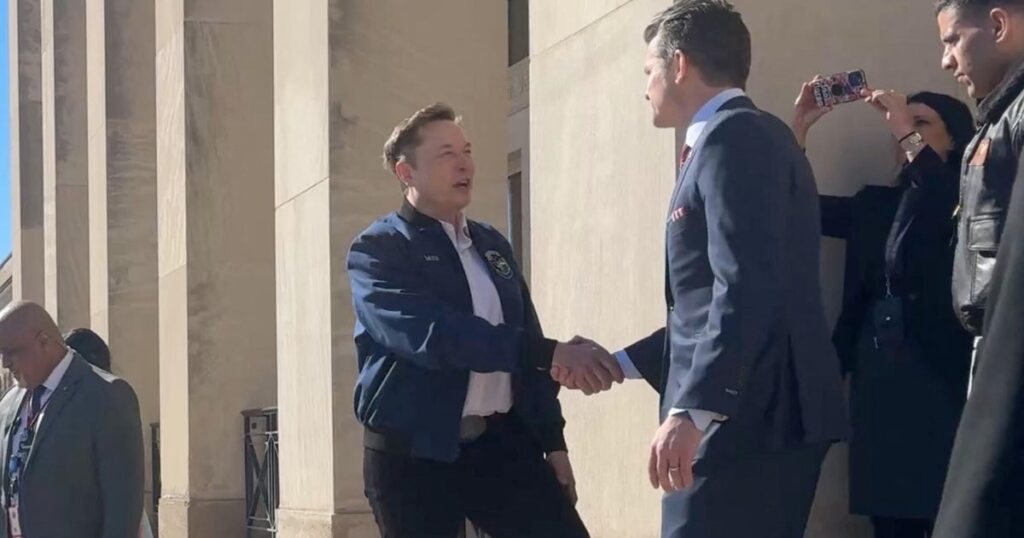
Elon Musk, CEO of Tesla and SpaceX, met with Defense Secretary Pete Hegseth at the Pentagon to discuss innovation and production efficiencies, with Musk describing the meeting as positive. Despite reports suggesting Musk would be briefed on U.S. military plans regarding China, Hegseth refuted these claims, emphasizing the meeting's focus on technological advancements. Musk expressed his willingness to support the Department of Defense, highlighting the collaboration between the U.S. military and private sector leaders to enhance national defense capabilities.

A federal judge has temporarily blocked an executive order from President Donald Trump that aimed to ban transgender individuals from serving in the U.S. military, citing violations of the equal protection clause. U.S. District Judge Ana Reyes emphasized the valuable contributions of transgender service members and criticized the policy as demeaning and stigmatizing. This decision highlights ongoing legal and societal debates about transgender rights and military inclusion, marking a significant moment in the broader discussion of equal protection under the law.
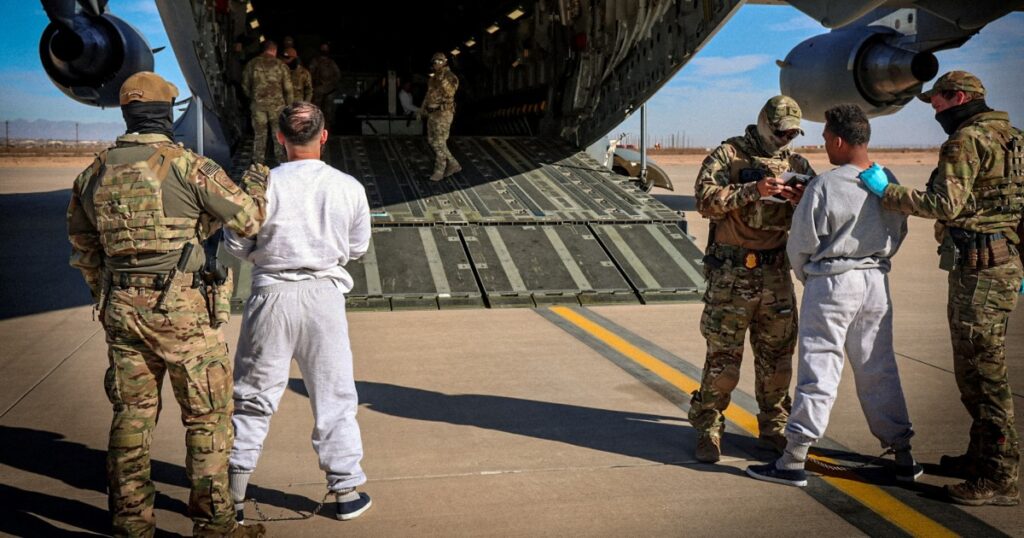
Vice President JD Vance, Defense Secretary Pete Hegseth, and Director of National Intelligence Tulsi Gabbard visited the southern border to highlight the Trump administration's efforts to combat illegal immigration and drug trafficking. This visit follows the administration's imposition of a 25% tariff on Mexican imports, aimed at pressuring Mexico to address border issues more effectively. Additionally, President Trump's proposal to use Guantánamo Bay for detaining immigrants has faced significant challenges, leading to internal debates about its feasibility.
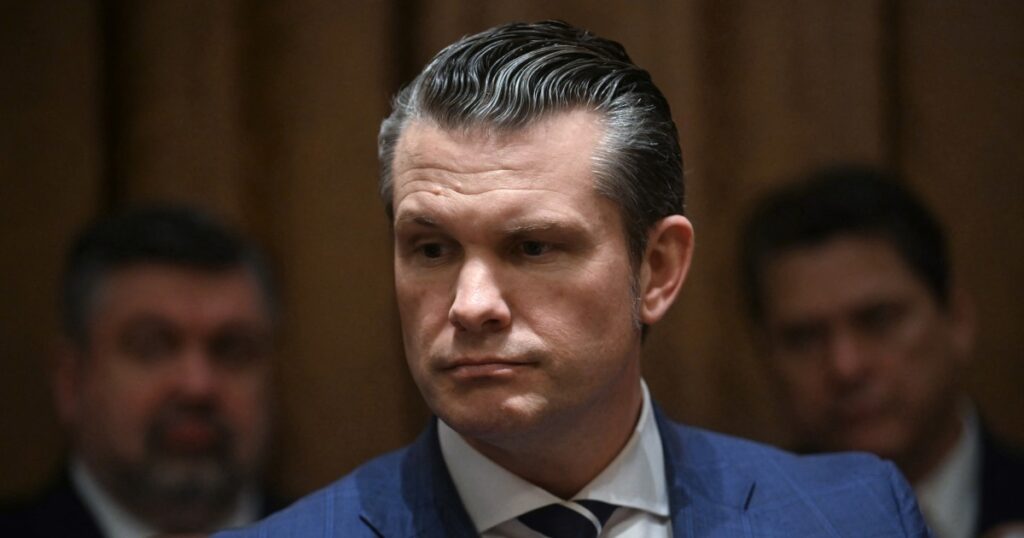
A senior USAID official, Nicholas Enrich, has been placed on administrative leave after releasing a memo criticizing the Trump administration's handling of foreign aid, which contradicts Secretary of State Marco Rubio's claims that aid was unaffected by a freeze. Concurrently, U.S. Defense Secretary Pete Hegseth has ordered a halt to U.S. Cyber Command's offensive operations against Russia, prioritizing the safety of military personnel. These developments have sparked discussions on the implications of U.S. foreign aid policies and their impact on global health, as well as the balance between national security and humanitarian responsibilities.