
Defense Secretary Pete Hegseth lifted the suspension of two Army pilots who flew AH-64 Apache helicopters near musician Kid Rock’s Nashville home, announcing no investigation or punishment would follow. The incident, initially prompting an Army investigation and suspension, involved the helicopters hovering briefly outside Kid Rock’s property during a training mission, with the singer expressing support for the pilots. President Trump downplayed the event, suggesting the pilots may have been showing support for Kid Rock, a known Trump ally and recent performer at conservative political events.
Posts tagged as “Pete Hegseth”
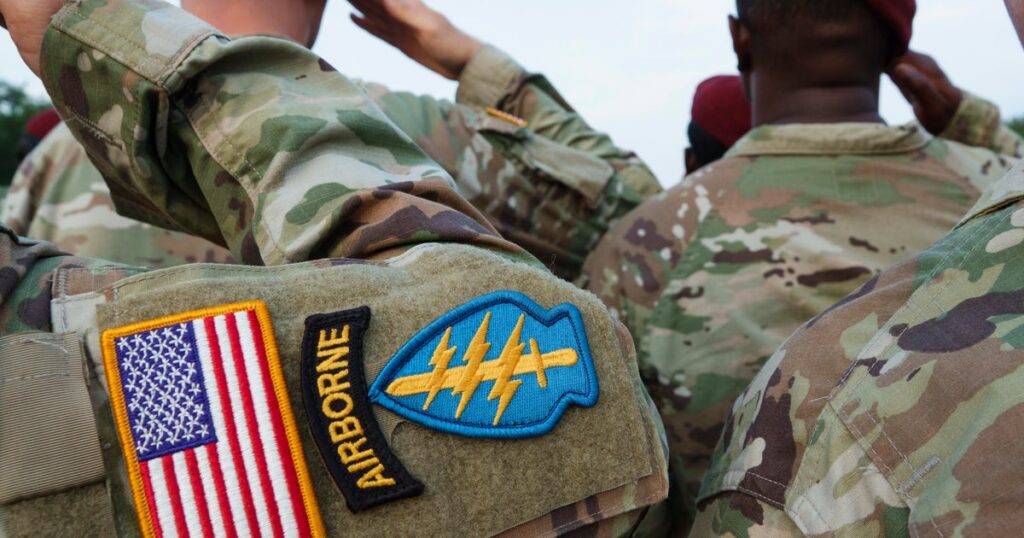
The U.S. Department of Defense has been engaging with families of fallen service members while preparing for a possible deployment of ground troops to the Middle East amid ongoing tensions with Iran. Defense Secretary Pete Hegseth reported that many families urged the continuation of the mission, though some, like Charles Simmons, expressed uncertainty about the war’s necessity. Meanwhile, Pentagon officials are readying forces including the 82nd Airborne Division and Marine units, even as President Trump denies immediate plans to send troops, emphasizing that preparations aim to preserve strategic options.
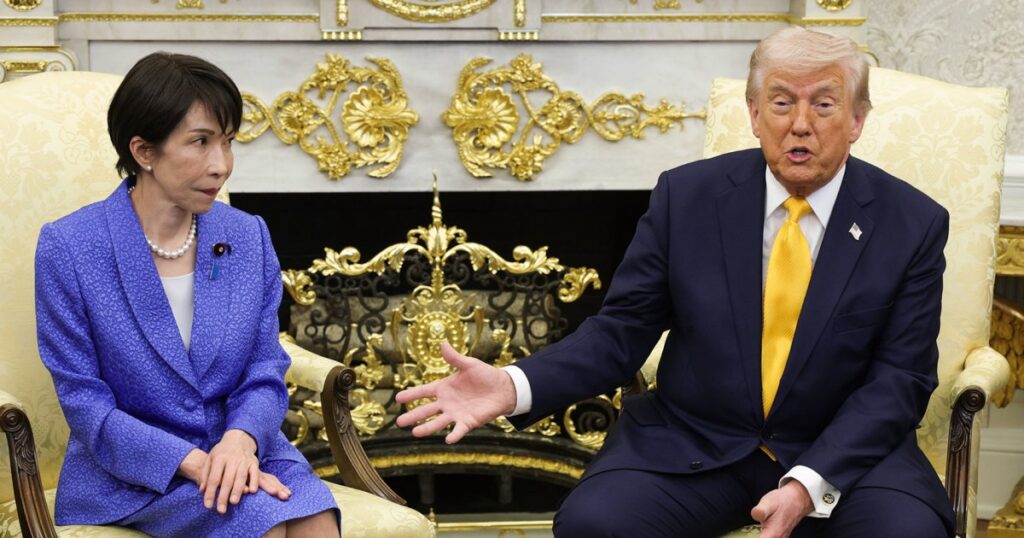
The Trump administration is reportedly preparing to request over $200 billion in emergency supplemental funding from Congress to support ongoing military operations in Iran, potentially using the request to retroactively justify the conflict. While House Speaker Mike Johnson and Defense Secretary Pete Hegseth have not ruled out the large funding package, lawmakers, especially Democrats, have expressed concerns about the lack of congressional authorization and the political challenges in passing such a bill. President Trump defended the surprise nature of the strikes on Iran, compared them to Pearl Harbor, confirmed the funding request, and downplayed the economic impact despite disruptions in the Strait of Hormuz.
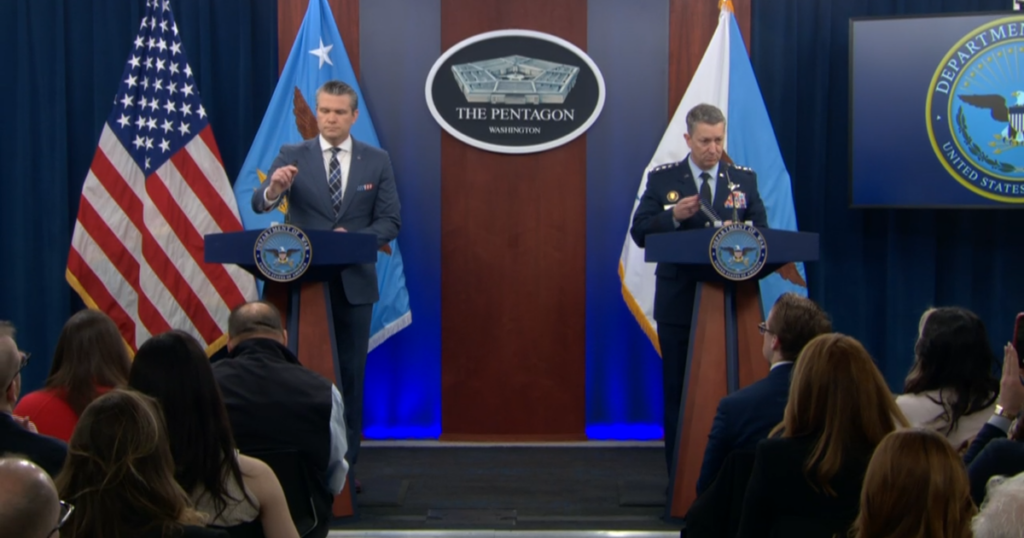
The United States and Israel have escalated military strikes against Iran, with the U.S. conducting over 7,000 attacks on Iranian military and industrial sites as part of Operation Epic Fury, while Israel targeted key Iranian officials and energy infrastructure. These actions have heightened tensions and disrupted global energy markets, prompting President Trump to warn Israel against further attacks on shared resources unless provoked by Iran, and calls for international efforts to reopen the closed Strait of Hormuz. Despite significant damage to Iran’s capabilities, intelligence reports indicate the regime remains intact, amid ongoing investigations into leaks related to the conflict and revelations of covert coordination between the U.S. and Israel.
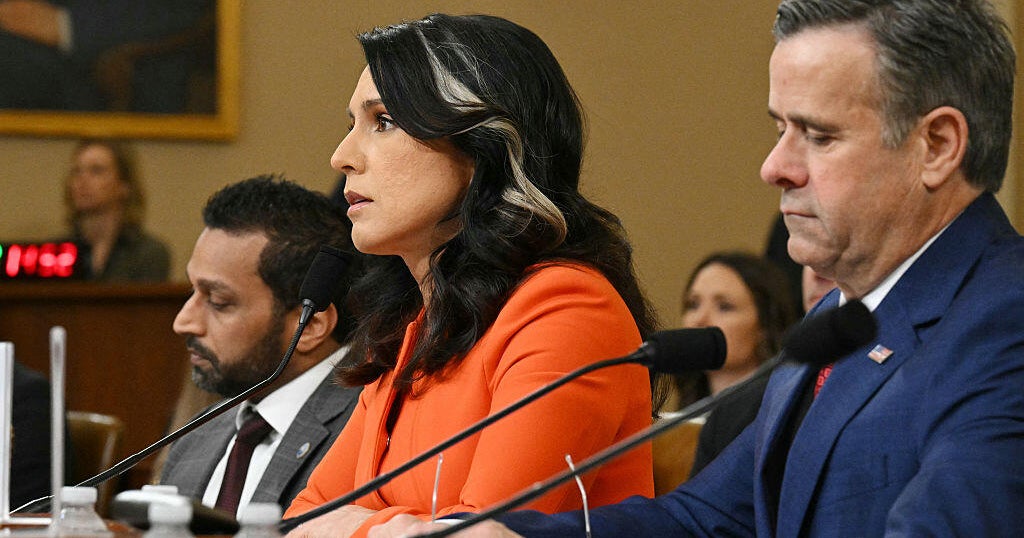
Top U.S. intelligence officials, including Director of National Intelligence Tulsi Gabbard, testified before the Senate Intelligence Committee amid heightened tensions following the U.S. military campaign against Iran, which was justified by the Trump administration as a response to an imminent threat despite intelligence reports indicating Iran was not actively pursuing nuclear weapons. The hearing occurred shortly after the resignation of Joe Kent, head of the National Counterterrorism Center, who criticized the administration’s rationale for war, while lawmakers remain divided over calls for greater transparency and public hearings on the conflict. As the debate over oversight continues, Democratic lawmakers push for more disclosure, whereas many Republicans argue that classified briefings suffice to protect national security.
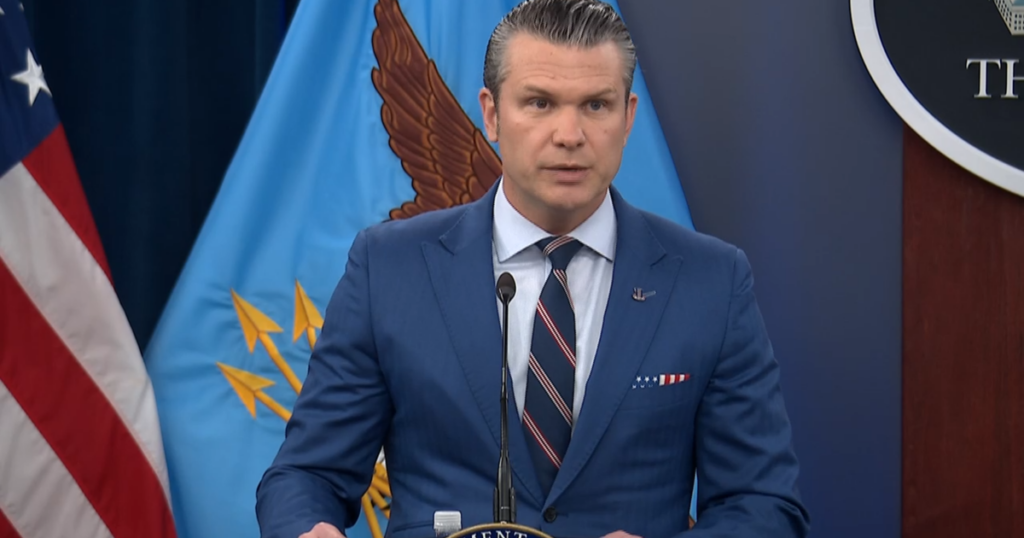
The Pentagon provided updates on the U.S.-Iran conflict, reporting a significant reduction in Iran’s missile capabilities and ongoing investigations into a recent U.S. tanker crash in Iraq. Despite extensive U.S. strikes on Iranian targets, Iranian attacks continue, impacting global oil prices and prompting temporary easing of sanctions on Russian oil to stabilize markets. Public opinion remains divided over the conflict, with mixed messaging from U.S. officials and Iran asserting its intent to control the Strait of Hormuz and sustain attacks in the region.

The conflict between the United States, Israel, and Iran has escalated with attacks on commercial ships near the Strait of Hormuz, drone strikes on Dubai’s airport, and significant U.S. military casualties, while diplomatic tensions rise as Spain withdraws its ambassador from Israel. A devastating missile strike on an elementary school in southern Iran, reportedly caused by a U.S. missile, has resulted in over 165 deaths and prompted calls for an international investigation into potential war crimes. The situation underscores the growing human toll and the broader geopolitical and legal ramifications of the ongoing hostilities in the Middle East.
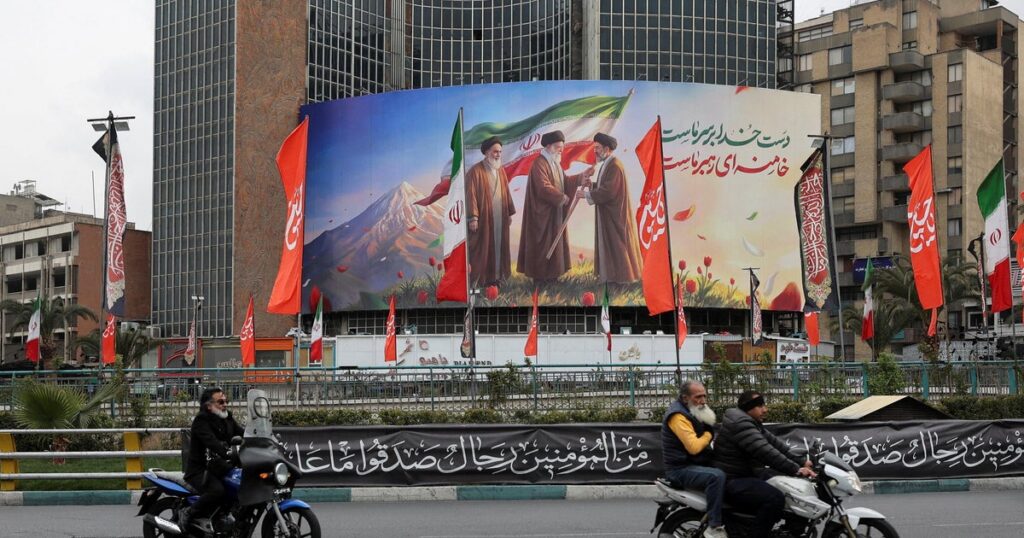
Oil prices have surged due to the escalating Middle East conflict, which has disrupted shipping through the strategic Strait of Hormuz and drawn significant military attention from the U.S. and its allies. Russia has emerged as a key beneficiary of rising energy prices, potentially increasing its oil revenues and military spending amid the ongoing Ukraine war. Meanwhile, the conflict intensifies with attacks on Gulf countries, heightened regional military deployments, and diplomatic efforts to support affected nations and maintain global energy security.