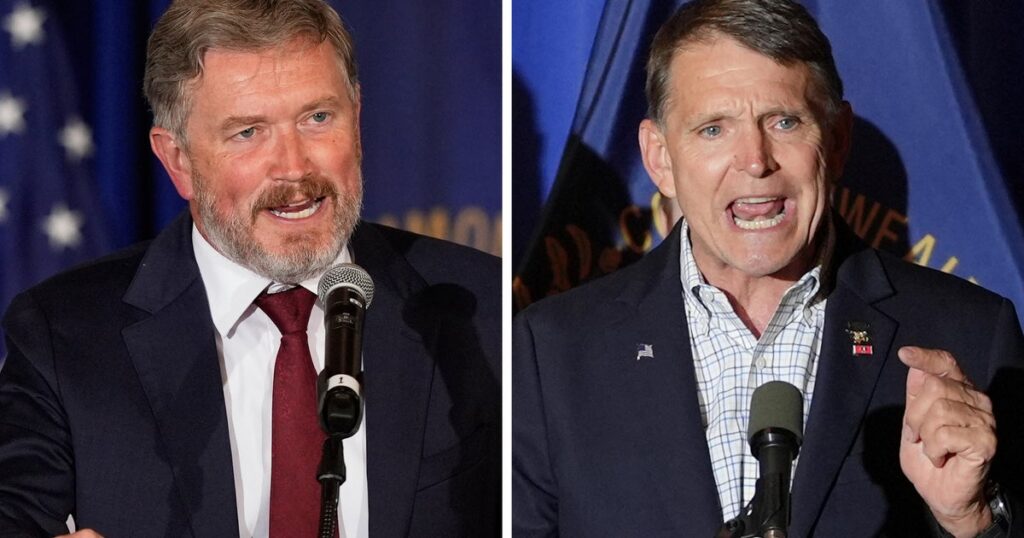
Ed Gallrein, backed by Donald Trump and MAGA allies, defeats incumbent Rep. Thomas Massie in Kentucky’s Republican primary. The costly race featured heavy spending from pro-Trump and pro-Israel groups.
Posts tagged as “Pentagon”

Kentucky Rep. Thomas Massie faces a fierce primary challenge from Trump-backed Ed Gallrein, with the race drawing national attention and unprecedented spending. Massie remains defiant despite attacks from Trump and support for Gallrein from Defense Secretary Pete Hegseth.
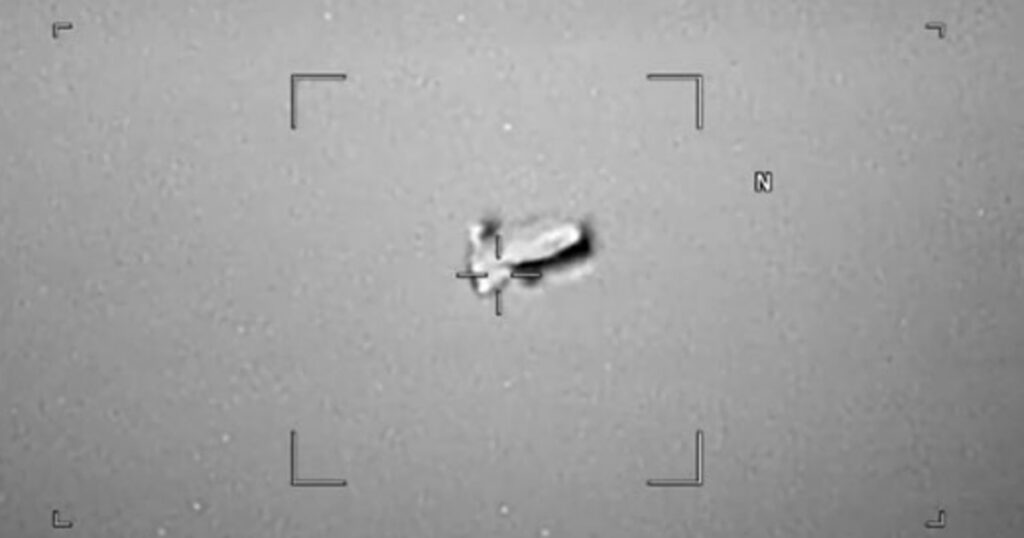
The Pentagon has released over 160 files on unidentified anomalous phenomena, including reports from Apollo missions and recent military sightings. The documents, spanning decades, are now publicly accessible on a dedicated government website.
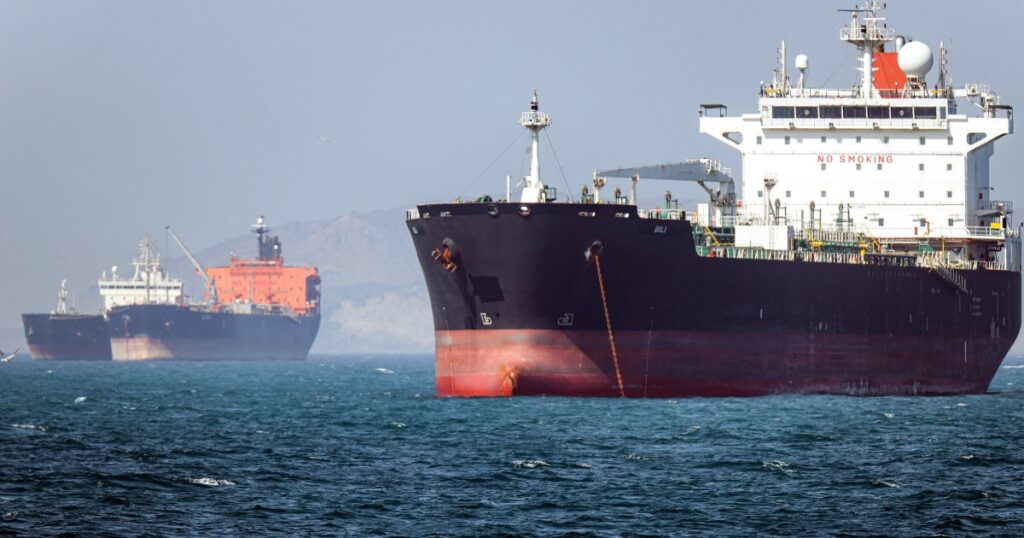
The U.S. pauses Project Freedom in the Strait of Hormuz amid ongoing Iranian missile and drone attacks on Gulf vessels. Despite renewed violence, officials say the ceasefire holds as diplomatic talks advance.
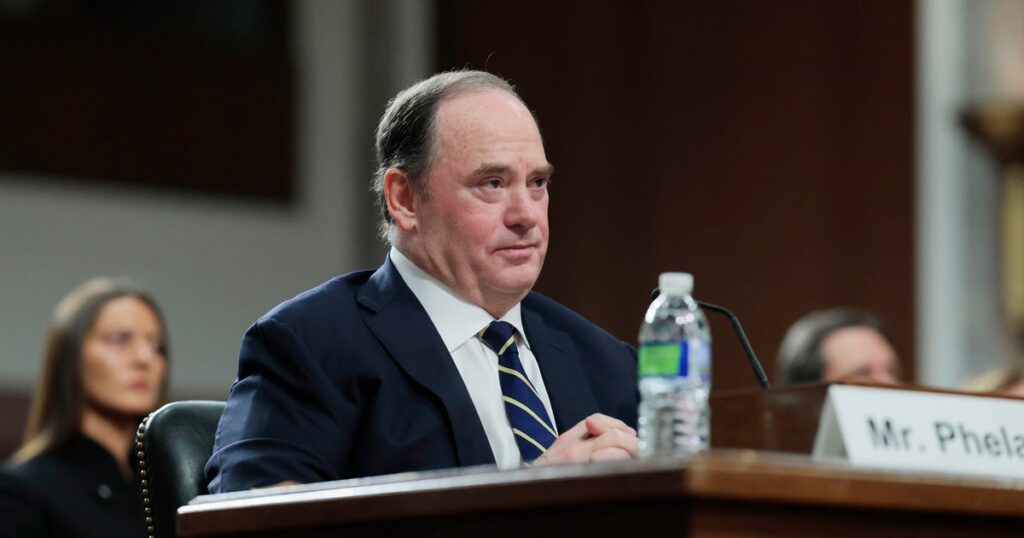
Navy Secretary John Phelan departs immediately amid tensions with Defense Secretary Pete Hegseth over shipbuilding and naval strategy. His exit follows a series of high-level military dismissals under the Trump administration.
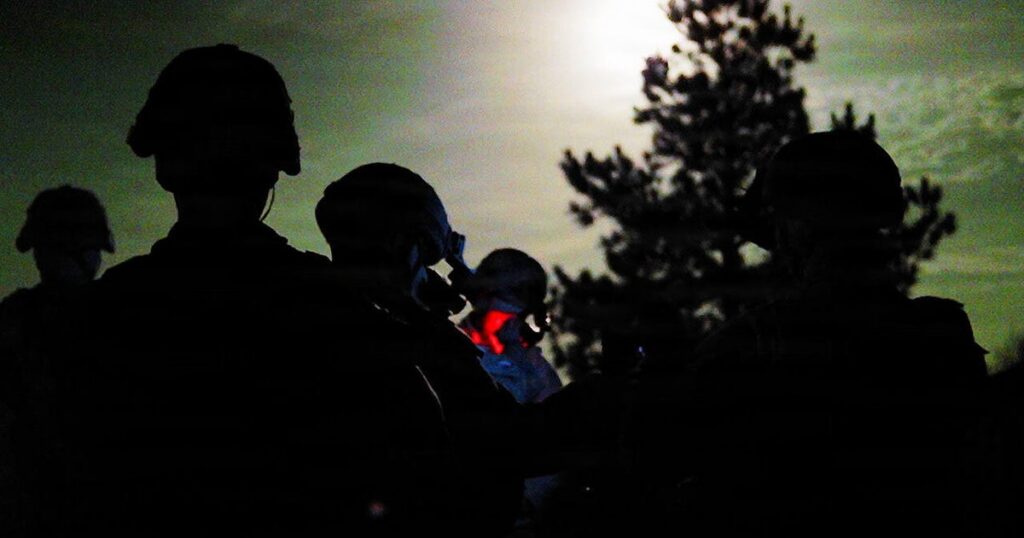
Courtney Williams, a former Army employee, was arrested for allegedly leaking classified information to a journalist who published details about misconduct in Delta Force. The charges stem from communications between 2022 and 2025 involving classified materials disclosed in a book and article.
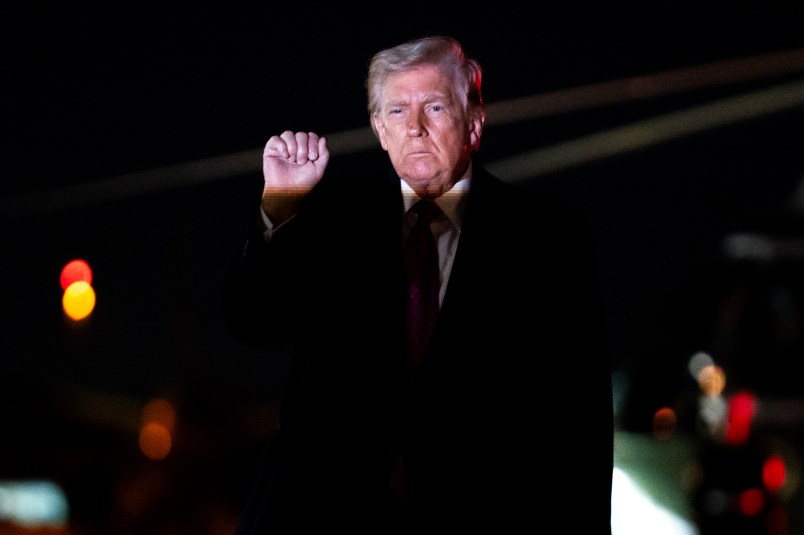
The Department of Homeland Security is undergoing the longest federal shutdown in U.S. history due to deep Republican divisions and unclear White House guidance, with Senate and House leaders unable to agree on funding measures. The shutdown has caused operational disruptions at airports and intensified partisan blame, while some Republicans and former President Trump have called for ending the filibuster to pass funding without Democratic support. Meanwhile, tensions in the Middle East escalate as President Trump threatens severe actions against Iran amid stalled peace talks, raising concerns about further military conflict and global economic impacts.
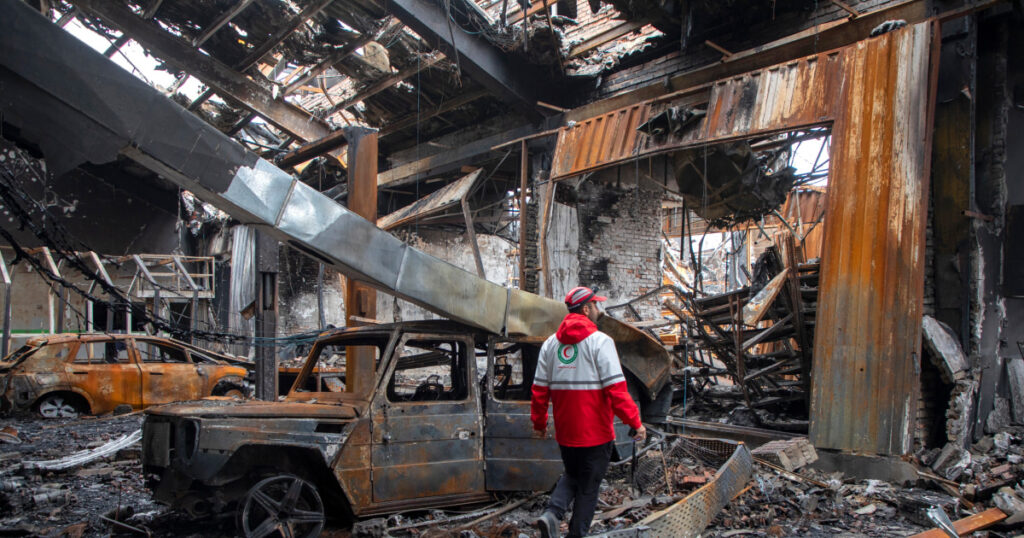
More than 3,500 U.S. troops, including approximately 2,500 Marines aboard the USS Tripoli, have been deployed to the Middle East amid escalating tensions with Iran following recent missile and drone attacks on Saudi Arabia that injured U.S. personnel. The conflict has disrupted global oil exports and shipping routes, with Iranian-backed Houthi rebels also entering the fray, raising concerns over maritime security. Despite rising hostilities and military preparations, diplomatic efforts continue, with the U.S. proposing a peace plan that Iran has rejected, while both sides maintain readiness for further confrontation.