
President Donald Trump signed an executive order to impose stricter mail-in voting rules, including requiring states to use federally approved voter lists and threatening to withhold federal funds from non-compliant states, citing unproven claims of widespread mail-in voting fraud. The order faces significant legal challenges, with experts deeming it likely unconstitutional and lawsuits already underway, while the Justice Department is also using voter data for immigration and criminal investigations. Additionally, a federal judge blocked Trump’s unauthorized White House construction project, and political tensions escalate ahead of the midterms amid concerns over federal interference in state election processes.
Posts tagged as “National Intelligence Tulsi Gabbard”
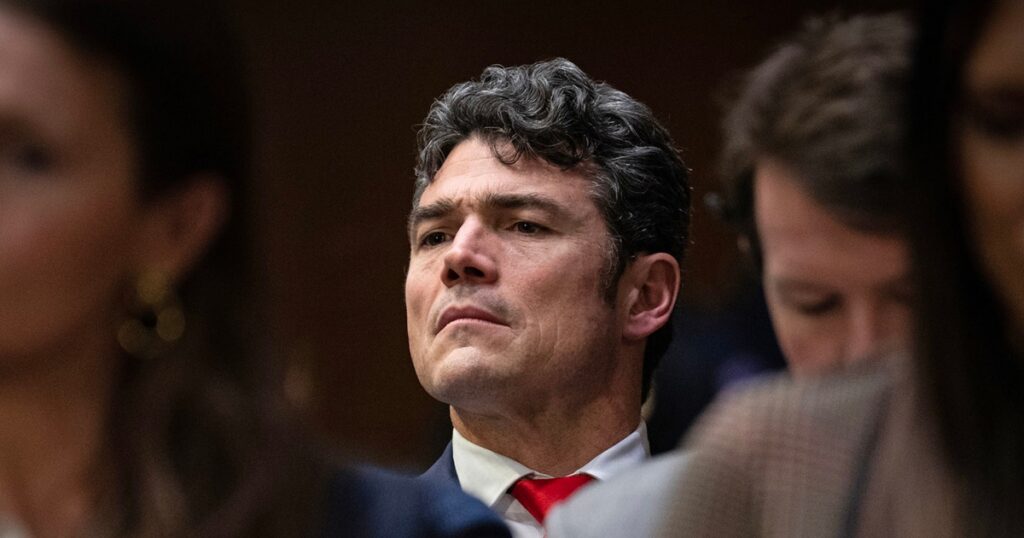
The FBI is investigating Joe Kent, former director of the National Counterterrorism Center, for alleged leaks of classified information, with the probe beginning before his recent resignation over opposition to the Trump administration’s decision to go to war with Iran. Kent criticized the administration’s rationale, claiming there was no imminent Iranian threat and that the war decision was influenced by Israeli pressure, while the Trump administration and intelligence officials have disputed his claims. His resignation has sparked debate among political and intelligence circles, with former President Trump calling Kent “weak on security” and reaffirming the threat posed by Iran.
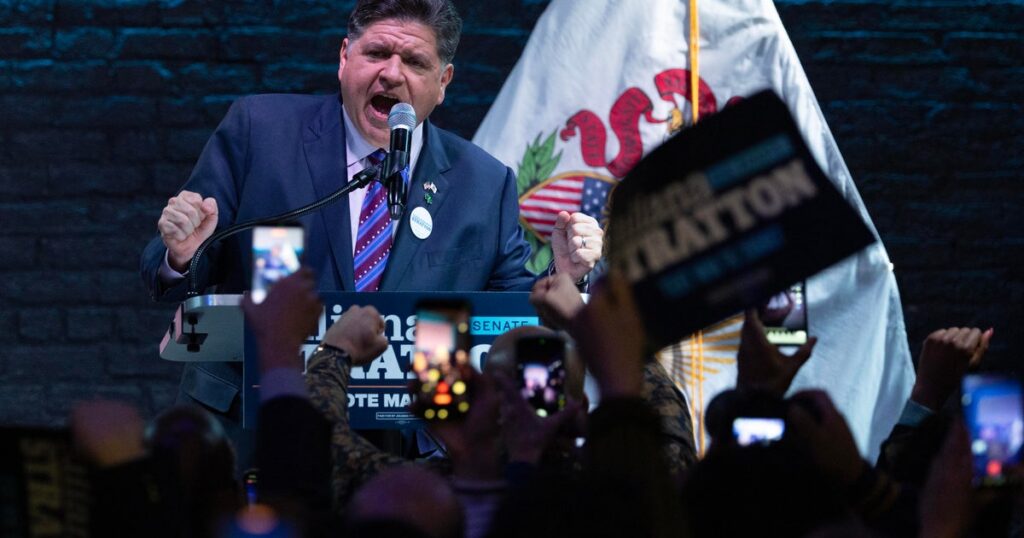
Illinois Democratic primaries showcased Governor JB Pritzker’s political influence, particularly through his substantial financial support for Lt. Governor Juliana Stratton, who won the U.S. Senate primary and could become the sixth Black woman in the Senate if victorious in the general election. Stratton’s campaign, backed by prominent endorsements and opposition to ICE, overcame strong fundraising and polling by her main rival, Representative Raja Krishnamoorthi, highlighting Pritzker’s sway in state politics ahead of a possible 2028 presidential bid. Additionally, outside spending from pro-Israel, cryptocurrency, and AI groups totaled over $52 million across key races, reflecting the growing impact of specialized interest groups on primary outcomes.
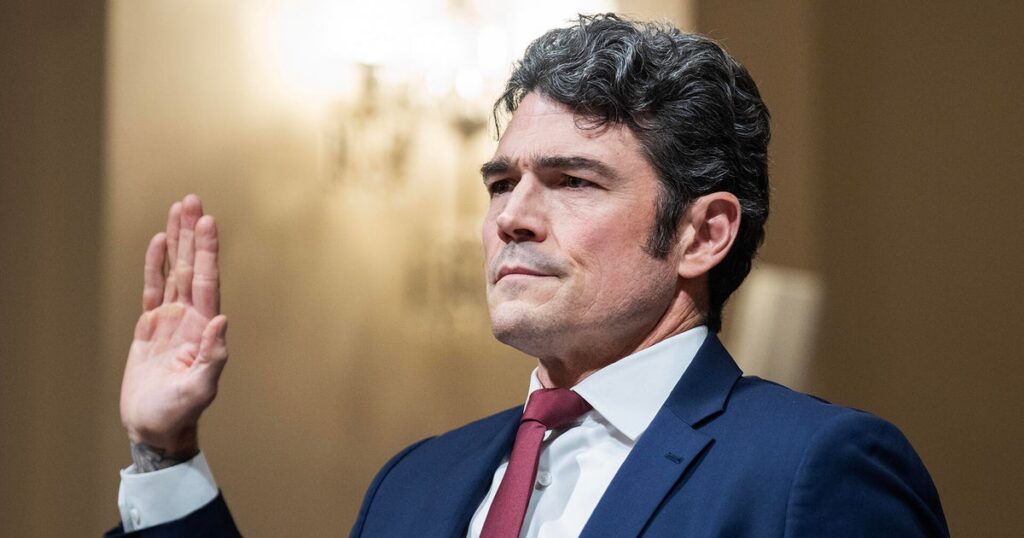
Joe Kent, director of the National Counterterrorism Center and a former Trump supporter, resigned amid controversy over U.S. military actions against Iran, criticizing the administration’s war rationale and alleging misinformation campaigns by Israeli officials and American media. His departure sparked backlash from Republican leaders who condemned his claims as anti-Semitic, while Kent’s past associations with far-right figures and conspiracy theories further complicated his tenure. Concurrently, Director of National Intelligence Tulsi Gabbard testified on Iran’s diminished but ongoing threat, underscoring internal divisions and political pressures shaping U.S. policy toward the conflict.
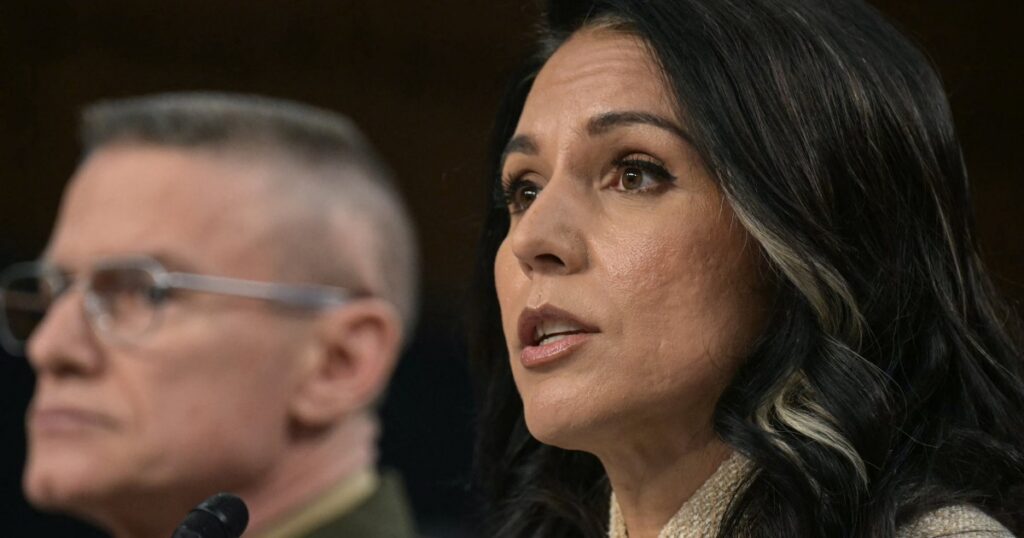
Director of National Intelligence Tulsi Gabbard testified before the Senate Intelligence Committee, expressing a cautious stance on Iran’s nuclear threat and avoiding full endorsement of the U.S.-Israeli military campaign. Her testimony highlighted divisions within the administration and intelligence community, especially after her deputy resigned in protest over the conflict’s justification. The ongoing conflict has caused significant geopolitical and economic disruptions, with Iran retaliating against U.S. interests despite degraded military capabilities.
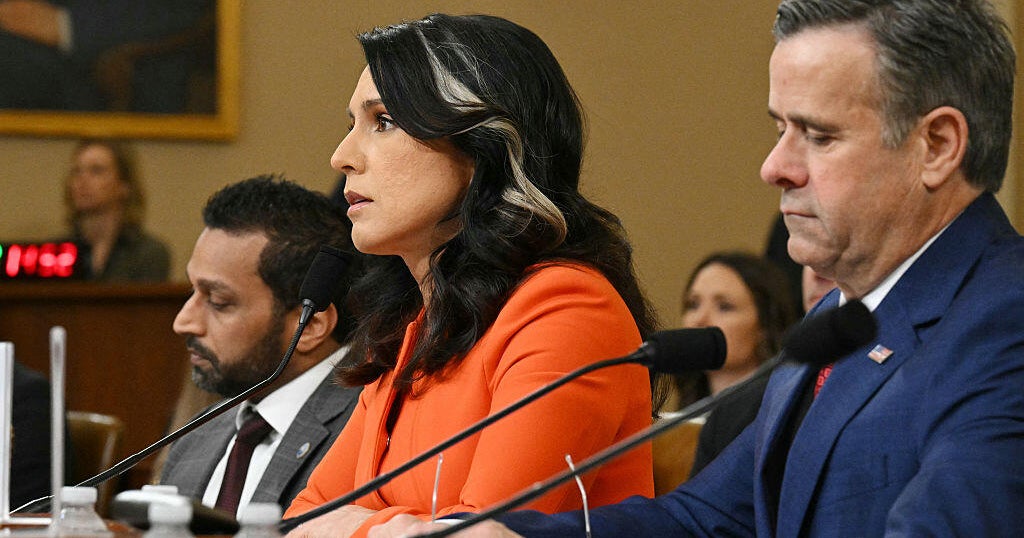
Top U.S. intelligence officials, including Director of National Intelligence Tulsi Gabbard, testified before the Senate Intelligence Committee amid heightened tensions following the U.S. military campaign against Iran, which was justified by the Trump administration as a response to an imminent threat despite intelligence reports indicating Iran was not actively pursuing nuclear weapons. The hearing occurred shortly after the resignation of Joe Kent, head of the National Counterterrorism Center, who criticized the administration’s rationale for war, while lawmakers remain divided over calls for greater transparency and public hearings on the conflict. As the debate over oversight continues, Democratic lawmakers push for more disclosure, whereas many Republicans argue that classified briefings suffice to protect national security.
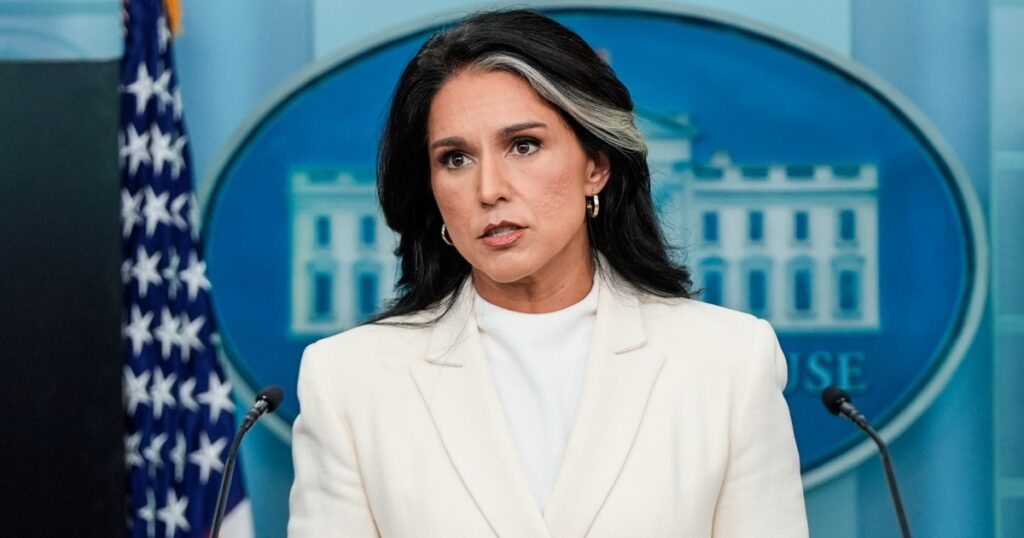
Joe Kent, former head of the National Counterterrorism Center, resigned in protest of the U.S.-Israeli military campaign against Iran, arguing that Iran posed no imminent threat and criticizing the war as influenced by Israeli pressure. His departure has intensified scrutiny on National Intelligence Director Tulsi Gabbard, who has maintained a neutral public stance but is expected to clarify her position during upcoming Senate testimony. The resignation has sparked debate within the Trump administration and Congress, highlighting divisions over U.S. foreign policy and the potential political consequences of the conflict.
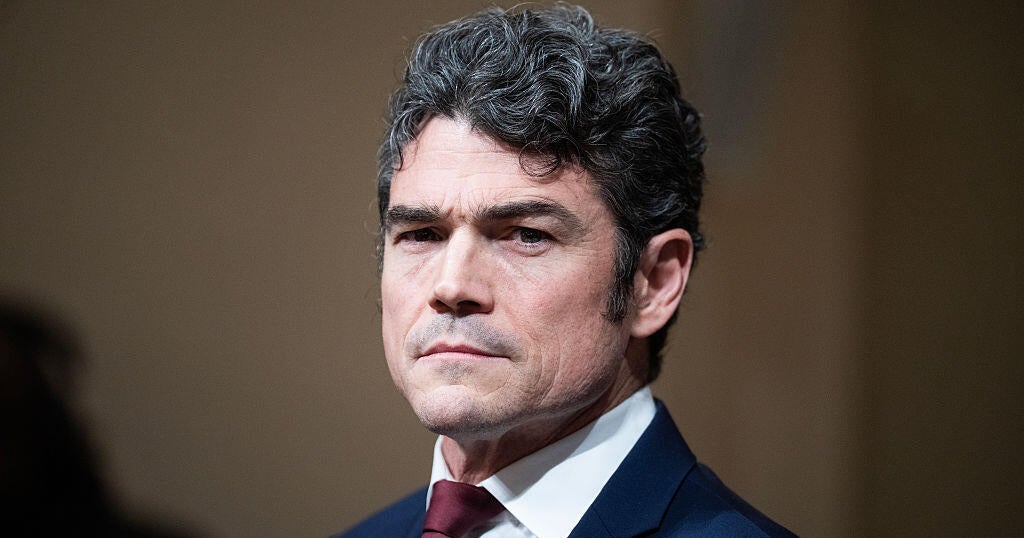
Joe Kent, director of the National Counterterrorism Center and a retired Green Beret, resigned abruptly in protest of the U.S. war in Iran, arguing that Iran posed no imminent threat and that the conflict was driven by pressure from Israel and its American lobby. His departure marks the most high-profile resignation within the Trump administration over the Iran conflict and highlights internal dissent regarding U.S. military intervention in the Middle East. Kent’s stance aligns with other critics of the war, such as intelligence director Tulsi Gabbard, and underscores ongoing tensions about foreign policy direction within the administration.