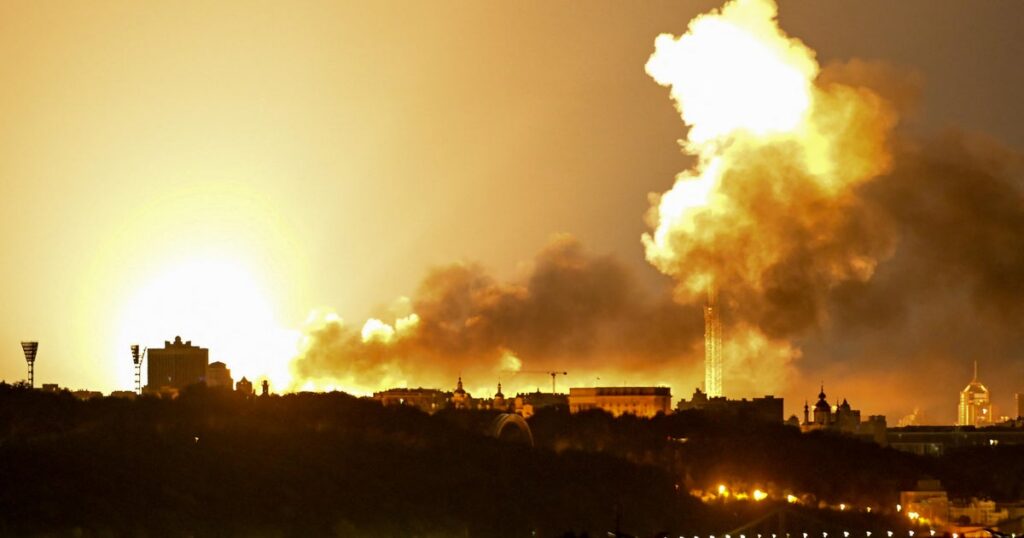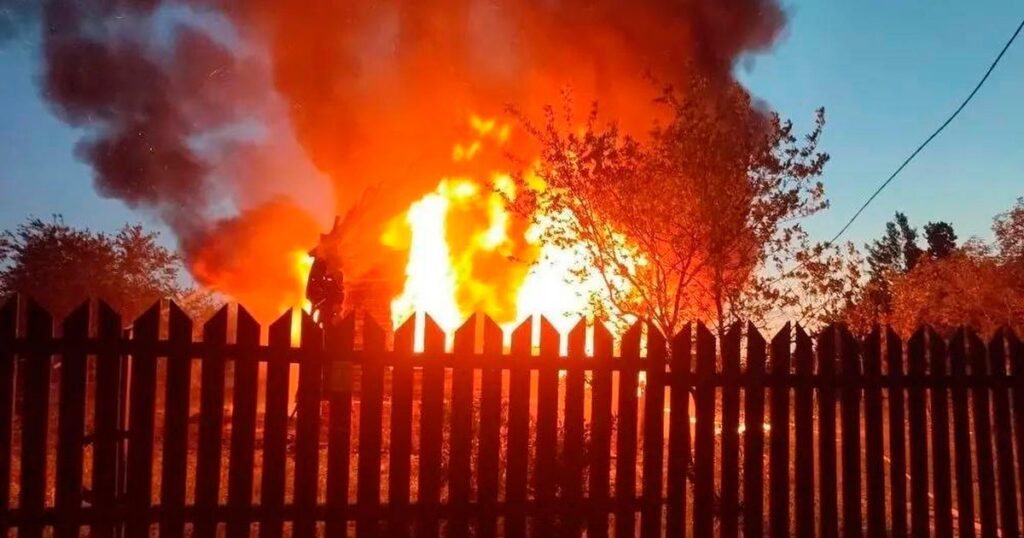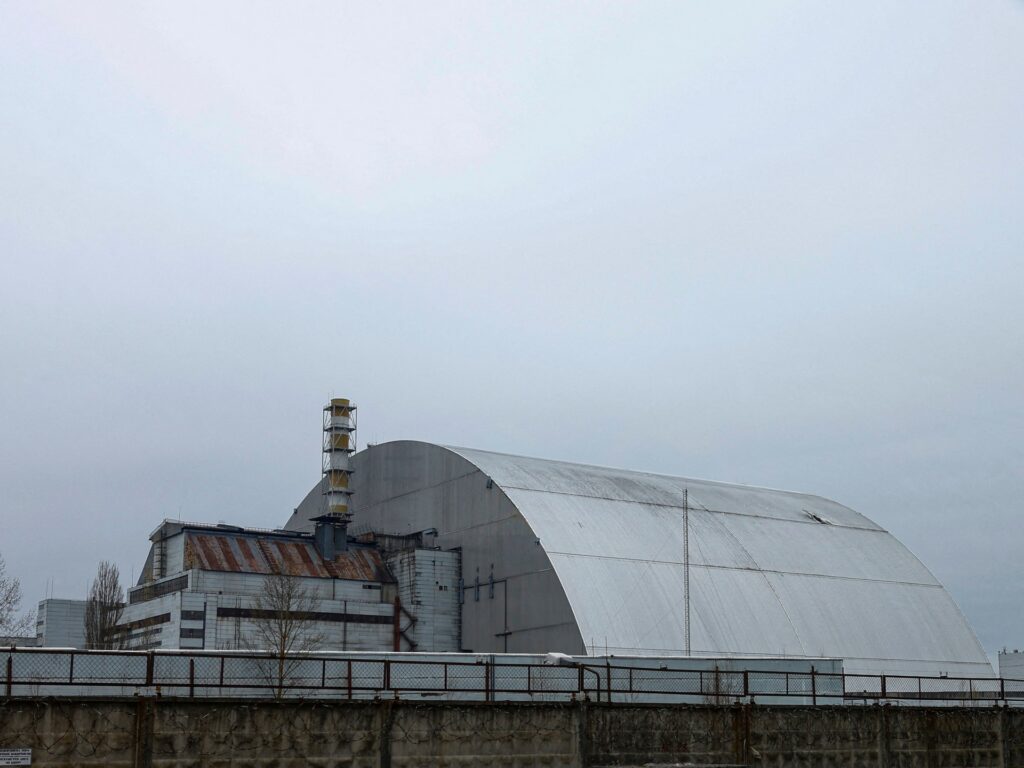
European officials and Ukrainian President Volodymyr Zelenskyy have raised alarms over Russia’s deepening military cooperation with Iran, particularly involving intelligence sharing and drone technology that targets U.S. forces in the Middle East and supports Russia’s efforts in Ukraine. Zelenskyy provided evidence of Russian satellites aiding Iranian attacks on American bases and highlighted Ukraine’s efforts to share anti-drone technology with Gulf states facing Iranian aggression. This growing alliance complicates U.S. military resource allocation and diplomatic negotiations, with Zelenskyy emphasizing the need for sustained Western support amid stalled peace talks and shifting geopolitical priorities.
Posts tagged as “Moscow”
Ukrainian President Volodymyr Zelenskyy is ready to resume trilateral peace talks with Russia and the U.S., but the timing and location hinge on an agreement between Washington and Moscow, with recent talks postponed due to the Middle East conflict. Ukraine is also leveraging its extensive drone warfare expertise, developed through years of combat against Russian attacks, to assist other countries facing similar threats, while urgently seeking additional air defense systems amid concerns over depleted stockpiles. Meanwhile, regional tensions rise as Iran warns Ukraine against involvement in Middle Eastern drone conflicts, complicating Kyiv’s diplomatic and military efforts.
The United States has temporarily eased sanctions on Russian oil, allowing the purchase of petroleum products already loaded onto ships before the announcement, aiming to ease global energy market disruptions caused by conflicts in the Middle East. Treasury Secretary Scott Bessent emphasized the measure is narrowly tailored to avoid benefiting Russia financially and to increase existing supply amid restricted shipping through the Strait of Hormuz. While Russia welcomed the move as stabilizing global markets, European governments and some U.S. lawmakers criticized it for potentially strengthening Russia’s position and undermining sanctions related to the Ukraine conflict.
Russian President Vladimir Putin has declared a three-day ceasefire in the conflict with Ukraine, set to coincide with the 80th anniversary of "Victory Day," commemorating Russia's victory over Nazi Germany. The ceasefire, beginning on May 8 and ending on May 11, aligns with Victory in Europe Day, a significant holiday in Russia. Despite this gesture, Ukraine remains skeptical due to past violations by Russian forces and has warned of a response to any breaches, highlighting persistent tensions and difficulties in securing lasting peace.
Russian Foreign Minister Sergey Lavrov announced that Russia is open to a deal with the United States regarding the conflict in Ukraine, though some aspects need further refinement. The situation remains tense following a deadly Russian strike on Kyiv, and Kyiv's mayor has acknowledged the possibility of ceding territory to secure peace. Negotiations, brokered by the Trump administration, reveal significant divides between Ukraine, Russia, and the U.S., with Lavrov expressing optimism about progress despite these challenges.

U.S. Diplomatic Efforts to Broker Ukraine Conflict Pause Falter as Key Officials Withdraw from Talks
High-level diplomatic efforts to negotiate a pause in the Ukraine conflict faced a setback when U.S. Secretary of State Marco Rubio and special envoy Steve Witkoff withdrew from talks, hindering Kyiv's hopes for a swift resolution. Despite the collapse of the scheduled ministerial talks in London, President Trump's special envoy, Keith Kellogg, proceeded with meetings, highlighting ongoing U.S. engagement in peace efforts. Ukraine remains committed to seeking peace, as expressed by Andriy Yermak, even as the Trump administration intensifies its push for a truce amid challenges.
On Easter Sunday, tensions between Russia and Ukraine escalated as both nations accused each other of violating a temporary ceasefire, with Ukrainian President Volodymyr Zelenskyy reporting continued aggressive actions by Russian forces. Despite the ceasefire announced by Russian President Vladimir Putin, breaches were reported by both sides, each blaming the other, in a conflict that has persisted since February 2022. Kremlin spokesperson Dmitry Peskov confirmed there was no directive to extend the ceasefire, suggesting hostilities could resume, while the international community closely monitors the situation due to its impact on regional stability.
In a recent court session, legal representatives for Bryan Kohberger, accused of murdering four University of Idaho students, discussed with prosecutors the guidelines for his upcoming trial, focusing on the admissibility of evidence and language that could influence the jury. The judge ruled against using terms like "sociopath" and "psychopath" to describe Kohberger but allowed the term "murderer." These pre-trial motions are crucial as the defense seeks to avoid the death penalty, and the decisions made will shape the trial's framework and impact the potential penalties Kohberger may face if convicted.