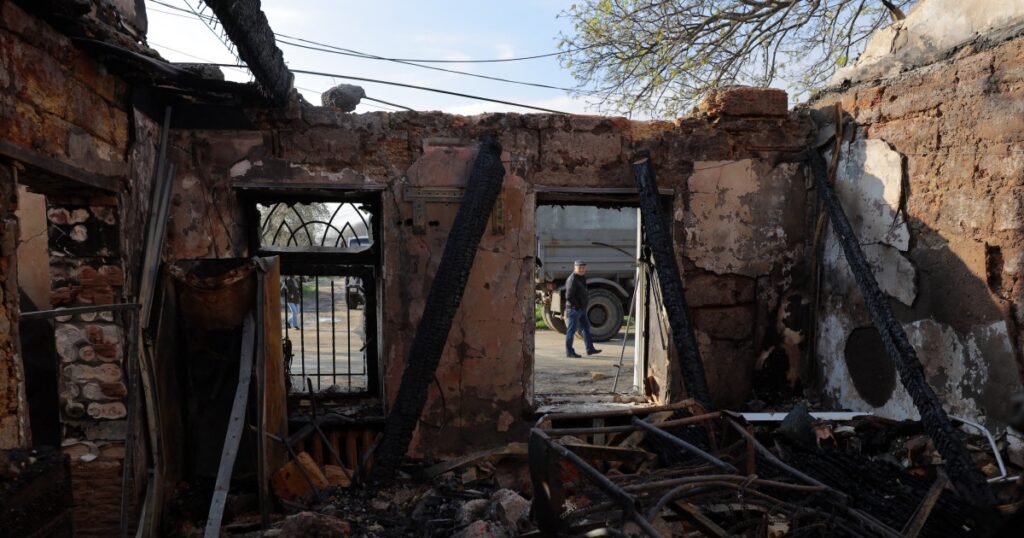
Russian drone strikes killed two and wounded two in Odesa ahead of a 32-hour Orthodox Easter ceasefire. A prisoner exchange returned 175 Russian soldiers, while both sides prepared for the ceasefire amid ongoing tensions.
Posts tagged as “Mariupol, Putin”
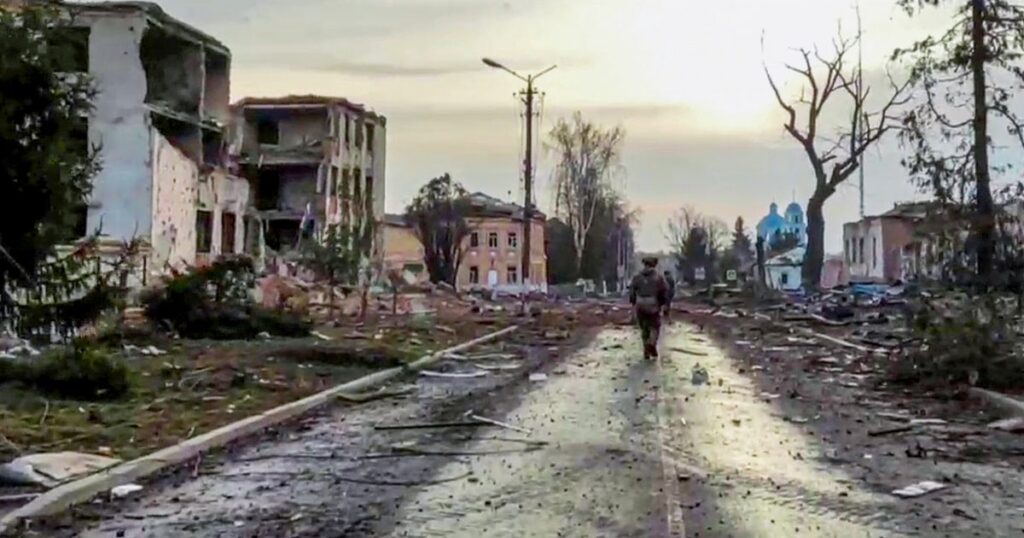
Russia has publicly acknowledged the involvement of North Korean troops in its conflict with Ukraine, marking a first in recognizing their contribution under a strategic partnership between the two nations. This announcement coincided with Russia's claim of regaining control over the Kursk region, although Ukraine disputes this, maintaining that their forces are still resisting Russian advances. The participation of North Korean soldiers adds a new layer to the conflict, emphasizing the international alliances and geopolitical complexities influencing the war's dynamics.
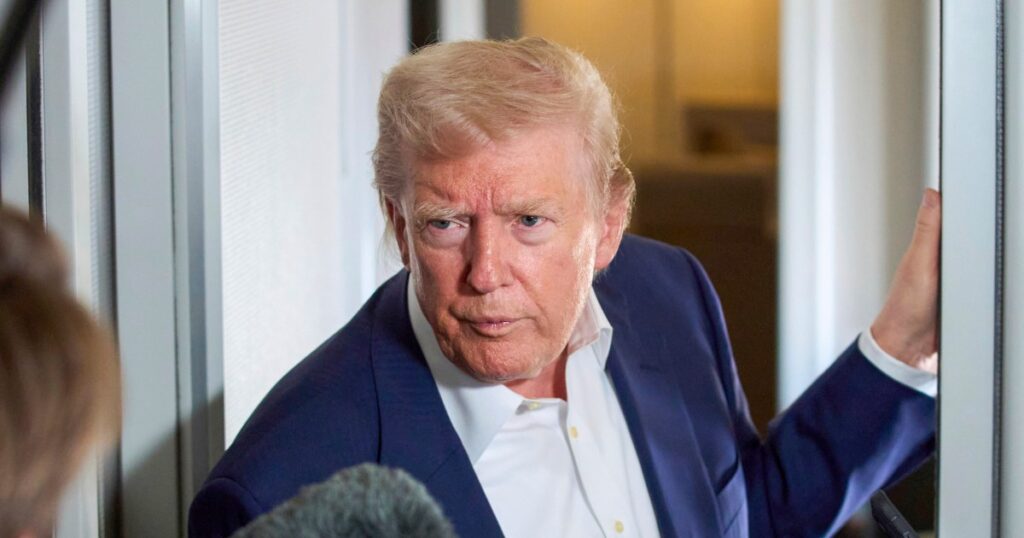
Former U.S. President Donald Trump expressed skepticism about Russian President Vladimir Putin's intentions in the Ukraine conflict, suggesting alternative measures like "Banking" or "Secondary Sanctions" might be necessary. This skepticism emerged after a meeting with Ukrainian President Volodymyr Zelenskyy, which was described as "very productive" and focused on achieving lasting peace. Despite Trump's previous optimism about a potential peace deal, his recent comments reflect growing doubts about the feasibility of reaching an agreement soon, highlighting the ongoing urgency due to continued violence in the region.
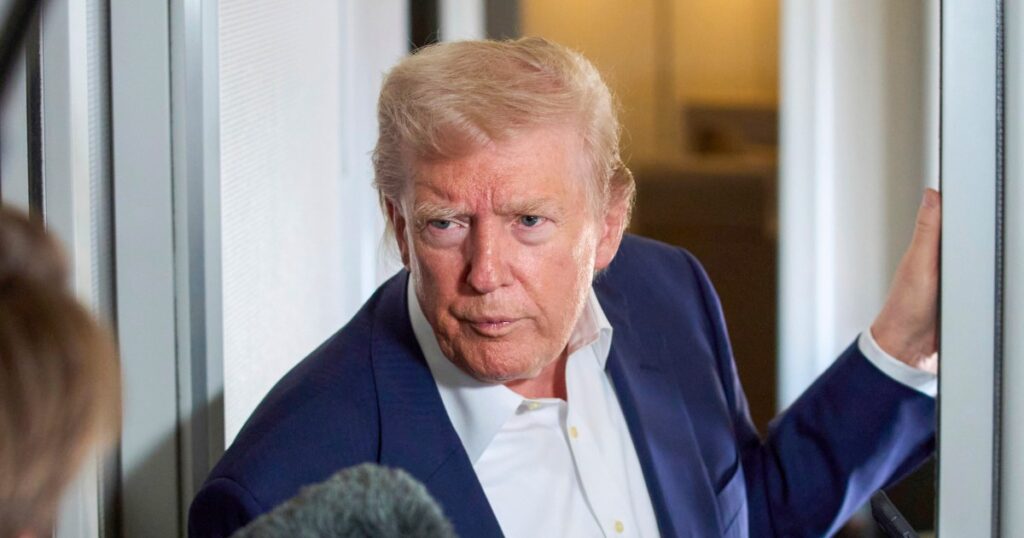
Former U.S. President Donald Trump expressed doubts about Russian President Vladimir Putin's intentions to end the conflict in Ukraine, suggesting alternative strategies like "Banking" or "Secondary Sanctions" might be necessary. Despite previously indicating that a peace agreement was near, Trump's recent comments reflect skepticism about a resolution, amid ongoing missile strikes and reports of resistance in the Kursk sector. Meanwhile, Russian military officials claim to have recaptured the village of Gornal, highlighting the fluid and contested nature of territorial control, as the international community closely monitors the situation for any diplomatic progress.
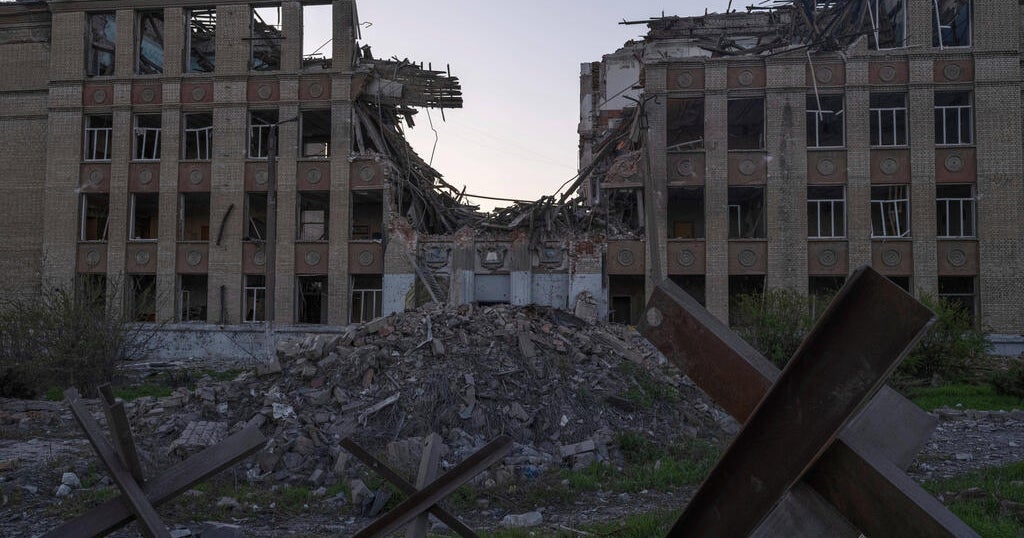
On Easter Sunday, tensions between Russia and Ukraine escalated as both nations accused each other of violating a temporary ceasefire, with Ukrainian President Volodymyr Zelenskyy reporting continued aggressive actions by Russian forces. Despite the ceasefire announced by Russian President Vladimir Putin, breaches were reported by both sides, each blaming the other, in a conflict that has persisted since February 2022. Kremlin spokesperson Dmitry Peskov confirmed there was no directive to extend the ceasefire, suggesting hostilities could resume, while the international community closely monitors the situation due to its impact on regional stability.
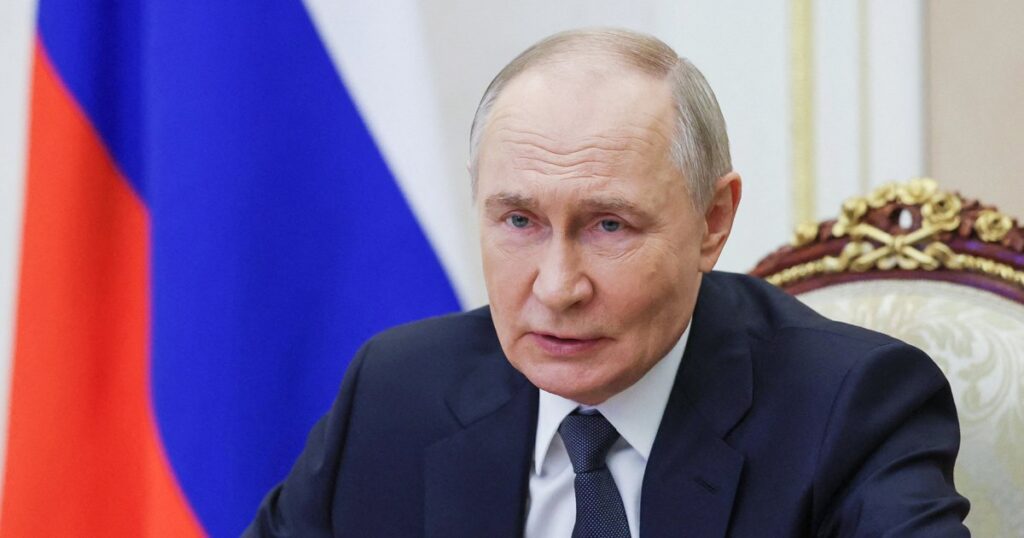
Russian President Vladimir Putin has announced a temporary ceasefire in Ukraine to coincide with the Easter holiday, beginning at 1800 hours on Saturday and lasting until midnight on Sunday. The ceasefire aims to provide a pause in the three-year conflict, with Putin urging Russian forces to remain vigilant and expressing hope that Ukraine will reciprocate the gesture. This announcement comes as Russia's Defense Ministry reports progress in military operations, and the international community will be observing whether the truce holds and leads to further diplomatic efforts.
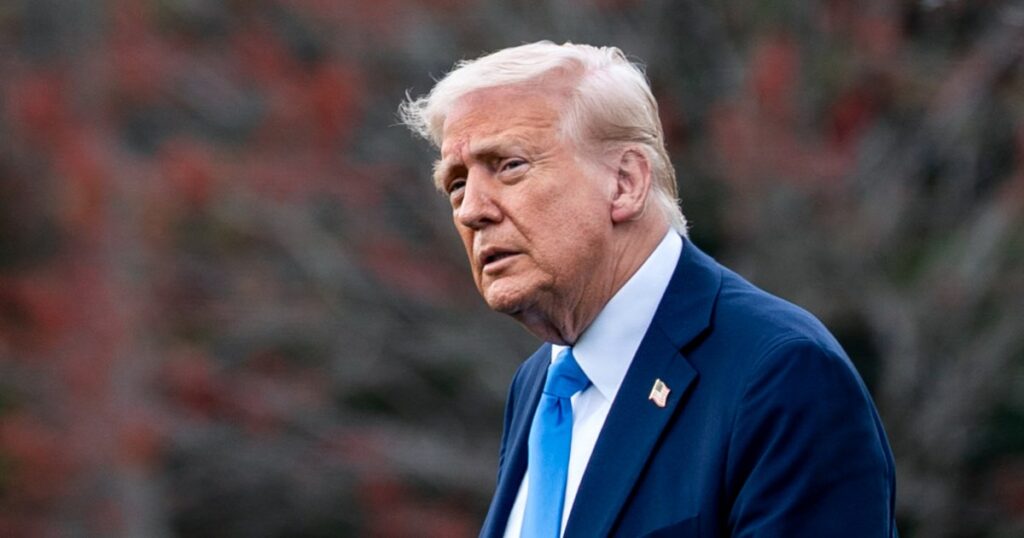
Former U.S. President Donald Trump expressed strong emotions over Russian President Vladimir Putin's criticism of Ukrainian President Volodymyr Zelenskyy, stating he was "very angry" and suggesting that such remarks hinder conflict resolution efforts. Trump proposed potential measures, such as imposing secondary tariffs on Russian oil exports, if he determines Russia is responsible for ongoing hostilities, highlighting the complexities of mediating peace between the two nations. Amid broader concerns about the conflict's global implications, a new documentary, "Putin's Endgame," explores the potential regional and international consequences, underscoring the challenges and prolonged nature of achieving peace.
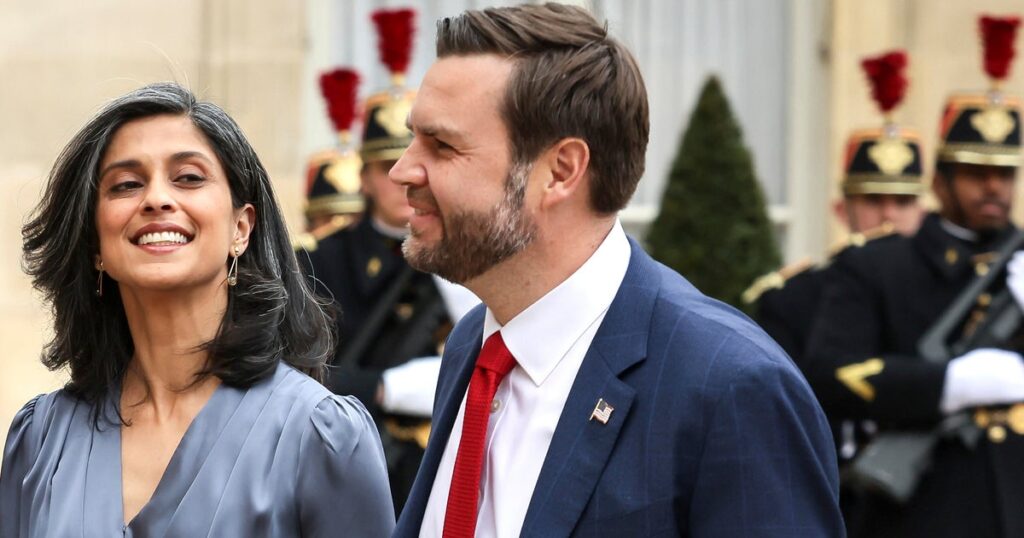
Vice President JD Vance's visit to Greenland, initially planned as a cultural trip, has shifted focus to U.S. policy and defense strategies amidst the Trump administration's interest in acquiring the territory. The visit, which includes a stop at a U.S. military base, underscores Greenland's strategic importance in U.S. Arctic policy, accompanied by Energy Secretary Chris Wright and National Security Adviser Michael Waltz. Russian President Vladimir Putin has acknowledged Trump's interest, citing historical precedents, as the U.S. explores expanding its Arctic influence, drawing international attention and debate.