
President Donald Trump has urged countries dependent on oil shipments through the Strait of Hormuz to help reopen the waterway, which Iran has effectively closed amid escalating regional conflict following a U.S.-Israeli military campaign. However, many traditional U.S. allies, including European and Pacific nations, have declined to participate in securing the strait, emphasizing diplomacy and conflict resolution over military involvement. The ongoing tensions have driven up global oil prices, strained international relations, and resulted in significant military engagements and regional instability.
Posts tagged as “[Make America Great Again”
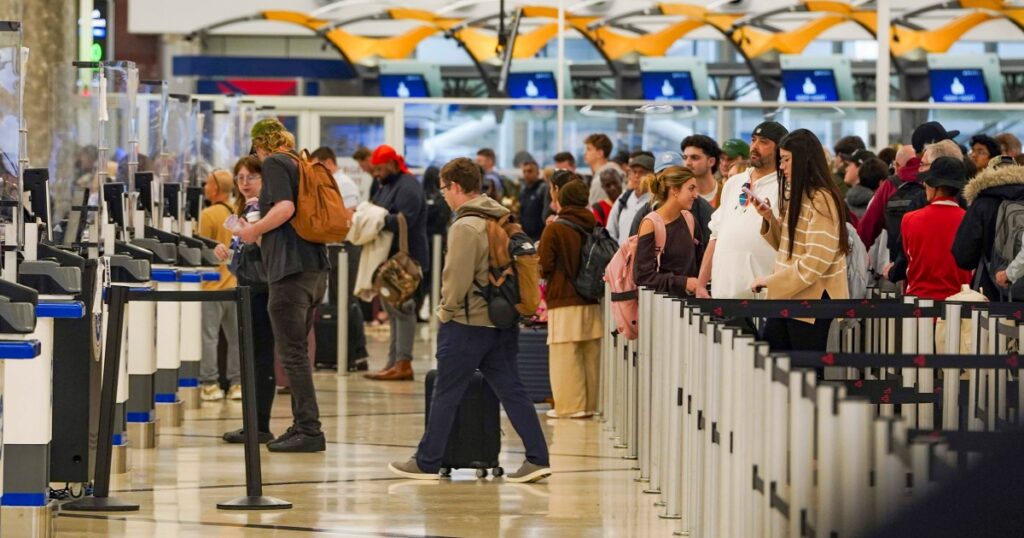
The partial government shutdown has caused significant delays at U.S. airport security checkpoints due to TSA employees missing paychecks, leading to increased resignations and callouts that strain staffing levels nationwide. Key airports like Atlanta, Austin, and Houston are experiencing severe wait times, with TSA officials warning that the situation will worsen unless funding is restored. The shutdown, rooted in a political deadlock over immigration policy, has left many TSA workers struggling financially, prompting calls from airlines and officials for Congress to resolve the impasse to stabilize airport operations.
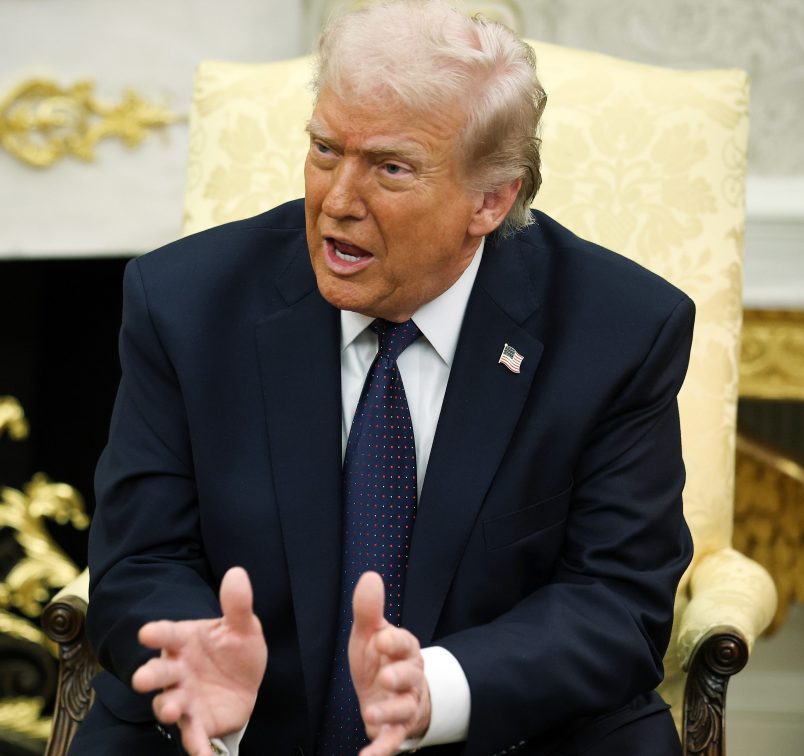
The conflict involving Iran in the Middle East has intensified over nearly two weeks, marked by a tragic U.S. military aircraft crash in Iraq, persistent Iranian drone and missile attacks on Gulf allies, and rising tensions fueled by President Trump’s aggressive rhetoric. These attacks have disrupted critical shipping routes like the Strait of Hormuz, prompting discussions of U.S. naval escorts to protect oil tankers amid soaring global energy prices. Meanwhile, Iran’s internal crackdown on protests and calls from international leaders for regime change highlight the multifaceted and volatile nature of the ongoing crisis.
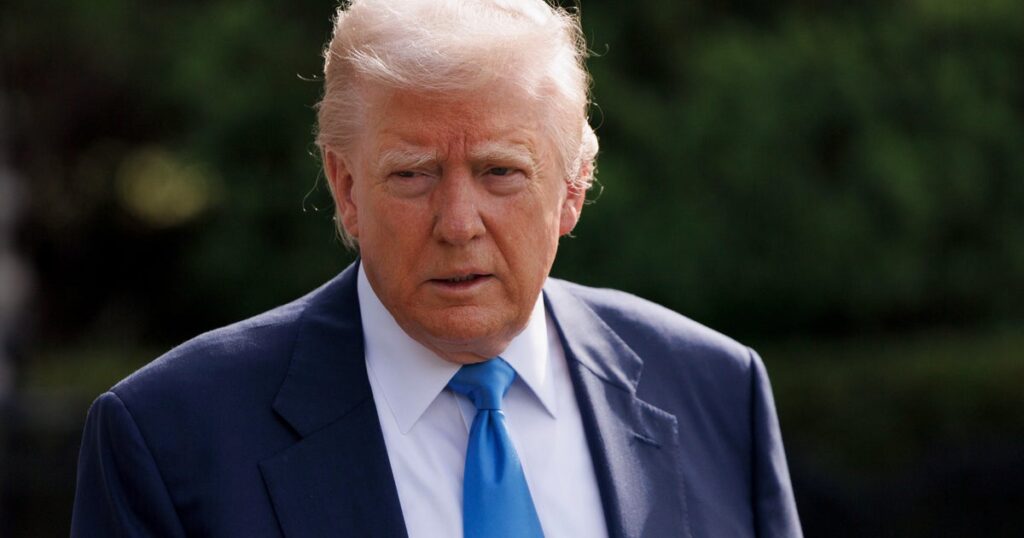
The Trump administration has announced plans to adjust tariff policies to alleviate financial burdens on U.S. automakers, aiming to support domestic manufacturing while maintaining trade policy objectives. Automakers manufacturing domestically will benefit from tariff relief, including reimbursement for tariffs paid on foreign-made auto parts. Despite these adjustments, uncertainty remains for some manufacturers, such as General Motors, which is reassessing its earnings projections due to the ongoing impact of tariffs.
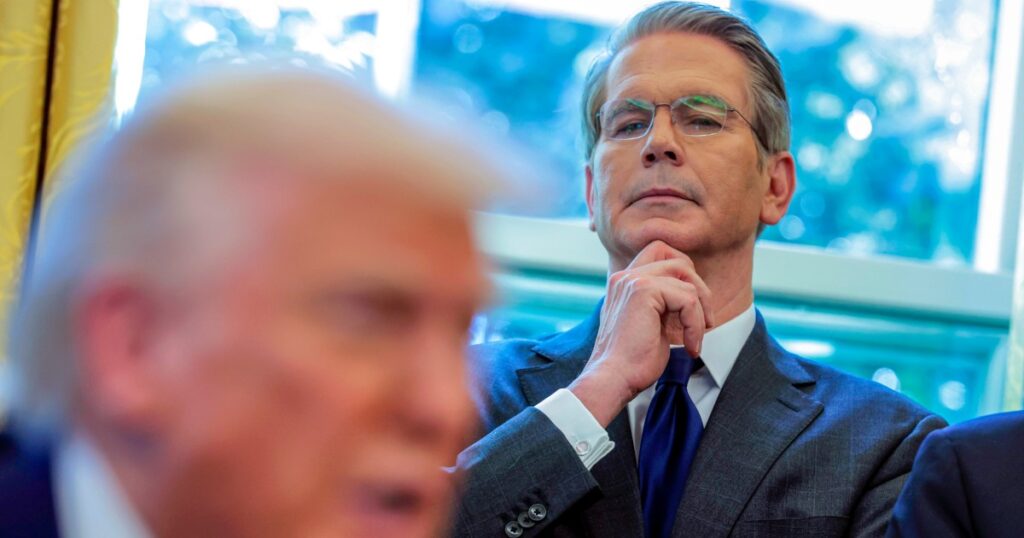
In a recent address at the Institute of International Finance, Treasury Secretary Scott Bessent emphasized the Trump administration's focus on rebalancing the U.S. economy towards manufacturing, highlighting that over 100 countries have approached the U.S. to address trade imbalances. He urged China to shift away from its export-led growth model, describing it as "unsustainable," and expressed the need for economic rebalancing between the two nations, aligning with the administration's goal of enhancing U.S. manufacturing. Amidst ongoing trade tensions, Bessent suggested the potential for a significant trade agreement with China, though he did not indicate any immediate changes to the administration's assertive trade policies.
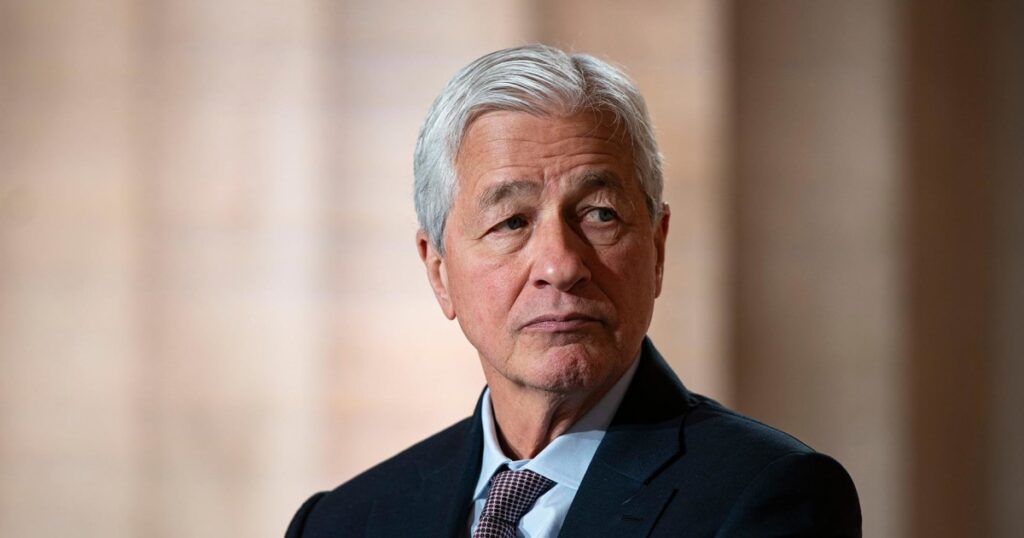
Following the announcement that certain electronics would be exempt from tariffs on Chinese imports, technology stocks experienced a notable rally, benefiting companies like Apple and Nvidia. This exemption alleviated concerns about potential price increases for products manufactured in China, highlighting the sensitivity of tech stocks to trade policy developments. Despite the positive market response, a survey revealed that 62% of U.S. CEOs anticipate an economic downturn within six months, reflecting growing concerns about economic stability amid fluctuating trade policies.
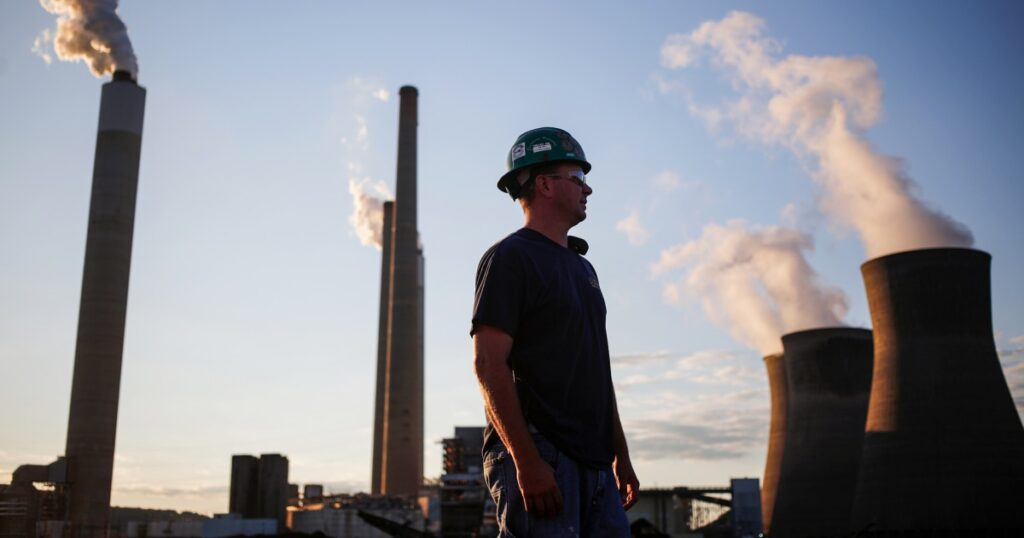
President Donald Trump signed a series of executive orders aimed at revitalizing the U.S. coal industry by relaxing restrictions on coal mining, leasing, and exports, with the goal of meeting the energy demands of AI data centers. The administration emphasized its commitment to supporting the coal industry, highlighting the importance of coal-related jobs, despite international efforts to reduce reliance on coal due to its significant contribution to greenhouse gas emissions. Additionally, Trump mentioned exploring legal avenues to prevent the closure of coal plants, aligning with his broader strategy to support the coal industry and its workforce.
VP JD Vance’s Opposition to Trump’s Yemen Strike Sparks GOP Division and Fuels Foreign Policy Debate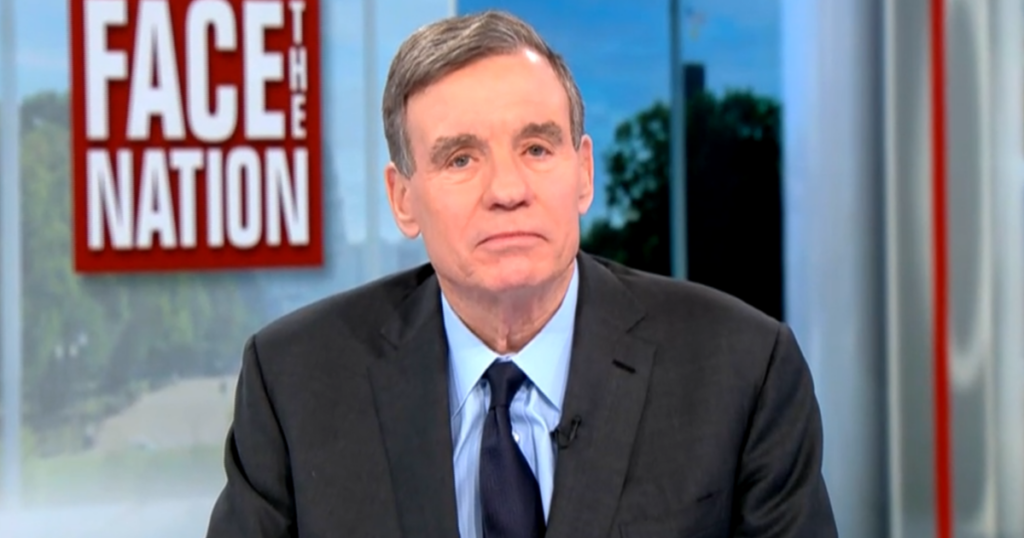
VP JD Vance’s Opposition to Trump’s Yemen Strike Sparks GOP Division and Fuels Foreign Policy Debate
Vice President JD Vance's opposition to President Donald Trump's military strike against Houthi forces in Yemen has caused significant division within the administration and the Republican Party, as revealed through a leaked Signal chat. This disagreement highlights the broader debate over the U.S.'s aggressive military strategy and its foreign policy priorities, with some lawmakers accusing Vance of trying to obstruct the President's directive. Senator Mark Warner discussed the potential implications of this strategy on "Face the Nation," noting the strategic importance of reopening Red Sea trade routes, which adds another layer to the ongoing discourse on America's international role and national interests.