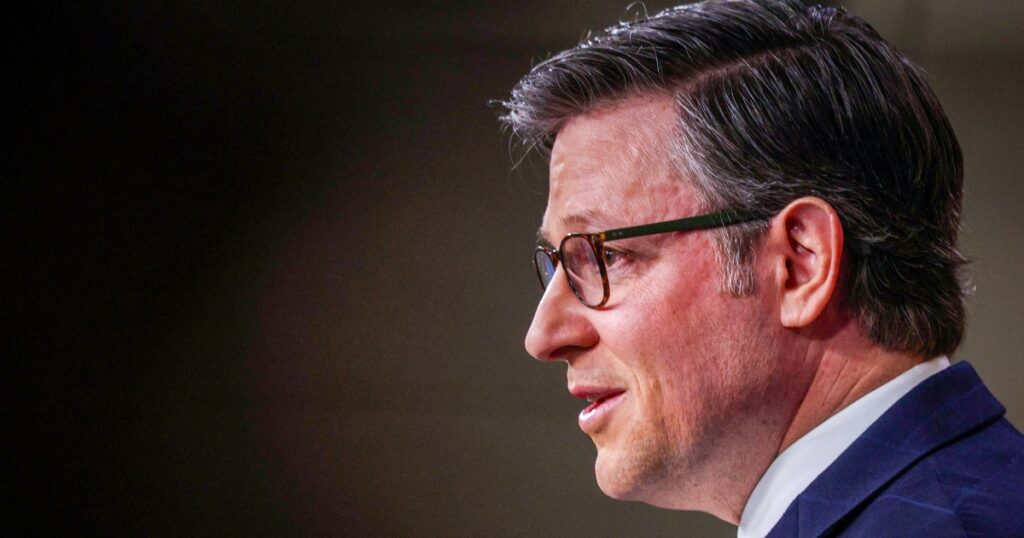
Speaker of the House Mike Johnson has suggested that Congress might consider eliminating certain federal courts, a proposal that has stirred significant reactions, particularly among House Democrats concerned about judicial independence. This suggestion aligns with efforts by Trump and his allies to challenge judicial decisions that have blocked the administration's policies, including calls for the impeachment of judges like U.S. District Judge James Boasberg. Critics argue that dissolving courts over disagreements with rulings threatens the balance of power and the judiciary's role in checking executive actions, raising concerns about the implications for the judicial system's independence.
Posts tagged as “Louisiana”

Tesla's stock surged by 9.5% following a letter to former trade representative Jamieson Greer, highlighting concerns over potential retaliatory tariffs linked to Trump administration policies. The stock market rally was further fueled by reports that President Trump decided against imposing broad tariffs on key industrial sectors, boosting investor confidence. Meanwhile, Hyundai announced a $5.8 billion investment in a new steel plant in Louisiana, creating 1,300 jobs, as part of a broader trend of companies like Apple and Oracle planning significant U.S. investments to align with the administration's domestic manufacturing goals.
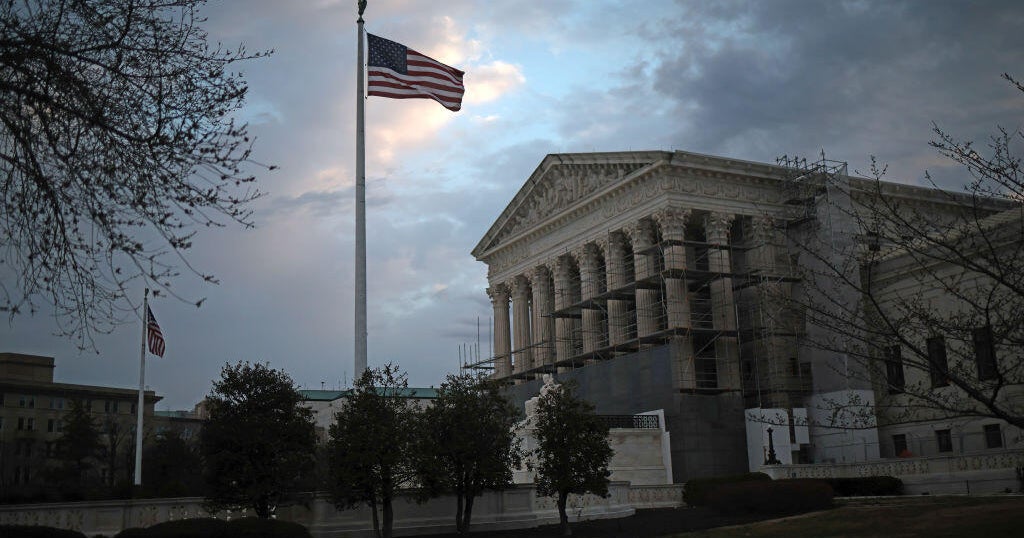
The United States Supreme Court is set to deliberate on a pivotal case regarding Louisiana's congressional map, which now includes two majority-Black districts for the first time in decades, following legal challenges after the 2020 census. This case has created an unusual alliance between civil rights organizations and Republican officials, highlighting the complex intersection of race and politics in district mapping. The Supreme Court's decision could have far-reaching implications for future redistricting efforts and the broader national debate on racial considerations in electoral representation.
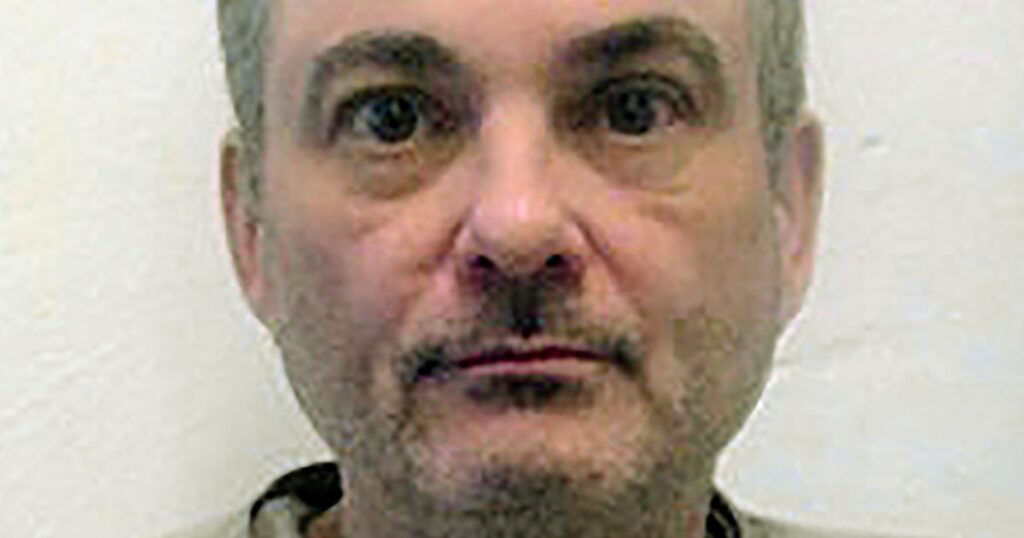
Oklahoma executed Wendell Grissom by lethal injection for the 2005 murder of Amber Matthews, marking the state's first execution of 2025. This execution is part of a series of capital punishments across the United States this week, with Louisiana resuming executions using nitrogen gas and Arizona executing a man by lethal injection. The ongoing use of capital punishment remains a contentious issue, as some states resume executions while others reconsider their stance on the death penalty.
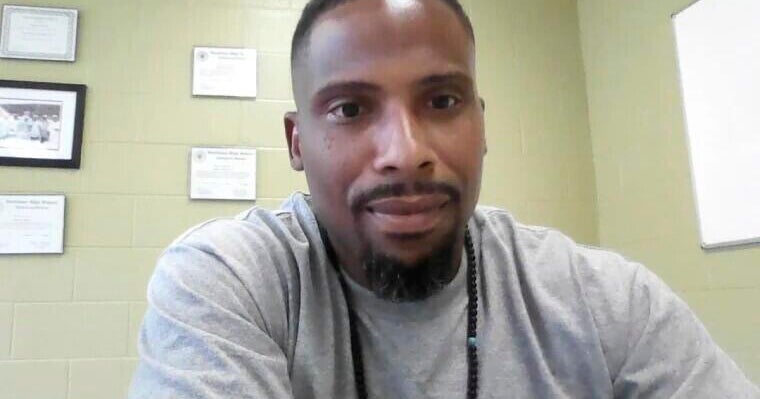
Louisiana is set to conduct its first execution since 2010 using nitrogen gas, marking it as the second state in the U.S. to adopt this method, following Alabama. Jessie Hoffman Jr., convicted of a 1996 murder, is scheduled for execution at the Louisiana State Penitentiary, despite his attorneys' efforts to halt it on religious grounds. The event has sparked debate over the use of nitrogen gas for capital punishment, with potential implications for future policies in other states.
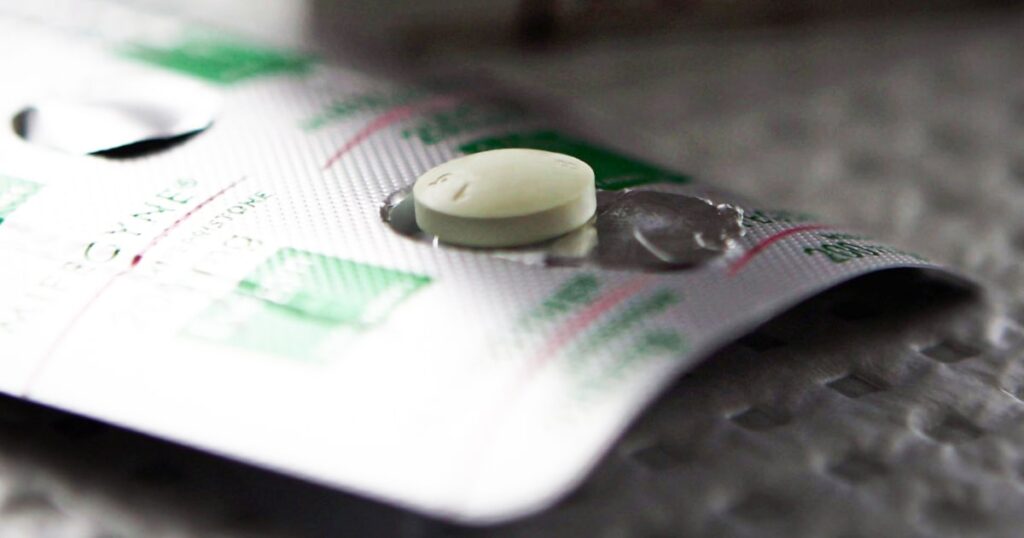
A legal case involving a Louisiana woman charged with a felony for allegedly obtaining abortion pills from a New York doctor for her teenage daughter highlights the clash between Louisiana's strict abortion laws and New York's protective measures for reproductive health services. This case underscores the complexities arising from differing state laws on abortion, as Louisiana enforces one of the strictest abortion bans in the U.S., while New York has laws designed to protect reproductive health services. The outcome of this case could set a precedent for addressing legal conflicts between states with opposing abortion laws and significantly impact the national conversation on reproductive rights and state sovereignty.
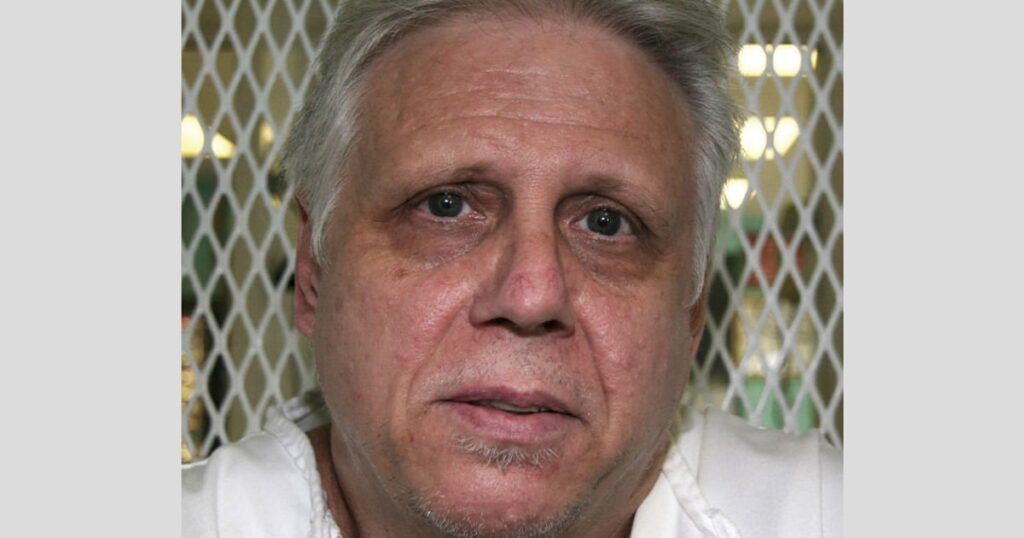
A Texas appeals court has halted the execution of David Leonard Wood, who has been on death row for over 30 years for the murders of six girls and young women, due to ongoing questions about his intellectual disability and eligibility for execution. This decision coincides with a federal judge in Louisiana stopping the state's first planned execution using nitrogen gas, highlighting a national trend of legal challenges and delays in capital punishment cases. Wood's case, particularly concerning individuals with intellectual disabilities, underscores the complexities of death penalty debates and may influence how states address evolving standards of justice and human rights.
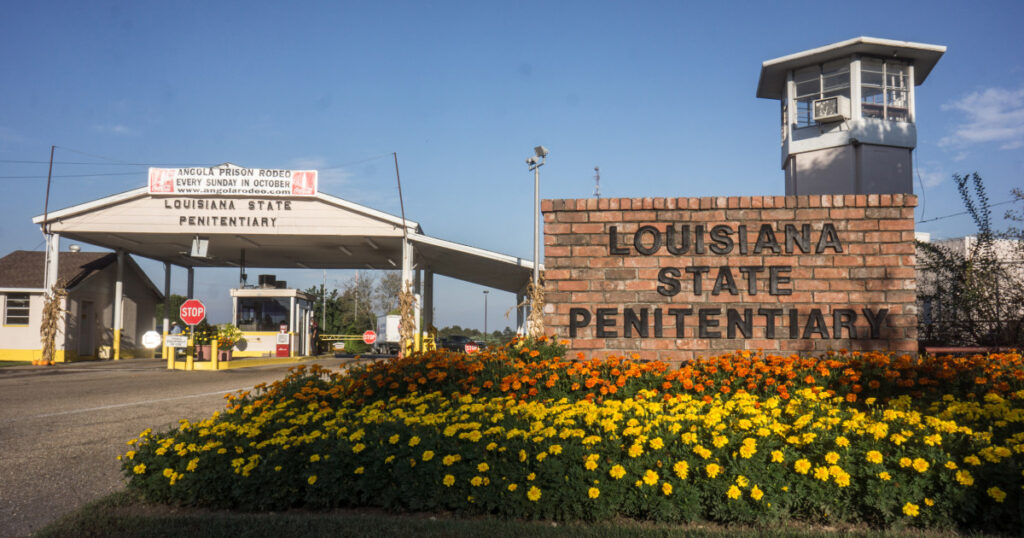
A federal judge has temporarily blocked Louisiana's first execution in 15 years, which was to use nitrogen hypoxia, after inmate Jessie Hoffman Jr. argued it would violate his constitutional rights and interfere with his Buddhist breathing practices. U.S. District Court Judge Shelly Dick issued a preliminary injunction, emphasizing the need to determine if this method constitutes cruel and unusual punishment under the Eighth Amendment. The case highlights the ongoing debate over execution methods and underscores the complexities of balancing state interests with the constitutional rights of death row inmates.