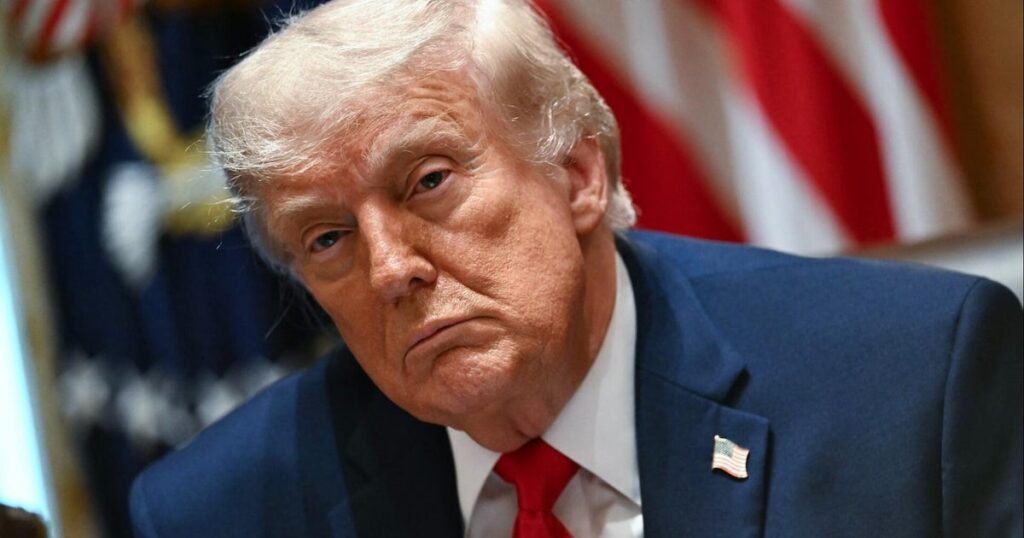
The U.S. military conducted defensive strikes on an Iranian military site near Bandar Abbas, shooting down four drones and targeting a control station amid fragile ceasefire talks. President Trump emphasized keeping the Strait of Hormuz open while rejecting Iranian claims of a preliminary deal.
Posts tagged as “Iranian Revolutionary Guard Corp”
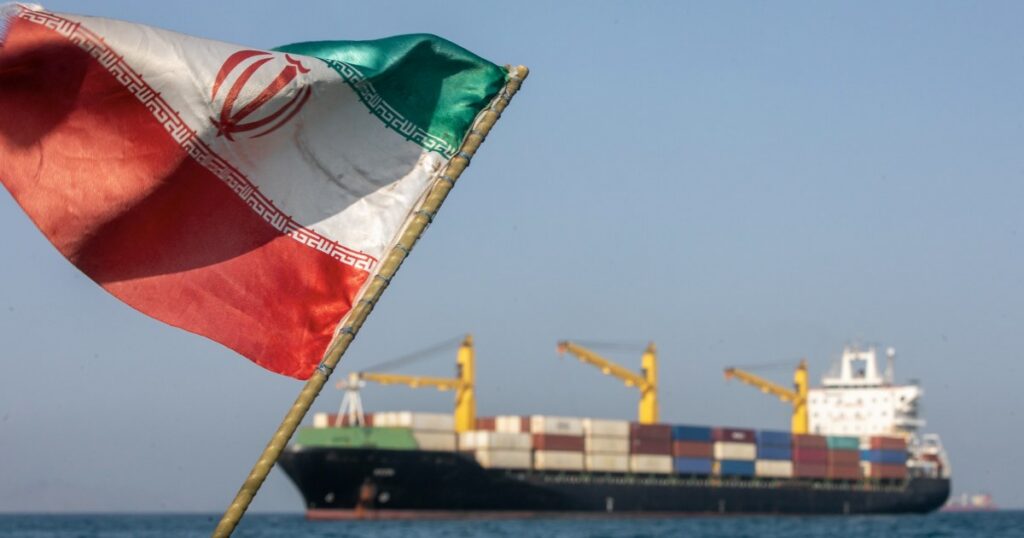
The U.S. conducted self-defense strikes near the Strait of Hormuz targeting Iranian missile sites and boats amid ongoing peace talks. Despite the strikes, Secretary of State Marco Rubio says a deal with Iran remains possible within days.
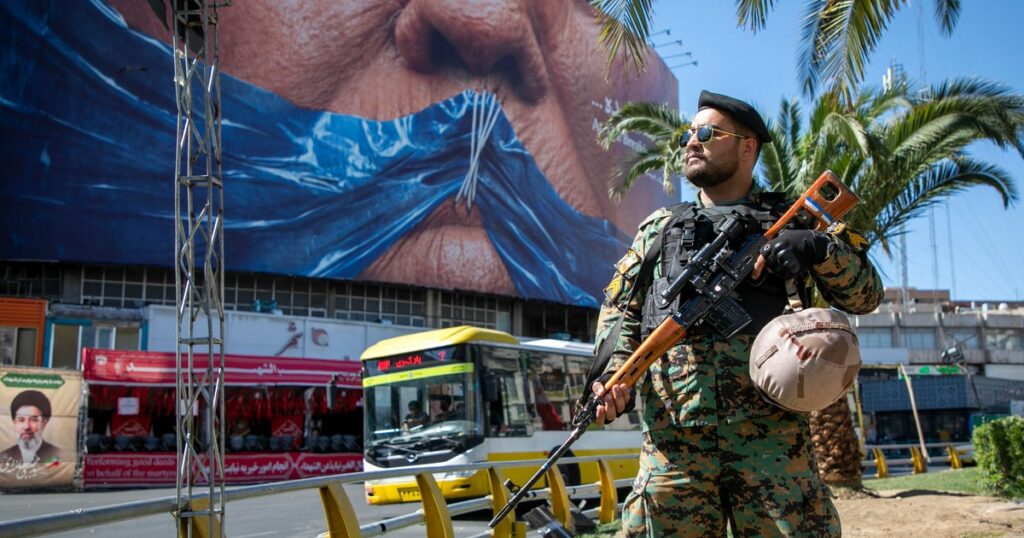
President Trump rejects Iran's response to a U.S. peace proposal as talks stall amid ongoing tensions in the Persian Gulf. Despite ceasefire efforts, hostilities continue with threats and drone attacks, while diplomatic negotiations and economic pressures persist.
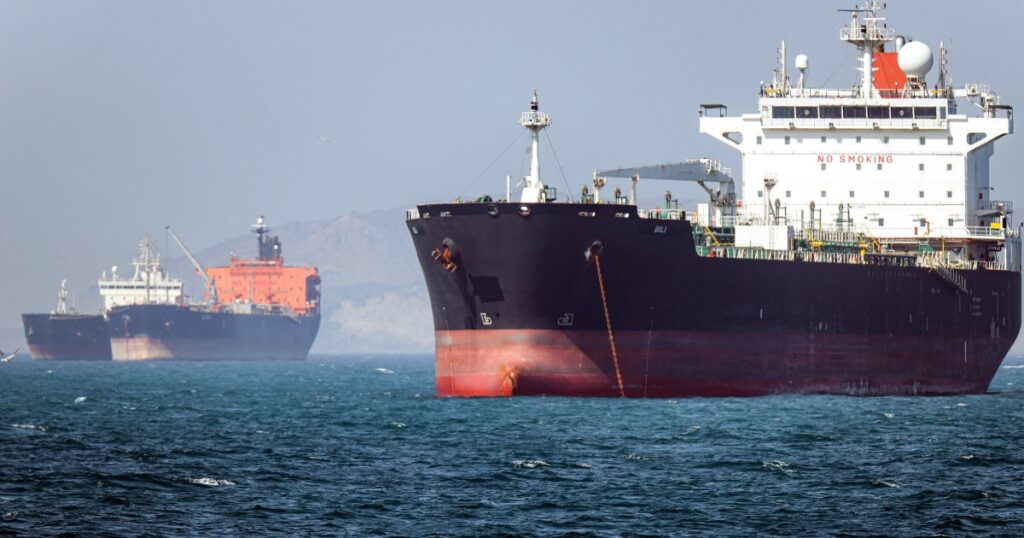
The U.S. pauses Project Freedom in the Strait of Hormuz amid ongoing Iranian missile and drone attacks on Gulf vessels. Despite renewed violence, officials say the ceasefire holds as diplomatic talks advance.
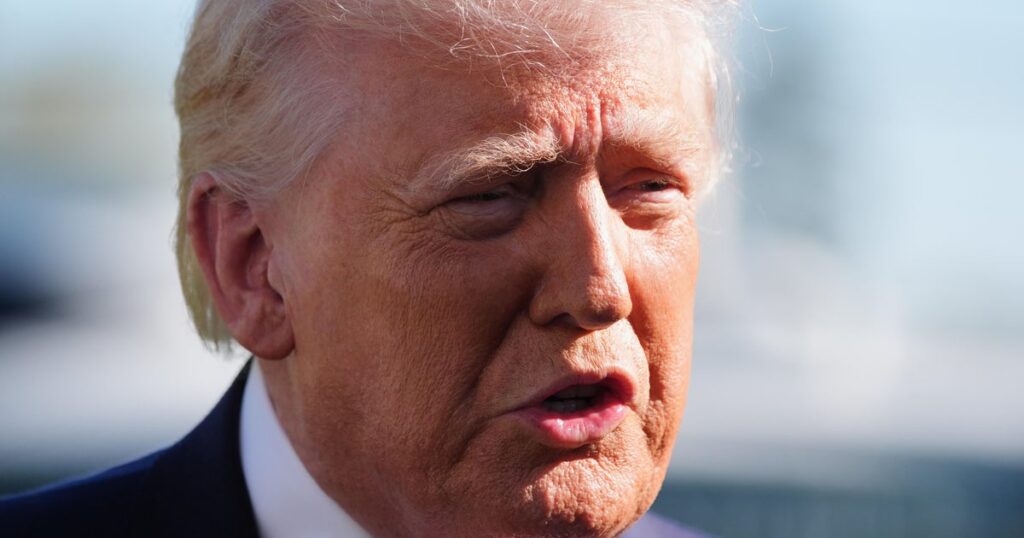
The U.S. will begin blockading ships entering and exiting Iranian ports in the Strait of Hormuz on Monday, escalating tensions after failed peace talks with Iran. The move has sent oil prices soaring and drawn mixed responses from international allies.
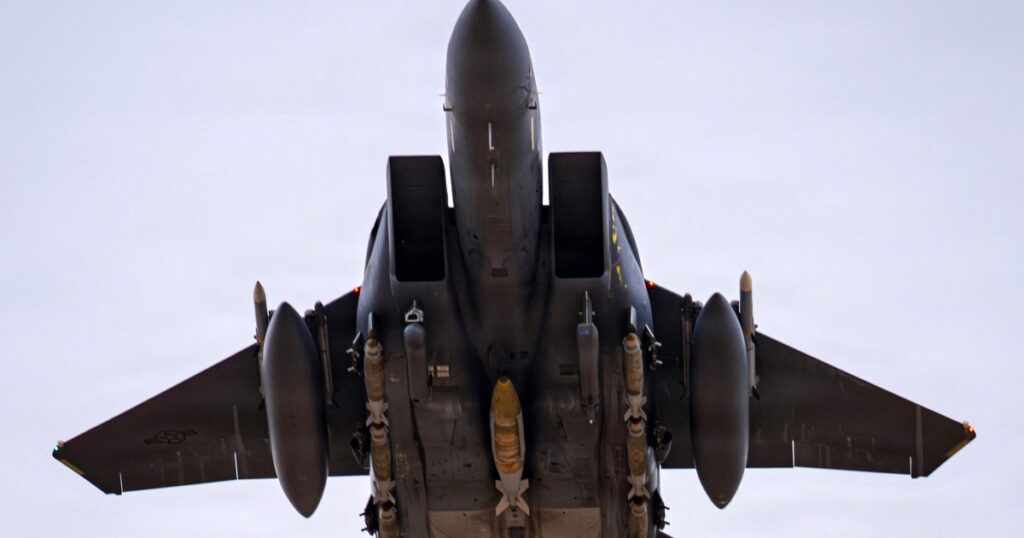
U.S. forces rescued the second crew member of an F-15E fighter jet shot down over Iran, completing a complex operation involving special forces and CIA deception. The injured airman was flown to Kuwait for treatment, with no U.S. casualties reported.
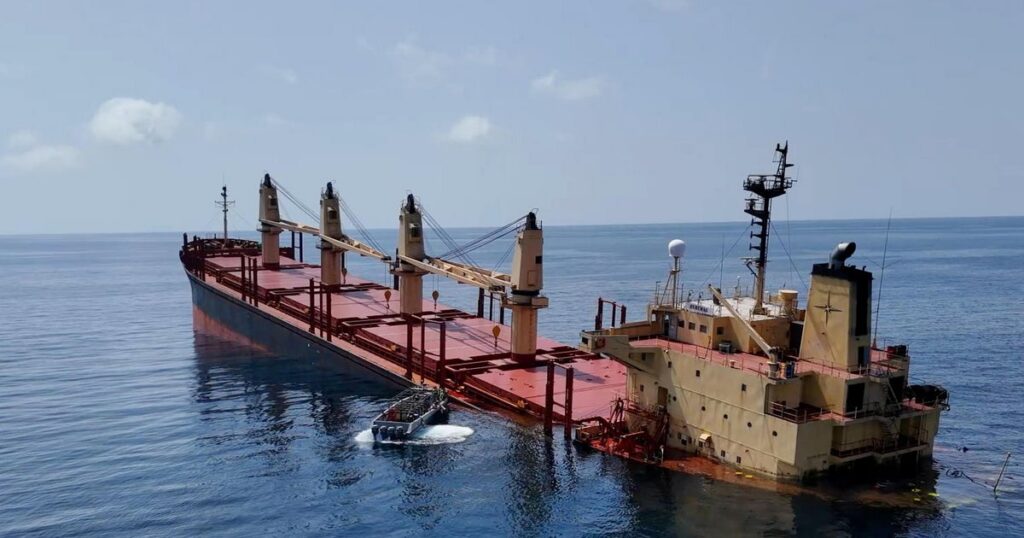
Iran’s Revolutionary Guard Corps has declared the Strait of Hormuz closed to unauthorized ships, significantly disrupting a key maritime route that handles about 20% of the world’s crude oil and causing Brent crude prices to surge above $110 per barrel. Iran has enforced this closure by turning back vessels, imposing hefty fees near Larak Island, and is considering formal legislation for these charges, while also hinting at threats to the Bab el-Mandeb Strait, another critical shipping lane. The closure and ongoing conflict have stranded around 20,000 seafarers in the region, led to casualties, and prompted calls from the UAE for a multinational force to secure the strait and stabilize global energy markets.
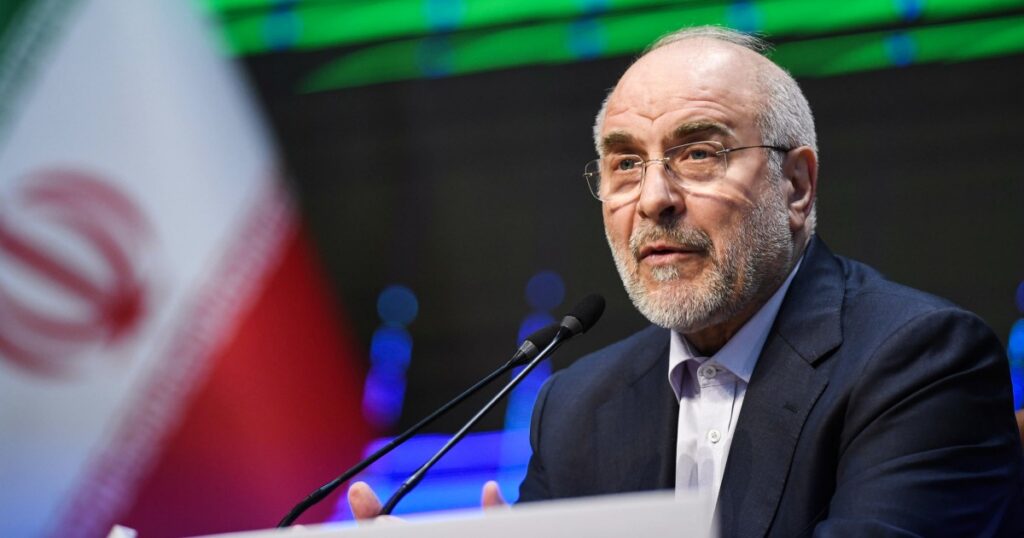
Tensions in the Strait of Hormuz remain high as Iran rejects U.S. claims of progress in negotiations and continues to enforce a blockade, turning back commercial ships and imposing hefty transit fees that violate international law. The situation has drawn condemnation from Gulf neighbors and global markets have reacted negatively, with rising oil prices and falling stock markets amid uncertainty. Internally, Iran’s leadership has shifted toward a hard-line, military-dominated faction led by figures like Mohammad Bagher Ghalibaf and Ahmad Vahidi, signaling a tough stance in any potential talks with the U.S.