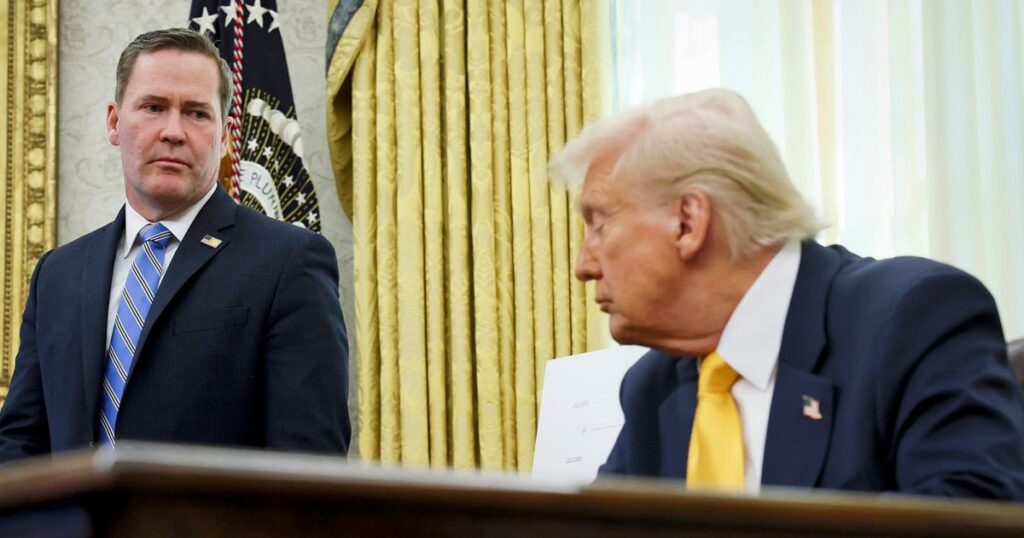
President Donald Trump has voiced his support for National Security Adviser Mike Waltz after an incident where The Atlantic's editor-in-chief was accidentally included in a private Signal chat discussing military plans against Houthi positions in Yemen. This breach, which exposed highly classified military strategies, has raised concerns about the security of communications within the Trump administration. A congressional hearing is scheduled to investigate the incident, with testimony expected from several high-ranking intelligence and defense officials to understand the breach's implications for national security.
Posts tagged as “Houthi”
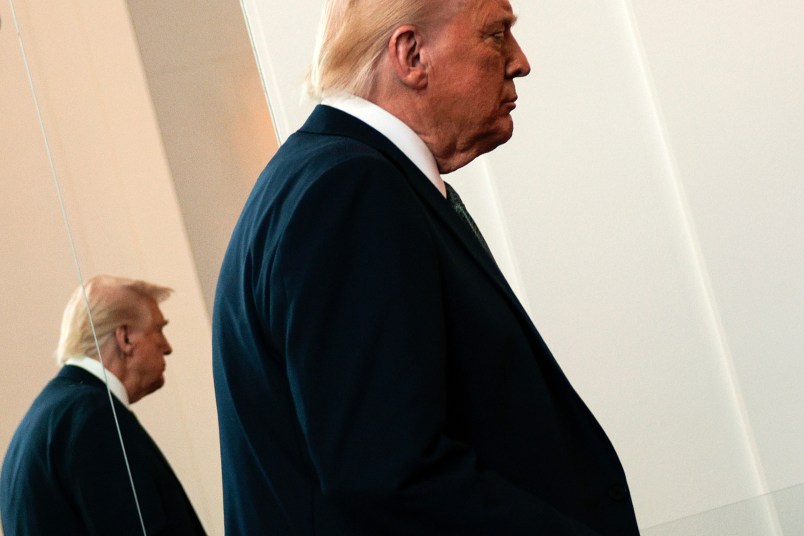
The Trump administration has taken significant actions against major law firms, such as Perkins Coie, Paul, Weiss, and Covington & Burling, by revoking their attorneys' security clearances and restricting their participation in federal matters. This move, part of a broader directive, has sparked criticism for potentially limiting legal challenges to the administration's policies and raising concerns about its impact on the legal community and justice system. Additionally, an accidental inclusion of a journalist in a sensitive discussion about U.S. military plans has further scrutinized the administration's handling of sensitive information, reflecting ongoing tensions in the political landscape.
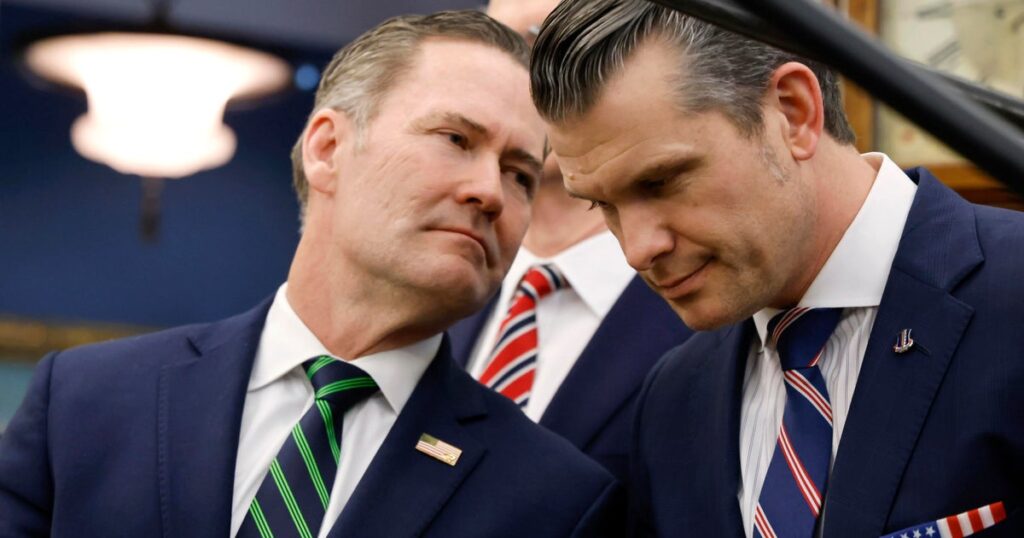
The White House is investigating an incident where Jeffrey Goldberg, editor-in-chief of The Atlantic, was mistakenly added to a group chat involving members of President Donald Trump’s administration discussing potential airstrikes in Yemen. The National Security Council confirmed the authenticity of the message thread and is reviewing how the error occurred, raising concerns about communication security within the administration. This incident highlights vulnerabilities in using encrypted messaging apps for official communications and underscores the need for secure channels in national security matters.
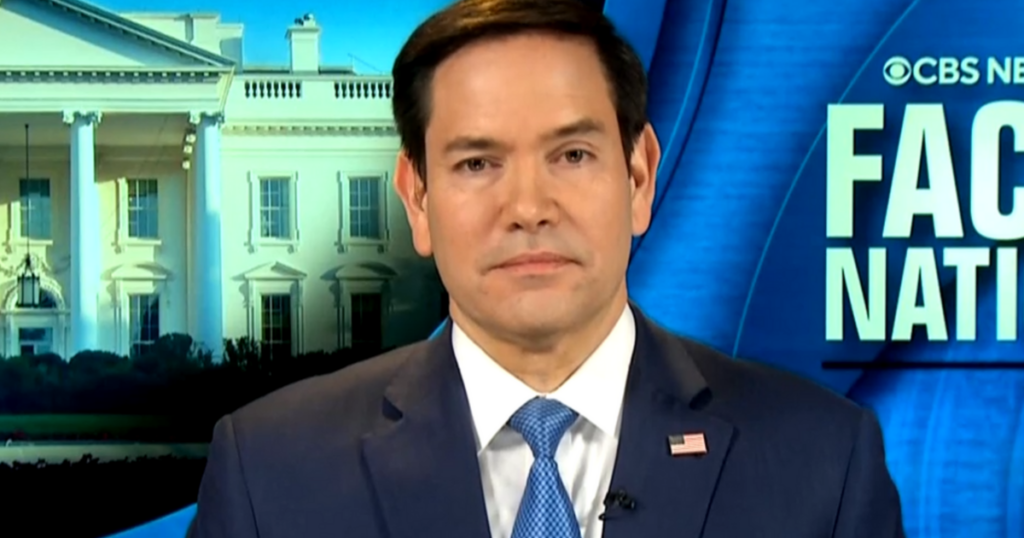
In a recent interview, National Security Adviser Mike Waltz highlighted the U.S. administration's stance that "all options are always on the table" regarding military action against Iran, emphasizing Iran's support for militant groups like the Houthis, Hezbollah, and Hamas. The strategic importance of the Red Sea as a vital shipping route was underscored, with concerns over security due to threats from Iran-backed groups. Secretary of State Marco Rubio and President Donald Trump both reiterated the U.S. commitment to countering Iranian influence and ensuring the safety of global shipping lanes, reflecting a broader strategy to address regional tensions and protect international trade.
U.S. Airstrikes Target Houthi Rebels in Yemen, Escalating Tensions and Prompting Retaliation Threats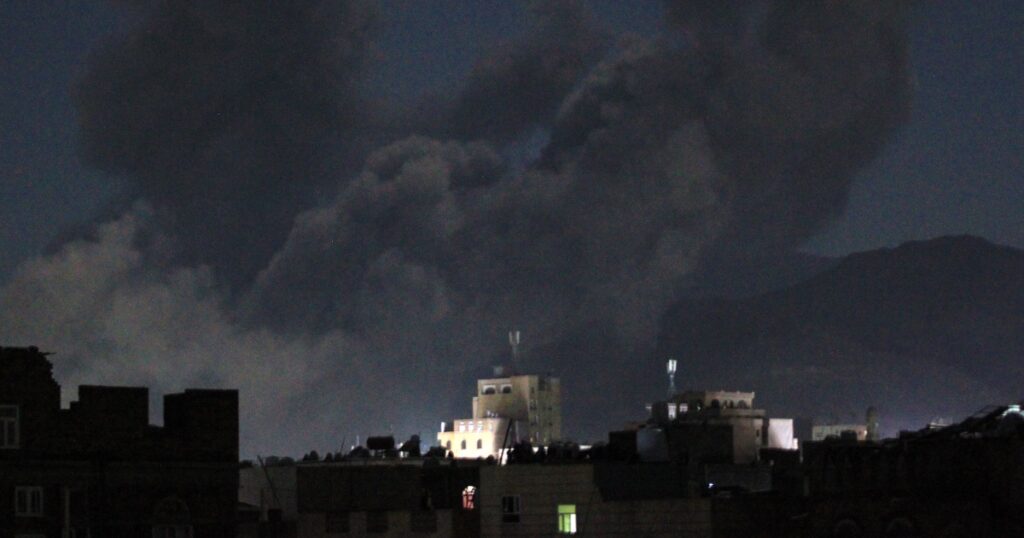
U.S. Airstrikes Target Houthi Rebels in Yemen, Escalating Tensions and Prompting Retaliation Threats
Explosions were reported in the Yemeni cities of Sanaa and Saada following U.S. airstrikes ordered by President Donald Trump, targeting Iran-backed Houthi rebels to curb their capacity to attack global shipping and U.S. interests. The airstrikes resulted in at least 31 fatalities and 101 injuries, prompting vows of retaliation from the Houthis, who have been launching missiles and drones in response to the ongoing conflict in Gaza. U.S. Secretary of State Marco Rubio emphasized the global interest in these strikes, highlighting their role in maintaining secure maritime passages, while the situation in Yemen adds complexity to regional geopolitical dynamics and is being closely monitored by the international community.
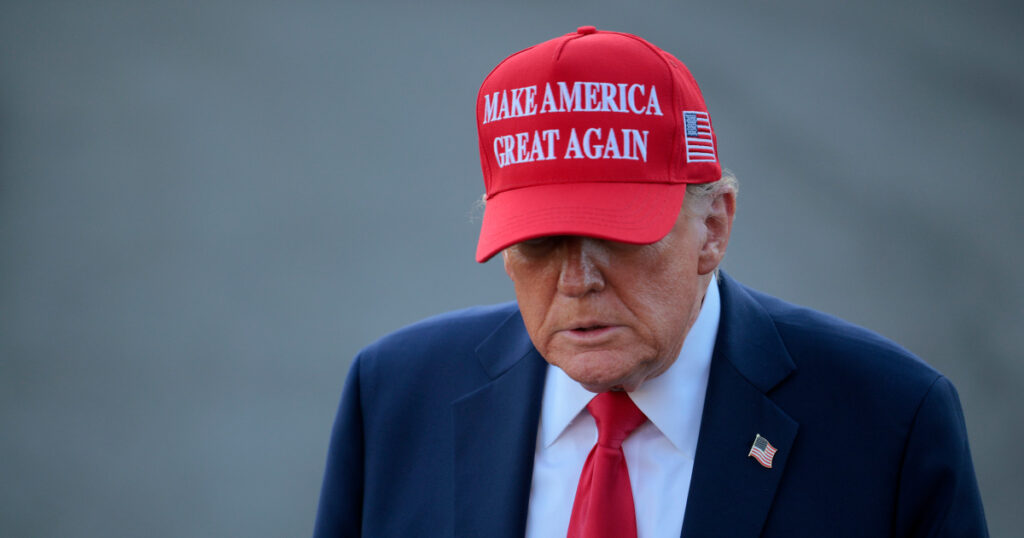
President Donald Trump announced a series of airstrikes on Yemen's capital, Sanaa, targeting Iranian-backed Houthi rebels to protect American and allied shipping interests. The military action is part of a broader strategy to ensure navigational freedom and safeguard U.S. commercial, air, and naval assets, with Trump emphasizing the use of "overwhelming lethal force." Additionally, Trump issued a warning to Iran to cease its support for the rebels, holding it accountable for their actions, amid ongoing tensions and significant economic implications for the U.S. and global economy.
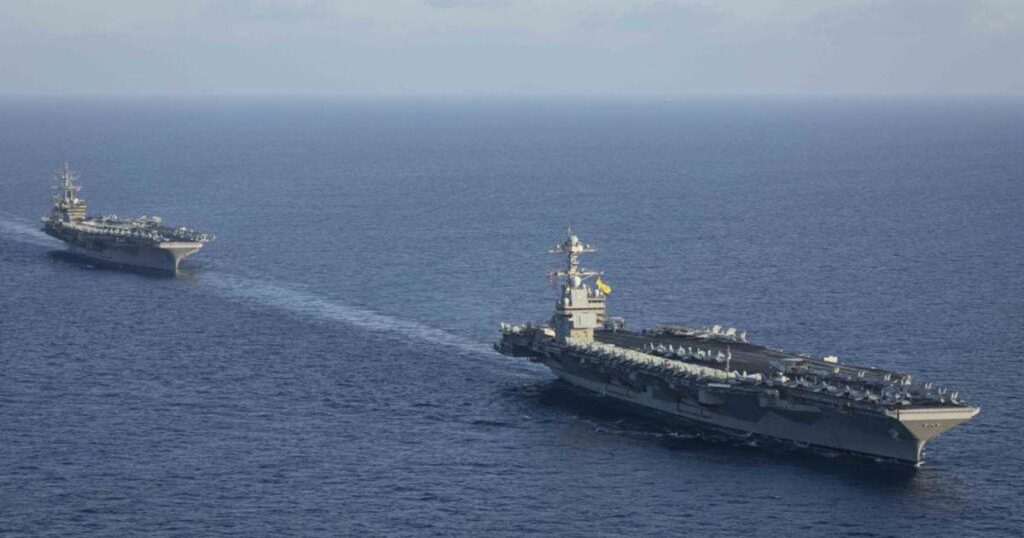
The U.S. Navy has been working to protect commercial vessels in the Red Sea from Houthi attacks since 2019. The USS Gerald R. Ford aircraft carrier strike group was deployed to the eastern Mediterranean Sea in October to provide protection for Israel, and is now returning home, leaving behind three ships and 2,000 Marines to continue providing regional deterrence and defense. The Navy has also been providing training and assistance to local navies to help them better protect their waters from Houthi attacks.
Ikea has warned of possible product shortages due to the mass diversion of shipping containers from the Red Sea over safety concerns caused by Houthi militants from Yemen. At least $80 billion worth of cargo has been diverted from the waterway which provides access to the Suez Canal, and Ikea is evaluating other options to secure the availability of products. The full impact of the Houthi threat remains to be seen.