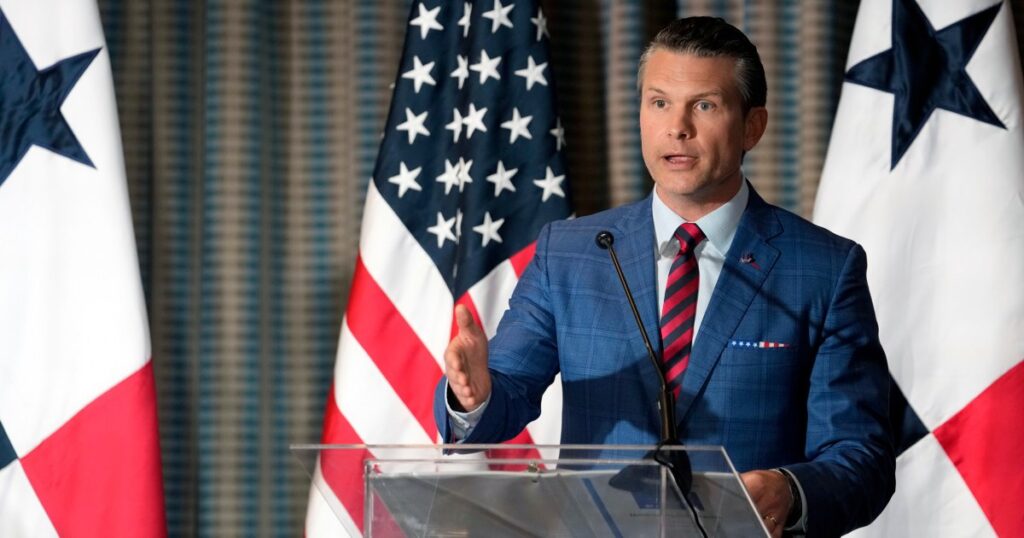
Defense Secretary Pete Hegseth reportedly shared sensitive U.S. military information regarding operations in Yemen through a private Signal group chat, which included his wife, brother, and personal attorney. The incident has raised concerns about the handling of sensitive information by senior officials, especially since Hegseth used his personal phone despite warnings about unsecured communication channels. The inclusion of non-official individuals in the chat has further intensified scrutiny and sparked discussions on the protocols for safeguarding national security information.
Posts tagged as “Heartland Signal”
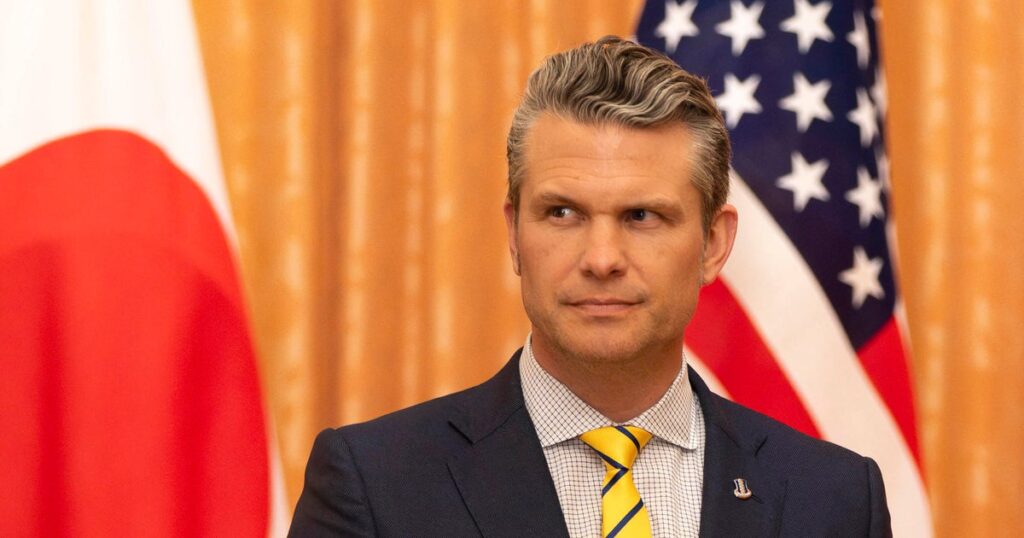
The Pentagon's Office of the Inspector General has launched an investigation into the use of a commercial messaging app by the Secretary of Defense and other personnel to ensure compliance with Department of Defense policies for official communications. This probe was prompted by a report revealing that high-profile officials, including Defense Secretary Pete Hegseth, were allegedly discussing sensitive military operations on Signal, raising concerns about security breaches. The investigation highlights the critical need for adherence to cybersecurity protocols in government communications and may influence future policies on using commercial messaging platforms for official purposes.
VP JD Vance’s Opposition to Trump’s Yemen Strike Sparks GOP Division and Fuels Foreign Policy Debate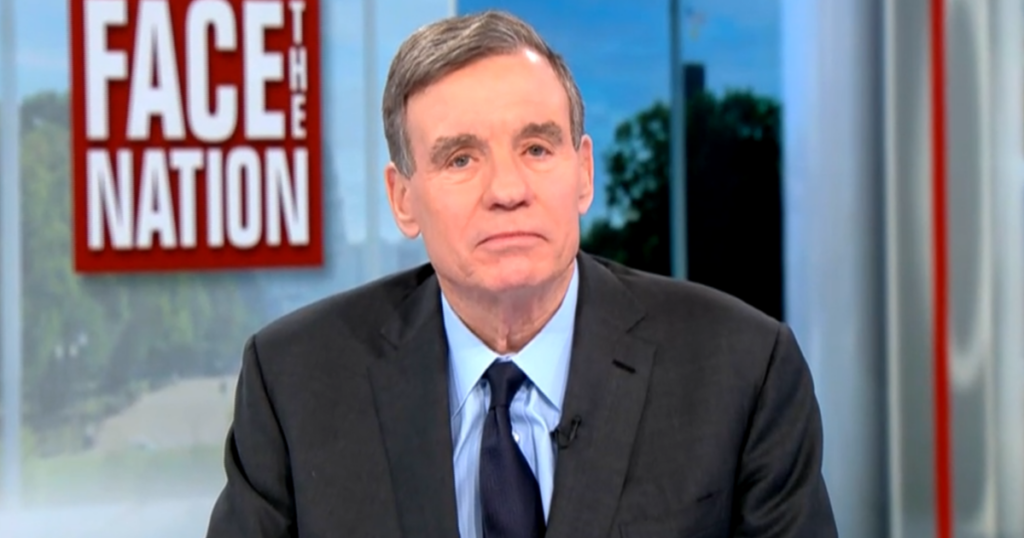
VP JD Vance’s Opposition to Trump’s Yemen Strike Sparks GOP Division and Fuels Foreign Policy Debate
Vice President JD Vance's opposition to President Donald Trump's military strike against Houthi forces in Yemen has caused significant division within the administration and the Republican Party, as revealed through a leaked Signal chat. This disagreement highlights the broader debate over the U.S.'s aggressive military strategy and its foreign policy priorities, with some lawmakers accusing Vance of trying to obstruct the President's directive. Senator Mark Warner discussed the potential implications of this strategy on "Face the Nation," noting the strategic importance of reopening Red Sea trade routes, which adds another layer to the ongoing discourse on America's international role and national interests.
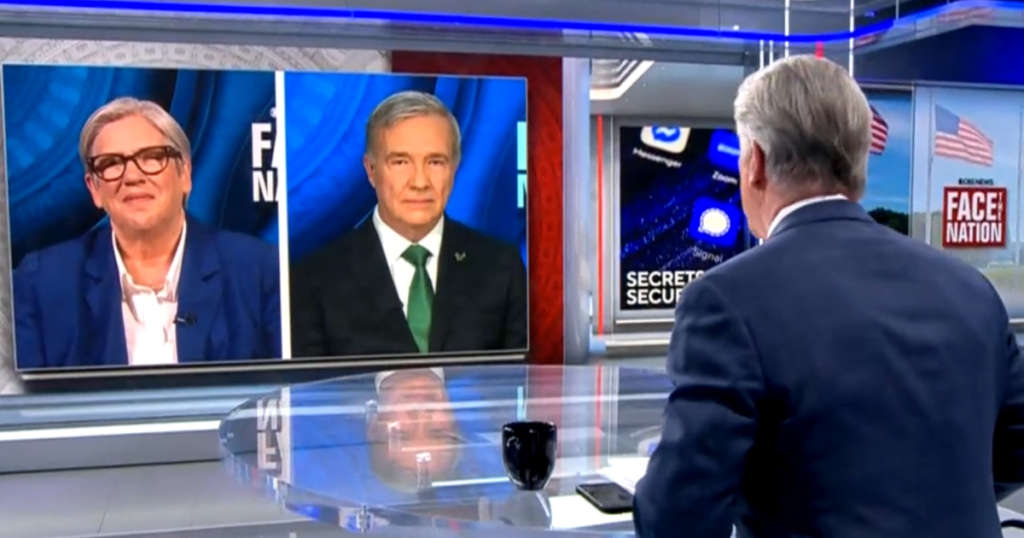
A CBS News poll reveals that 76% of Americans find the use of the messaging app Signal by administration officials to discuss military plans inappropriate, with this view shared by a majority of independents and Republicans. The controversy is intensified by Vice President JD Vance's concerns over President Trump's decision to strike the Houthis in Yemen, which were expressed in a public Signal chat, causing discontent among senior Republican lawmakers. This situation highlights a broader debate about the appropriateness and security of using non-traditional communication methods for sensitive military discussions, reflecting public concern over transparency and the administration's foreign policy strategy.
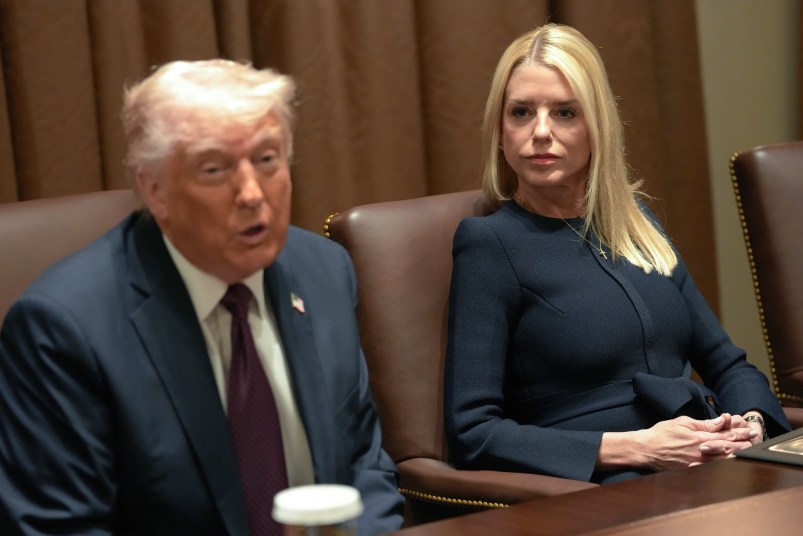
Attorney General Pam Bondi has publicly addressed a significant breach involving a Signal group chat at the highest levels of the U.S. government, ruling out an investigation and instead defending the Trump administration while criticizing its detractors. This decision has sparked debate over whether Bondi's stance serves as a protective measure for the administration or a strategic focus on other priorities, with the controversy becoming a key point in discussions about the Trump administration's national security handling. Concurrently, President Trump withdrew Elise Stefanik's nomination for U.N. ambassador, fueling speculation about the administration's internal dynamics and approach to appointments, all within a rapidly evolving political landscape.
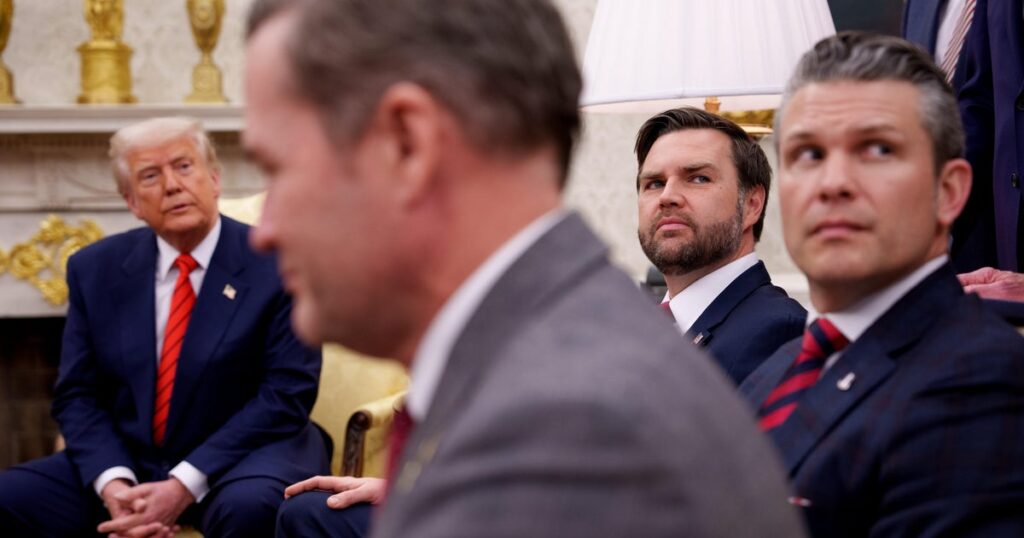
President Donald Trump has expressed frustration with national security adviser Michael Waltz over the use of the Signal app for discussing sensitive military operations, which inadvertently included journalist Jeffrey Goldberg in a group chat. The incident has raised security concerns, but Trump's irritation is reportedly more about Waltz having Goldberg's contact information than the app's use. Additionally, Trump's discussions with Waltz about withdrawing Rep. Elise Stefanik’s nomination as U.S. ambassador to the UN have added to his frustration, though both Waltz and Defense Secretary Pete Hegseth remain in their positions.
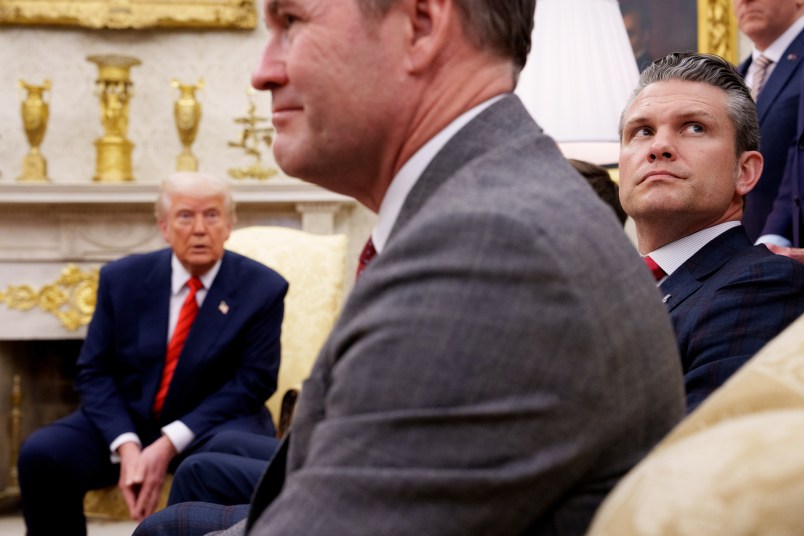
A special election is set for April 1 to fill the House seat vacated by Mike Waltz, who resigned to address other responsibilities amid controversy over a group chat incident involving an Atlantic editor. This situation has led to scrutiny of Waltz's actions and discussions about his political future, despite former President Trump's public support. As candidates prepare for the election, voter demographics and perspectives, particularly those of Black men who supported Trump, are being analyzed to understand the political landscape and factors influencing voter decisions.
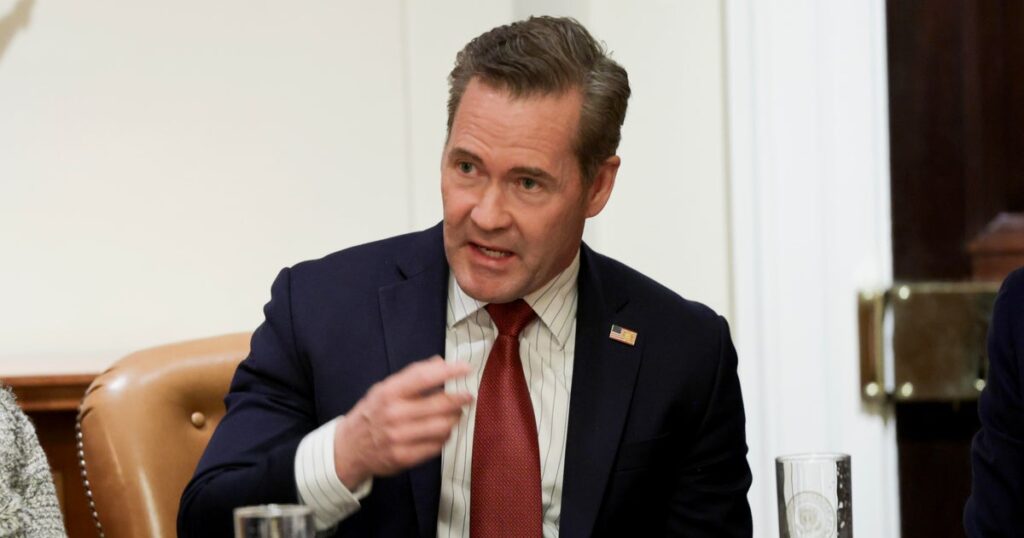
The Trump administration is dealing with the repercussions of a Signal chat incident that mistakenly included Jeffrey Goldberg, leading to controversy over discussions about military actions against Houthi rebels in Yemen. National security adviser Michael Waltz is at the center of the controversy, with some calling for his dismissal, while others defend the chat participants. The incident has raised concerns about digital communication security, prompting some officials to alter their Venmo accounts and drawing criticism from Democrats and former national security officials about the potential risks of exposing sensitive information.