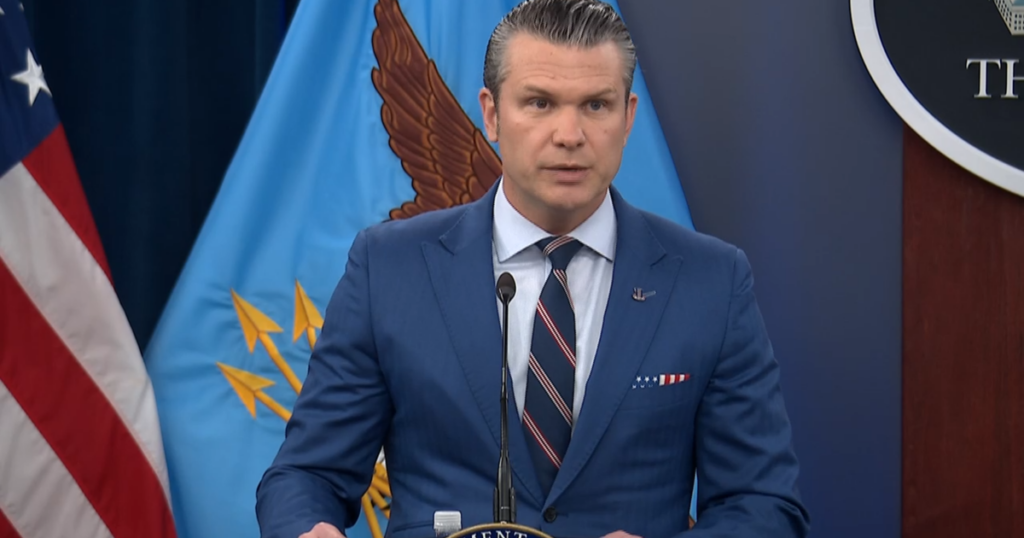
The Pentagon provided updates on the U.S.-Iran conflict, reporting a significant reduction in Iran’s missile capabilities and ongoing investigations into a recent U.S. tanker crash in Iraq. Despite extensive U.S. strikes on Iranian targets, Iranian attacks continue, impacting global oil prices and prompting temporary easing of sanctions on Russian oil to stabilize markets. Public opinion remains divided over the conflict, with mixed messaging from U.S. officials and Iran asserting its intent to control the Strait of Hormuz and sustain attacks in the region.
Posts tagged as “German-Iraqi”
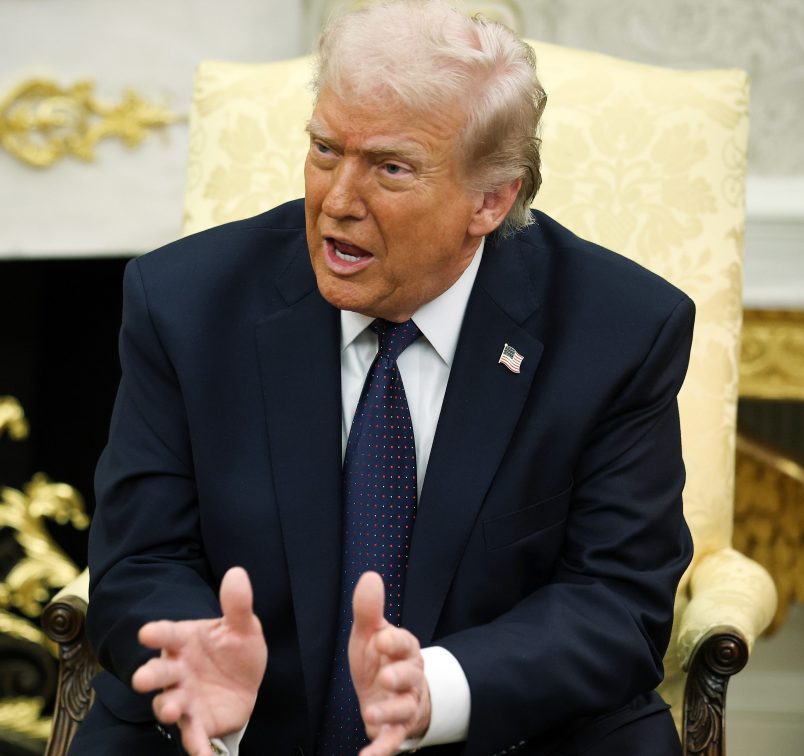
The conflict involving Iran in the Middle East has intensified over nearly two weeks, marked by a tragic U.S. military aircraft crash in Iraq, persistent Iranian drone and missile attacks on Gulf allies, and rising tensions fueled by President Trump’s aggressive rhetoric. These attacks have disrupted critical shipping routes like the Strait of Hormuz, prompting discussions of U.S. naval escorts to protect oil tankers amid soaring global energy prices. Meanwhile, Iran’s internal crackdown on protests and calls from international leaders for regime change highlight the multifaceted and volatile nature of the ongoing crisis.
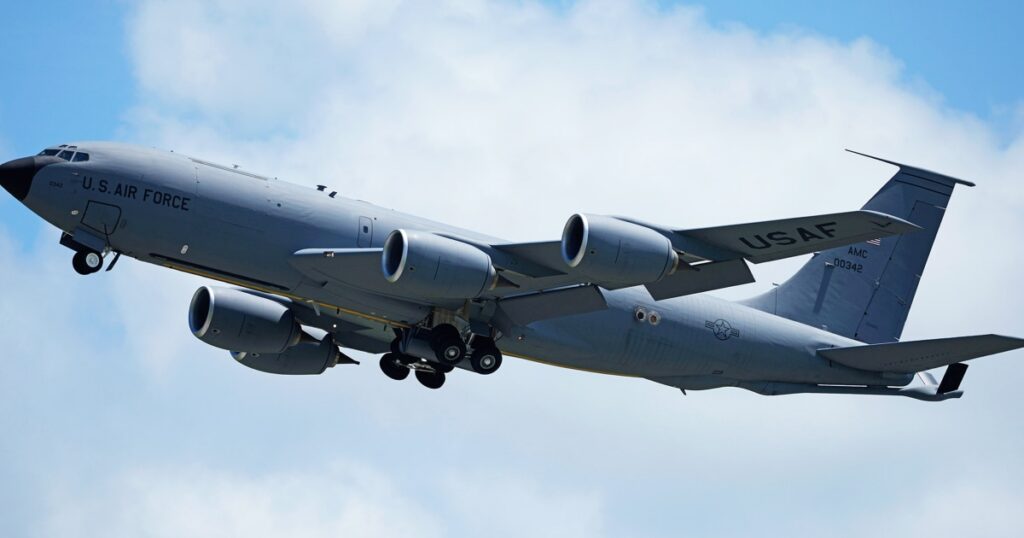
Four U.S. military personnel died when a KC-135 aerial refueling aircraft crashed near the Iraqi-Jordanian border during operations related to conflicts involving Iran, with two crew members still missing as rescue efforts continue. CENTCOM confirmed the crash was not due to hostile or friendly fire and noted a second KC-135 involved in the same operation was damaged but landed safely in Tel Aviv. This incident is the fourth U.S. aircraft crash linked to Operation Epic Fury, which has resulted in 11 U.S. service member deaths since February 28, and recovery operations are ongoing amid an active investigation.
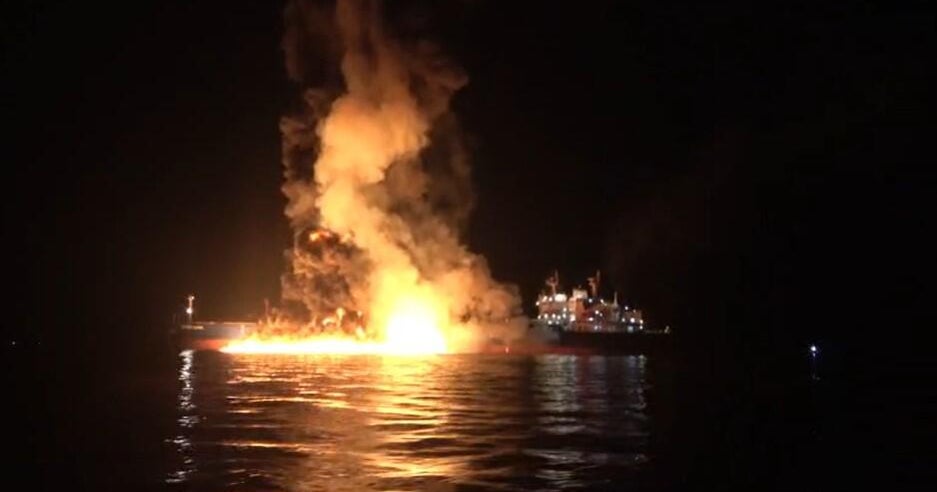
Oil prices surged sharply amid escalating conflict involving the U.S., Israel, and Iran, with Brent crude surpassing $100 per barrel due to disruptions in the critical Strait of Hormuz and attacks on oil infrastructure across the Gulf region. The crisis has led to significant economic impacts, including declines in U.S. stock markets, production shutdowns by major energy companies, and government measures such as fuel rationing in India and potential U.S. policy changes like a temporary Jones Act waiver and strategic oil reserve releases. Meanwhile, military actions have intensified, causing substantial casualties and prompting international efforts to address the escalating threats to global energy supplies and maritime security.
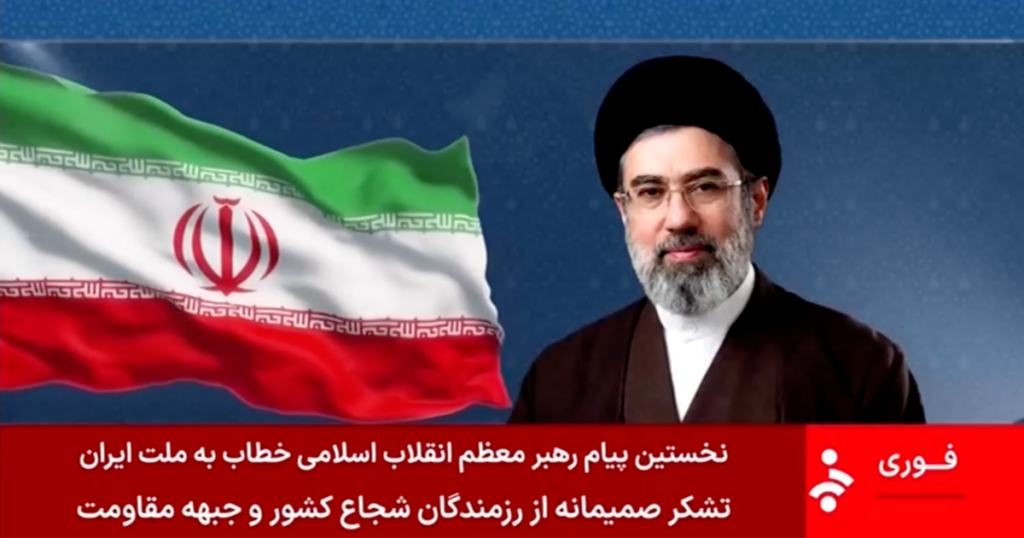
Iran’s newly appointed Supreme Leader, Ayatollah Mojtaba Khamenei, issued his first public statement reaffirming the blockade of the Strait of Hormuz and threatening attacks on neighboring countries hosting U.S. military bases. His statement was delivered without a direct appearance, fueling speculation about his health after being injured in recent U.S.-Israeli strikes, and signaling a hardline stance with continued support for proxy groups across the Middle East. Khamenei vowed revenge for Iranian casualties in the strikes and emphasized Iran’s commitment to disrupting global oil transit while expressing a desire for constructive regional relations.
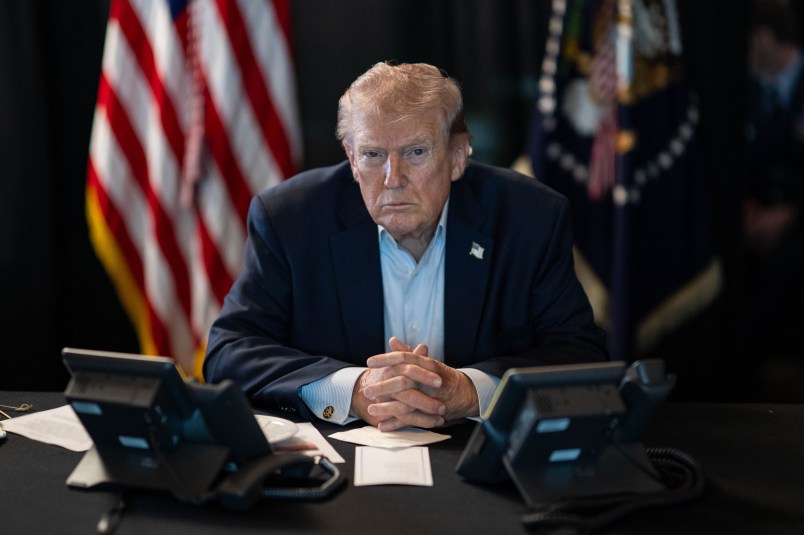
Podcaster Joe Rogan criticized President Trump’s military strikes against Iran, calling the action contradictory to Trump’s campaign promises and questioning the unclear rationale behind the operation. Public opposition to the conflict is widespread, with polls showing a majority of Americans disapprove and even some conservative voices expressing skepticism about the war’s alignment with the “America First” agenda. The administration’s inconsistent messaging has deepened political divisions and eroded support within Trump’s base, raising concerns that continued opposition could pressure the president to reconsider the conflict.
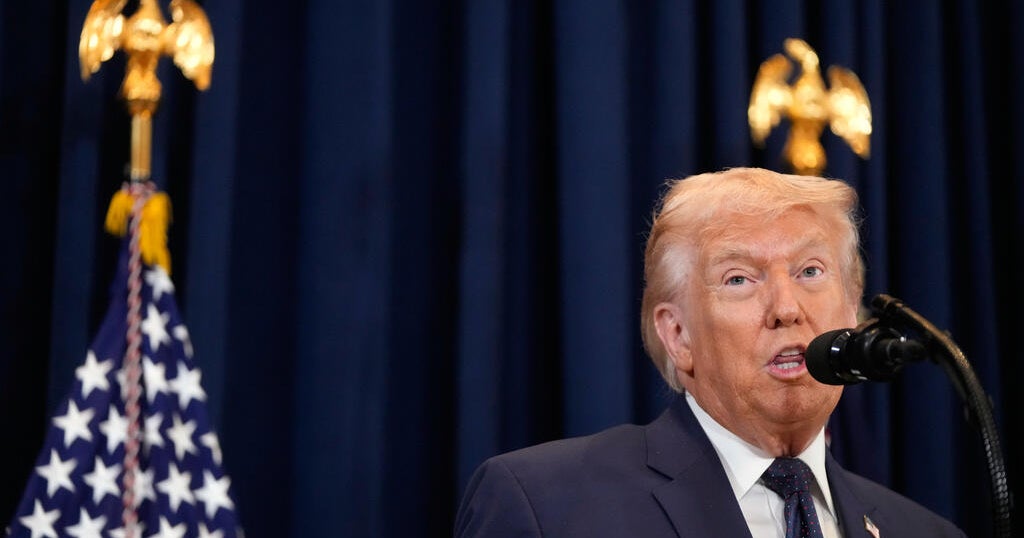
President Trump expressed optimism about the U.S. military's progress in Iran, claiming significant advances while acknowledging some targets remain and anticipating a swift end to the conflict. He criticized the appointment of Mojtaba Khamenei as Iran’s new leader but preferred internal political change over direct U.S. intervention, citing past destabilization in Iraq and referencing Venezuela as a model. Trump also addressed a recent deadly bombing in Iran likely caused unintentionally by U.S. forces, warned Iran against disrupting oil shipments through the Strait of Hormuz, and noted that American casualties have reinforced calls to "finish the job."
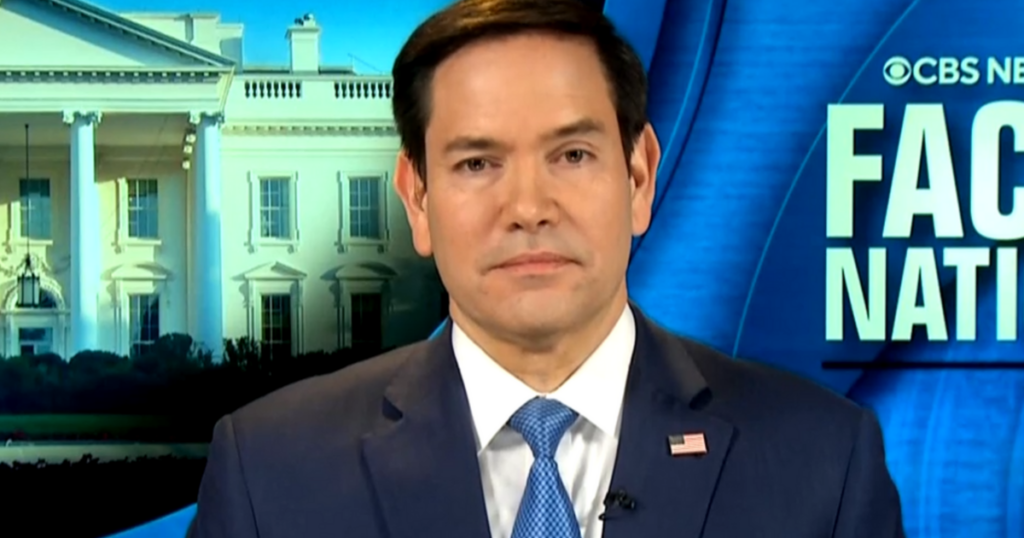
In a recent interview, National Security Adviser Mike Waltz highlighted the U.S. administration's stance that "all options are always on the table" regarding military action against Iran, emphasizing Iran's support for militant groups like the Houthis, Hezbollah, and Hamas. The strategic importance of the Red Sea as a vital shipping route was underscored, with concerns over security due to threats from Iran-backed groups. Secretary of State Marco Rubio and President Donald Trump both reiterated the U.S. commitment to countering Iranian influence and ensuring the safety of global shipping lanes, reflecting a broader strategy to address regional tensions and protect international trade.