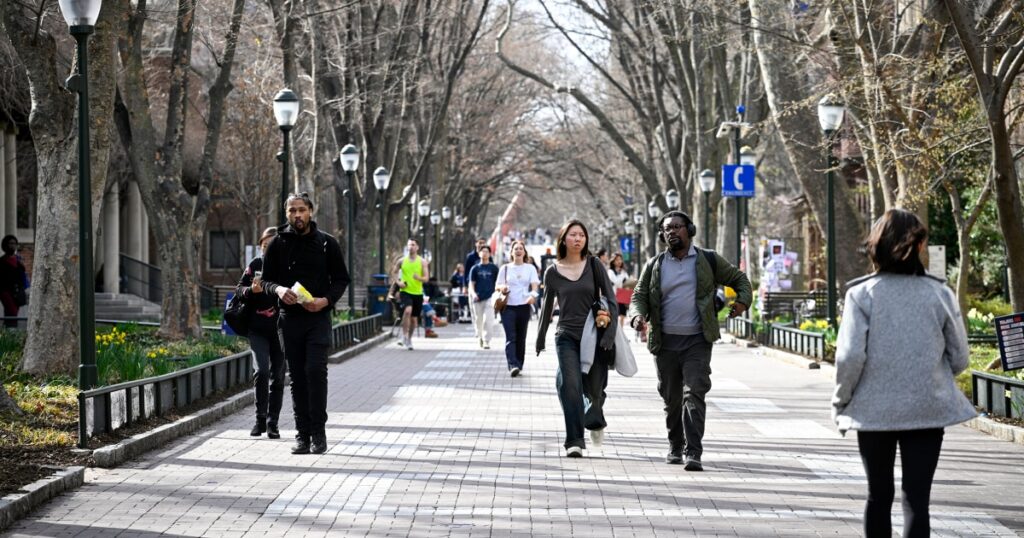
A federal judge has ordered the University of Pennsylvania to comply with an EEOC subpoena seeking information about Jewish employees as part of an investigation into alleged antisemitic discrimination on campus, while exempting certain Jewish-affiliated organizations from disclosure. The EEOC's probe follows multiple antisemitic incidents at the university and examines its response to related protests, with the judge acknowledging the subpoena's flaws but upholding its narrow purpose. The university plans to appeal the decision, citing concerns over employee privacy and constitutional rights amid ongoing efforts to address antisemitism.
Posts tagged as “First Amendment”
The U.S. Supreme Court ruled 8-1 that Colorado's ban on conversion therapy for minors violates the First Amendment by regulating speech based on viewpoint rather than professional conduct. The decision, authored by Justice Gorsuch, emphasized that the law censors speech and sent the case back to lower courts for further review under stricter constitutional scrutiny. Justice Ketanji Brown Jackson dissented, warning the ruling could hinder states' ability to regulate medical professionals and protect patients, highlighting the ongoing conflict between free speech rights and LGBTQ protections.
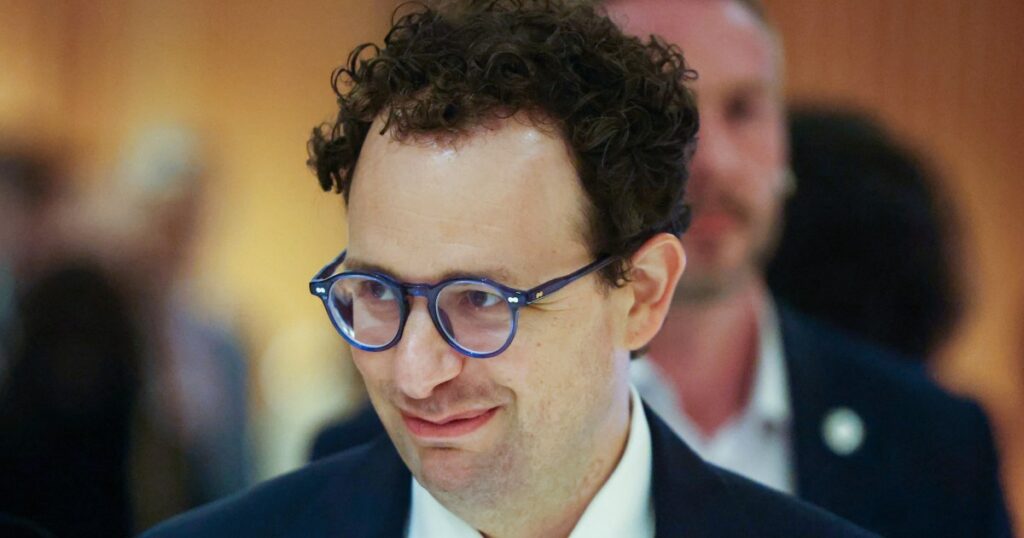
A federal judge in California has blocked the Trump administration from designating AI company Anthropic as a "supply chain risk" and banning federal use of its technology, ruling the government's actions likely unlawful and arbitrary. The dispute arose after Anthropic restricted military use of its AI for surveillance and autonomous weapons, leading to the Pentagon’s prohibition and a presidential order to cease using its services. The injunction restores the status quo pending appeal, allowing agencies to choose AI providers freely while Anthropic continues legal challenges against what it calls retaliatory government actions.
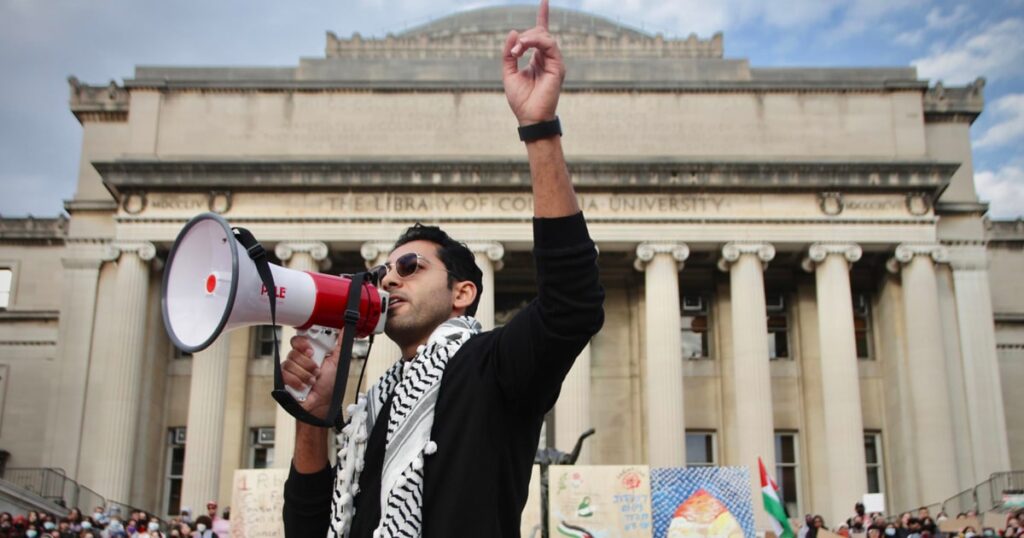
Columbia University student Mohsen Mahdawi, a Palestinian and U.S. permanent resident, was released on bail after being detained by immigration authorities during his naturalization interview, with his attorneys arguing the detention was politically motivated due to his involvement in pro-Palestinian protests. His case has sparked discussions about the intersection of immigration enforcement and political activism, particularly concerning the rights of non-citizens participating in political demonstrations. Mahdawi's release and public statements underscore the broader struggle for freedom and may influence future cases involving similar circumstances.
A federal judge ruled in favor of The Associated Press (AP) in a case against the White House, mandating the restoration of the AP's access to key events after it was excluded for refusing to use the term "Gulf of America" instead of "Gulf of Mexico." The judge emphasized the importance of viewpoint neutrality and the First Amendment, stating that media organizations should not face discrimination based on their editorial choices. This decision highlights the necessity of a free press and is expected to influence how the administration engages with media, ensuring access is not dependent on specific viewpoints.
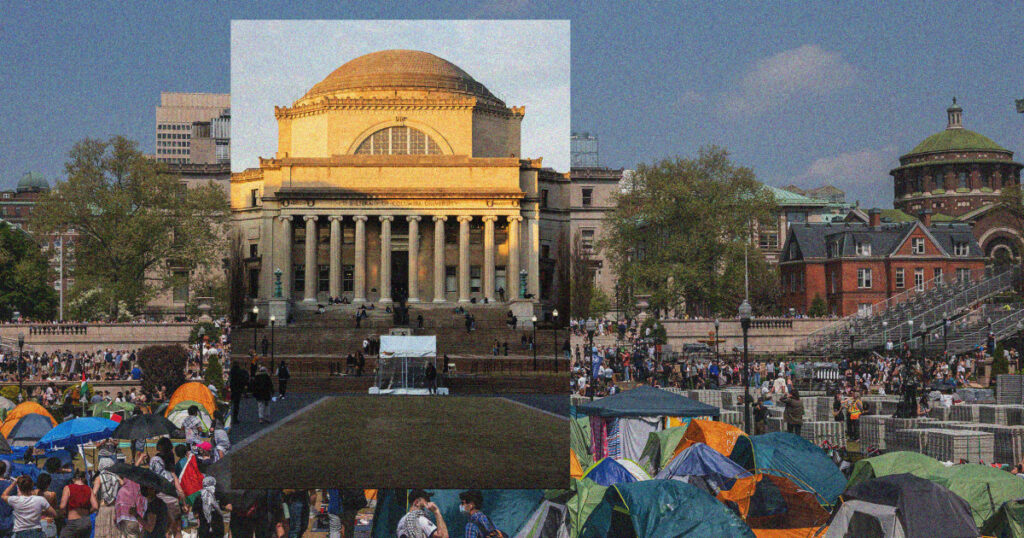
The U.S. government, led by Secretary of State Marco Rubio, has revoked 300 student visas as part of efforts to curb international student involvement in campus protests, citing activities like vandalism and harassment as grounds for such actions. This decision follows heightened scrutiny after protests at Columbia University related to the Gaza conflict, which involved significant student activism and drew national attention. The revocations have sparked concerns about due process and free speech rights, leading to a decline in student activism as international students fear losing their visas and facing severe penalties.
The United States Supreme Court has declined to hear a case brought by Steve Wynn, which sought to challenge the 1964 New York Times v. Sullivan decision that requires public figures to prove "actual malice" in defamation lawsuits. Wynn's case aimed to lower the threshold for public figures to pursue defamation claims, potentially altering media law, but the court's decision leaves the existing standard intact. This decision highlights the ongoing influence of the Sullivan ruling in protecting news organizations under the First Amendment, despite some calls to revisit the precedent.

Former President Donald Trump issued an executive order targeting the New York-based law firm Paul, Weiss, suspending security clearances for its employees as part of a broader strategy to challenge legal entities representing his adversaries. This action has sparked debate, with Republican Senator Lindsey Graham supporting Trump's move and suggesting that private businesses have collaborated with government entities to undermine Trump. The situation highlights ongoing discussions about the perceived weaponization of legal and governmental institutions against Trump, with insights from figures like former U.S. Attorney Barb McQuade and First Amendment scholar Lee Bollinger contributing to the discourse on the intersection of politics, law, and business in the U.S.