A magnitude 4.6 aftershock shook Venezuela’s quake-hit coast as residents in La Guaira said they were still leading searches with limited official help. The government says at least 1,719 people have died, while international aid and rescue teams continue to arrive.
Posts tagged as “El Salvadoran”

A 4.6-magnitude aftershock struck Venezuela as rescue teams continued searching for survivors of last week’s twin earthquakes. More than 1,400 people have died, tens of thousands remain missing and international crews are assisting in La Guaira and other hard-hit areas.
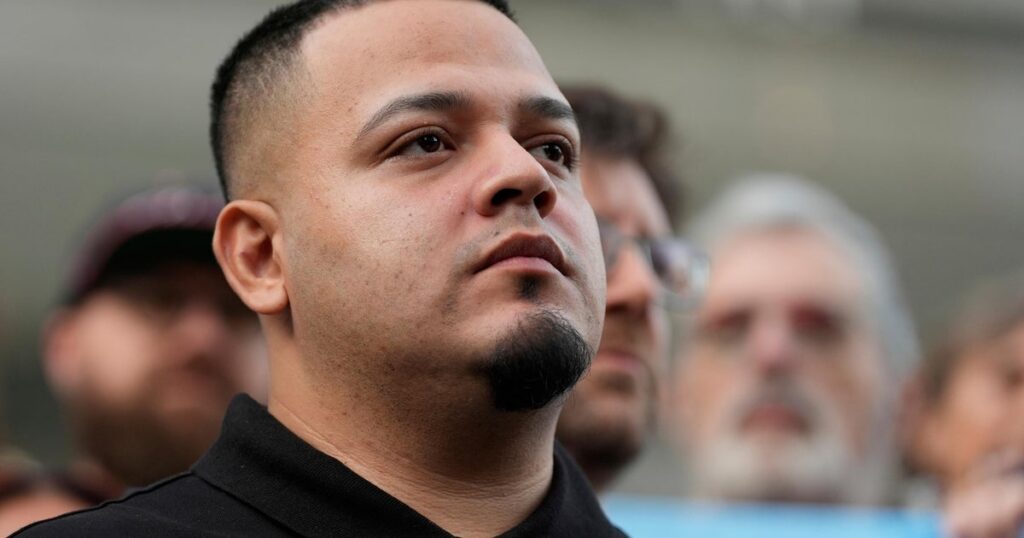
A federal judge dismissed human smuggling charges against Kilmar Abrego Garcia, ruling the prosecution was vindictive following his successful challenge to wrongful deportation.
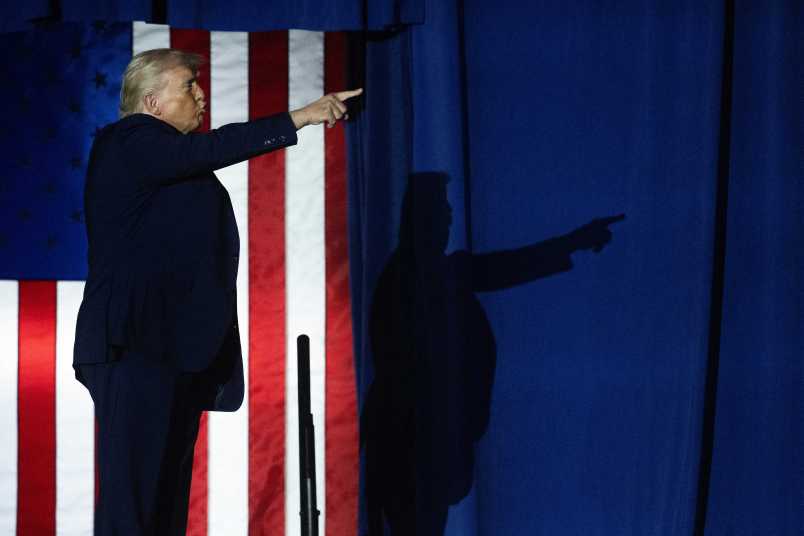
CBS News' parent company has settled a lawsuit with former President Donald Trump, who claimed the network selectively edited a "60 Minutes" interview with Kamala Harris during the 2020 election. Concurrently, U.S. District Judge Paula Xinis is challenging the Trump administration over the deportation of Kilmar Abrego Garcia, accusing it of refusing to provide information and ordering Garcia's return. Additionally, Trump has threatened legal action against The New York Times for its article on the CBS settlement, highlighting ongoing tensions between media organizations, the judiciary, and political figures, with potential implications for media practices and governmental accountability.
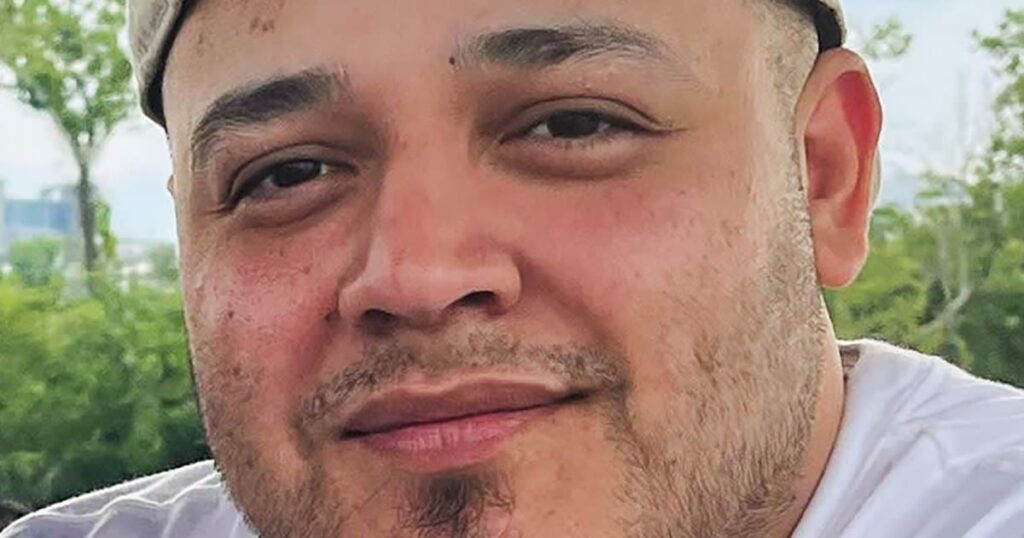
In the legal case of Kilmar Abrego Garcia, a federal judge in Maryland has denied the government's secret request to further delay proceedings, following a previous weeklong postponement. The case involves efforts to return Abrego Garcia to the United States after his erroneous deportation to El Salvador, despite an immigration judge's order preventing his removal. President Trump has suggested he could resolve the issue with a phone call to Salvadoran President Nayib Bukele, but this contrasts with the administration's legal position that it lacks the authority to bring him back, amid allegations of Abrego Garcia's gang affiliation, which his legal team denies.
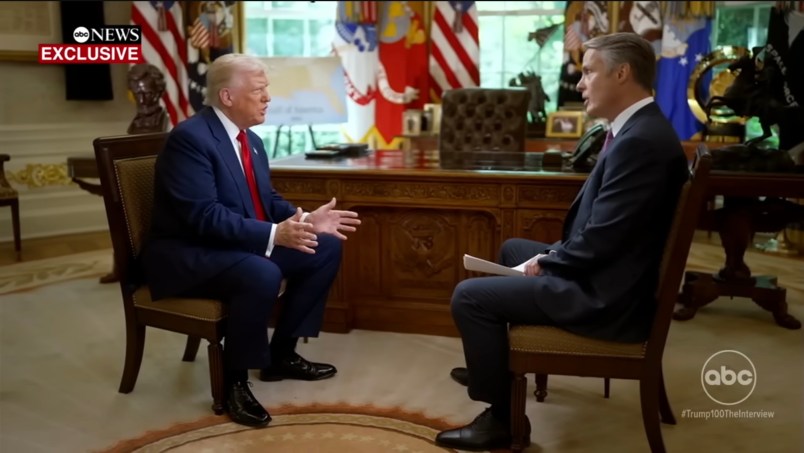
The Trump administration's decision to deport migrants to a maximum-security prison in El Salvador, using the Alien Enemies Act of 1798, has sparked constitutional debates, particularly in the case of Kilmar Abrego Garcia. Despite a Supreme Court mandate for his release, President Trump has refused to intervene, stating that the decision is not his to make. This reliance on an outdated law has raised concerns about its relevance today, with critics pointing out that many deportees have no criminal records, prompting scrutiny of the administration's deportation practices.
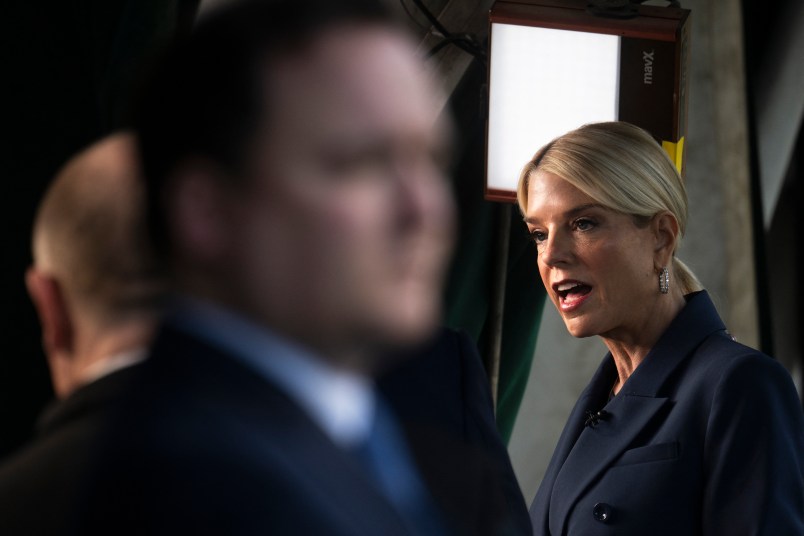
U.S. District Judge Terry Doughty has expressed concerns over the Trump administration's deportation practices, particularly highlighting the case of a 2-year-old U.S. citizen deported with his undocumented mother without due process. Additionally, 238 Venezuelan migrants were transported to a maximum-security prison in El Salvador under a rarely used law, despite most having no criminal convictions, raising questions about the administration's justification of labeling them as terrorists. These incidents, along with reports from the ACLU about other U.S. citizen children being deported, have sparked legal scrutiny and public debate over the transparency, legality, and ethics of current immigration policies.
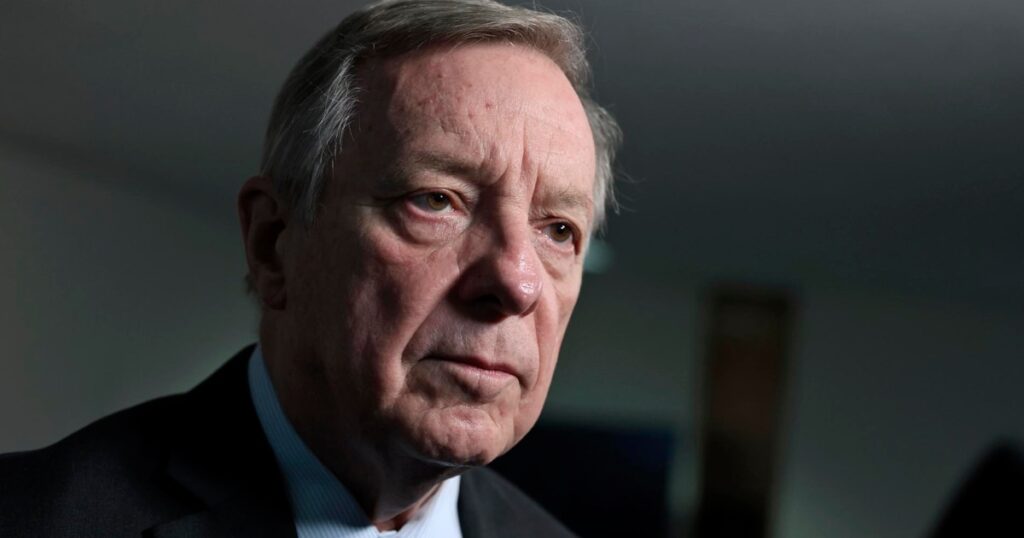
Illinois Governor JB Pritzker is considering a boycott against El Salvador in response to President Nayib Bukele's cooperation with the Trump administration, which allegedly violated the due process rights of a deported Maryland resident. To exert pressure on El Salvador, Pritzker has directed state pension funds and procurement agencies to identify and potentially divest from any investments or contracts with the country. This action reflects a broader trend of state-level involvement in foreign policy, particularly concerning human rights issues, and highlights the complexities of international relations influenced by domestic politics.