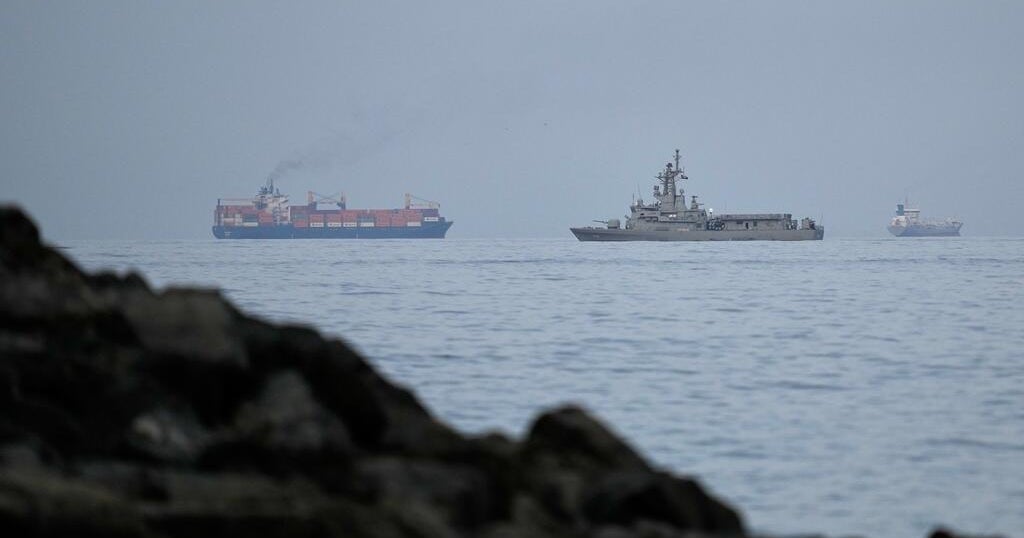
The Trump administration is considering a military operation to escort oil tankers through the Strait of Hormuz following a series of attacks on vessels in the Persian Gulf, which have disrupted global oil shipments and driven up prices. The proposed operation involves neutralizing Iranian threats through strikes on missile and drone facilities before providing convoy protection with U.S. Navy ships and international partners, amid ongoing drone attacks by Iran targeting U.S. bases and regional infrastructure. As the conflict escalates, the U.S. and allies are working to secure critical maritime routes and counter Iran’s advanced drone warfare capabilities in a highly volatile environment.
Posts tagged as “Eastern Ukraine”
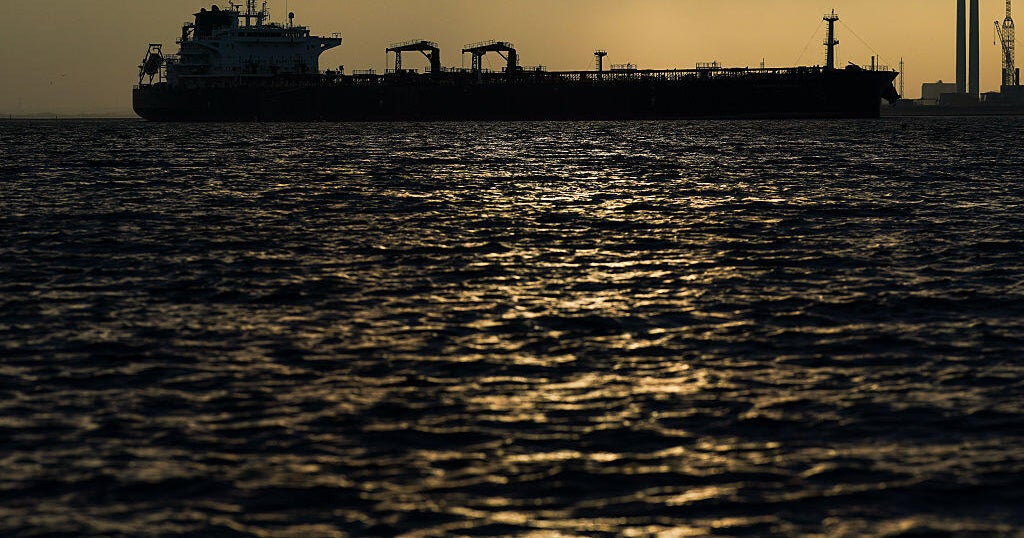
The United States has temporarily eased sanctions on Russian oil, allowing the purchase of petroleum products already loaded onto ships before the announcement, aiming to ease global energy market disruptions caused by conflicts in the Middle East. Treasury Secretary Scott Bessent emphasized the measure is narrowly tailored to avoid benefiting Russia financially and to increase existing supply amid restricted shipping through the Strait of Hormuz. While Russia welcomed the move as stabilizing global markets, European governments and some U.S. lawmakers criticized it for potentially strengthening Russia’s position and undermining sanctions related to the Ukraine conflict.
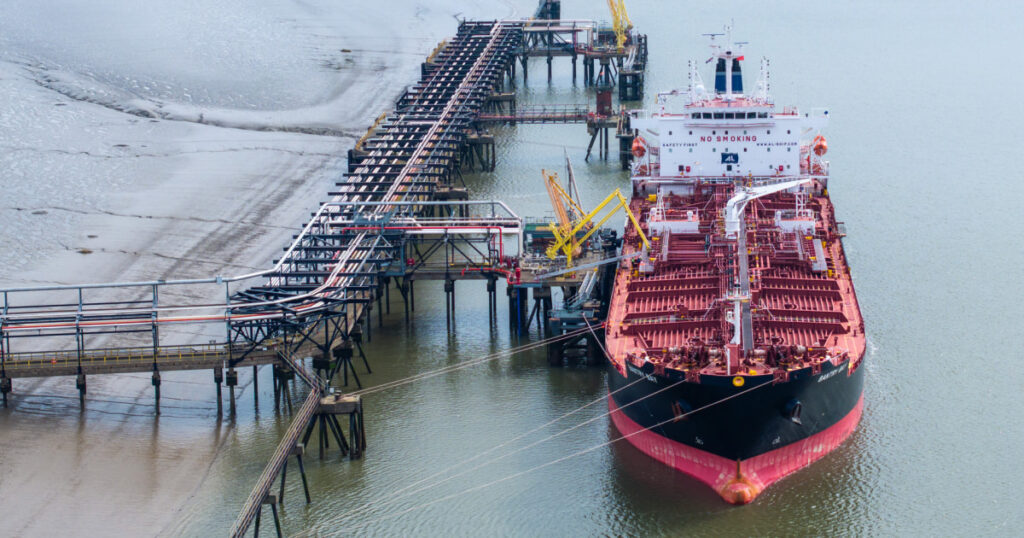
The International Energy Agency (IEA) announced a historic release of 400 million barrels of oil from emergency reserves to counter soaring energy prices caused by the closure of the Strait of Hormuz amid tensions with Iran. This unprecedented collective action by 32 member countries aims to mitigate significant supply disruptions, though analysts warn it may only provide limited short-term relief given the scale of the deficit and logistical delays. The situation remains volatile, with sustained price stability dependent on reopening the crucial maritime route and securing long-term energy supply solutions.
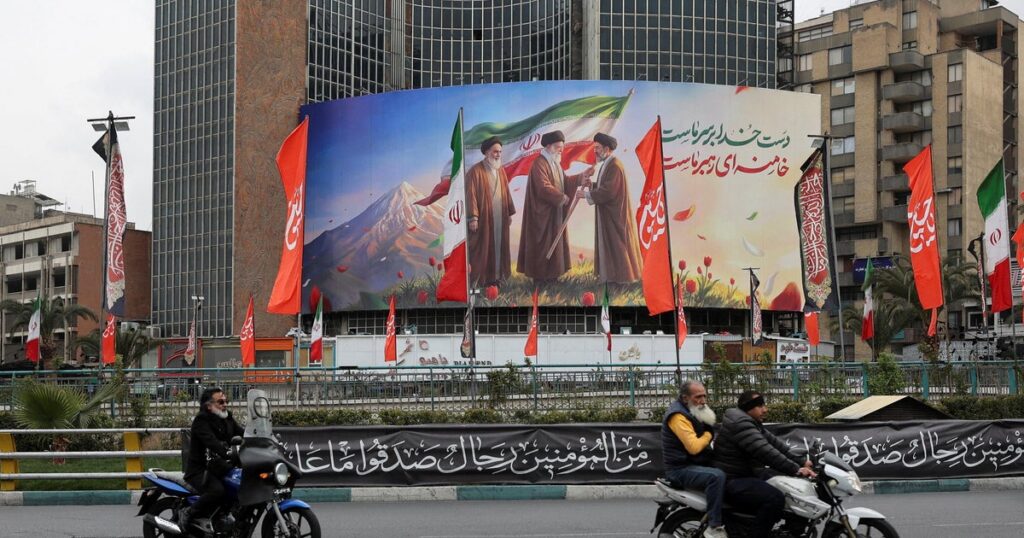
Oil prices have surged due to the escalating Middle East conflict, which has disrupted shipping through the strategic Strait of Hormuz and drawn significant military attention from the U.S. and its allies. Russia has emerged as a key beneficiary of rising energy prices, potentially increasing its oil revenues and military spending amid the ongoing Ukraine war. Meanwhile, the conflict intensifies with attacks on Gulf countries, heightened regional military deployments, and diplomatic efforts to support affected nations and maintain global energy security.
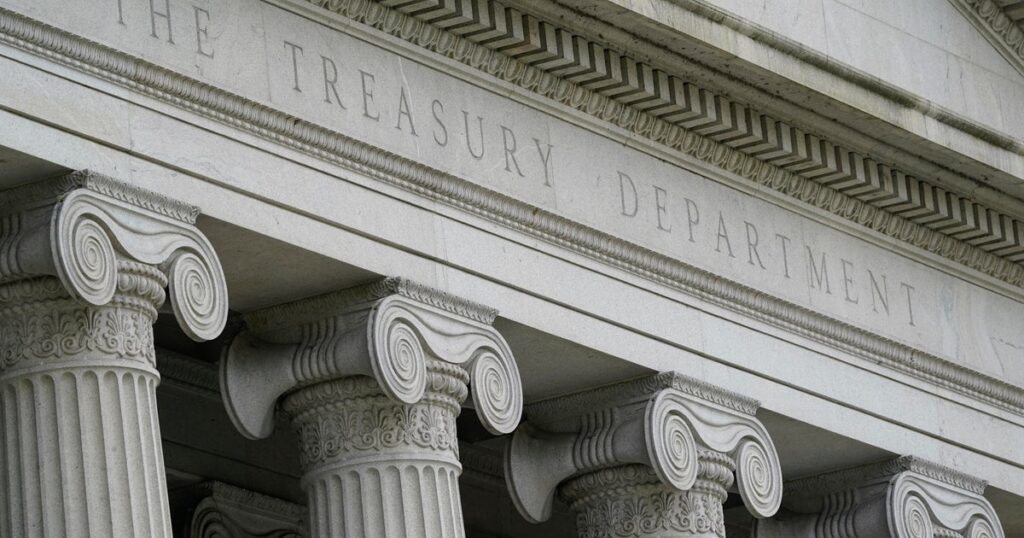
The White House has announced the creation of the United States-Ukraine Reconstruction Investment Fund, a new economic partnership aimed at aiding Ukraine's recovery and development by facilitating joint investments and unlocking the country's growth potential. A significant aspect of this agreement involves the extraction and ownership of Ukraine's natural resources, including rare earth minerals, which is intended to strengthen Ukraine's economic infrastructure and provide the U.S. with valuable resources. The partnership, formalized by officials from both nations, is seen as a strategic commitment to supporting Ukraine's sovereignty and prosperity while sending a message to Russia about the U.S.'s dedication to a peaceful resolution.
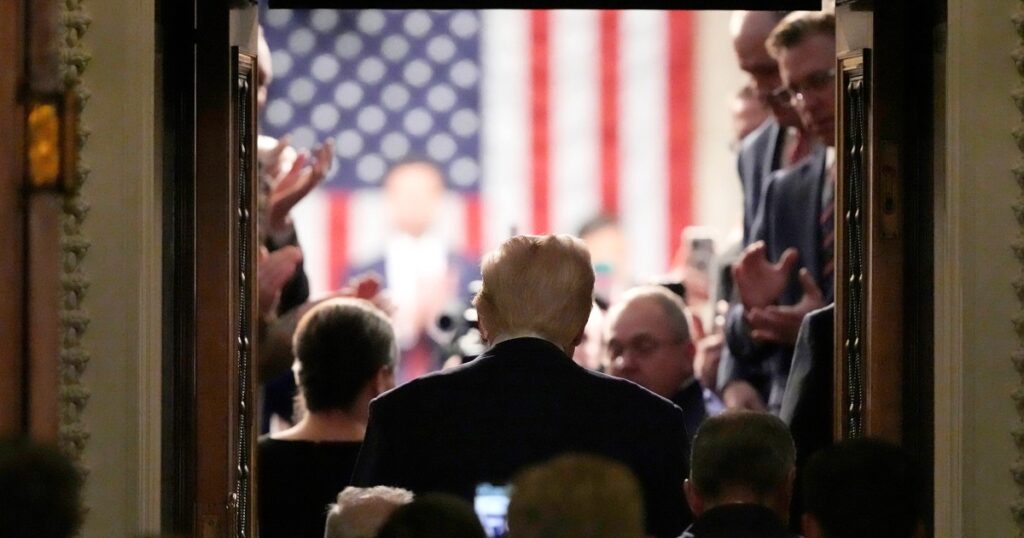
In the first 100 days of his second term, President Donald Trump has signed 142 executive orders, reflecting a swift and decisive approach to governance aimed at implementing his agenda across various policy areas. Despite ambitious goals such as ending the war in Ukraine and resolving major international conflicts, many elements of his agenda face challenges, including legal hurdles and opposition in Congress. As the effects of his executive actions continue to unfold, the administration's approach has sparked both support and criticism, with debates ongoing about the implications for the United States and its global role.

Russian President Vladimir Putin has declared a three-day ceasefire in the conflict with Ukraine, set to coincide with the 80th anniversary of "Victory Day," commemorating Russia's victory over Nazi Germany. The ceasefire, beginning on May 8 and ending on May 11, aligns with Victory in Europe Day, a significant holiday in Russia. Despite this gesture, Ukraine remains skeptical due to past violations by Russian forces and has warned of a response to any breaches, highlighting persistent tensions and difficulties in securing lasting peace.
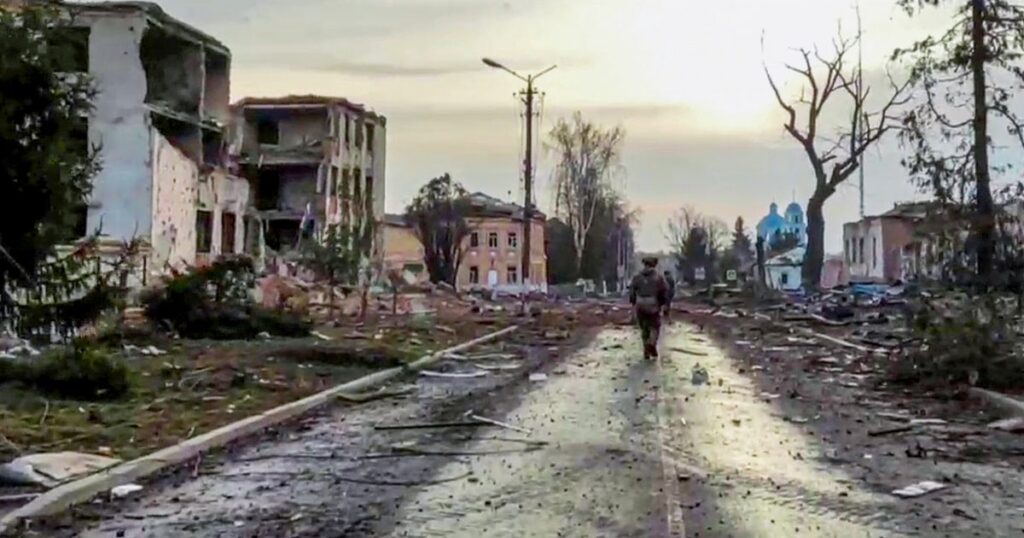
Russia has publicly acknowledged the involvement of North Korean troops in its conflict with Ukraine, marking a first in recognizing their contribution under a strategic partnership between the two nations. This announcement coincided with Russia's claim of regaining control over the Kursk region, although Ukraine disputes this, maintaining that their forces are still resisting Russian advances. The participation of North Korean soldiers adds a new layer to the conflict, emphasizing the international alliances and geopolitical complexities influencing the war's dynamics.