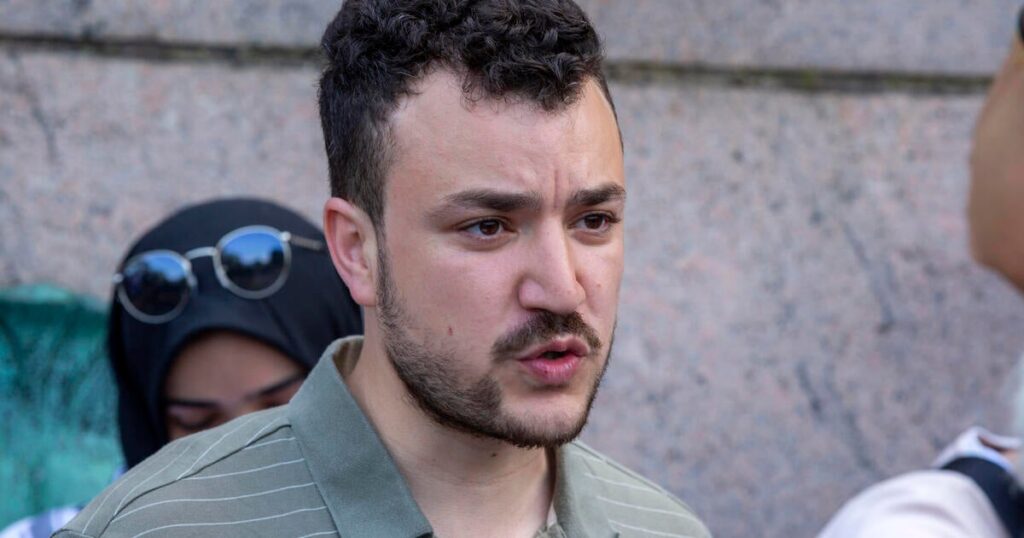
President Donald Trump announced a crackdown on what he described as "pro-terrorist, anti-Semitic, anti-American" activities on college campuses, attributing protests against Israel's conflict with Hamas to "paid agitators." The arrest of Palestinian activist Mahmoud Khalil by federal immigration authorities, following the revocation of his student visa, marks a significant step in this initiative, with more arrests anticipated at other universities. This development has sparked discussions about the balance between national security and freedom of expression, particularly concerning the rights of international students involved in campus activism.
Posts tagged as “Donald Trump”
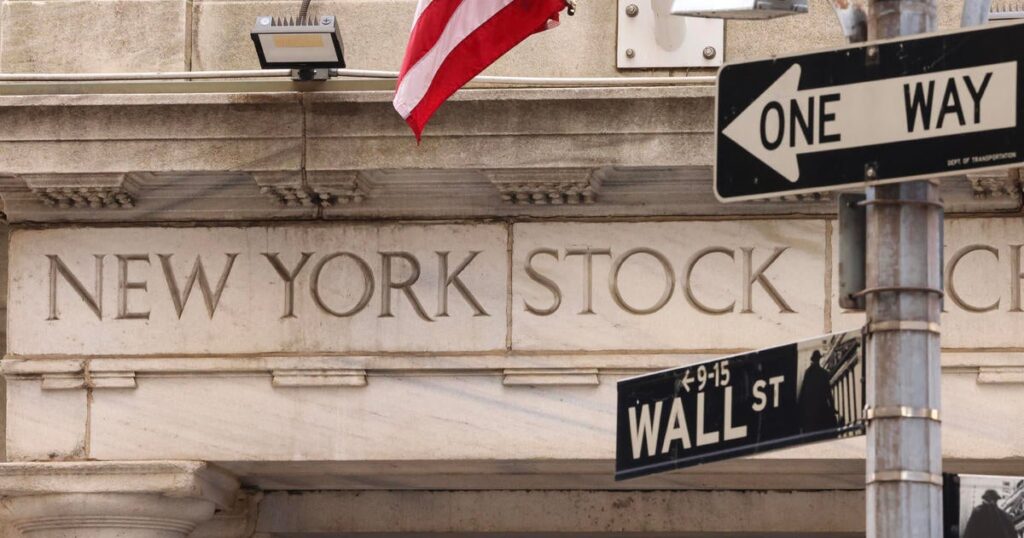
Major U.S. stock indexes saw a significant decline on Monday, driven by investor concerns over slowing economic growth, persistent inflation, and an unstable job market, with the S&P 500 dropping 2% and the Nasdaq Composite falling 3.4%. The downturn, exacerbated by ongoing U.S.-China trade tensions and retaliatory tariffs on American agricultural products, has erased recent gains and pushed the Nasdaq to its lowest level since September. As the market grapples with these challenges, volatility persists, with potential for further fluctuations based on economic data and policy developments.
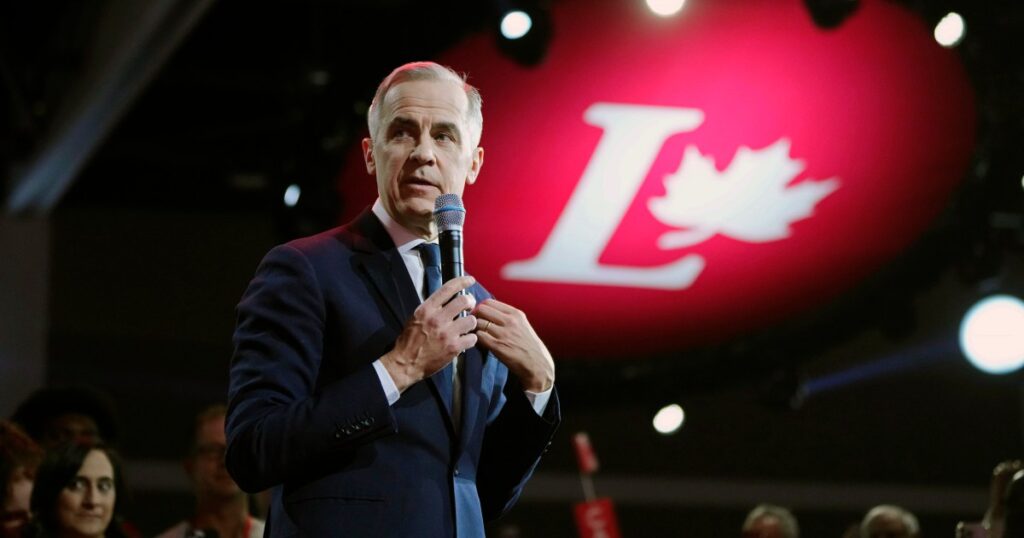
Mark Carney has been elected as the new leader of Canada's Liberal Party, positioning him to succeed Justin Trudeau as prime minister following Trudeau's resignation announcement. Carney's leadership comes at a challenging time, with Canada facing economic uncertainty due to a trade war initiated by U.S. President Donald Trump and threats of annexation. With a strong mandate from the Liberal Party and a wealth of experience in economic management, Carney is expected to address these pressing issues and navigate the political landscape ahead of an impending federal election.
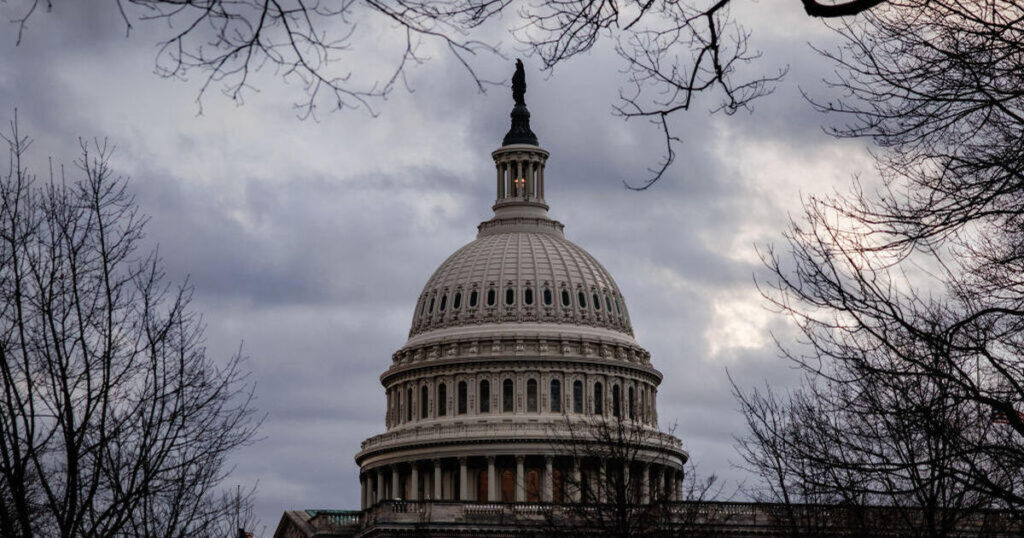
House Speaker Mike Johnson introduced a short-term funding bill to prevent a government shutdown by extending operations through September, with increased defense spending and decreased non-defense discretionary spending. The bill, scheduled for a House vote on Tuesday, is crucial as current funding expires late Friday night, aiming to maintain government operations and avert a shutdown. Notably, the bill includes an additional $6 billion for veterans' health services, reflecting a priority on veterans' health amidst reduced non-defense spending, and President Trump has expressed his willingness to sign it.
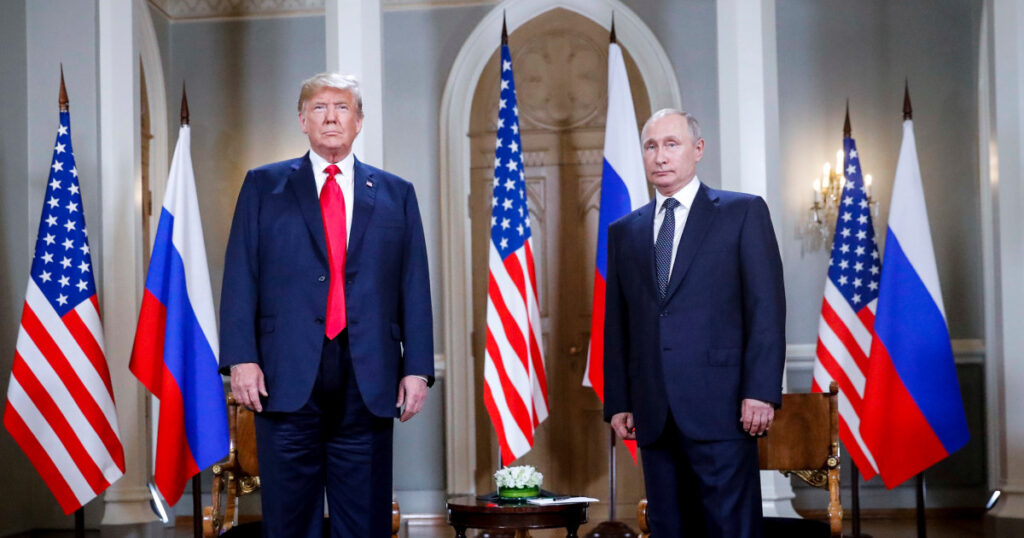
President Donald Trump has announced that he is considering imposing significant economic measures, including large-scale banking sanctions and tariffs, against Russia in response to escalating military activities in Ukraine. This marks a shift in the U.S. stance, as the administration seeks to pressure Russia into agreeing to a ceasefire and peace talks with Ukraine. The president emphasized the urgency of diplomatic resolution, urging both nations to engage in peace negotiations amid recent intensified attacks on Ukrainian energy facilities.
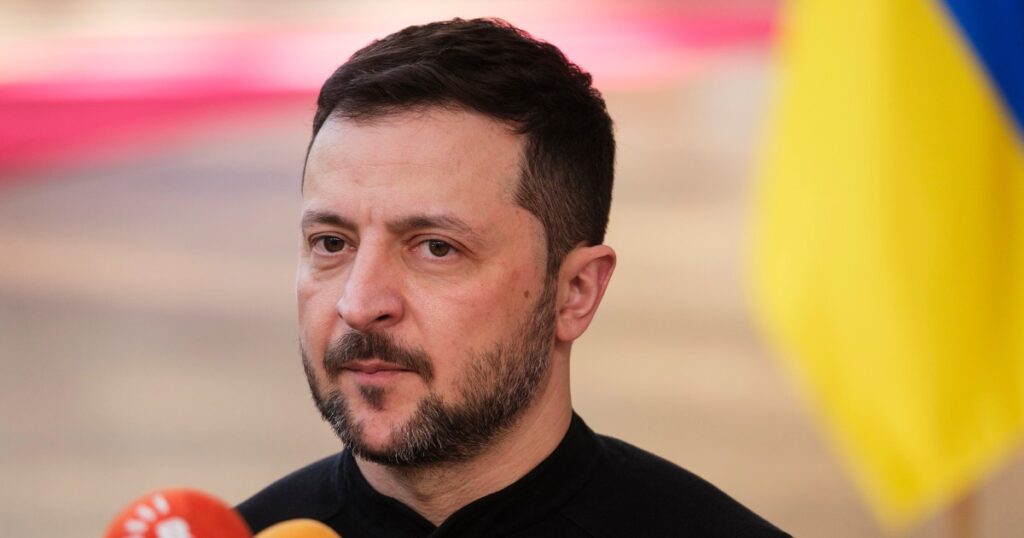
Senior figures from the Trump administration are set to meet with Ukrainian President Volodymyr Zelenskyy in Saudi Arabia to address the recent pause in U.S. intelligence sharing, which has impacted Ukraine's military efforts against Russia. This meeting is part of a broader diplomatic initiative to mend the strained U.S.-Ukraine relationship and reinforce their alliance amid ongoing geopolitical tensions. The discussions, involving key officials like Secretary of State Marco Rubio, could significantly influence the international response to the conflict with Russia and Ukraine's strategic position.
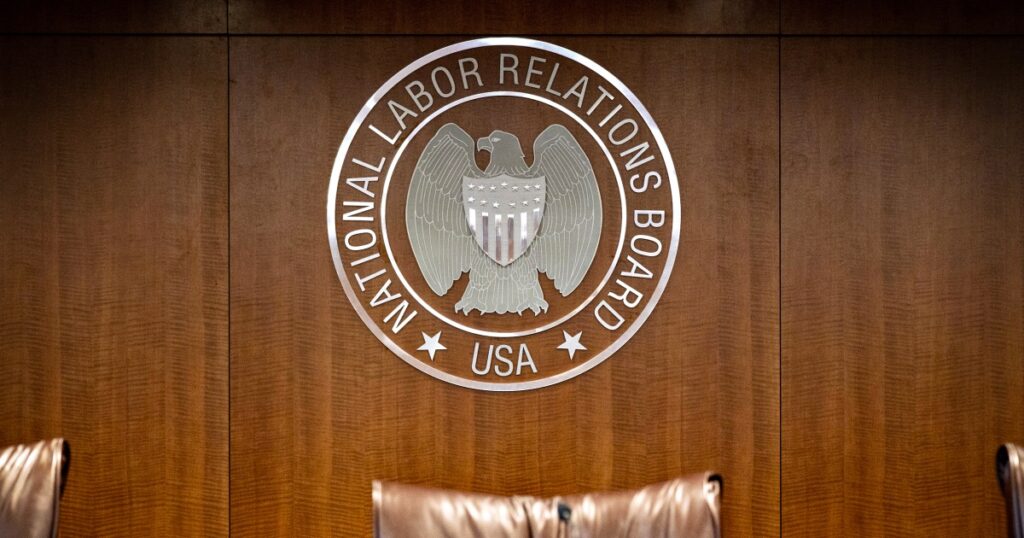
U.S. District Judge Beryl Howell ruled that former President Donald Trump's dismissal of Gwynne Wilcox from the National Labor Relations Board (NLRB) was unlawful, ordering her reinstatement. The decision criticized Trump's expansion of executive power, particularly through the unitary executive theory, and emphasized the constitutional limits on presidential authority to remove NLRB members. This ruling highlights the importance of checks and balances in the federal government and underscores the judiciary's role in maintaining the independence of agencies like the NLRB.
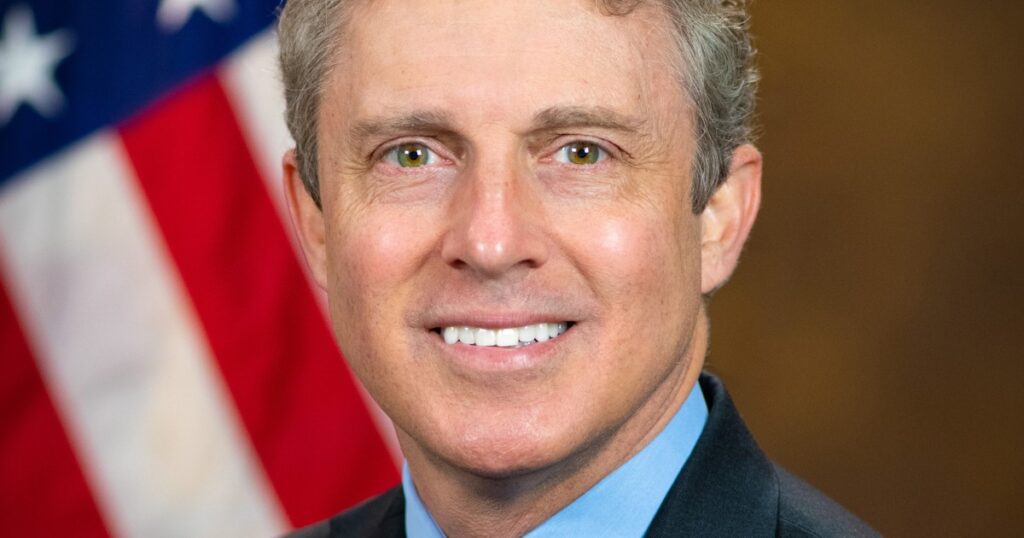
Hampton Dellinger has withdrawn his lawsuit challenging his termination by President Trump, following a federal appeals court decision allowing the administration to proceed with his removal. Despite a lower court ruling deeming his termination "unlawful," Dellinger expressed concern that the appeals court's decision undermines the independence of the whistleblower agency he led. This development underscores the ongoing debate over the balance between executive authority and the protection of government watchdogs and whistleblowers.