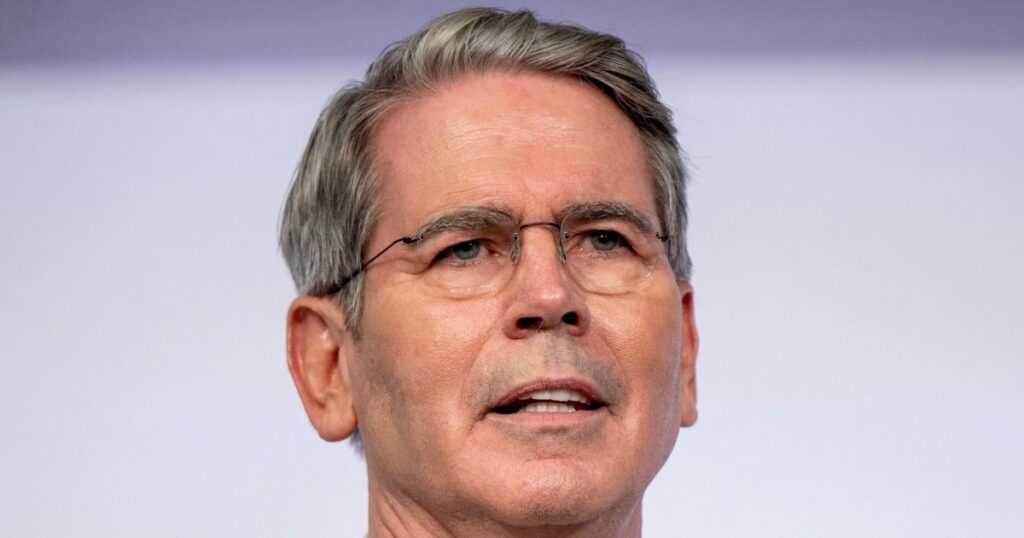
U.S. Treasury Secretary Scott Bessent defended recent U.S. military strikes on Iranian infrastructure as necessary escalations to de-escalate tensions, while also explaining the easing of sanctions to release Iranian oil onto global markets as a strategic move against Iran. Iran warned of retaliatory attacks on U.S. and allied infrastructure if its fuel and energy facilities were targeted, though the U.S. has so far avoided directly hitting Iran’s oil infrastructure. Meanwhile, growing political opposition in Congress criticized the administration for lack of authorization, transparency, and a clear strategy, calling for an end to the conflict.
Posts tagged as “Donald Trump”

Cuba experienced its second nationwide power outage in less than a week, attributed to the shutdown of a key power plant unit, marking the fourth major blackout in four months amid worsening living conditions and public protests. The Cuban government blames U.S. sanctions and an energy blockade for the crisis, which has disrupted vital oil supplies, particularly from Venezuela, and has prompted humanitarian aid deliveries. Amid escalating tensions and rhetoric of possible U.S. military intervention, Cuban officials emphasize vigilance, sovereignty, and rejection of regime change while hoping for a resumption of fuel supplies.
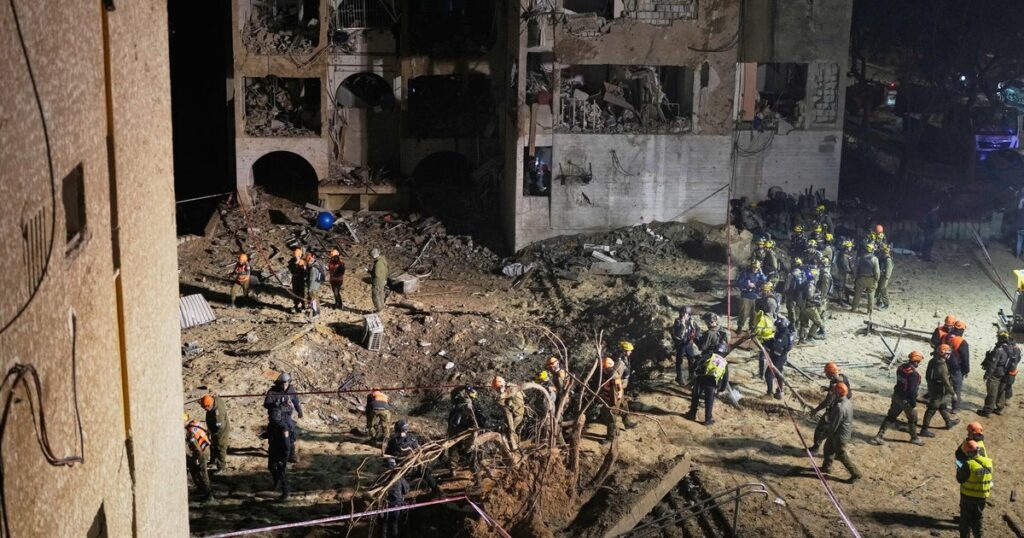
Iranian missile strikes targeted the Israeli towns of Dimona and Arad near the country’s main nuclear research center, injuring at least 90 people and causing significant damage. The attacks followed an airstrike on Iran’s Natanz nuclear facility and marked an escalation in the ongoing conflict, with Israeli officials condemning the strikes as reckless and strategically aimed at civilians. Meanwhile, U.S. intelligence testimony before Congress revealed differing objectives between the U.S. and Israel in the conflict and warned of potential broader regional impacts, including threats to U.S. forces and disruptions to global oil supplies.
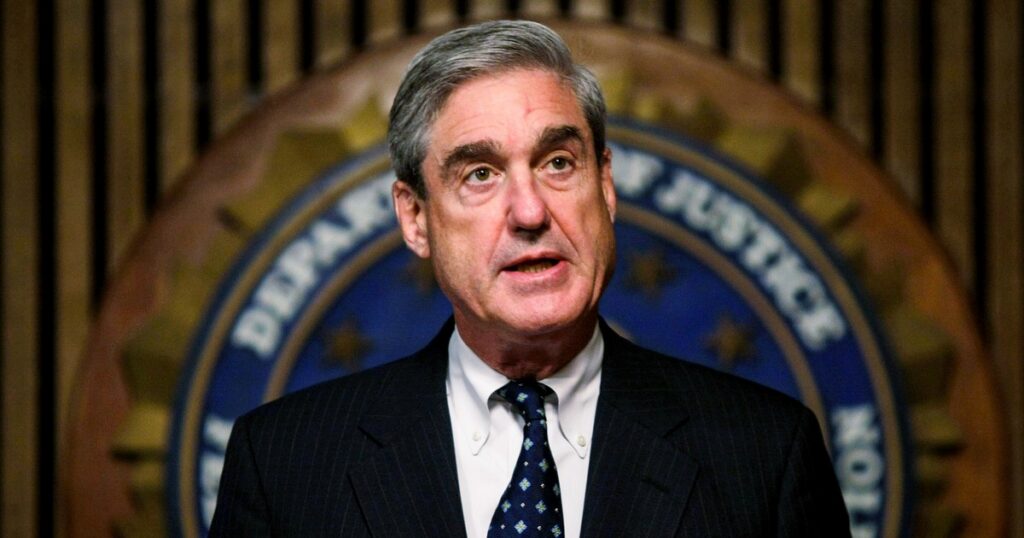
Robert Mueller, the former FBI director known for leading the investigation into Russian interference in the 2016 U.S. presidential election, has died at age 81. He served as FBI director from 2001 to 2013, transforming the bureau’s focus toward counterterrorism after 9/11, and later led a nearly two-year special counsel investigation that charged 34 individuals but did not establish conspiracy between the Trump campaign and Russia. Mueller was widely respected for his integrity, served as a Marine in Vietnam, and had been diagnosed with Parkinson’s disease before his death.
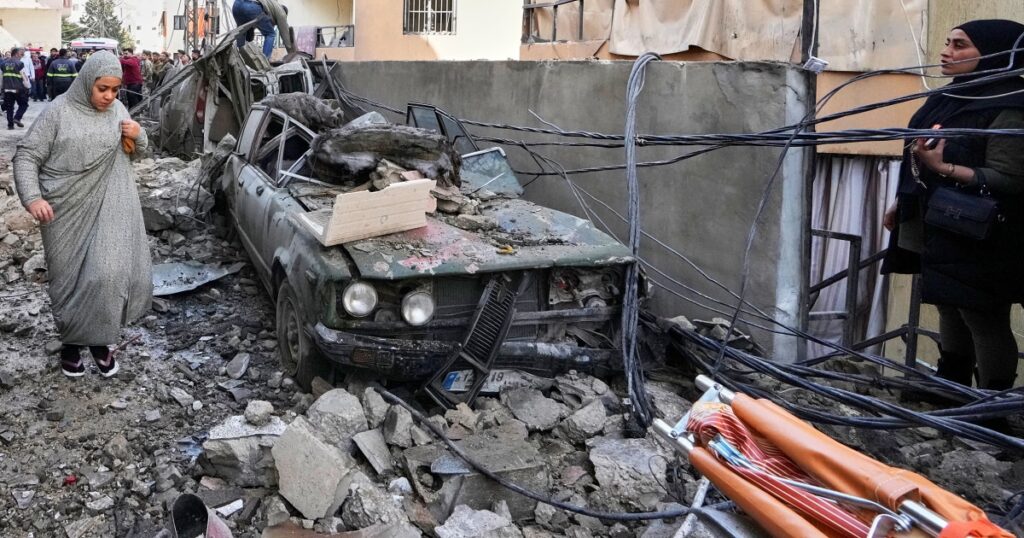
The Trump administration has been considering a high-risk operation involving the Joint Special Operations Command to seize Iran's enriched uranium stockpiles amid ongoing military efforts targeting Tehran and its allies. While initial U.S.-Israel campaigns focused on Iran's conventional military assets, the strategy has shifted toward preventing Iran from acquiring nuclear weapons, despite challenges posed by Iran's continued enrichment and regional counterattacks. Concurrently, escalating conflict in Lebanon, driven by Israeli strikes against Hezbollah and fears of a ground invasion, has displaced thousands and heightened tensions along the border, with uncertain prospects for a lasting resolution.
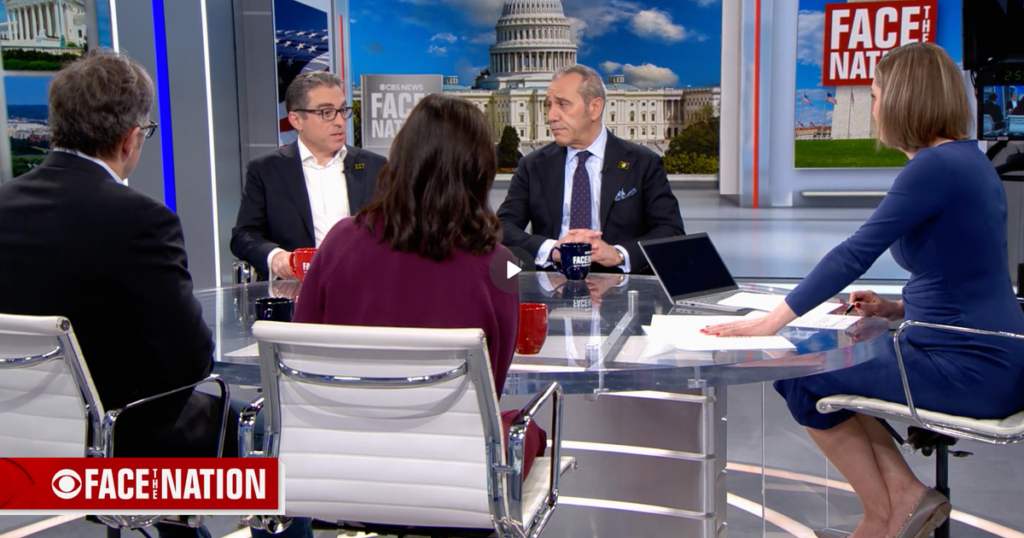
Tensions between the U.S. and Iran have heightened concerns over the safety of at least four American detainees held in Iran’s volatile prisons amid ongoing conflict and unrest. Meanwhile, the U.S. government is considering various military options, including potential ground troop deployments, to counter Iran’s strategic capabilities and secure key regional assets like the Strait of Hormuz. These developments occur alongside complex regional dynamics, with strained U.S.-Israel coordination following unilateral Israeli strikes on Iranian targets, highlighting the challenges of balancing humanitarian concerns with broader military and diplomatic strategies.
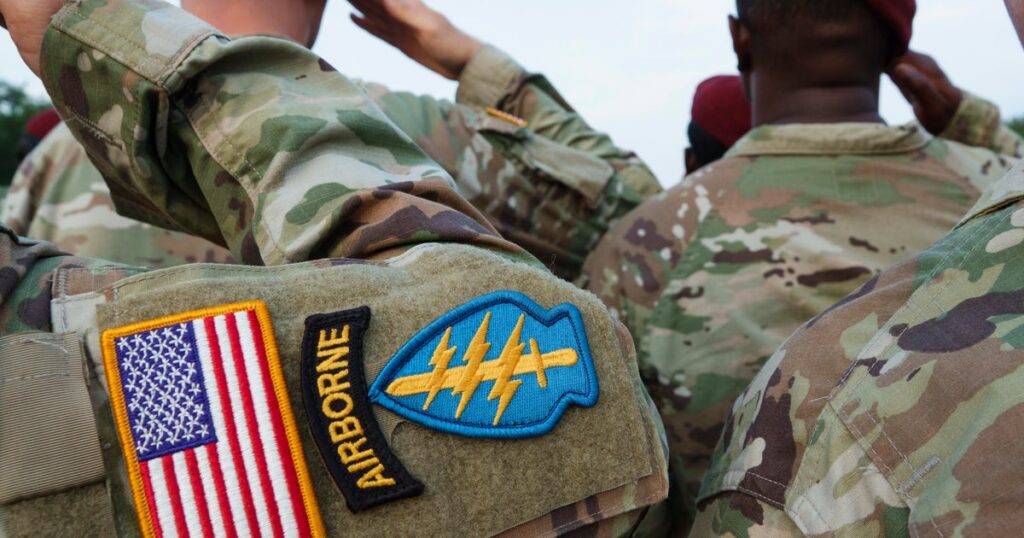
The U.S. Department of Defense has been engaging with families of fallen service members while preparing for a possible deployment of ground troops to the Middle East amid ongoing tensions with Iran. Defense Secretary Pete Hegseth reported that many families urged the continuation of the mission, though some, like Charles Simmons, expressed uncertainty about the war’s necessity. Meanwhile, Pentagon officials are readying forces including the 82nd Airborne Division and Marine units, even as President Trump denies immediate plans to send troops, emphasizing that preparations aim to preserve strategic options.
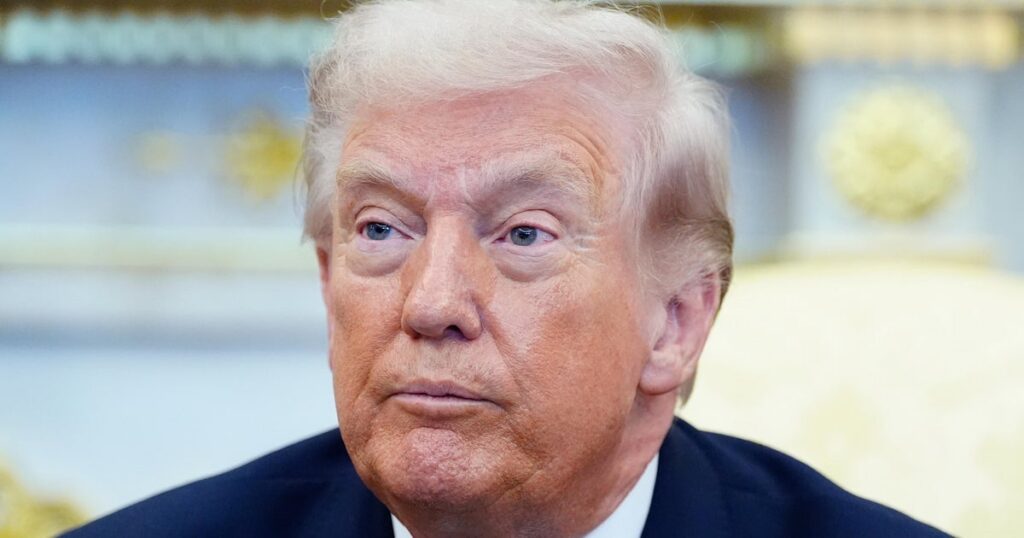
A federal commission appointed by former President Donald Trump has approved the final design for a 24-karat gold commemorative coin featuring Trump’s image to mark the United States' 250th anniversary in 2026. Despite federal laws prohibiting living presidents on currency, Treasury Secretary Scott Bessent authorized the coin’s production, which will be limited in quantity and potentially larger than standard gold coins. This gold coin project is separate from a planned $1 circulated coin featuring Trump, and its approval bypassed some traditional advisory channels amid broader efforts by Trump to link his legacy with national celebrations.