
An Air France flight from Paris to Detroit was diverted to Montreal after a passenger from Congo boarded amid Ebola-related U.S. travel restrictions. The U.S. barred entry to travelers from Congo, Uganda, and South Sudan to curb the outbreak.
Posts tagged as “DHS”
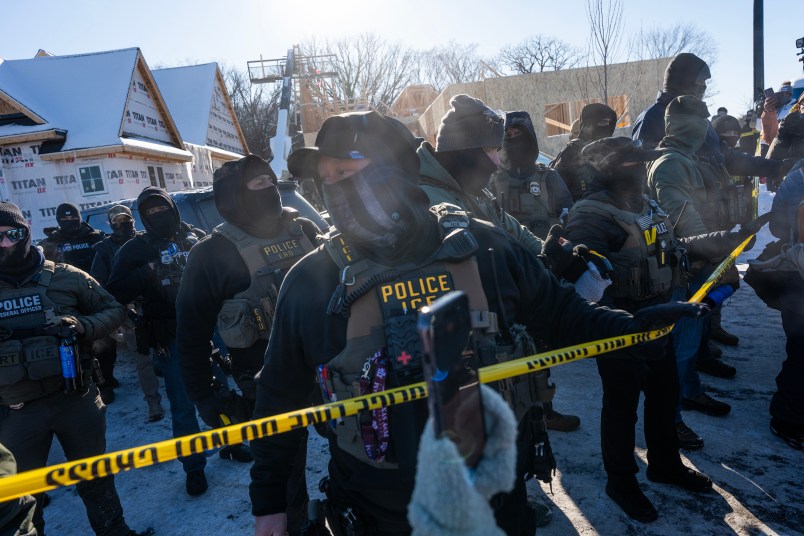
Minnesota prosecutors charge ICE officer Christian Castro with assault and false reporting after he allegedly shot a Venezuelan man during a January immigration enforcement action. The case raises questions about state authority to prosecute federal agents.

David Venturella is named interim director of ICE, replacing Todd Lyons amid ongoing immigration enforcement challenges. Venturella previously led the Secure Communities program and has worked under multiple administrations.
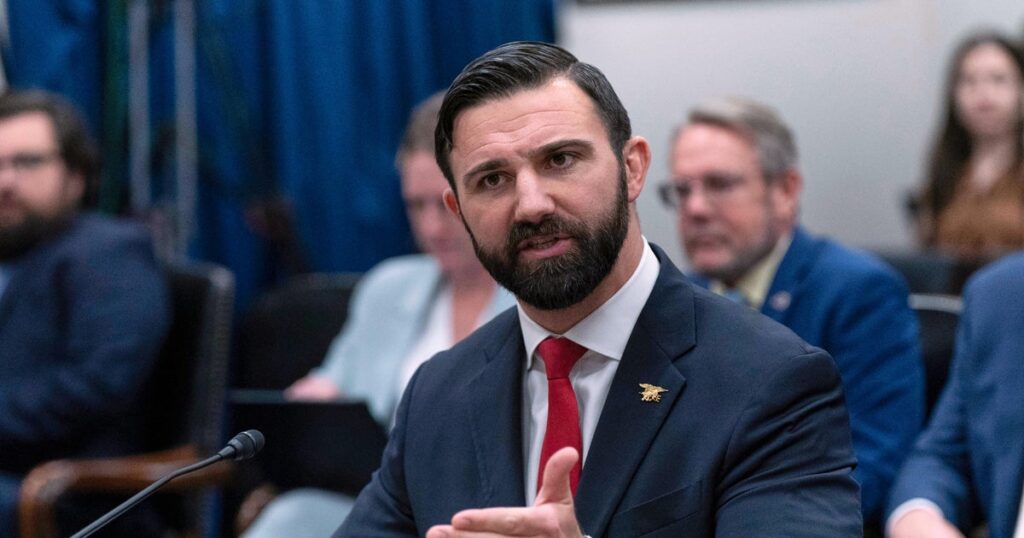
President Trump plans to nominate Cameron Hamilton as FEMA administrator nearly a year after his removal following testimony defending the agency. Hamilton, a former Navy SEAL, previously led FEMA in an acting capacity and criticized plans to dismantle the agency.
Congress returns to Washington facing critical votes on the Iran war, a prolonged DHS shutdown, and potential expulsions of members amid misconduct allegations. Lawmakers grapple with funding disputes, war powers limits, and ethics investigations as tensions rise.
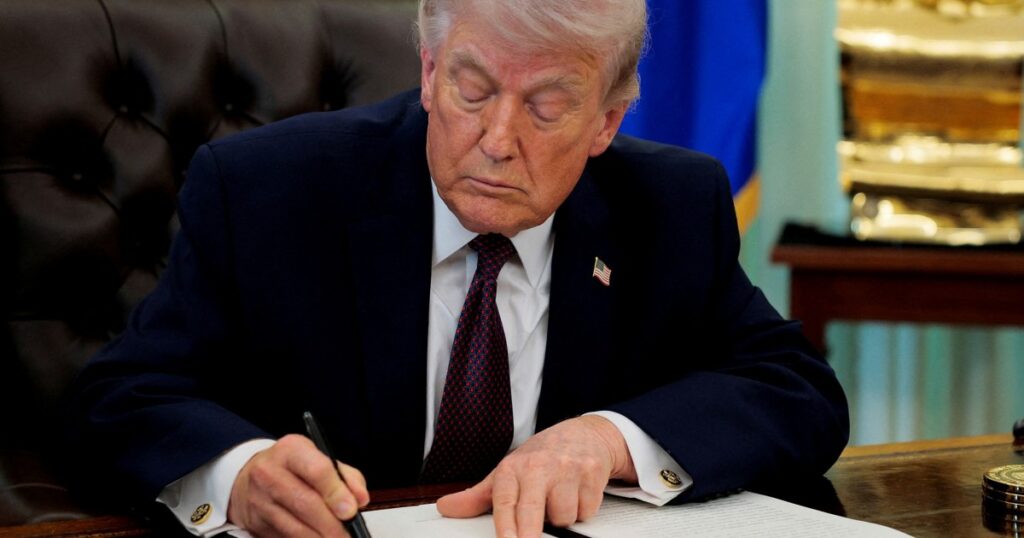
President Trump orders the Department of Homeland Security to pay all employees amid a nearly 50-day shutdown. Over 35,000 workers, including FEMA and Coast Guard civilians, have gone unpaid due to a congressional impasse over immigration policy.
The Senate advances a plan to fund most of the Department of Homeland Security as President Trump pledges to pay all DHS employees amid a partial government shutdown. Lawmakers face divisions over funding immigration enforcement agencies, with Republicans pursuing a two-track strategy to end the shutdown.
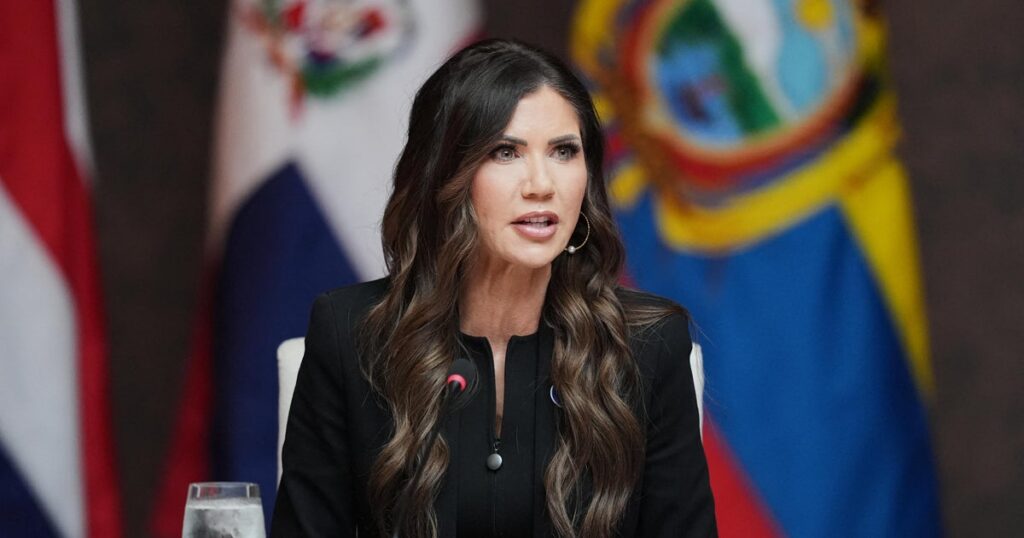
The Department of Homeland Security (DHS) has rescinded a policy requiring the secretary’s personal review of contracts over $100,000, a change expected to reduce procurement delays that previously hindered agencies like FEMA, CBP, and ICE. Secretary Markwayne Mullin emphasized empowering agency components to make decisions and has also begun reevaluating ICE’s detention facility plans. Meanwhile, amid a partial government shutdown affecting DHS operations, congressional leaders proposed a two-track funding plan to reopen DHS and address immigration enforcement funding separately, though political disagreements continue to stall progress.