
At an emergency summit in Cairo, Arab nations, led by Egypt, proposed a $53 billion plan to reconstruct the Gaza Strip, aiming to rebuild the area without displacing its over 2 million Palestinian residents. This plan, supported by the Arab League, contrasts sharply with a controversial suggestion by former U.S. President Donald Trump, which involved transforming Gaza into a luxury real estate development by displacing its current population. However, the proposal has been rejected by both the United States and Israel, who argue that Gaza is uninhabitable and support Trump's vision of redevelopment, highlighting the ongoing complexities and differing perspectives on addressing the region's challenges.
Posts tagged as “Debate Clause of the United States Constitution”
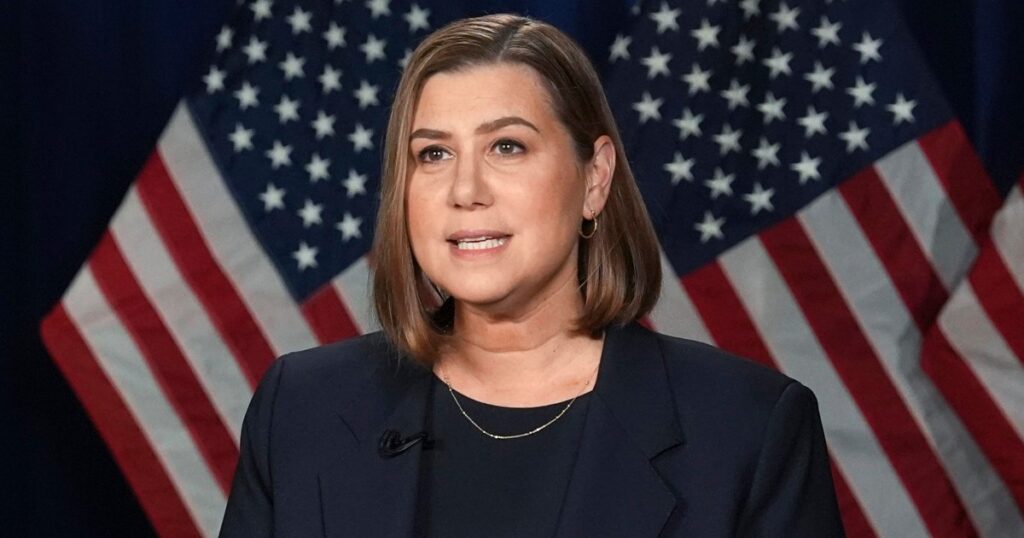
In a recent address from Wyandotte, Michigan, Senator Elissa Slotkin criticized President Donald Trump's leadership, particularly highlighting concerns over his management of the economy and foreign affairs. Slotkin referenced a contentious meeting between Trump and Ukrainian President Zelensky, suggesting that such actions could lead to economic challenges and contrasting Trump's approach unfavorably with that of former President Ronald Reagan during the Cold War. Additionally, Slotkin expressed caution over Trump's praise for the world's richest person leading the new Department of Government Efficiency, advocating for more responsible governance and reflecting broader Democratic concerns about the current administration's direction.

Florida's Attorney General, James Uthmeier, has announced a criminal investigation into Andrew and Tristan Tate following their return to the U.S. from Romania, where they face human trafficking charges. The investigation, initiated in collaboration with law enforcement agencies, involves executing search warrants and issuing subpoenas to thoroughly review the evidence. The case underscores the seriousness with which authorities are treating the allegations, as the Tates' legal troubles continue to attract international attention.
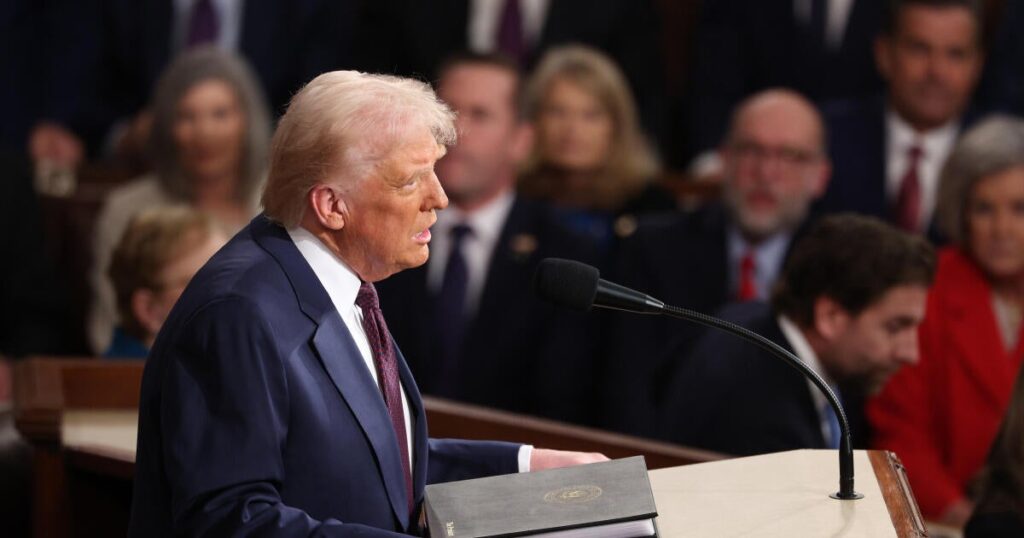
In a recent address to Congress, former President Donald Trump made several claims, including an unverified assertion that Stacey Abrams led a group receiving $1.9 billion for a "decarbonization of homes" initiative, while official records show a $2 billion grant was awarded to Power Forward Communities for sustainable housing. Trump also discussed new tariffs on the United States' largest trading partners, citing a "national emergency" due to fentanyl influx from Mexico and Canada, despite experts suggesting the crisis may be improving. The CBS News Confirmed team is fact-checking Trump's statements from his 2025 joint address, scrutinizing their accuracy and implications for policy and international relations.
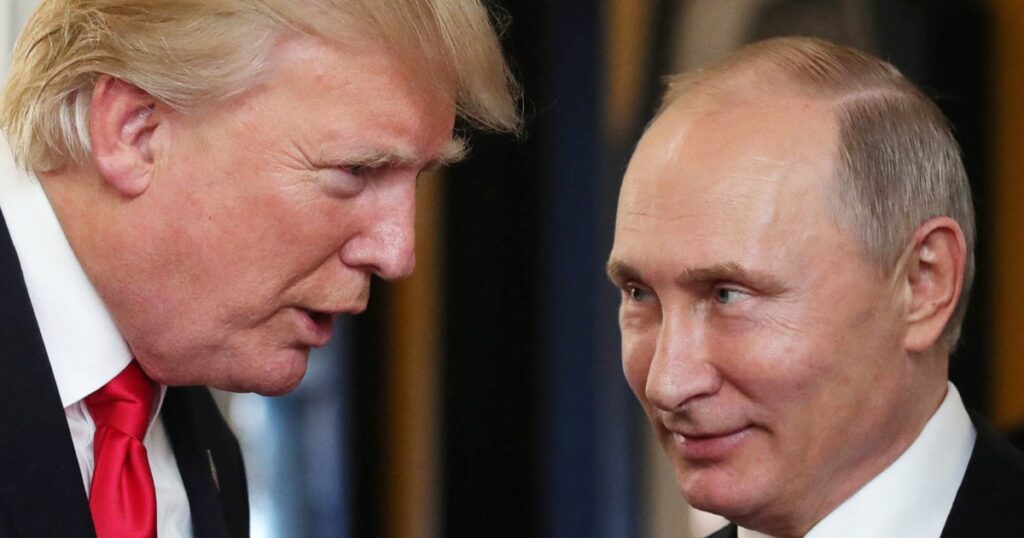
Ukrainian President Volodymyr Zelenskyy has indicated Ukraine's willingness to engage in peace talks following the U.S. decision to pause military aid, amid diplomatic tensions highlighted by a contentious meeting at the White House involving President Donald Trump and Vice President JD Vance. The meeting, which failed to finalize a key minerals agreement between the U.S. and Ukraine, has been portrayed by Russian officials and media as a sign of fragmentation within the Western alliance. Despite these diplomatic challenges, discussions on the minerals agreement continue, with U.S. Treasury Secretary Scott Bessent emphasizing ongoing efforts to sustain economic cooperation between the two nations.
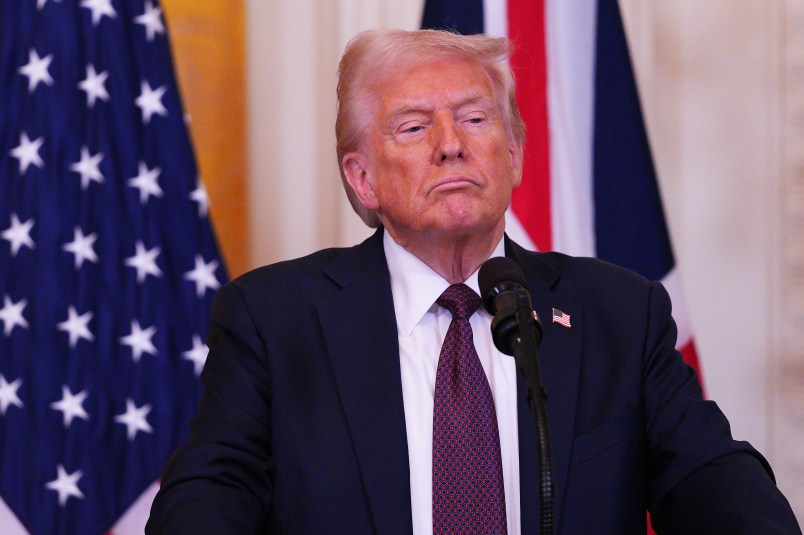
The Supreme Court is reviewing a case where the Mexican government seeks to hold U.S. gun manufacturers accountable for violence in Mexico, attributing it to firearms produced in the United States, amidst strained U.S.-Mexico relations following President Trump's policies on migration and border security. During oral arguments, justices expressed skepticism about Mexico's claims, focusing on a federal law that protects gun manufacturers from liability, suggesting the court may rule against Mexico. Concurrently, a federal judge reinstated Cathy Harris to the Merit Systems Protection Board, ruling her removal by President Trump was unlawful, while new tariffs on Mexican goods highlight ongoing trade tensions between the two nations.
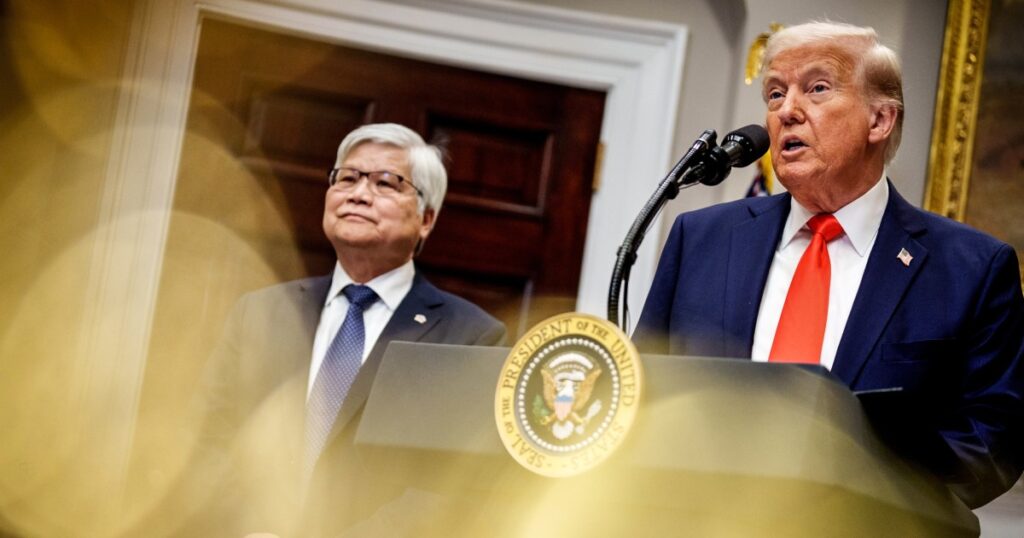
President Donald Trump announced that the United States would impose 25% tariffs on nearly all goods imported from Mexico and Canada, following unsuccessful negotiations with these key trading partners. The tariffs, set to take effect early Tuesday, signal a major shift in trade relations and have already caused significant reactions in financial markets, with major indices declining and the Nasdaq Composite dropping by 3%. As these tariffs are implemented, there is growing concern about their impact on American consumers and businesses, potentially leading to higher prices and affecting supply chains, highlighting the complexities of international trade policy.
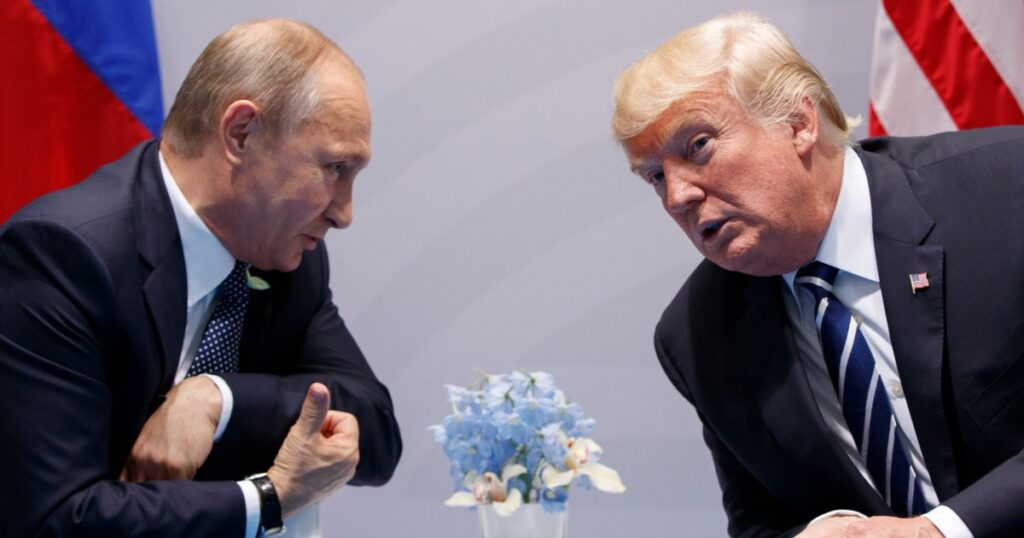
The Atlanta Federal Reserve has revised its forecast for the U.S. economy in the first quarter of 2025, predicting a 2.8% GDP contraction due to economic uncertainty and anticipated tariff changes. Concurrently, a significant shift in U.S. foreign policy under former President Donald Trump has moved the nation away from its strong alliance with Ukraine, realigning towards Russia and disrupting the previous bipartisan consensus. This realignment has caused concern among European allies and supporters of Ukraine, while being welcomed by conservative populists advocating for closer ties with Moscow.