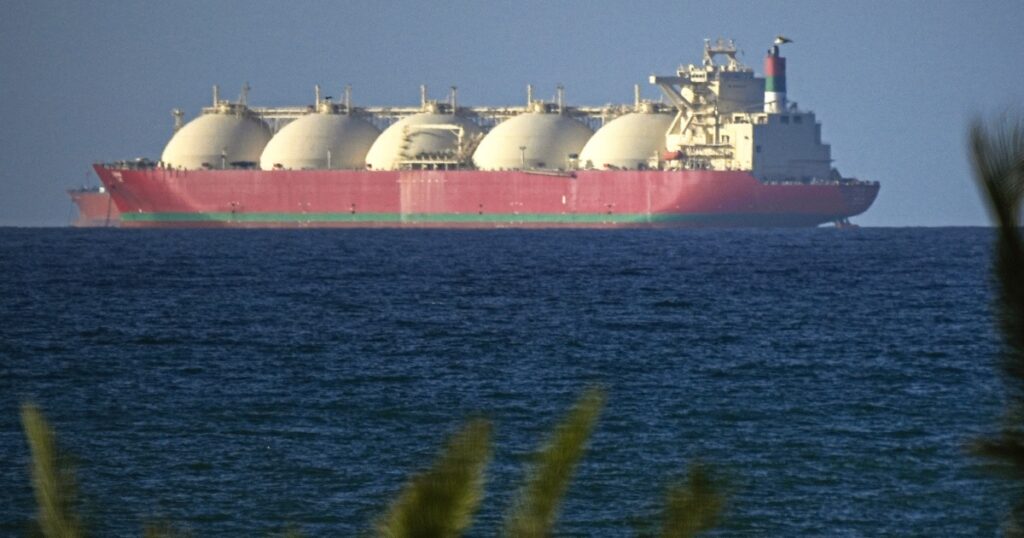
Despite a ceasefire between the US and Iran, traffic through the Strait of Hormuz remains far below normal levels, with only a handful of ships passing through the crucial oil shipping route. Iran’s restrictions and regional tensions continue to complicate safe passage.
Posts tagged as “British European Airway”
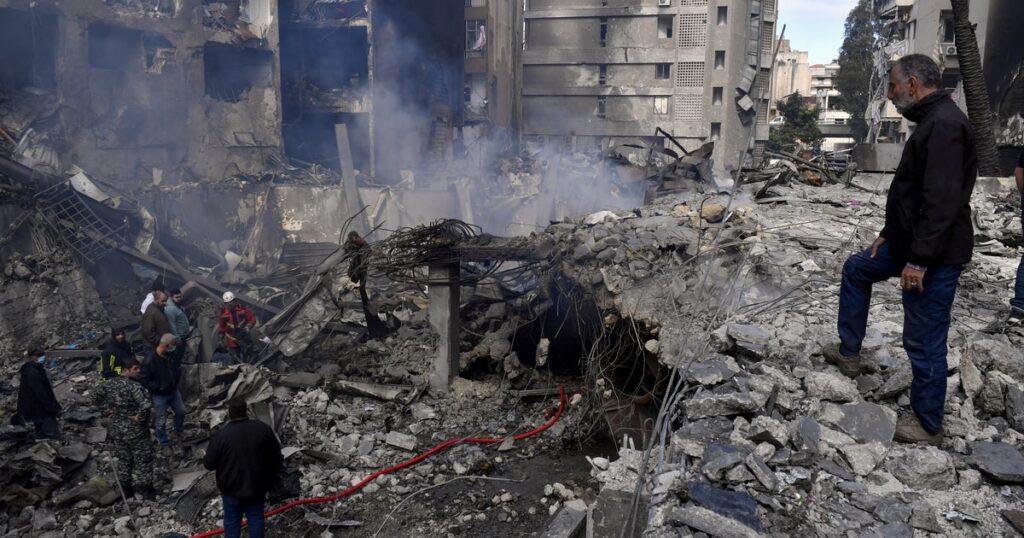
Israel's intensified strikes on Lebanon kill over 200, threatening the fragile US-Iran ceasefire. Global leaders call for inclusion of Lebanon in the truce as Hezbollah retaliates with rocket fire into Israel.
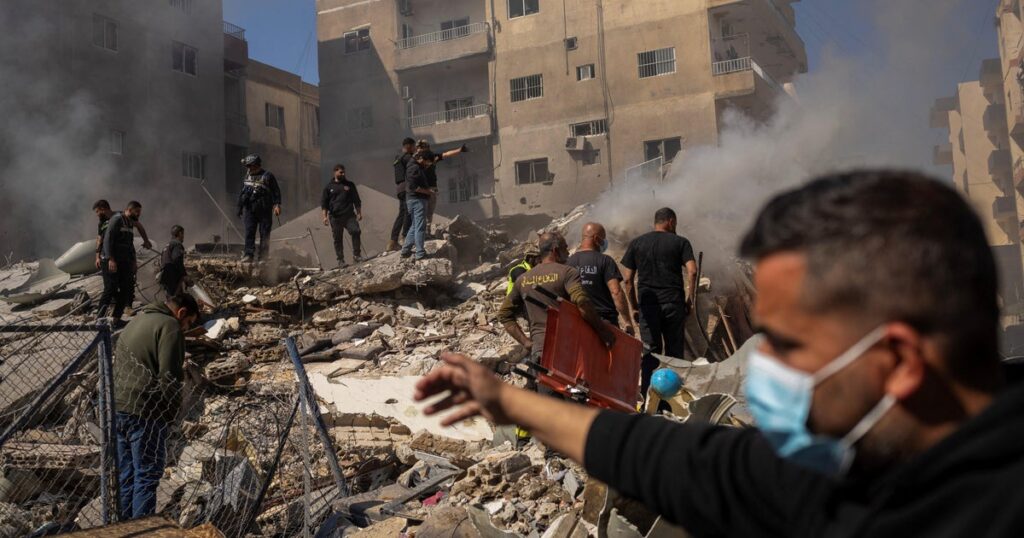
A two-week ceasefire between Iran and the U.S. takes effect amid ongoing Israeli strikes in Lebanon. While markets rally and tanker traffic resumes in the Strait of Hormuz, Israel continues its campaign against Hezbollah, complicating prospects for lasting peace.

Stocks surged and oil prices plunged after a two-week ceasefire was announced between the U.S. and Iran, easing fears of a prolonged energy crisis. Despite the positive market reaction, analysts caution that uncertainty remains about the future of shipping through the Strait of Hormuz and the durability of the ceasefire.
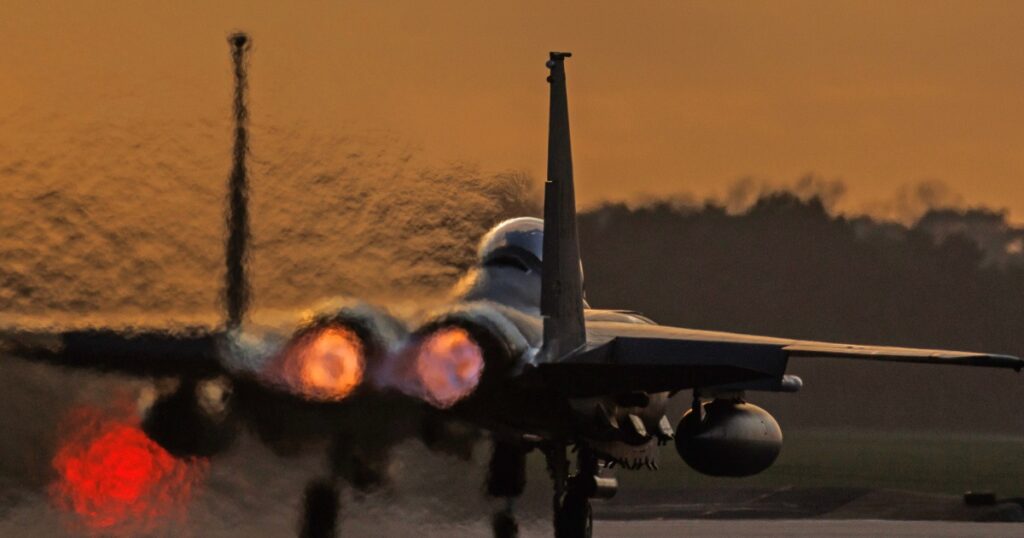
A U.S. F-15E fighter jet was shot down over Iran, prompting a risky rescue mission amid ongoing conflict. Despite U.S. claims of air superiority, Iran retains significant military capabilities and continues attacks across the Middle East.
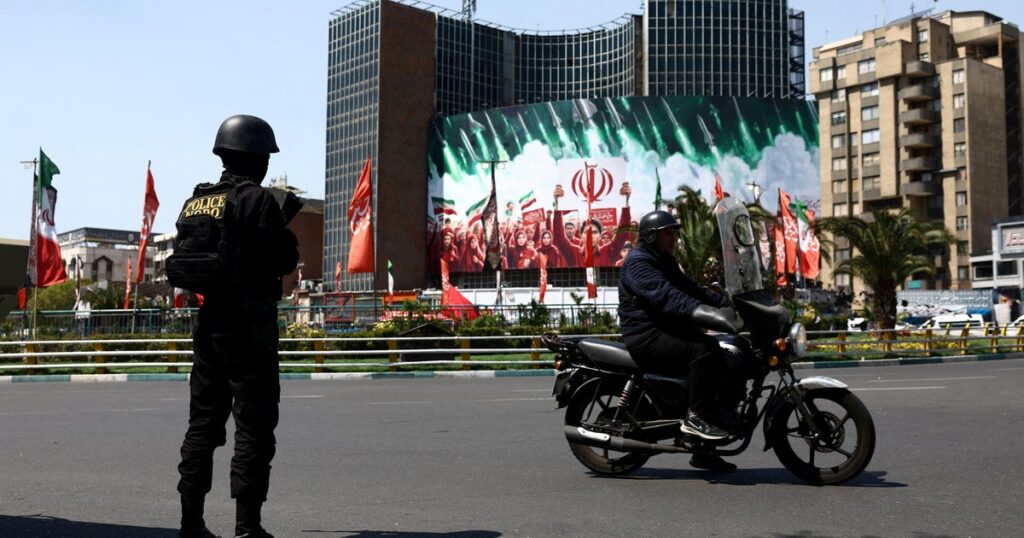
President Donald Trump indicated that U.S. military operations against Iran could end within two to three weeks, leading to a decline in oil prices and gains in global stock markets amid hopes for de-escalation. Trump also threatened to withdraw the U.S. from NATO over European allies’ lack of support for the Iran campaign, raising concerns among members and potentially benefiting Russia. Meanwhile, Pakistan has offered to mediate peace talks between the U.S. and Iran, backed by regional powers, but its efforts are complicated by ongoing conflict with Afghanistan that threatens regional stability.
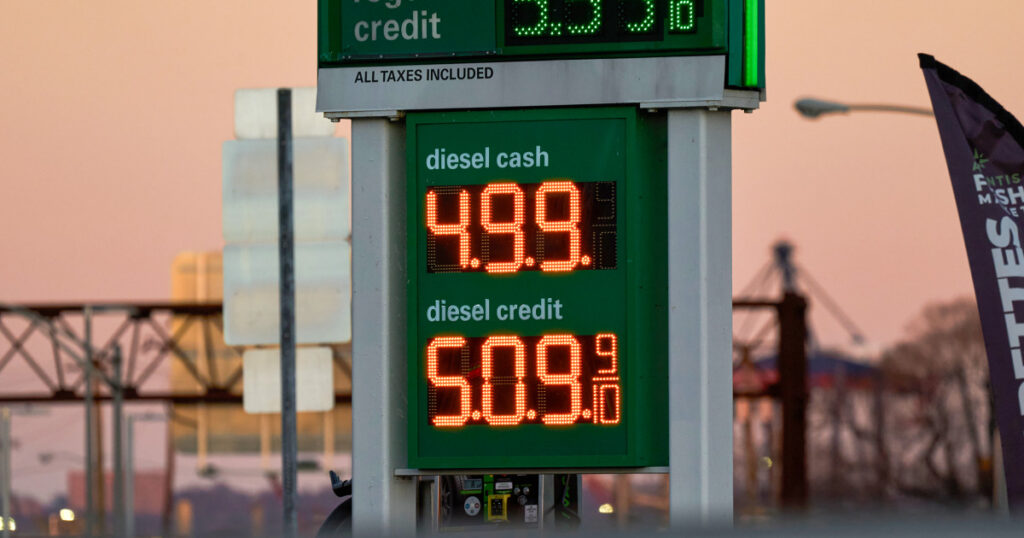
Gasoline and diesel prices in the U.S. have surged to levels not seen since mid-2022, driven by escalating conflict involving Iran and disruptions to oil supply through the Strait of Hormuz. The war has caused crude oil prices to rise sharply, with diesel reaching $5.45 per gallon and gasoline surpassing $4.00, leading to significant economic impacts such as reduced consumer spending and increased household fuel expenses. Globally, energy-dependent countries face inflation and economic slowdowns as the conflict continues to disrupt oil markets.

European officials and Ukrainian President Volodymyr Zelenskyy have raised alarms over Russia’s deepening military cooperation with Iran, particularly involving intelligence sharing and drone technology that targets U.S. forces in the Middle East and supports Russia’s efforts in Ukraine. Zelenskyy provided evidence of Russian satellites aiding Iranian attacks on American bases and highlighted Ukraine’s efforts to share anti-drone technology with Gulf states facing Iranian aggression. This growing alliance complicates U.S. military resource allocation and diplomatic negotiations, with Zelenskyy emphasizing the need for sustained Western support amid stalled peace talks and shifting geopolitical priorities.