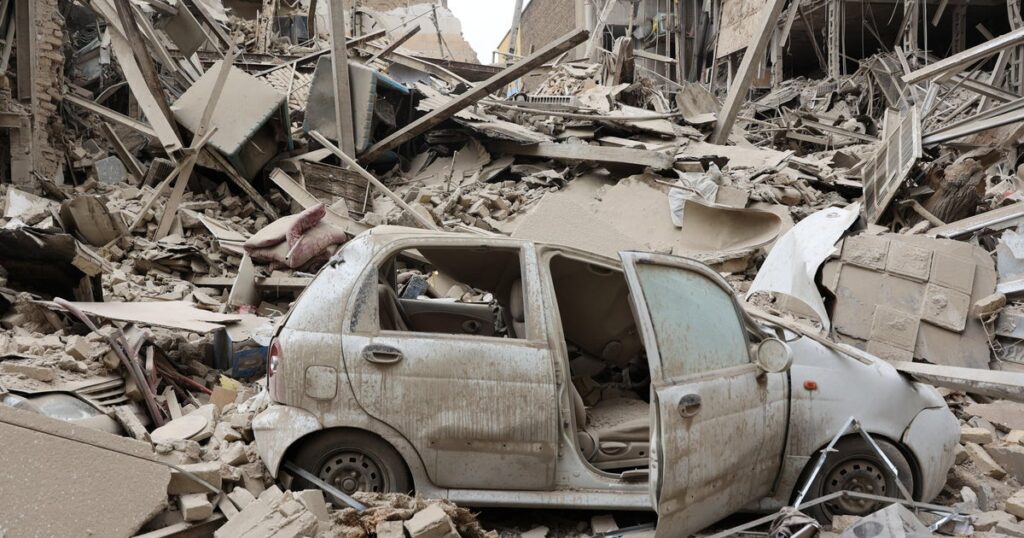
President Donald Trump has urged countries dependent on oil shipments through the Strait of Hormuz to help reopen the waterway, which Iran has effectively closed amid escalating regional conflict following a U.S.-Israeli military campaign. However, many traditional U.S. allies, including European and Pacific nations, have declined to participate in securing the strait, emphasizing diplomacy and conflict resolution over military involvement. The ongoing tensions have driven up global oil prices, strained international relations, and resulted in significant military engagements and regional instability.
Posts tagged as “British Defense Ministry”
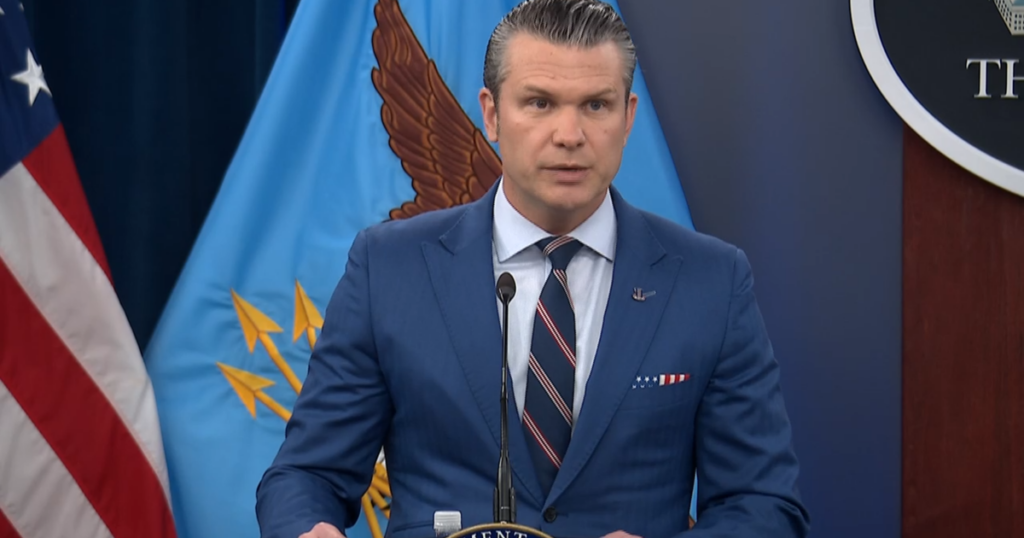
The Pentagon provided updates on the U.S.-Iran conflict, reporting a significant reduction in Iran’s missile capabilities and ongoing investigations into a recent U.S. tanker crash in Iraq. Despite extensive U.S. strikes on Iranian targets, Iranian attacks continue, impacting global oil prices and prompting temporary easing of sanctions on Russian oil to stabilize markets. Public opinion remains divided over the conflict, with mixed messaging from U.S. officials and Iran asserting its intent to control the Strait of Hormuz and sustain attacks in the region.
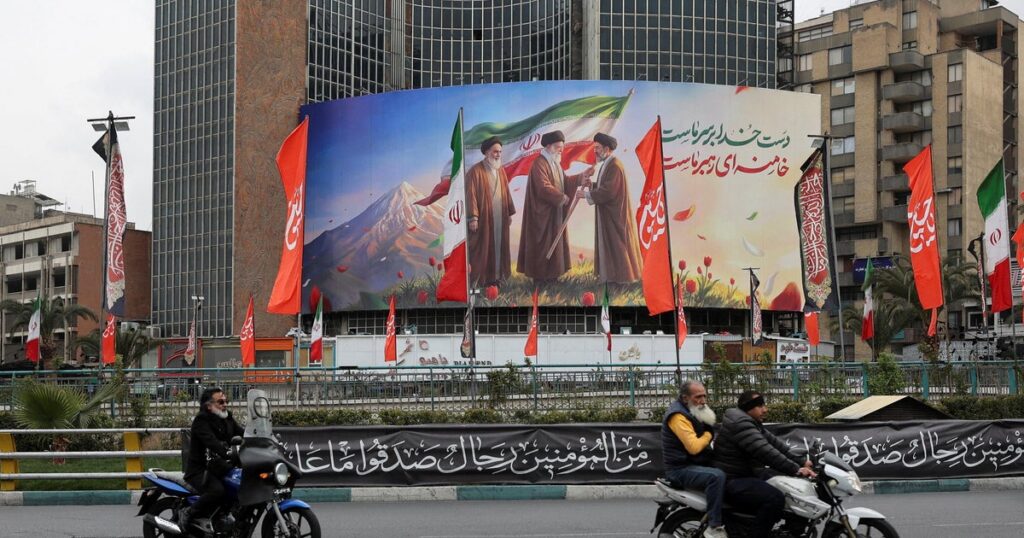
Oil prices have surged due to the escalating Middle East conflict, which has disrupted shipping through the strategic Strait of Hormuz and drawn significant military attention from the U.S. and its allies. Russia has emerged as a key beneficiary of rising energy prices, potentially increasing its oil revenues and military spending amid the ongoing Ukraine war. Meanwhile, the conflict intensifies with attacks on Gulf countries, heightened regional military deployments, and diplomatic efforts to support affected nations and maintain global energy security.
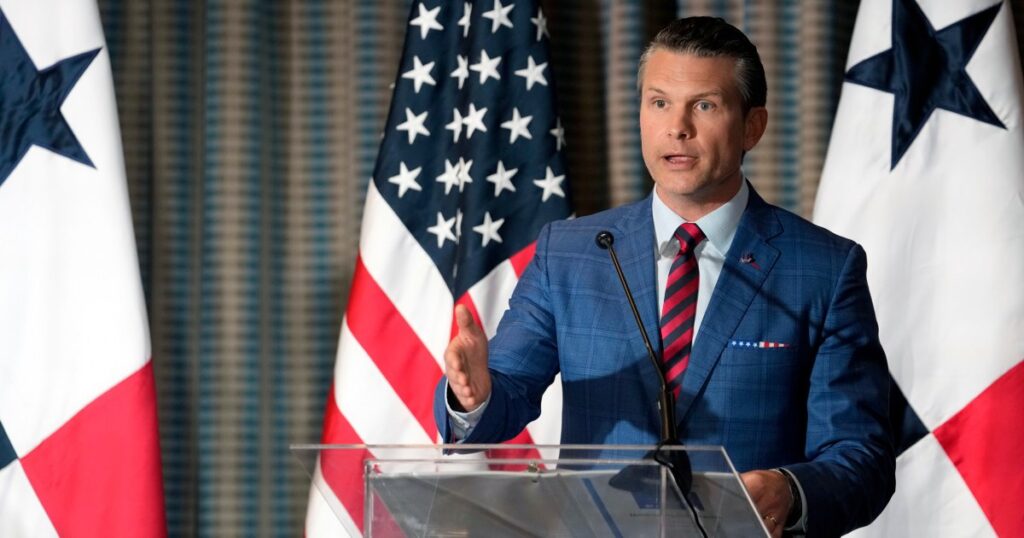
Defense Secretary Pete Hegseth reportedly shared sensitive U.S. military information regarding operations in Yemen through a private Signal group chat, which included his wife, brother, and personal attorney. The incident has raised concerns about the handling of sensitive information by senior officials, especially since Hegseth used his personal phone despite warnings about unsecured communication channels. The inclusion of non-official individuals in the chat has further intensified scrutiny and sparked discussions on the protocols for safeguarding national security information.
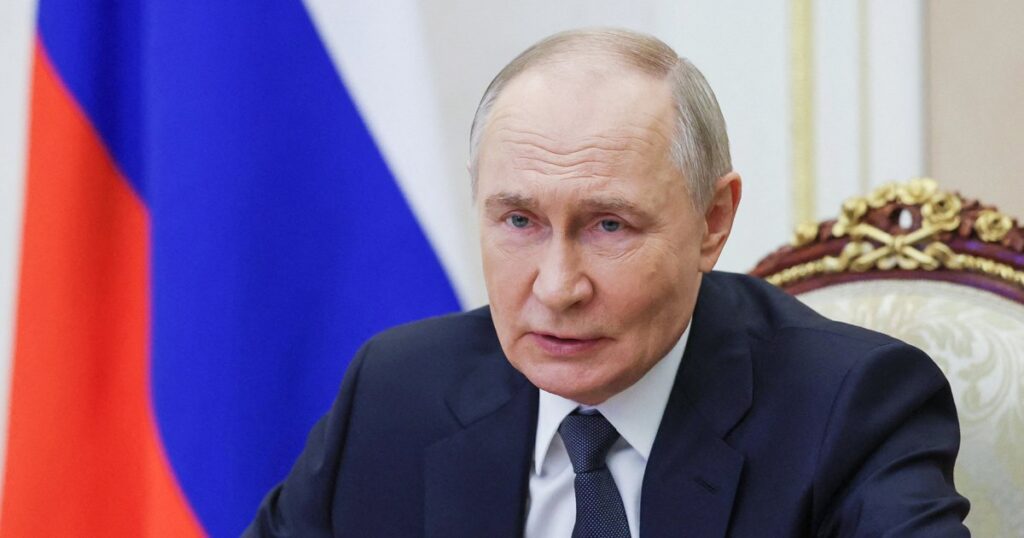
Russian President Vladimir Putin has announced a temporary ceasefire in Ukraine to coincide with the Easter holiday, beginning at 1800 hours on Saturday and lasting until midnight on Sunday. The ceasefire aims to provide a pause in the three-year conflict, with Putin urging Russian forces to remain vigilant and expressing hope that Ukraine will reciprocate the gesture. This announcement comes as Russia's Defense Ministry reports progress in military operations, and the international community will be observing whether the truce holds and leads to further diplomatic efforts.
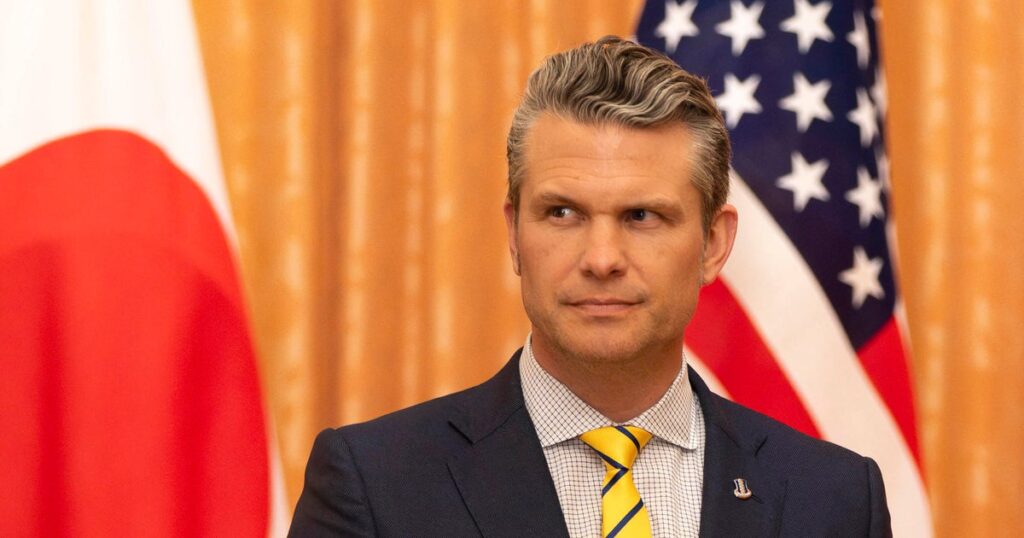
The Pentagon's Office of the Inspector General has launched an investigation into the use of a commercial messaging app by the Secretary of Defense and other personnel to ensure compliance with Department of Defense policies for official communications. This probe was prompted by a report revealing that high-profile officials, including Defense Secretary Pete Hegseth, were allegedly discussing sensitive military operations on Signal, raising concerns about security breaches. The investigation highlights the critical need for adherence to cybersecurity protocols in government communications and may influence future policies on using commercial messaging platforms for official purposes.
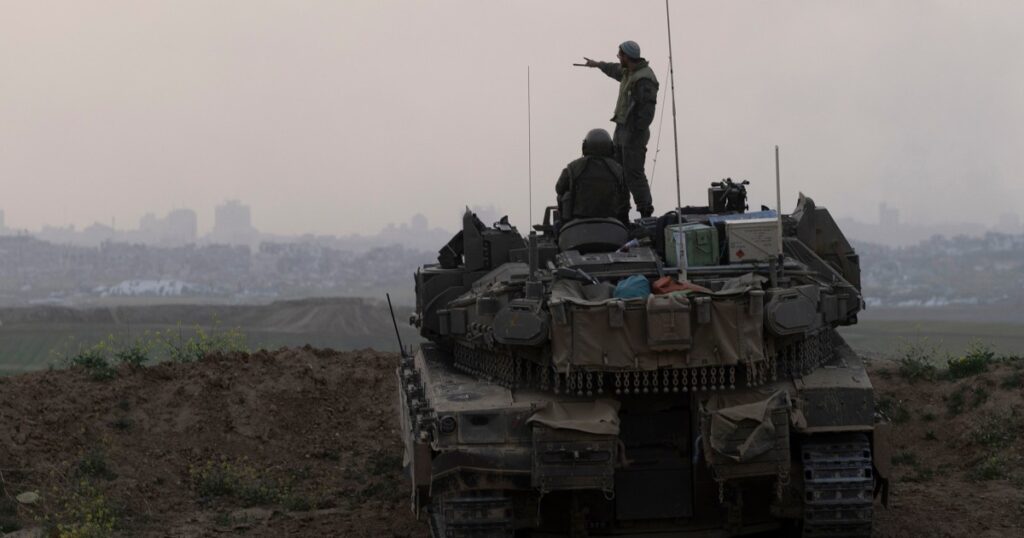
Israel has intensified its military operations in the Gaza Strip, with Defense Minister Israel Katz announcing plans to expand security zones to "crush and clean the area" of militants, as part of a broader strategy to enhance security following recent escalations. Despite a ceasefire proposal reportedly approved by Hamas, the specifics remain unclear, and Katz emphasized the necessity of a large-scale evacuation in affected areas. The expansion, particularly in the southern part of Gaza and the Netzarim corridor, is seen by Israel as crucial for national security, but it has raised concerns over humanitarian impacts and further encroachment on Palestinian territory.
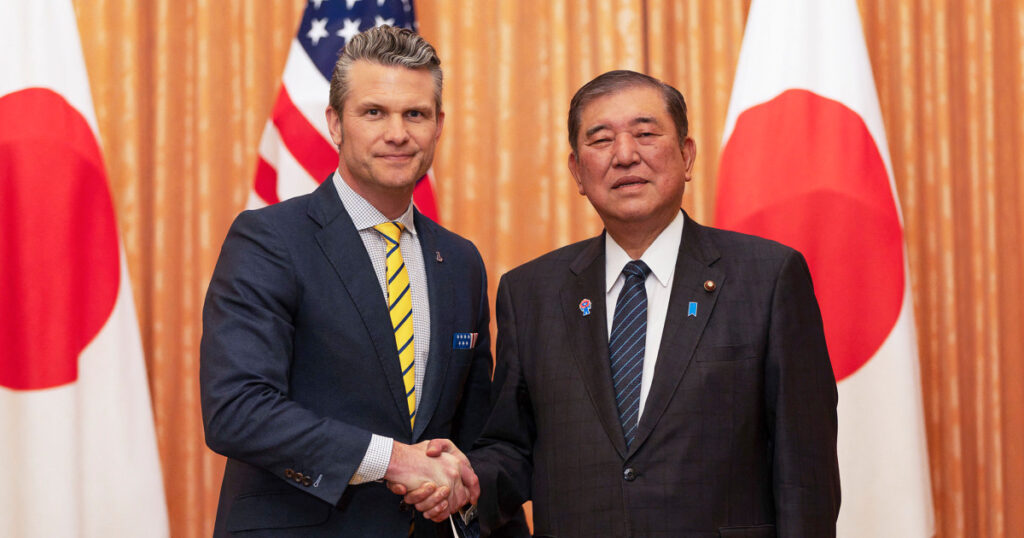
North Korea has criticized a recent agreement between Japan and the United States to co-produce air-to-air missiles, viewing it as part of a broader strategy by Washington to militarize Japan and increase regional security risks. This development, alongside China's announcement of large-scale military drills around Taiwan, underscores the heightened tensions in the region, with both North Korea and China perceiving these actions as threats to regional stability. As the geopolitical landscape becomes more complex, regional powers continue to grapple with issues of security and sovereignty, with Taiwan's pursuit of independence and the U.S.-Japan military collaboration adding to the discourse.