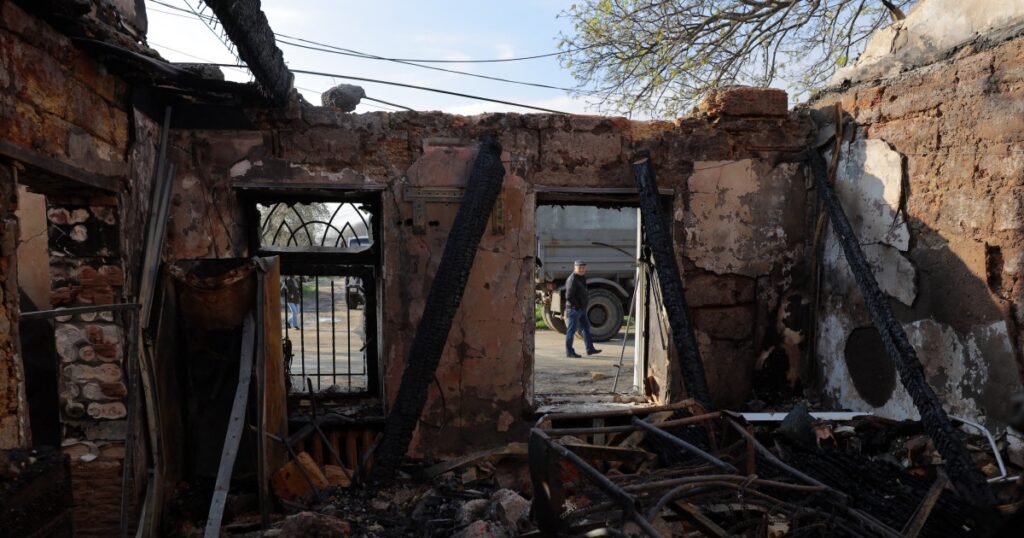
Russian drone strikes killed two and wounded two in Odesa ahead of a 32-hour Orthodox Easter ceasefire. A prisoner exchange returned 175 Russian soldiers, while both sides prepared for the ceasefire amid ongoing tensions.
Posts tagged as “British Defense Ministry”
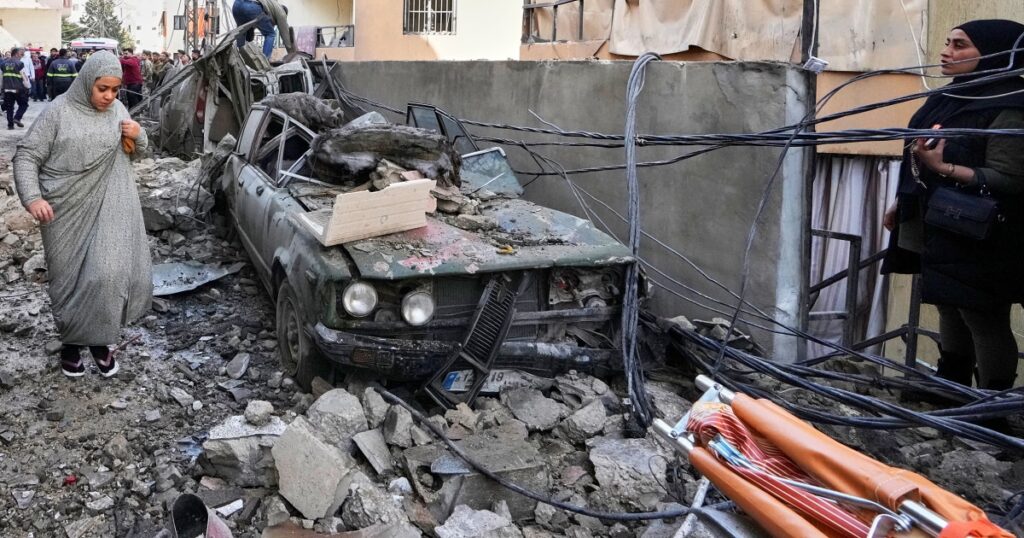
The Trump administration has been considering a high-risk operation involving the Joint Special Operations Command to seize Iran's enriched uranium stockpiles amid ongoing military efforts targeting Tehran and its allies. While initial U.S.-Israel campaigns focused on Iran's conventional military assets, the strategy has shifted toward preventing Iran from acquiring nuclear weapons, despite challenges posed by Iran's continued enrichment and regional counterattacks. Concurrently, escalating conflict in Lebanon, driven by Israeli strikes against Hezbollah and fears of a ground invasion, has displaced thousands and heightened tensions along the border, with uncertain prospects for a lasting resolution.
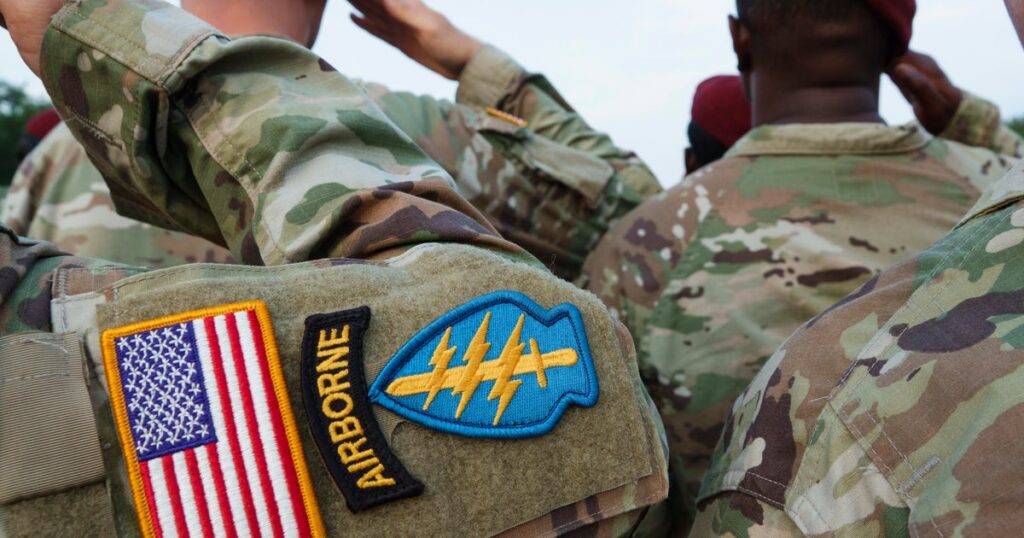
The U.S. Department of Defense has been engaging with families of fallen service members while preparing for a possible deployment of ground troops to the Middle East amid ongoing tensions with Iran. Defense Secretary Pete Hegseth reported that many families urged the continuation of the mission, though some, like Charles Simmons, expressed uncertainty about the war’s necessity. Meanwhile, Pentagon officials are readying forces including the 82nd Airborne Division and Marine units, even as President Trump denies immediate plans to send troops, emphasizing that preparations aim to preserve strategic options.
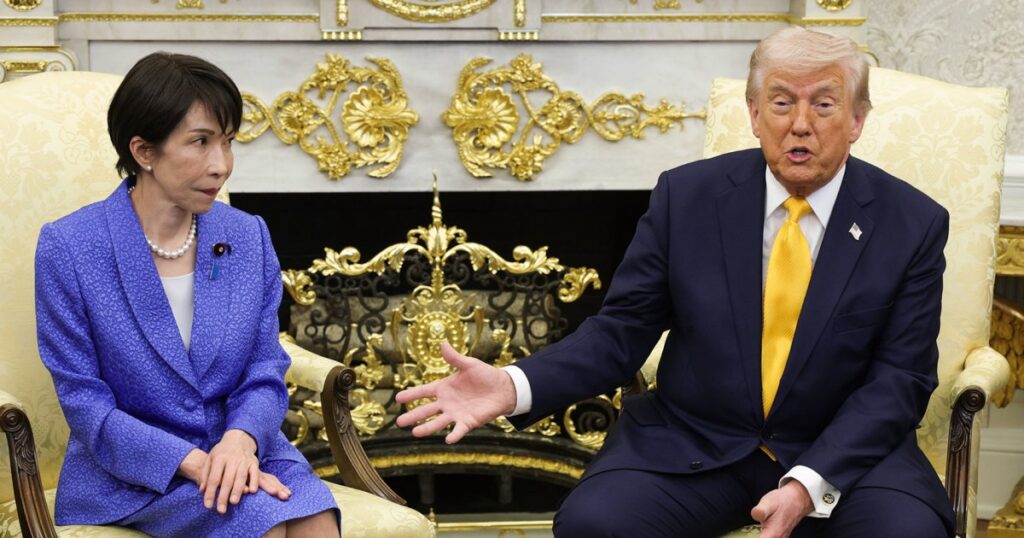
The Trump administration is reportedly preparing to request over $200 billion in emergency supplemental funding from Congress to support ongoing military operations in Iran, potentially using the request to retroactively justify the conflict. While House Speaker Mike Johnson and Defense Secretary Pete Hegseth have not ruled out the large funding package, lawmakers, especially Democrats, have expressed concerns about the lack of congressional authorization and the political challenges in passing such a bill. President Trump defended the surprise nature of the strikes on Iran, compared them to Pearl Harbor, confirmed the funding request, and downplayed the economic impact despite disruptions in the Strait of Hormuz.
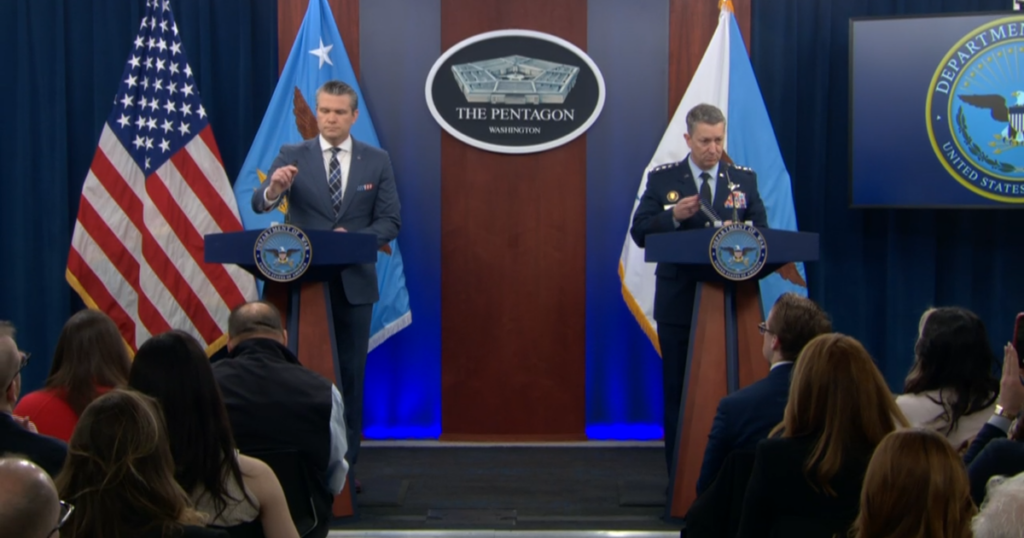
The United States and Israel have escalated military strikes against Iran, with the U.S. conducting over 7,000 attacks on Iranian military and industrial sites as part of Operation Epic Fury, while Israel targeted key Iranian officials and energy infrastructure. These actions have heightened tensions and disrupted global energy markets, prompting President Trump to warn Israel against further attacks on shared resources unless provoked by Iran, and calls for international efforts to reopen the closed Strait of Hormuz. Despite significant damage to Iran’s capabilities, intelligence reports indicate the regime remains intact, amid ongoing investigations into leaks related to the conflict and revelations of covert coordination between the U.S. and Israel.
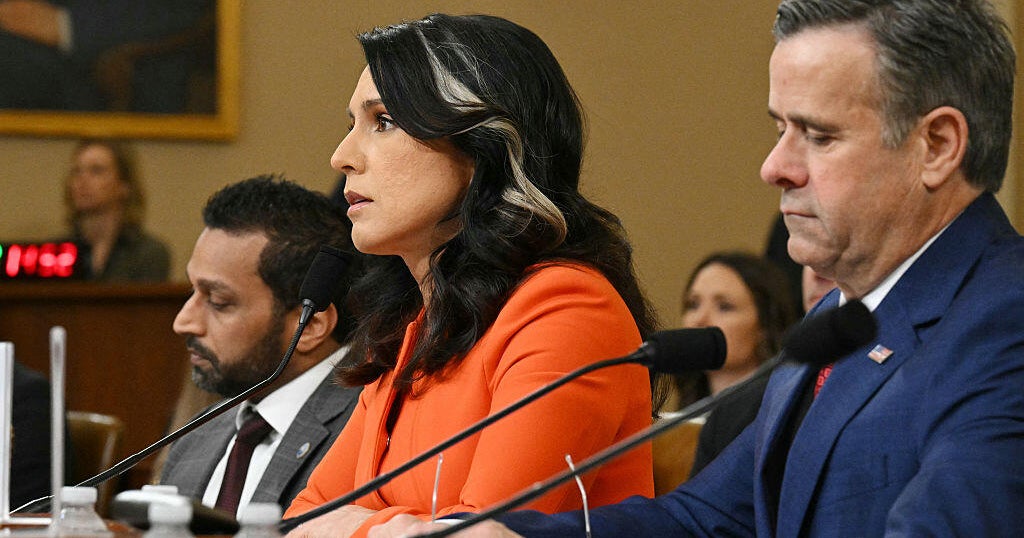
Top U.S. intelligence officials, including Director of National Intelligence Tulsi Gabbard, testified before the Senate Intelligence Committee amid heightened tensions following the U.S. military campaign against Iran, which was justified by the Trump administration as a response to an imminent threat despite intelligence reports indicating Iran was not actively pursuing nuclear weapons. The hearing occurred shortly after the resignation of Joe Kent, head of the National Counterterrorism Center, who criticized the administration’s rationale for war, while lawmakers remain divided over calls for greater transparency and public hearings on the conflict. As the debate over oversight continues, Democratic lawmakers push for more disclosure, whereas many Republicans argue that classified briefings suffice to protect national security.
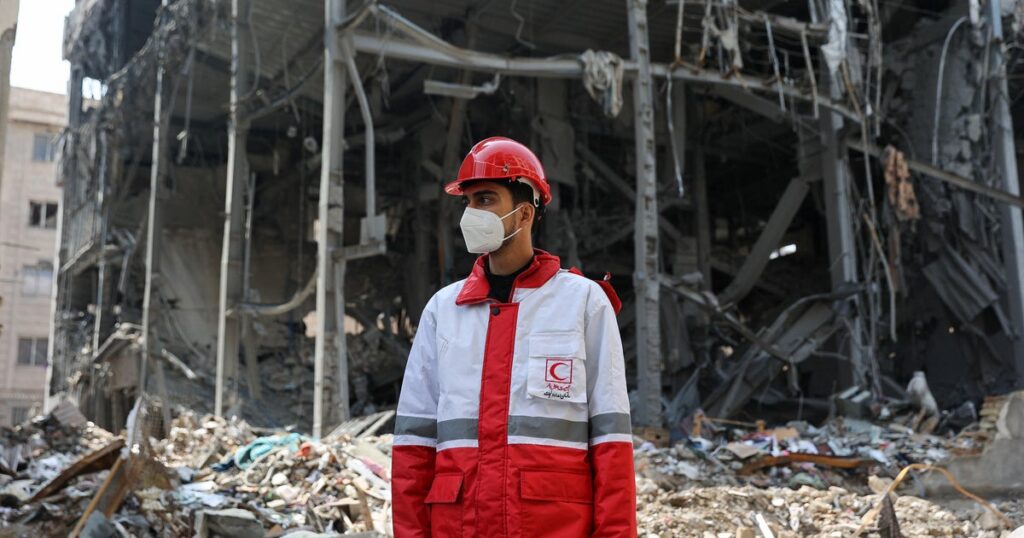
Iran launched missile and drone attacks on Israel and Persian Gulf states following Israeli airstrikes that killed senior Iranian officials, escalating the Middle East conflict with casualties reported near Tel Aviv and Beirut. Israeli Defense Minister Israel Katz vowed to target all senior Iranian figures and hinted at intensified military operations, while Iran maintained governmental stability despite losses and condemned U.S.-Israeli strikes on its territory. The conflict has triggered regional diplomatic efforts, disrupted global oil markets, and sparked controversy within the U.S. administration, including the resignation of a counterterrorism official critical of the war’s justification.

Israel announced the killing of Ali Larijani, a top Iranian security official and former head of Iran's Supreme National Security Council, along with several associates in overnight airstrikes, marking a significant escalation in the conflict with Iran. Larijani’s death removes a key insider known for balancing military action with negotiation, potentially hardening Iran’s stance, while Israel also targeted General Gholam Reza Soleimani, accused of repressing protesters. These assassinations have heightened regional tensions, disrupted global oil markets, and may entrench hardline factions in Iran, reducing prospects for a political resolution.