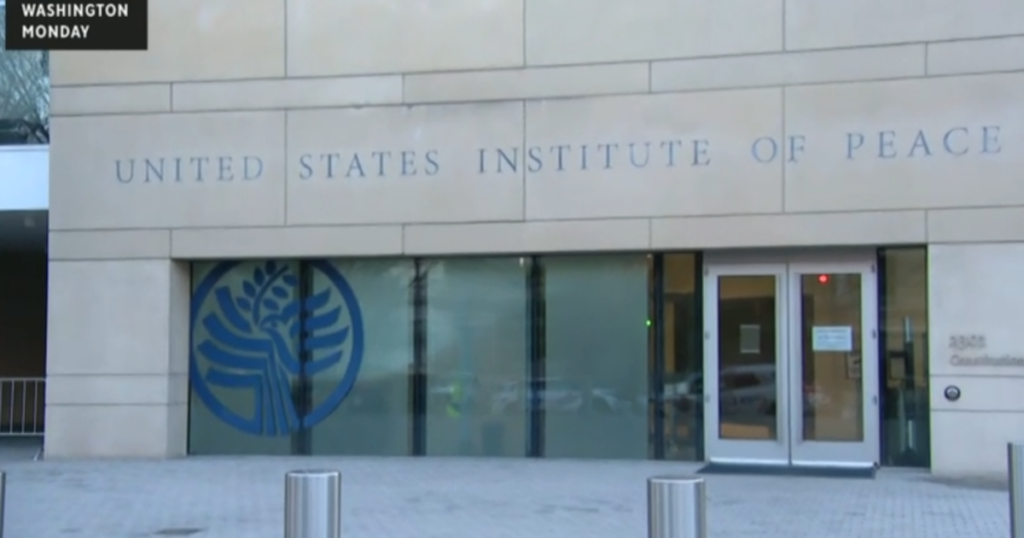
Recent developments at the U.S. Institute of Peace have revealed complex issues involving power dynamics and governance, following the involvement of the DC Metropolitan Police Department and the alleged new directors. U.S. District Judge Beryl Howell is considering nullifying the removal of board members after the White House Presidential Personnel Office issued termination notices, amid broader challenges to the White House Department of Government Efficiency's attempts to control the nonprofit. Despite ongoing legal challenges, a federal judge has declined to halt the White House's takeover efforts, drawing attention to potential abuses of power and raising questions about the Institute's governance.
Posts tagged as “Beryl A. Howell”
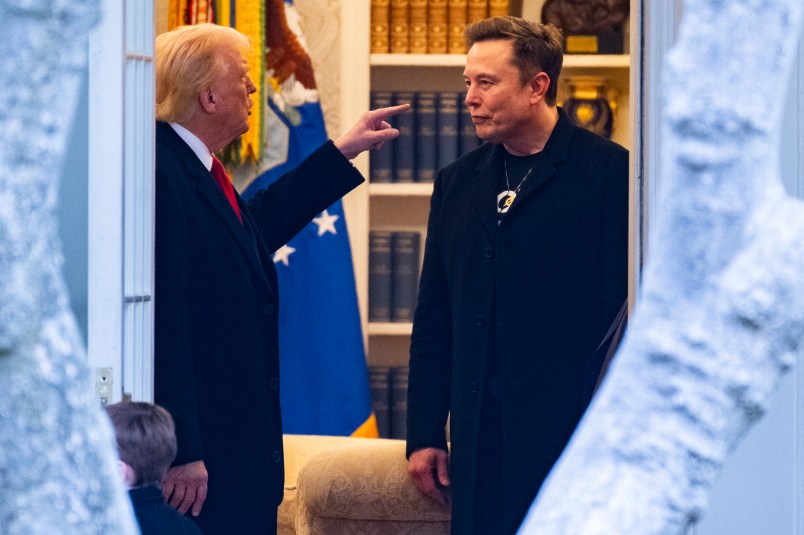
U.S. District Judge Beryl Howell ruled against the immediate reinstatement of several board members dismissed from the U.S. Institute of Peace, despite expressing disapproval of the White House Department of Government Efficiency's approach. The case centers on the unique status of the Institute as an independent charitable corporation established by Congress, with Judge Howell citing legal precedent and determining that the board members were unlikely to succeed on the merits of their case. The controversy, sparked by termination notices sent by the White House under the Trump administration, underscores ongoing tensions between the executive branch and independent agencies, with potential implications for governance and executive power.
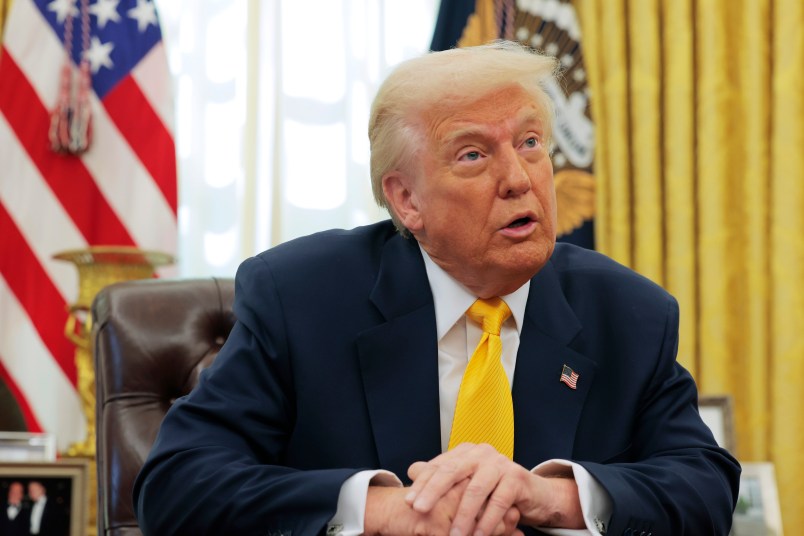
A federal judge has temporarily blocked certain provisions of an executive order issued by former President Donald Trump that targeted the law firm Perkins Coie, citing violations of the firm's First Amendment rights. The order had imposed restrictions on the firm's operations, including bans on entering government buildings and contacting federal officials, which were perceived as retaliatory due to the firm's past representation of Hillary Clinton. Judge Beryl Howell's decision highlights the ongoing legal challenges related to actions from the Trump administration and underscores the judiciary's role in balancing political actions with legal rights.
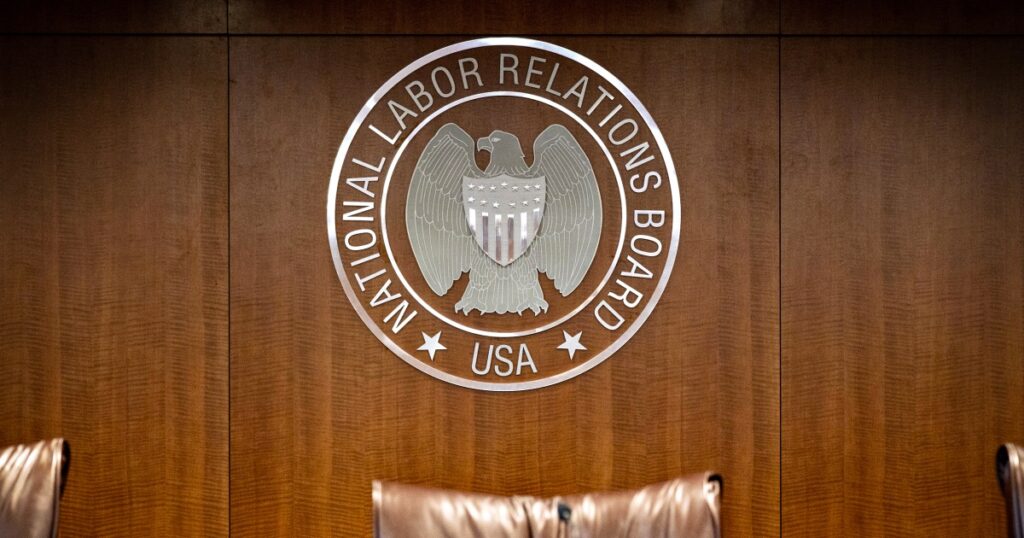
U.S. District Judge Beryl Howell ruled that former President Donald Trump's dismissal of Gwynne Wilcox from the National Labor Relations Board (NLRB) was unlawful, ordering her reinstatement. The decision criticized Trump's expansion of executive power, particularly through the unitary executive theory, and emphasized the constitutional limits on presidential authority to remove NLRB members. This ruling highlights the importance of checks and balances in the federal government and underscores the judiciary's role in maintaining the independence of agencies like the NLRB.
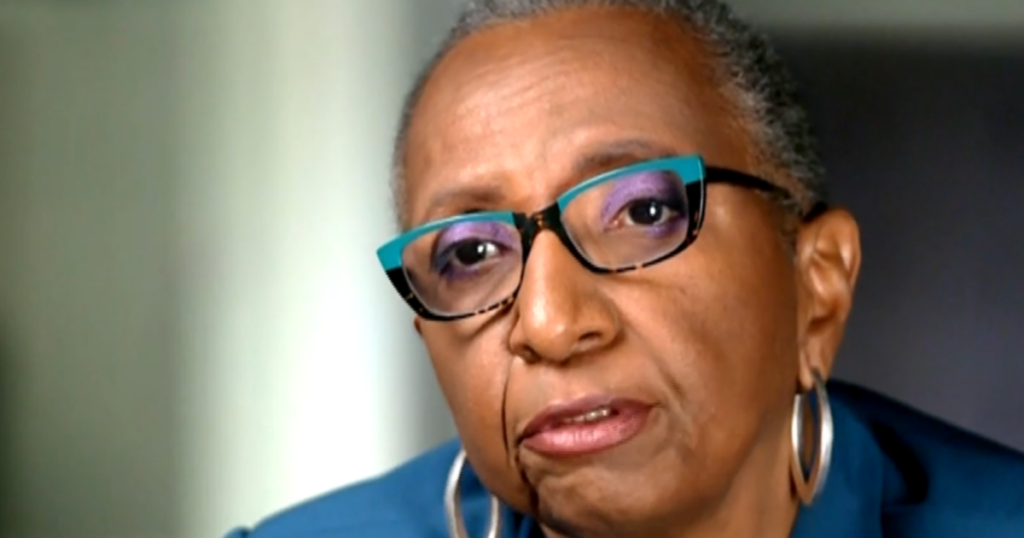
A federal judge in Washington, D.C., has ruled that former President Donald Trump's dismissal of National Labor Relations Board member Gwynne Wilcox was unlawful, as it violated federal law protecting board members from removal except for "neglect of duty or malfeasance in office." This decision by Judge Beryl Howell highlights the constitutional checks on presidential power over independent federal agencies, aiming to prevent executive overreach and autocratic governance. Additionally, a former head of a whistleblower agency has withdrawn his lawsuit challenging his termination by Trump, contributing to the broader discourse on the separation of powers and the role of independent agencies in the federal government.
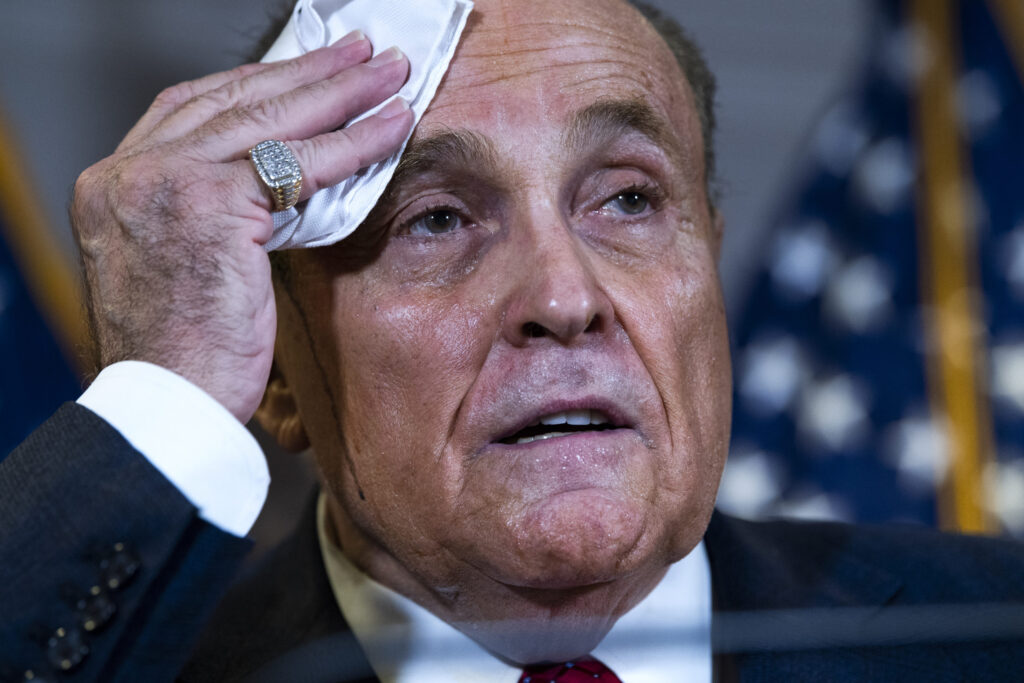
U.S. District Judge Beryl A. Howell has ruled that former President Donald Trump's lawyer Rudy Giuliani must pay punitive damages to two Georgia election workers for failing to turn over discovery documents in a civil lawsuit. Judge Howell found Giuliani legally liable for defaming the mother-daughter duo, who were targeted and threatened due to conspiracy theories spread by Trump allies. Giuliani's failure to comply with his discovery obligations has resulted in a costly consequence for him, serving as a reminder that taking shortcuts to win an election carries risks.