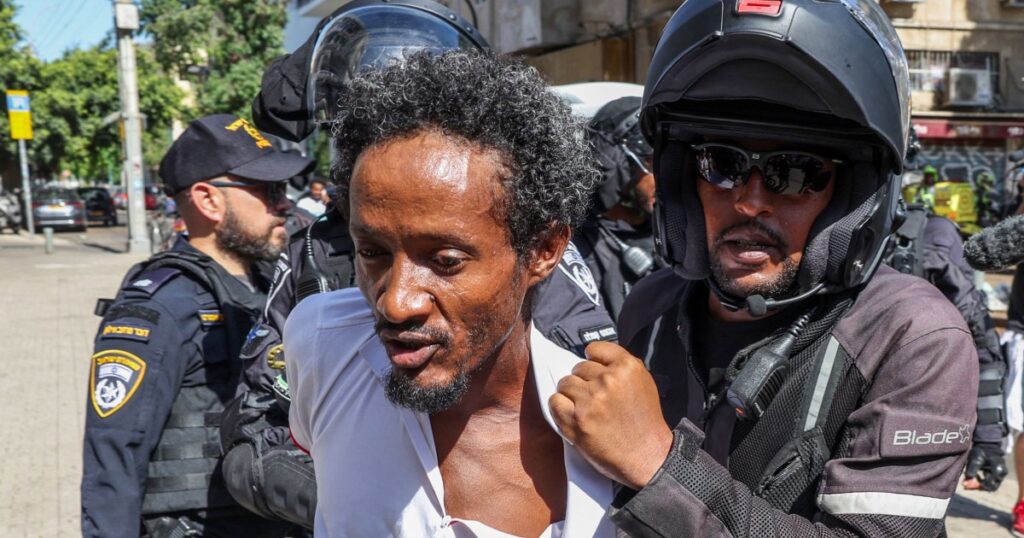
Following a violent clash between Eritrean migrants in Tel Aviv, Israeli Prime Minister Benjamin Netanyahu has ordered a plan to remove all African migrants from the country. Netanyahu's remarks have sparked debate in Israel, with some arguing for the migrants to stay and others saying they should be deported. The issue of African migrants in Israel has been a source of contention for years, with the government previously attempting to deport them but facing legal challenges.
Posts tagged as “Benjamin Netanyahu”
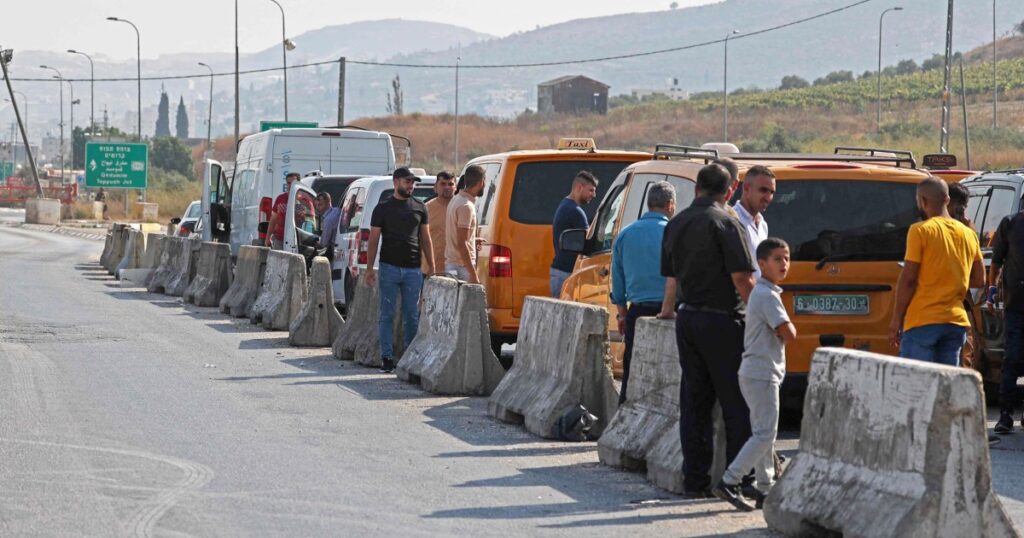
The Israeli military has responded to a recent surge in violence in the northern West Bank with increased security measures, including searches for suspects and roadblocks. This follows a shooting attack that killed two Israelis and a raid that left a 19-year-old Palestinian dead. The United Nations has expressed deep concern and called for an end to all acts of violence, while the Israeli government has condemned the attack and vowed to take action.
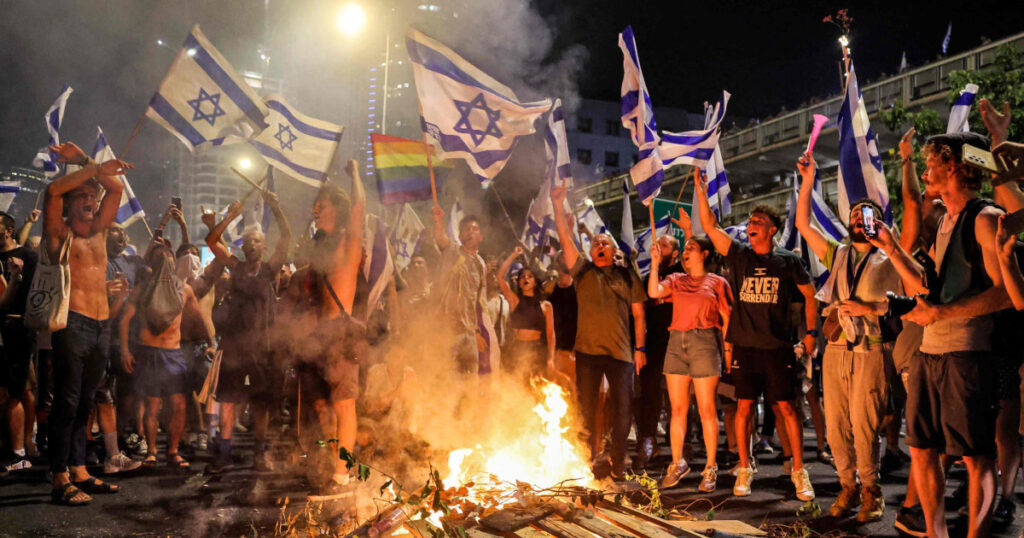
Israel's Knesset has passed a controversial law that limits the power of the Supreme Court, allowing a simple majority in parliament to overturn its decisions. The law has been met with strong opposition from many in Israel, leading to months of protests from tens of thousands of demonstrators. The law is a major step in Prime Minister Benjamin Netanyahu's plans to overhaul the judiciary and weaken the Supreme Court, and its long-term effects remain to be seen.
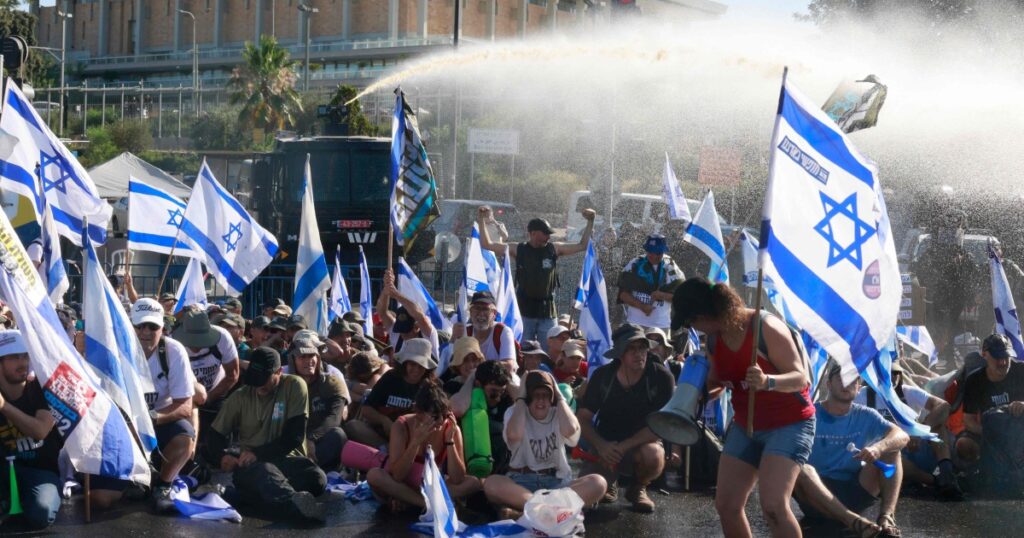
Israel is facing a critical moment in its history as the Parliament prepares to vote on a major judicial overhaul plan proposed by Prime Minister Benjamin Netanyahu's governing coalition. The plan has been met with strong opposition from many in the country and has been driven by a governing coalition made up of ultranationalist and ultra-religious parties. Renowned historian Yuval Noah Harari has warned that the plan could be a threat to democracy in Israel, and the outcome of the vote is sure to shape the country's future.
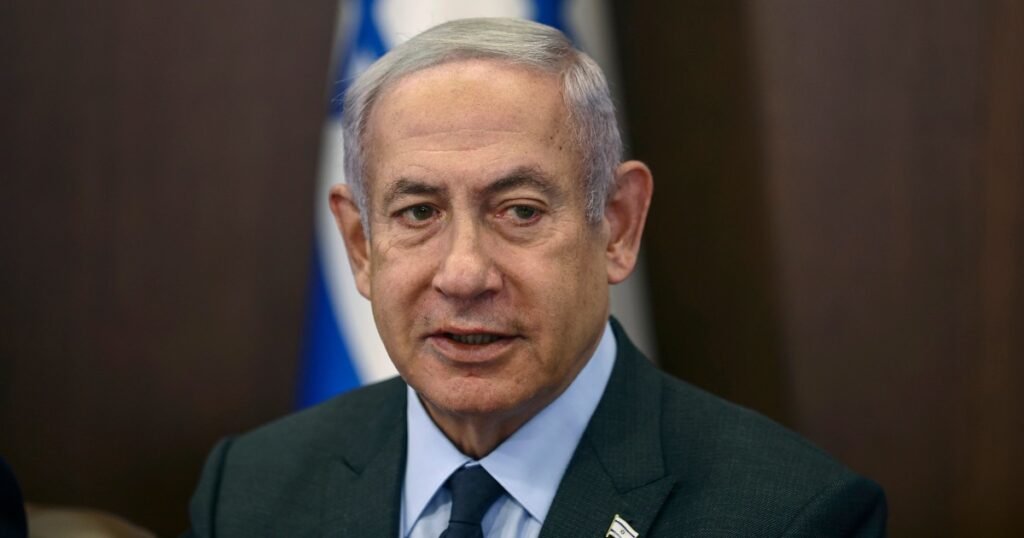
Israel's Prime Minister Benjamin Netanyahu was rushed to hospital and fitted with a pacemaker early Sunday, as tens of thousands of protesters marched into Jerusalem and hundreds of thousands of Israelis took to the streets in a show of force against his controversial judicial reforms. Netanyahu's pacemaker implantation and the protests come ahead of a key vote on the reforms, which have been met with widespread opposition from former security chiefs and military reservists. The outcome of the vote remains to be seen.
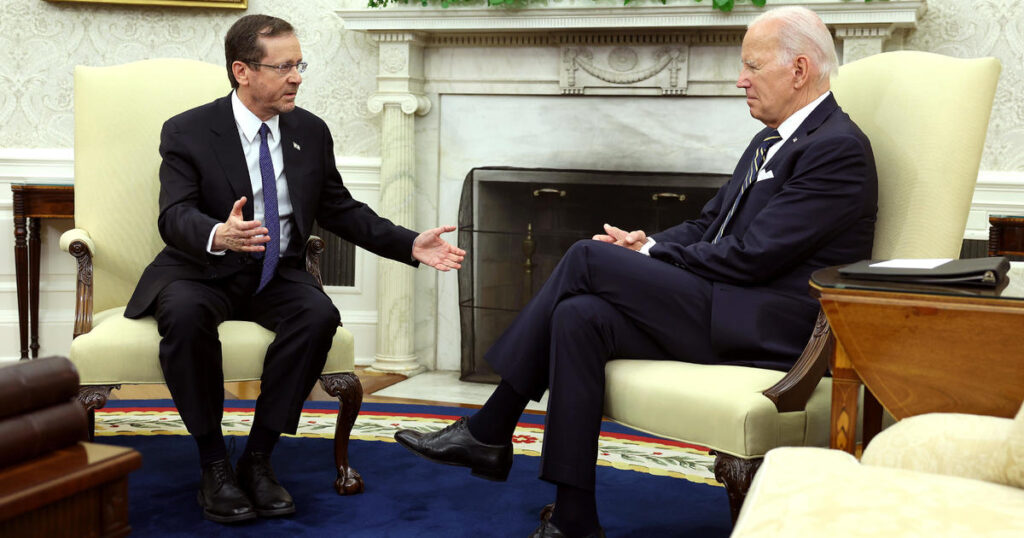
President Joe Biden and Israeli President Isaac Herzog met at the White House on Tuesday to reaffirm their commitment to the U.S.-Israel relationship and discuss issues such as the Iranian nuclear threat, Hezbollah operations and internal issues in Israel. On Wednesday, they will address Congress to further discuss ways to advance freedom and security for Israelis and Palestinians, address Iran’s “destabilizing behavior” and “deepen Israel’s regional integration.”
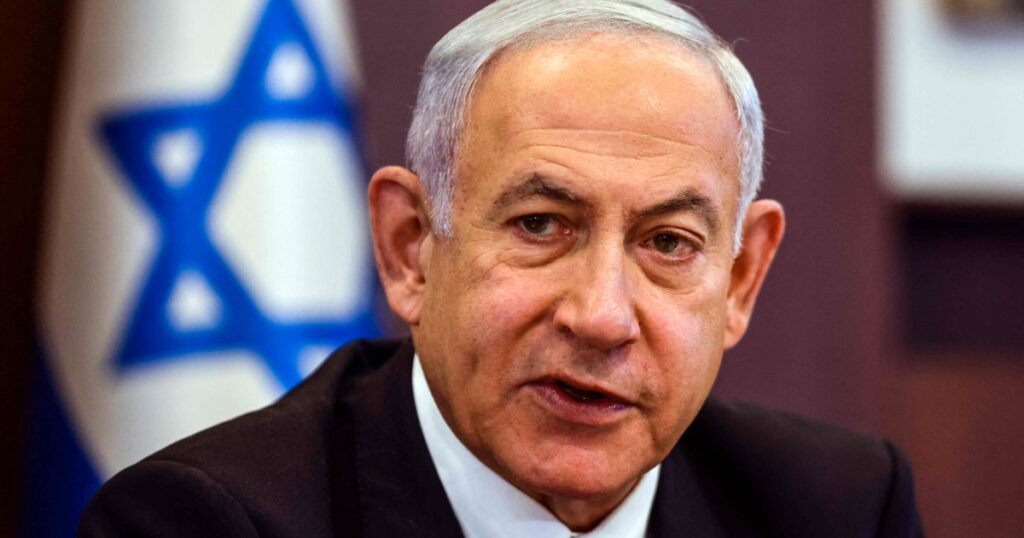
Israeli Prime Minister Benjamin Netanyahu was hospitalized overnight due to dehydration, but was discharged after tests revealed his heart was "completely normal". He was fitted with a subcutaneous Holter to monitor his heart activity, and left the hospital feeling "very good". His supporters expressed relief at the news, as his health is of particular importance to the Israeli public ahead of the upcoming elections.
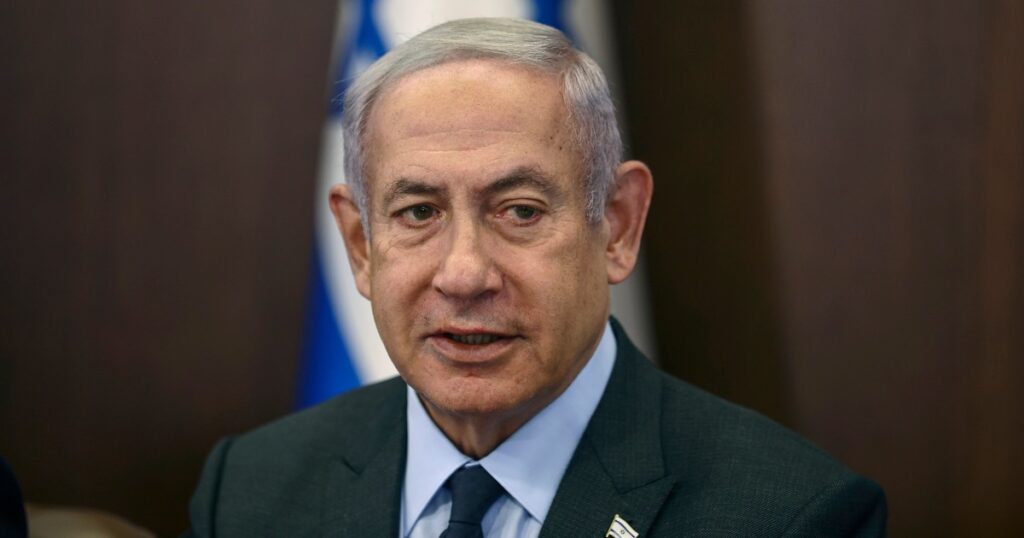
Israeli Prime Minister Benjamin Netanyahu was taken to Sheba Hospital near Tel Aviv on Saturday after feeling dizzy. Initial tests revealed that he was suffering from dehydration, and doctors have ordered further tests. Netanyahu is in good condition and his office is confident that he will make a full recovery.