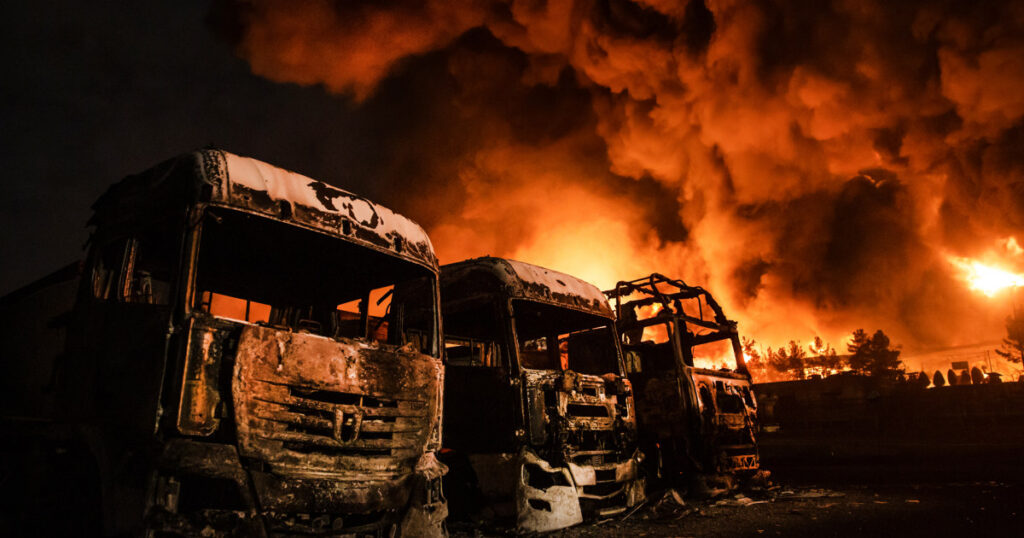
A series of Israeli airstrikes on Tehran’s oil facilities caused severe environmental hazards, including toxic rain and widespread damage, escalating tensions in the U.S.-Israeli conflict with Iran. The attacks led to a sharp rise in global oil prices due to disrupted supply and heightened concerns over the Strait of Hormuz, while Iranian officials condemned the strikes as chemical warfare. Despite the turmoil, U.S. President Donald Trump expressed confidence in a swift resolution, warning Iran of harsher consequences if it threatened oil shipments.
Posts tagged as “Belarussian”
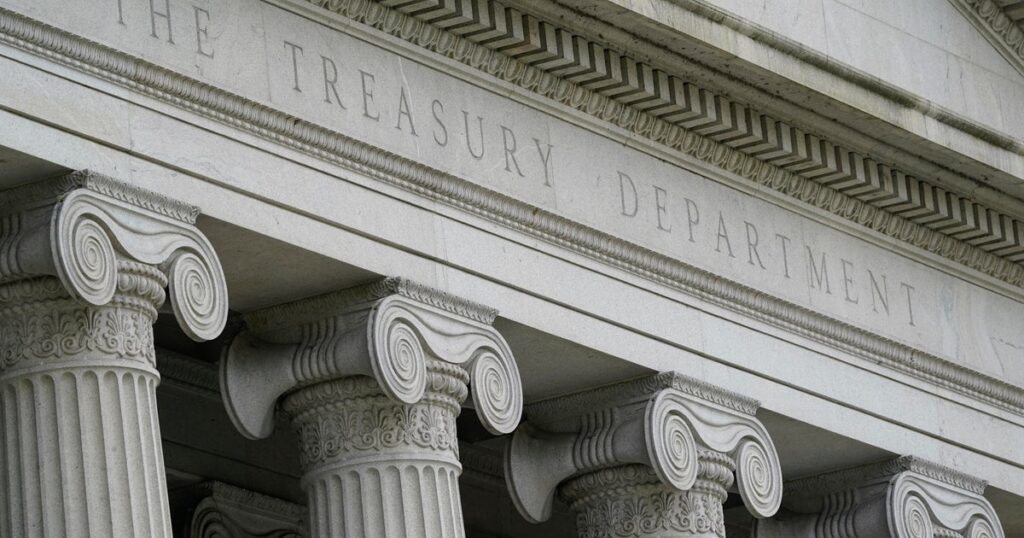
The White House has announced the creation of the United States-Ukraine Reconstruction Investment Fund, a new economic partnership aimed at aiding Ukraine's recovery and development by facilitating joint investments and unlocking the country's growth potential. A significant aspect of this agreement involves the extraction and ownership of Ukraine's natural resources, including rare earth minerals, which is intended to strengthen Ukraine's economic infrastructure and provide the U.S. with valuable resources. The partnership, formalized by officials from both nations, is seen as a strategic commitment to supporting Ukraine's sovereignty and prosperity while sending a message to Russia about the U.S.'s dedication to a peaceful resolution.
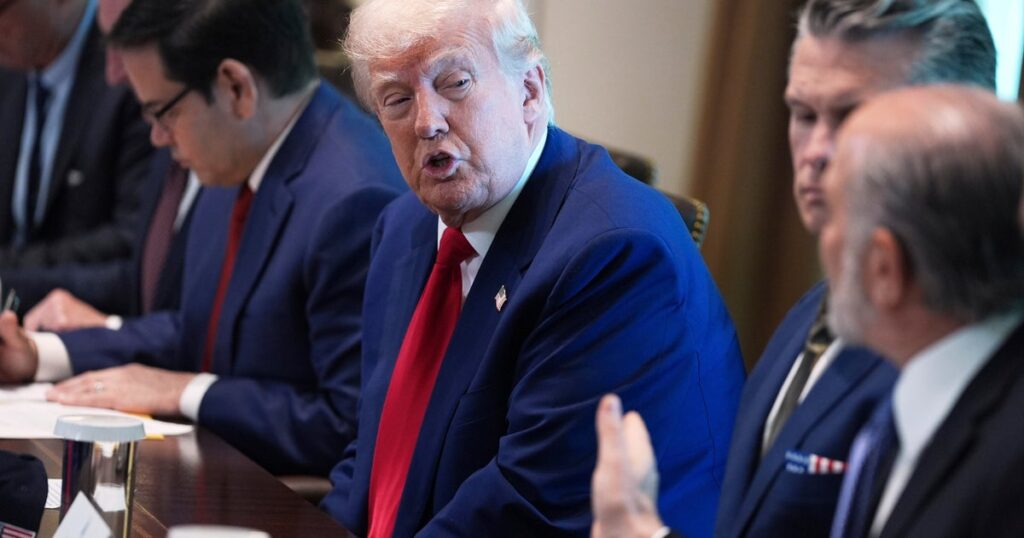
President Donald Trump has addressed concerns about tariffs on Chinese imports, asserting that the primary burden falls on China, though acknowledging potential temporary impacts on American consumers, such as reduced availability of certain goods and slightly higher prices. During a Cabinet meeting, he emphasized that the economic strain is greater for China and suggested that many Chinese imports are non-essential for Americans, potentially limiting the impact on the U.S. market. Despite criticism that the tariffs could cause domestic economic challenges, Trump defends them as necessary for correcting trade imbalances and protecting American industries, while also dealing with frustrations over stalled Russia-Ukraine peace talks, adding complexity to his foreign policy agenda.
Russian President Vladimir Putin has declared a three-day ceasefire in the conflict with Ukraine, set to coincide with the 80th anniversary of "Victory Day," commemorating Russia's victory over Nazi Germany. The ceasefire, beginning on May 8 and ending on May 11, aligns with Victory in Europe Day, a significant holiday in Russia. Despite this gesture, Ukraine remains skeptical due to past violations by Russian forces and has warned of a response to any breaches, highlighting persistent tensions and difficulties in securing lasting peace.
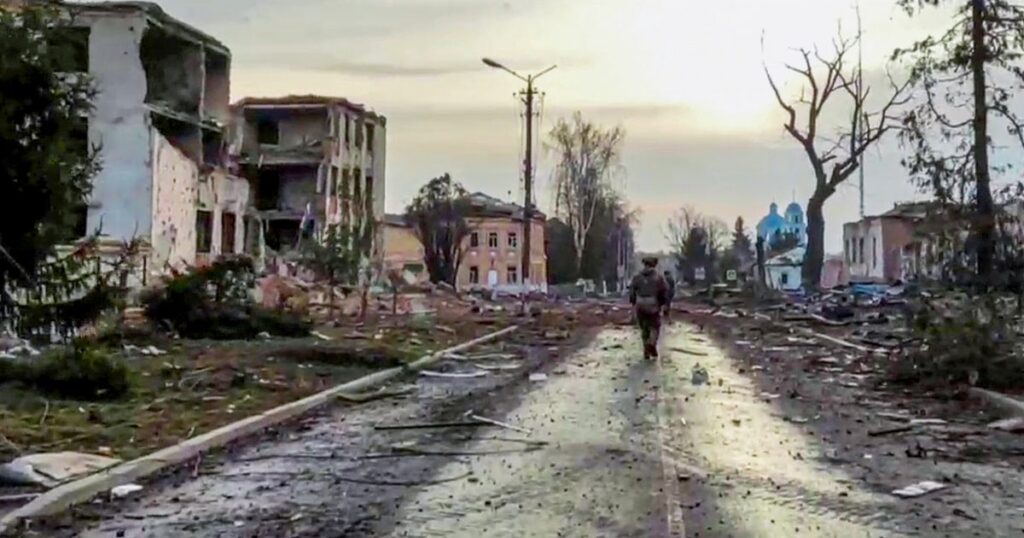
Russia has publicly acknowledged the involvement of North Korean troops in its conflict with Ukraine, marking a first in recognizing their contribution under a strategic partnership between the two nations. This announcement coincided with Russia's claim of regaining control over the Kursk region, although Ukraine disputes this, maintaining that their forces are still resisting Russian advances. The participation of North Korean soldiers adds a new layer to the conflict, emphasizing the international alliances and geopolitical complexities influencing the war's dynamics.
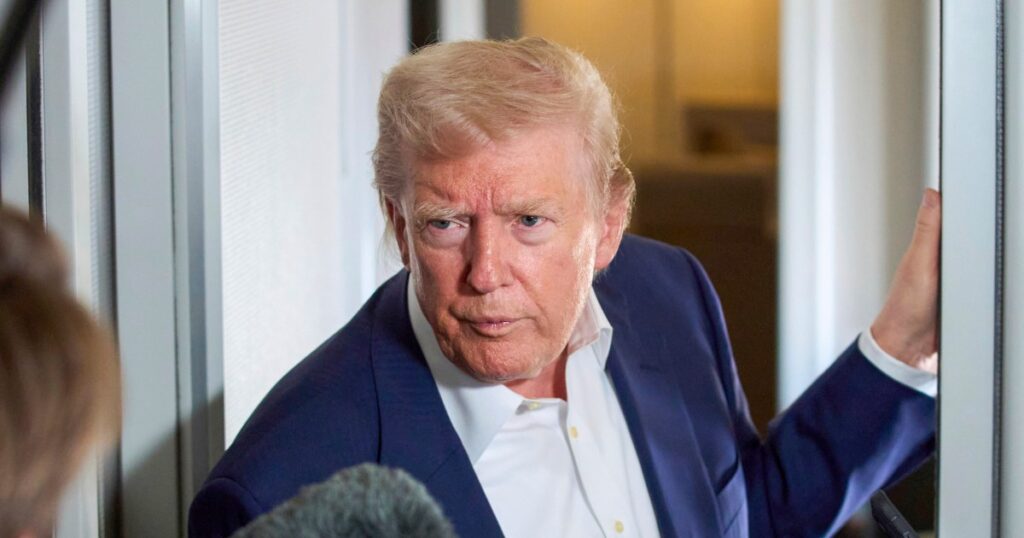
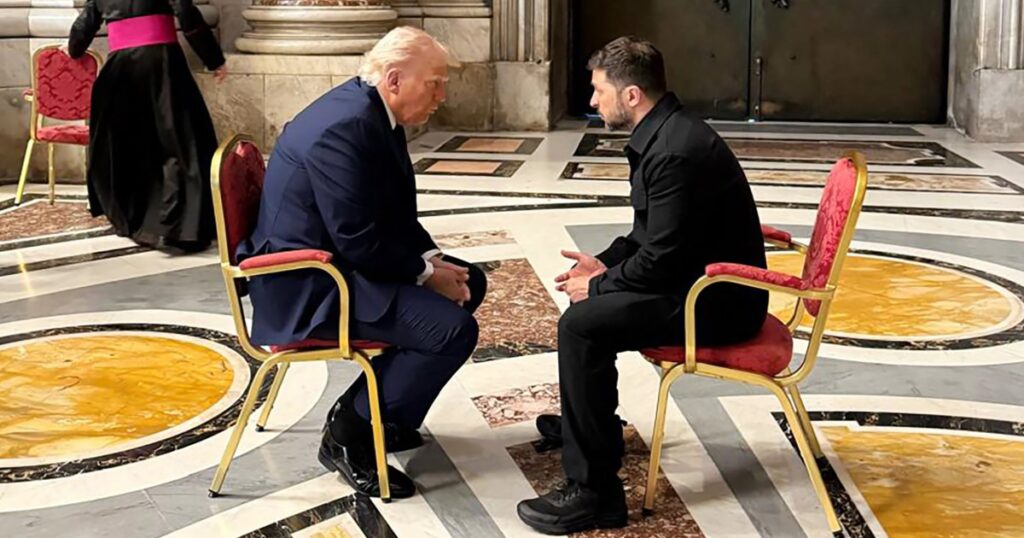
Former U.S. President Donald Trump expressed skepticism about Russian President Vladimir Putin's intentions in the Ukraine conflict, suggesting alternative measures like "Banking" or "Secondary Sanctions" might be necessary. This skepticism emerged after a meeting with Ukrainian President Volodymyr Zelenskyy, which was described as "very productive" and focused on achieving lasting peace. Despite Trump's previous optimism about a potential peace deal, his recent comments reflect growing doubts about the feasibility of reaching an agreement soon, highlighting the ongoing urgency due to continued violence in the region.
Former U.S. President Donald Trump expressed doubts about Russian President Vladimir Putin's intentions to end the conflict in Ukraine, suggesting alternative strategies like "Banking" or "Secondary Sanctions" might be necessary. Despite previously indicating that a peace agreement was near, Trump's recent comments reflect skepticism about a resolution, amid ongoing missile strikes and reports of resistance in the Kursk sector. Meanwhile, Russian military officials claim to have recaptured the village of Gornal, highlighting the fluid and contested nature of territorial control, as the international community closely monitors the situation for any diplomatic progress.
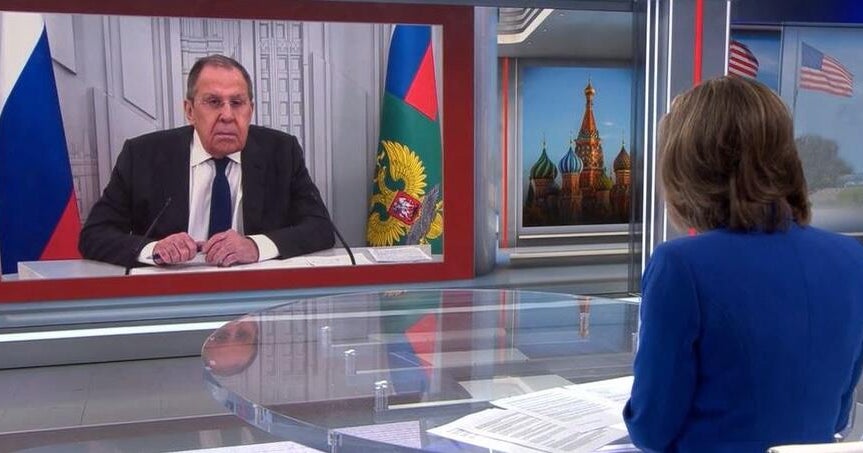
Russian Foreign Minister Sergey Lavrov announced that Russia is open to a deal with the United States regarding the conflict in Ukraine, though some aspects need further refinement. The situation remains tense following a deadly Russian strike on Kyiv, and Kyiv's mayor has acknowledged the possibility of ceding territory to secure peace. Negotiations, brokered by the Trump administration, reveal significant divides between Ukraine, Russia, and the U.S., with Lavrov expressing optimism about progress despite these challenges.