The United States is facing a tense moment in global geopolitics as it confronts simultaneous diplomatic and national security crises with Russia and China. In response, the White House has defended the shootdowns of three unidentified objects in American airspace, citing the risk they posed to civilian commercial air traffic. The shootdowns come as the war in Ukraine is about to reach its first anniversary and a spy balloon drama has provided a tangible symbol of an emerging challenge from Beijing, leaving the Biden administration with the great burden of navigating the complex geopolitical landscape.
Posts tagged as “Beijing”
U.S. and China are in a new dispute after Beijing accused Washington of illegally flying high-altitude balloons into its airspace. The U.S. has not provided any details about the balloons, but has previously accused China of operating a fleet of surveillance balloons. The escalating tensions between the two countries have raised concerns among experts and analysts, who fear that the situation could spiral out of control if the two sides are unable to find a diplomatic solution.
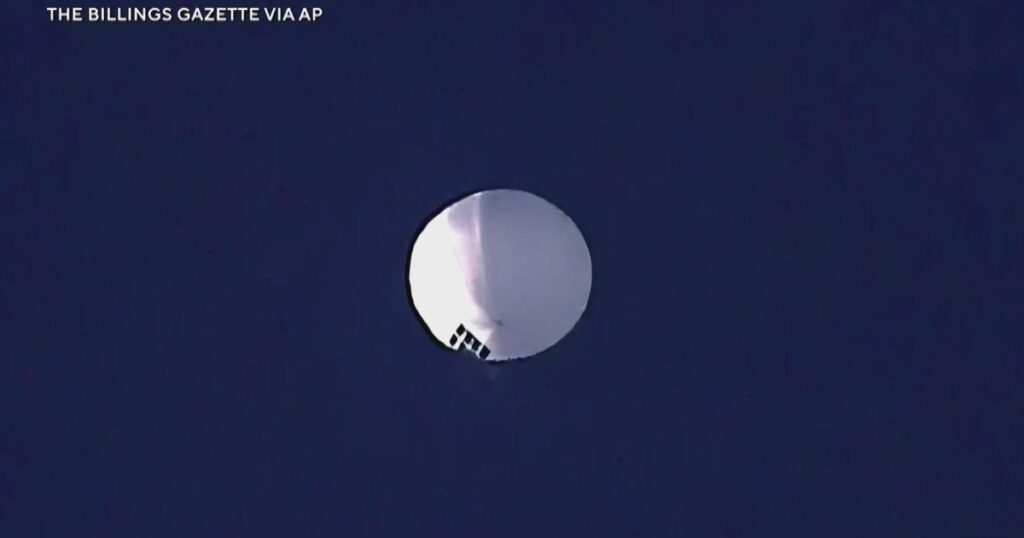
The Biden administration has announced economic sanctions on six Chinese entities in response to an alleged Chinese spy balloon that flew across U.S. airspace last week. The sanctions are intended to make it more difficult for the entities to obtain American technology exports and are part of a broader effort to address Chinese surveillance activities. It remains to be seen how the Chinese government will respond to the sanctions and whether they will have any effect on the ongoing diplomatic dispute.
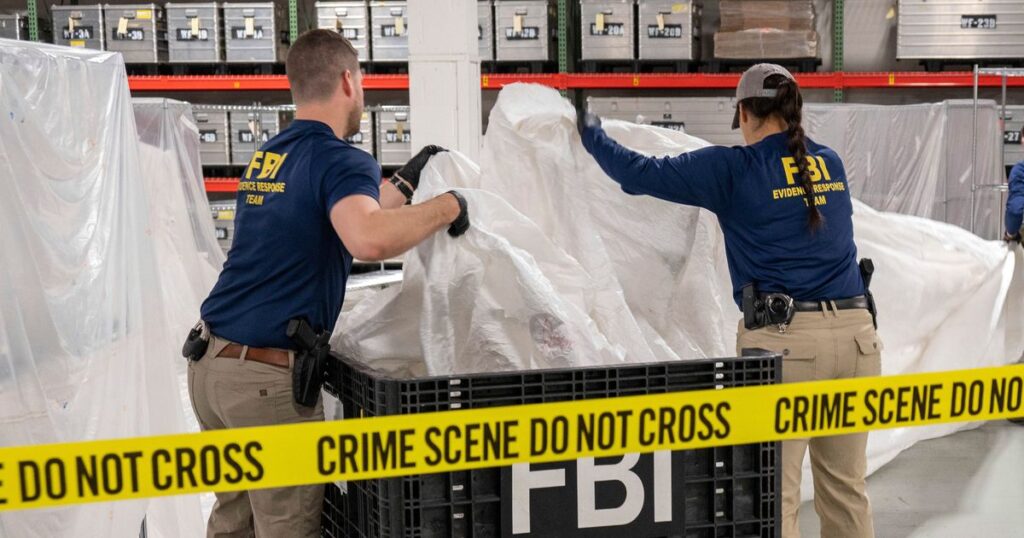
The US government has taken action against six Chinese entities in response to a suspected Chinese spy balloon that flew over US airspace last week. The US Commerce Department has blacklisted the five companies and one research institute from obtaining US technology without government authorization, and urged other countries to take similar measures. This is part of a broader effort to address Chinese surveillance activities, with more measures expected in the coming weeks and months.
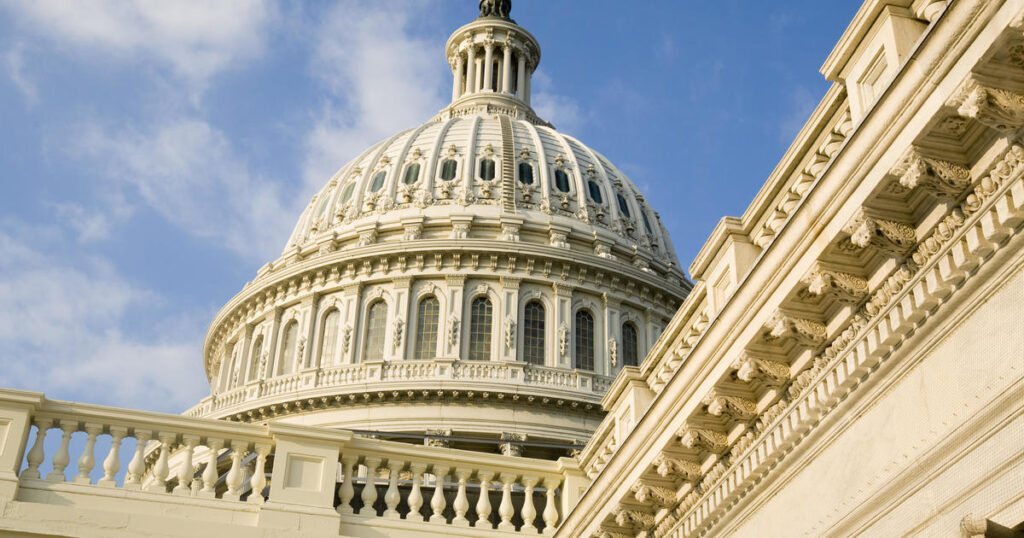
On Thursday, the U.S. Air Force shot down a Chinese surveillance balloon, prompting a response from Beijing and a call from U.S. Defense Secretary Lloyd Austin to his Chinese counterpart. The House of Representatives unanimously passed a resolution condemning China for the incident, and China's Defense Ministry refused Austin's call for a general-to-general talk. Republicans have criticized the Biden administration for not acting quickly enough, and the incident has further complicated the already tense relationship between the U.S. and China.
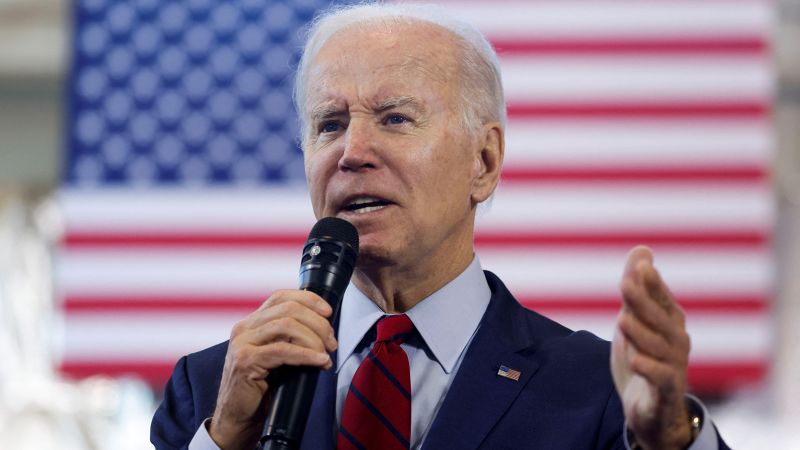
President Joe Biden addressed the recent discovery of a Chinese spy balloon that traversed the continental US, emphasizing his commitment to competing with China without looking for conflict. He also addressed an investigation into his handling of classified documents, stating that his staff didn't do a good enough job packing up his previous offices and that the items found were from 1974. Biden's response marks the second time this week that he's sought to downplay the effect of the balloon, while reassuring the public that he is taking the investigation seriously.

The Pentagon has confirmed that the U.S. military failed to detect at least three Chinese spy balloon flights over the United States in recent years, but that this does not represent an intelligence failure. Sources have reported that the balloons are part of a global surveillance program run by Beijing, and the U.S. military will continue to monitor and collect information on them in order to detect and act on them in the future.
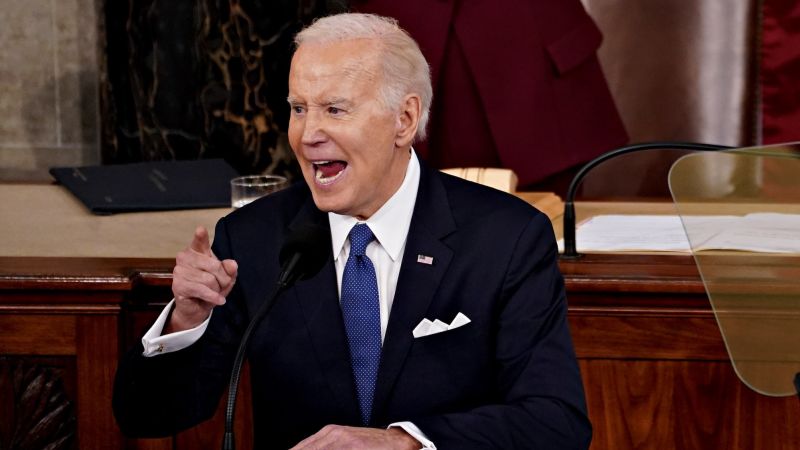
China's Foreign Ministry spokesperson Mao Ning has responded to U.S. President Joe Biden's State of the Union address, saying that China does not fear competition with the U.S. but is opposed to defining the entire relationship in terms of competition. She has called for the two countries to work together to promote a sound and stable development, as the U.S. has accused China of unfair trade practices and human rights violations.