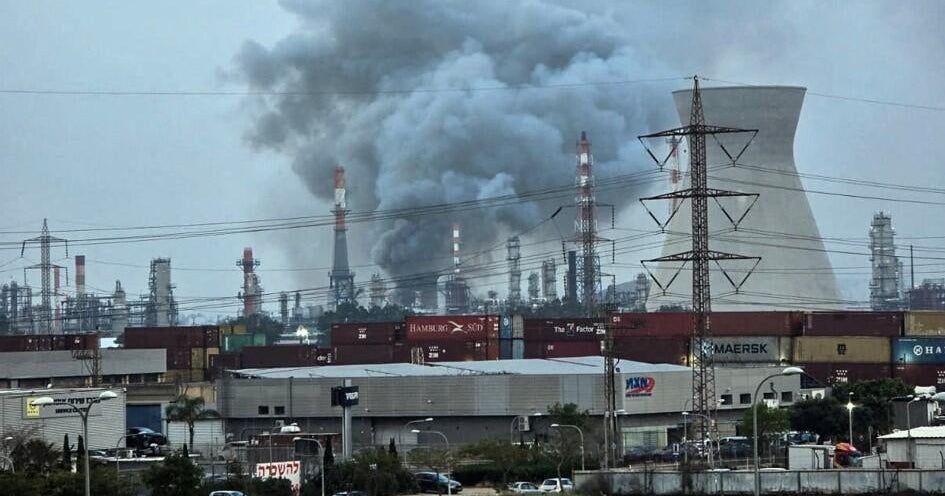
The conflict involving the United States, Israel, and Iran has intensified tensions across the Persian Gulf, with Iran launching retaliatory strikes on energy and civilian infrastructure in neighboring countries, prompting a high-level Gulf states meeting in Riyadh to address the escalating crisis. These attacks have severely impacted regional security and global energy markets, causing significant damage to oil and gas facilities and driving up oil prices, while military confrontations have included missile strikes, air raids, and the emergency landing of a U.S. F-35 jet. Despite widespread alerts and civilian sheltering, Gulf states remain divided on their response, with calls for de-escalation and ceasefire from some, amid fears of broader regional destabilization.
Posts tagged as “Bahrain”
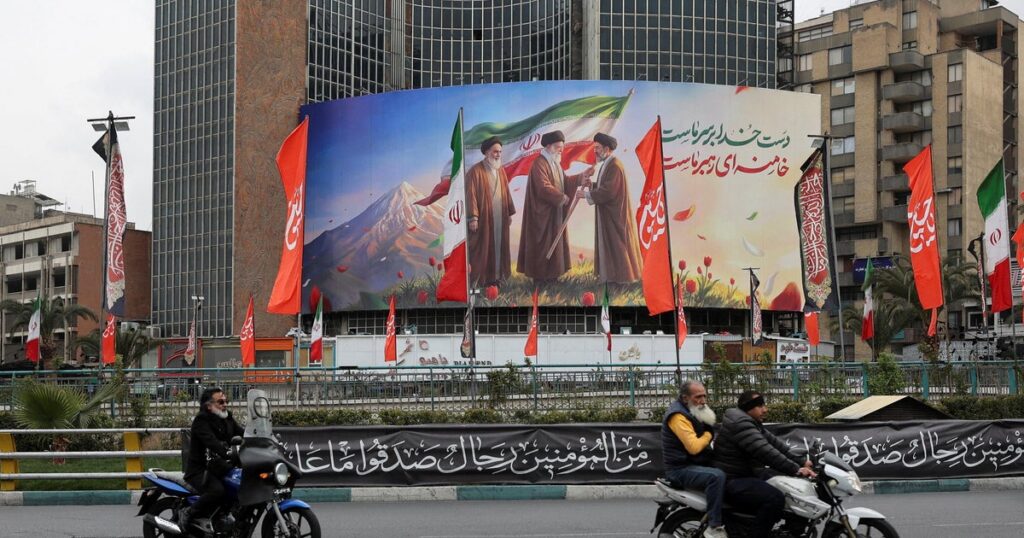
Oil prices have surged due to the escalating Middle East conflict, which has disrupted shipping through the strategic Strait of Hormuz and drawn significant military attention from the U.S. and its allies. Russia has emerged as a key beneficiary of rising energy prices, potentially increasing its oil revenues and military spending amid the ongoing Ukraine war. Meanwhile, the conflict intensifies with attacks on Gulf countries, heightened regional military deployments, and diplomatic efforts to support affected nations and maintain global energy security.
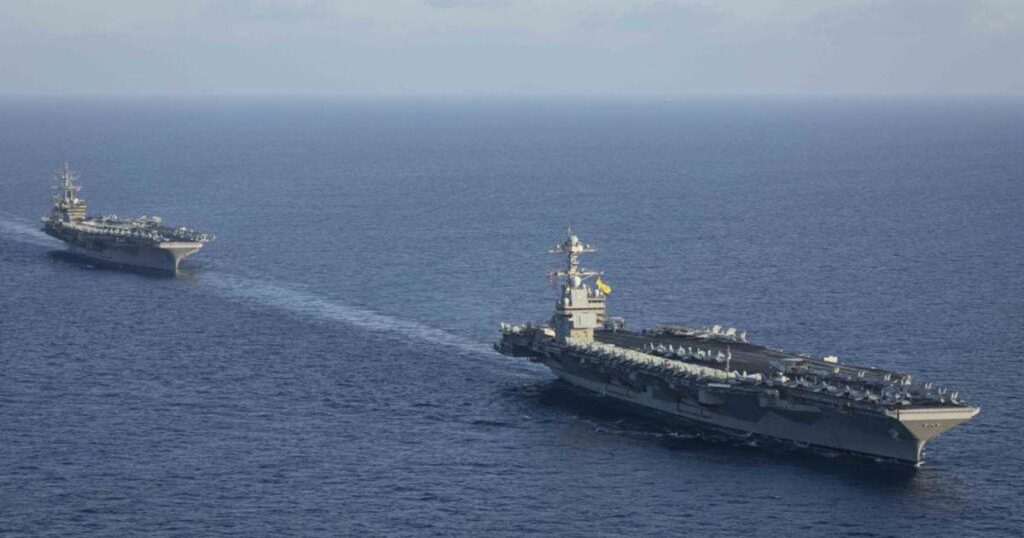
The U.S. Navy has been working to protect commercial vessels in the Red Sea from Houthi attacks since 2019. The USS Gerald R. Ford aircraft carrier strike group was deployed to the eastern Mediterranean Sea in October to provide protection for Israel, and is now returning home, leaving behind three ships and 2,000 Marines to continue providing regional deterrence and defense. The Navy has also been providing training and assistance to local navies to help them better protect their waters from Houthi attacks.
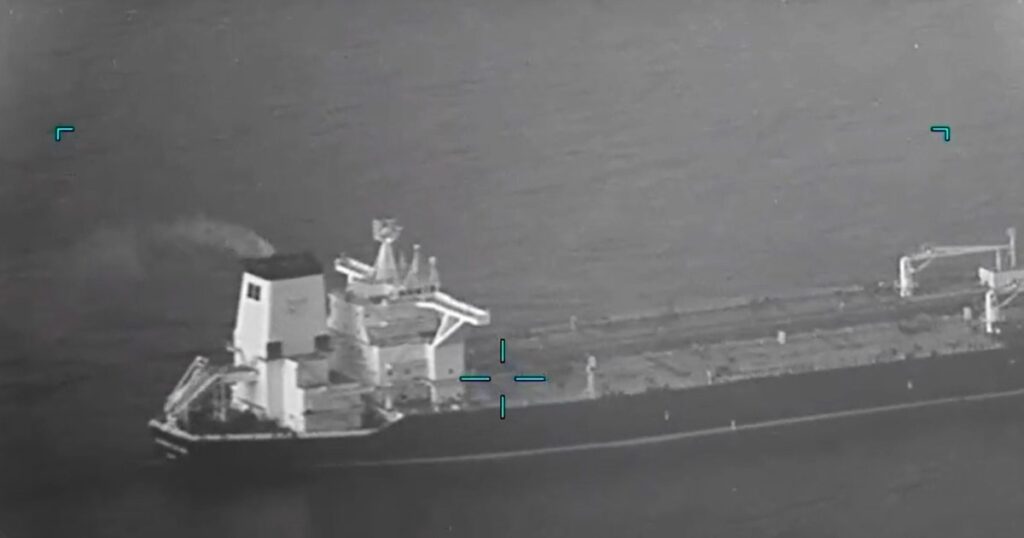
The U.S. Navy destroyer USS McFaul intervened to prevent Iranian warships from seizing two oil tankers in international waters near Oman on Wednesday. The Iranian navy attempted to get the tankers to stop, but the Navy's presence caused them to change course and leave. Both tankers continued their voyages without casualties or major damage.