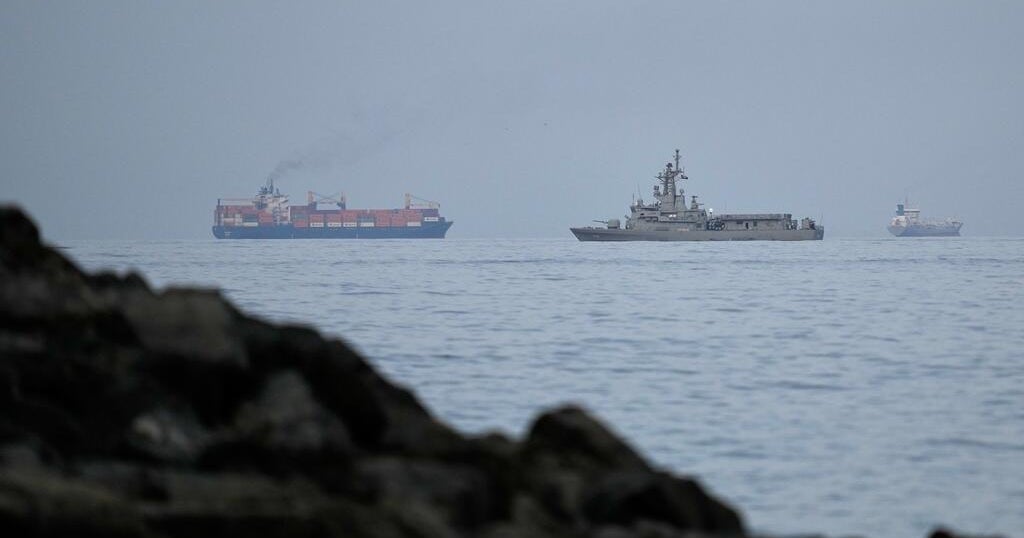
The Trump administration is considering a military operation to escort oil tankers through the Strait of Hormuz following a series of attacks on vessels in the Persian Gulf, which have disrupted global oil shipments and driven up prices. The proposed operation involves neutralizing Iranian threats through strikes on missile and drone facilities before providing convoy protection with U.S. Navy ships and international partners, amid ongoing drone attacks by Iran targeting U.S. bases and regional infrastructure. As the conflict escalates, the U.S. and allies are working to secure critical maritime routes and counter Iran’s advanced drone warfare capabilities in a highly volatile environment.
Posts tagged as “Antonio Romanucci”
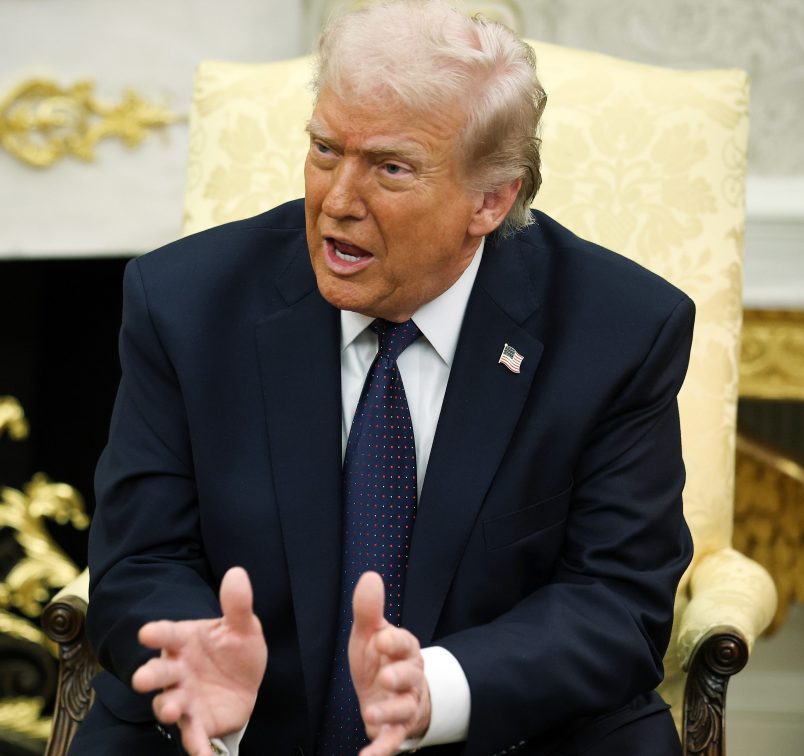
The conflict involving Iran in the Middle East has intensified over nearly two weeks, marked by a tragic U.S. military aircraft crash in Iraq, persistent Iranian drone and missile attacks on Gulf allies, and rising tensions fueled by President Trump’s aggressive rhetoric. These attacks have disrupted critical shipping routes like the Strait of Hormuz, prompting discussions of U.S. naval escorts to protect oil tankers amid soaring global energy prices. Meanwhile, Iran’s internal crackdown on protests and calls from international leaders for regime change highlight the multifaceted and volatile nature of the ongoing crisis.
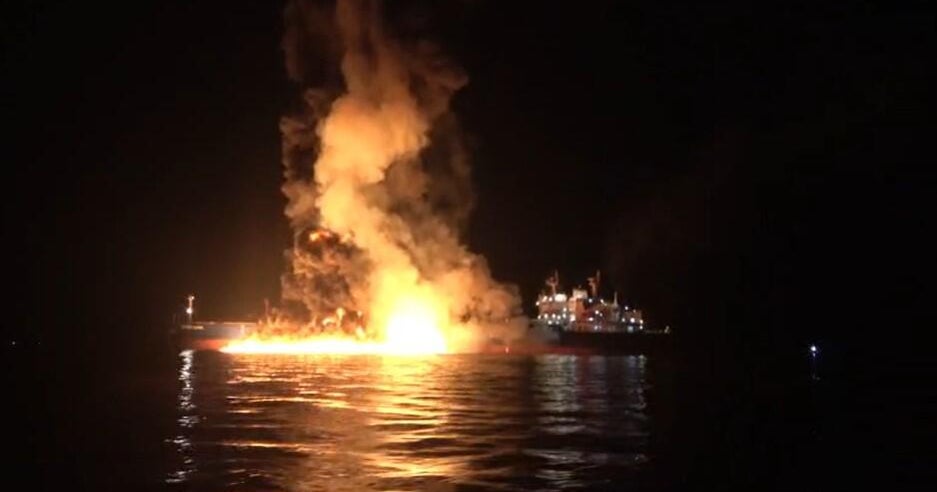
Oil prices surged sharply amid escalating conflict involving the U.S., Israel, and Iran, with Brent crude surpassing $100 per barrel due to disruptions in the critical Strait of Hormuz and attacks on oil infrastructure across the Gulf region. The crisis has led to significant economic impacts, including declines in U.S. stock markets, production shutdowns by major energy companies, and government measures such as fuel rationing in India and potential U.S. policy changes like a temporary Jones Act waiver and strategic oil reserve releases. Meanwhile, military actions have intensified, causing substantial casualties and prompting international efforts to address the escalating threats to global energy supplies and maritime security.

The conflict between the United States, Israel, and Iran has escalated with attacks on commercial ships near the Strait of Hormuz, drone strikes on Dubai’s airport, and significant U.S. military casualties, while diplomatic tensions rise as Spain withdraws its ambassador from Israel. A devastating missile strike on an elementary school in southern Iran, reportedly caused by a U.S. missile, has resulted in over 165 deaths and prompted calls for an international investigation into potential war crimes. The situation underscores the growing human toll and the broader geopolitical and legal ramifications of the ongoing hostilities in the Middle East.
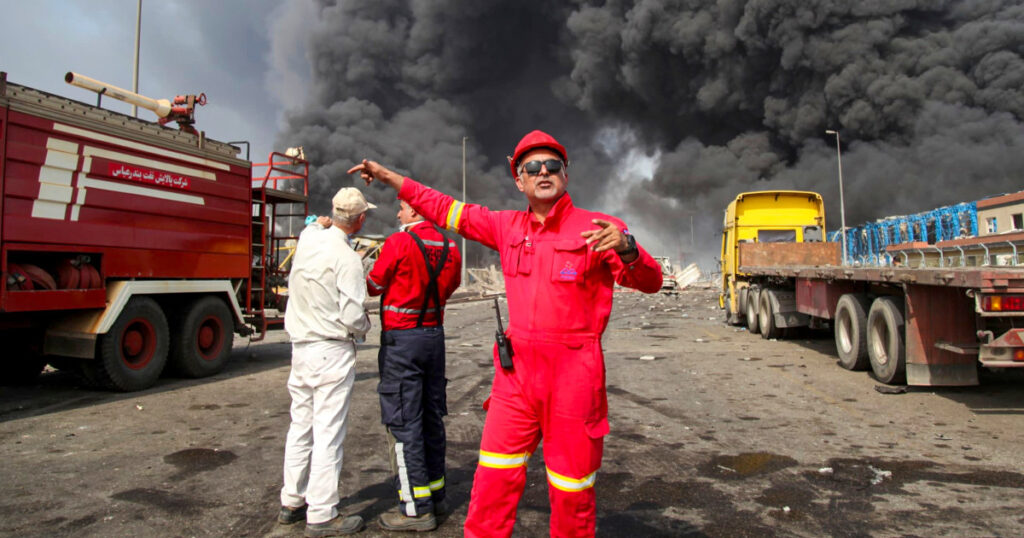
A significant explosion at the Shahid Rajaei port in southern Iran resulted in five deaths and over 700 injuries, linked to a shipment of a chemical used in missile propellant. The incident coincided with Iran-U.S. nuclear negotiations in Oman, drawing attention but with no official attribution to an attack. The explosion disrupted port operations, impacting trade, while the international community closely monitors the situation amid ongoing nuclear discussions.
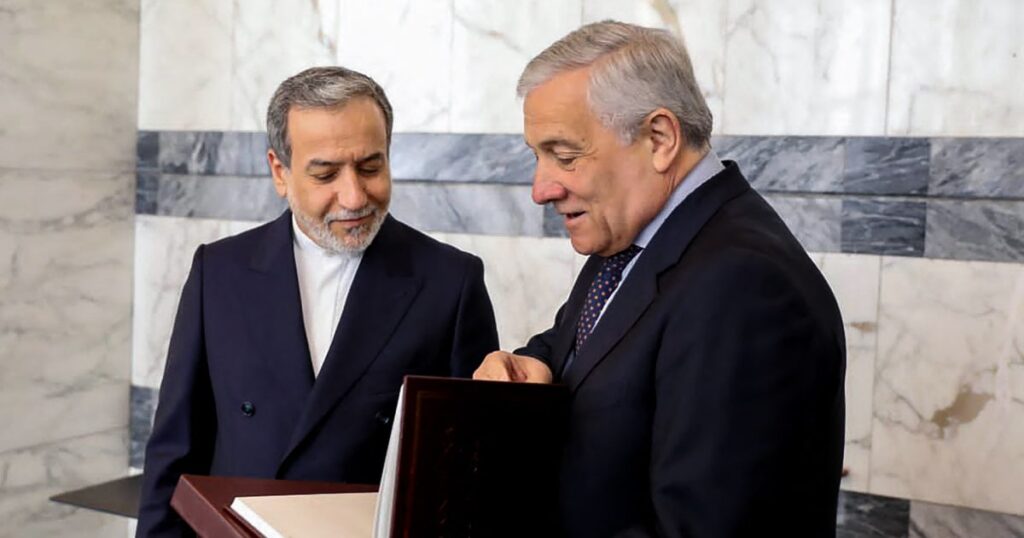
The United States and Iran held a second round of negotiations in Rome to address concerns over Tehran's advancing nuclear program and the potential for military conflict. Both parties described the talks as constructive, with progress being made towards a diplomatic solution to reduce regional tensions. A third round of discussions is scheduled for April 26 in Oman, highlighting the importance of regional cooperation and the commitment of both sides to explore peaceful resolutions to the nuclear dispute.
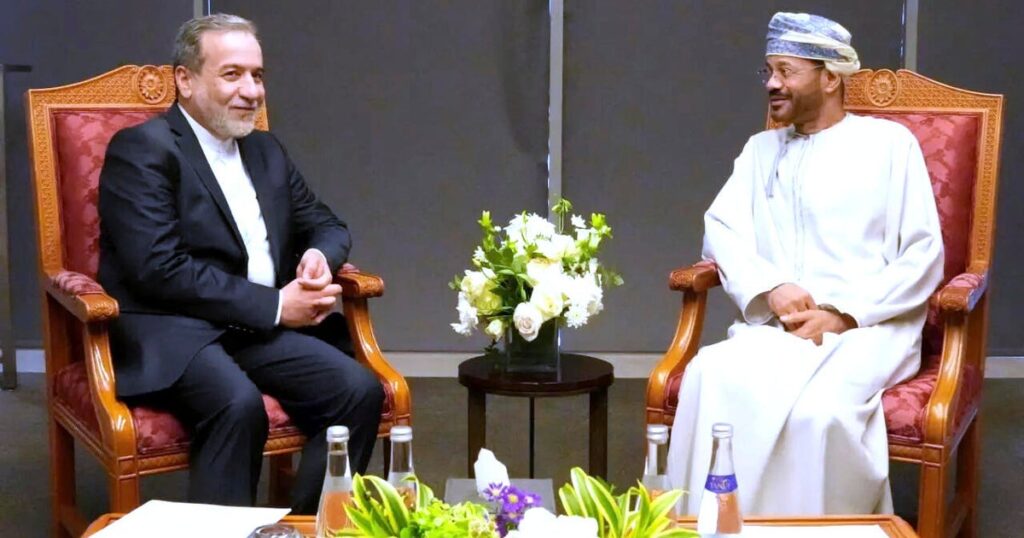
Negotiations between the United States and Iran have begun in Oman to address Iran's advancing nuclear capabilities, a longstanding issue of global concern. Iran faces a critical decision between halting its nuclear ambitions, which could increase its vulnerability, or continuing its development and risking military action from Israel and the United States. The talks are pivotal, as the outcome could significantly affect regional stability and global security, with the international community closely monitoring the situation.
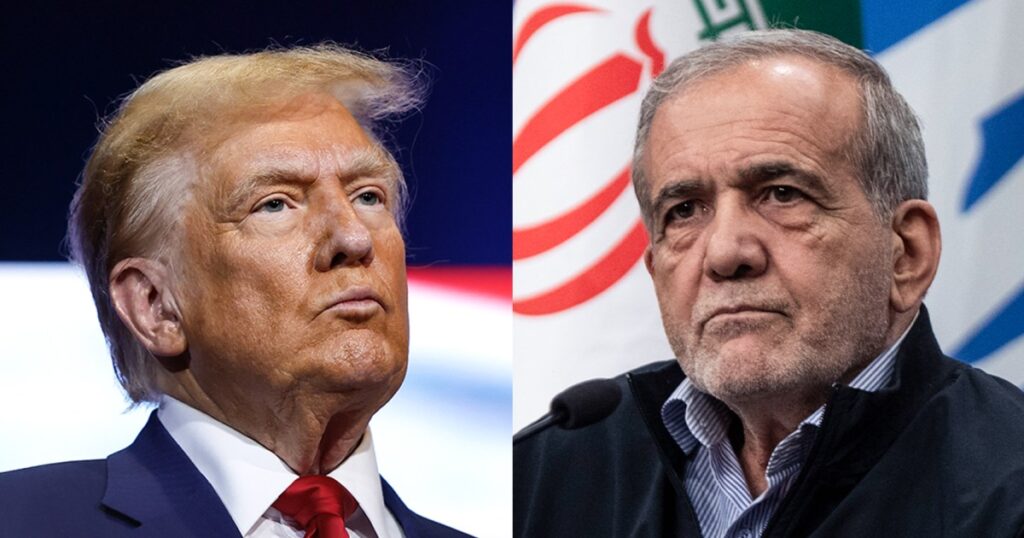
Iran has rejected direct negotiations with the United States over its nuclear program, as stated by Iranian President Masoud Pezeshkian, but remains open to indirect talks through Oman. The history of U.S.-Iran negotiations has been complicated by the U.S.'s withdrawal from the nuclear deal in 2018, leading to stalled diplomatic efforts. The situation is further strained by the Israel-Hamas conflict, which adds tension to U.S.-Iran relations and affects regional stability, leaving the future of negotiations uncertain.