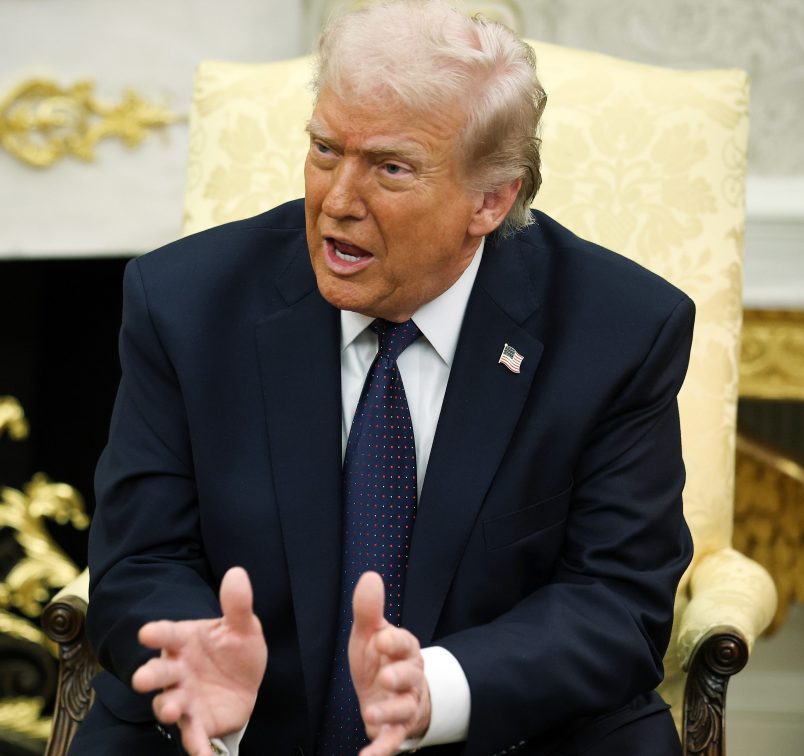
The conflict involving Iran in the Middle East has intensified over nearly two weeks, marked by a tragic U.S. military aircraft crash in Iraq, persistent Iranian drone and missile attacks on Gulf allies, and rising tensions fueled by President Trump’s aggressive rhetoric. These attacks have disrupted critical shipping routes like the Strait of Hormuz, prompting discussions of U.S. naval escorts to protect oil tankers amid soaring global energy prices. Meanwhile, Iran’s internal crackdown on protests and calls from international leaders for regime change highlight the multifaceted and volatile nature of the ongoing crisis.
Posts tagged as “anti-Iranian”
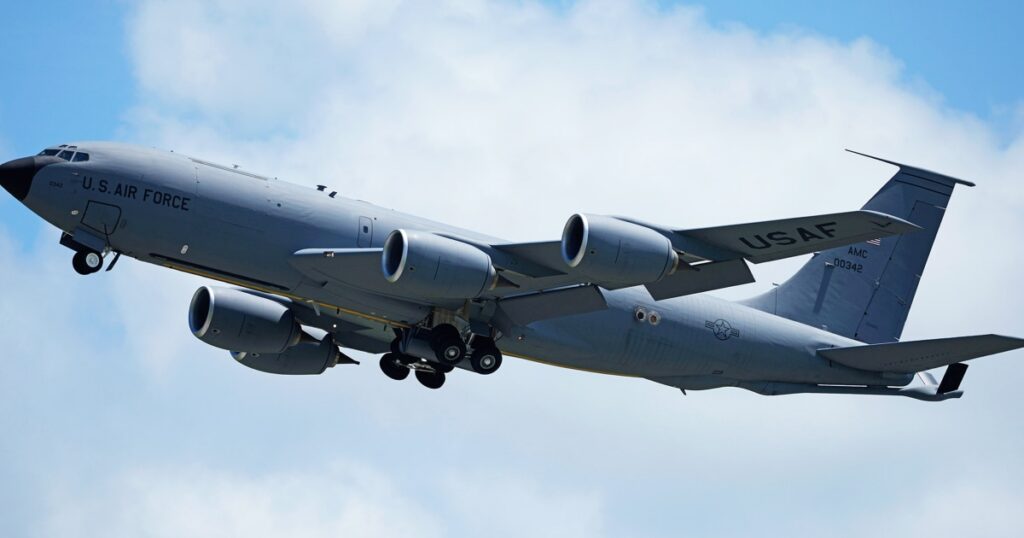
Four U.S. military personnel died when a KC-135 aerial refueling aircraft crashed near the Iraqi-Jordanian border during operations related to conflicts involving Iran, with two crew members still missing as rescue efforts continue. CENTCOM confirmed the crash was not due to hostile or friendly fire and noted a second KC-135 involved in the same operation was damaged but landed safely in Tel Aviv. This incident is the fourth U.S. aircraft crash linked to Operation Epic Fury, which has resulted in 11 U.S. service member deaths since February 28, and recovery operations are ongoing amid an active investigation.

Authorities are investigating a deliberate vehicle-ramming attack at Temple Israel, a large Reform synagogue in West Bloomfield Township, Michigan, which caused significant damage and injured several law enforcement officers. The suspect was found dead inside the vehicle, which contained explosives that ignited a fire, but no children or school staff were harmed during the incident. Community and political leaders condemned the attack as an act of antisemitism, expressing solidarity with the Jewish community and emphasizing resilience against hate.
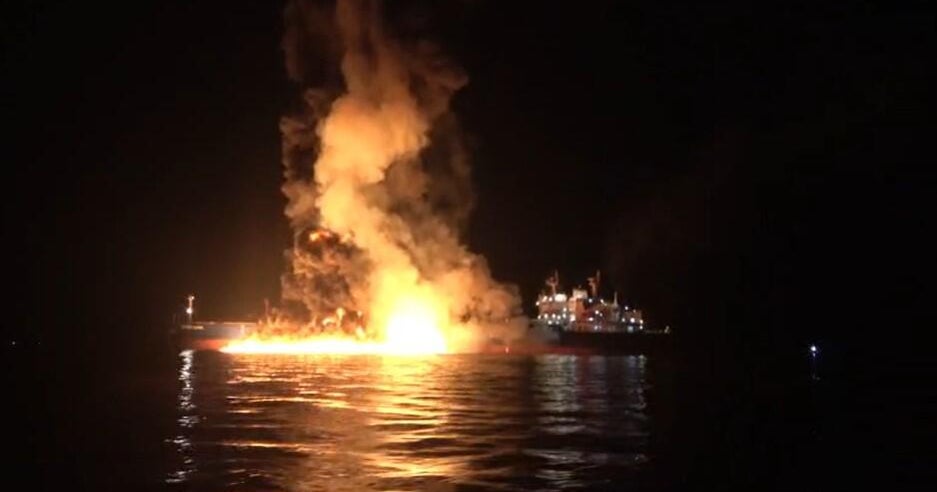
Oil prices surged sharply amid escalating conflict involving the U.S., Israel, and Iran, with Brent crude surpassing $100 per barrel due to disruptions in the critical Strait of Hormuz and attacks on oil infrastructure across the Gulf region. The crisis has led to significant economic impacts, including declines in U.S. stock markets, production shutdowns by major energy companies, and government measures such as fuel rationing in India and potential U.S. policy changes like a temporary Jones Act waiver and strategic oil reserve releases. Meanwhile, military actions have intensified, causing substantial casualties and prompting international efforts to address the escalating threats to global energy supplies and maritime security.

Iran’s newly appointed Supreme Leader, Ayatollah Mojtaba Khamenei, issued his first public statement reaffirming the blockade of the Strait of Hormuz and threatening attacks on neighboring countries hosting U.S. military bases. His statement was delivered without a direct appearance, fueling speculation about his health after being injured in recent U.S.-Israeli strikes, and signaling a hardline stance with continued support for proxy groups across the Middle East. Khamenei vowed revenge for Iranian casualties in the strikes and emphasized Iran’s commitment to disrupting global oil transit while expressing a desire for constructive regional relations.

The conflict between the United States, Israel, and Iran has led to significant military casualties, economic costs exceeding $11.3 billion in the first six days, and disruptions to global oil trade through the Strait of Hormuz. Democratic Senator John Fetterman supports the U.S.-Israel military campaign, citing Iran’s limited ability to inflict damage and emphasizing the threat posed by Iran’s nuclear ambitions despite intelligence reports indicating no active nuclear weapon development. Meanwhile, the war’s human toll includes thousands of deaths across the involved nations, and President Trump has expressed uncertainty about the conflict’s duration as the U.S. seeks additional funding to sustain military operations.

Inflation in the United States remained steady in February, with the Consumer Price Index rising 2.4% annually, slightly below expectations, before the recent surge in oil prices caused by the Iran conflict. The war has sharply increased gasoline prices and disrupted global oil supply via the Strait of Hormuz, raising concerns that energy cost spikes could reverse progress in controlling inflation. As the Federal Reserve prepares for its March interest rate decision, economic uncertainties—including weakening job growth and inflation risks—have led analysts to anticipate a cautious approach amid heightened uncertainty.
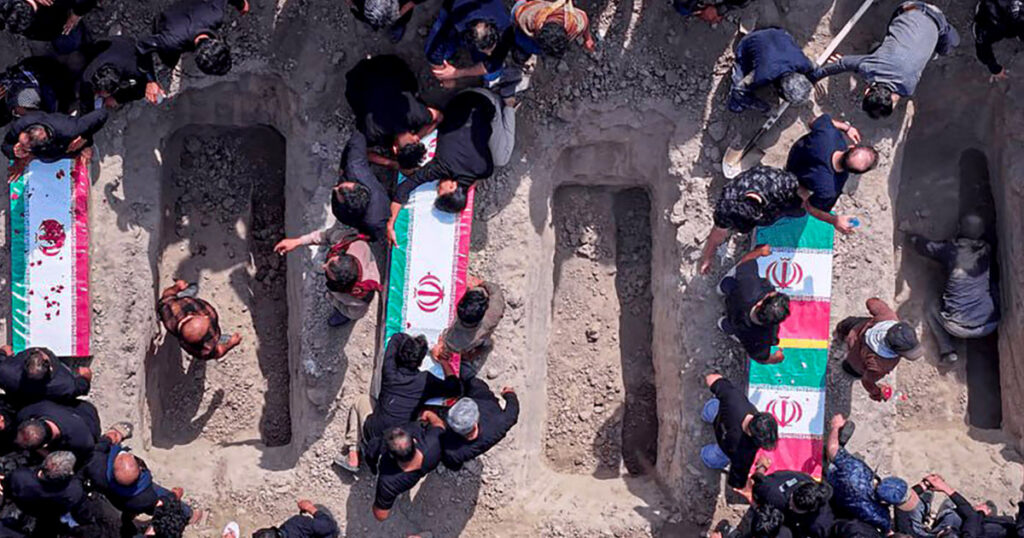
An internal U.S. military investigation preliminarily found that outdated intelligence led to a missile strike on an elementary school in Iran, killing over 170 civilians, mostly children, during a coordinated U.S.-Israeli operation. The strike mistakenly targeted the school, which had been inaccurately identified as a military site based on old intelligence, with evidence pointing to an American Tomahawk missile. Meanwhile, Iran retaliated with attacks killing six U.S. Army Reserve soldiers in Kuwait, escalating the ongoing conflict that the U.S. administration expects to continue for several weeks.