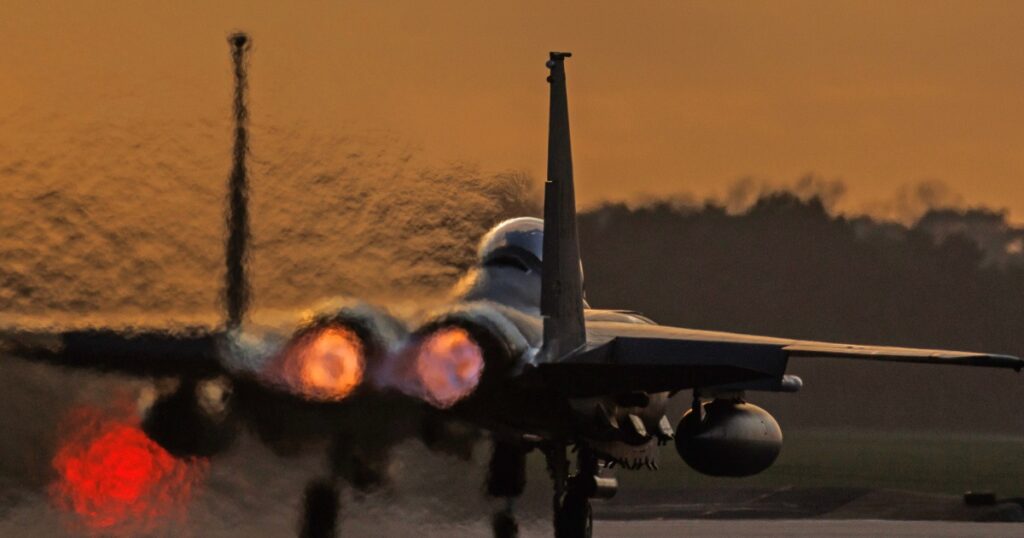
A U.S. F-15E fighter jet was shot down over Iran, prompting a risky rescue mission amid ongoing conflict. Despite U.S. claims of air superiority, Iran retains significant military capabilities and continues attacks across the Middle East.
Posts tagged as “anti-Iranian”
The U.S. added 178,000 jobs in March, exceeding expectations as the unemployment rate fell to 4.3%. Gains in health care, construction, and transportation contrast with concerns over wage growth, labor force participation, and rising energy costs amid the Iran conflict.
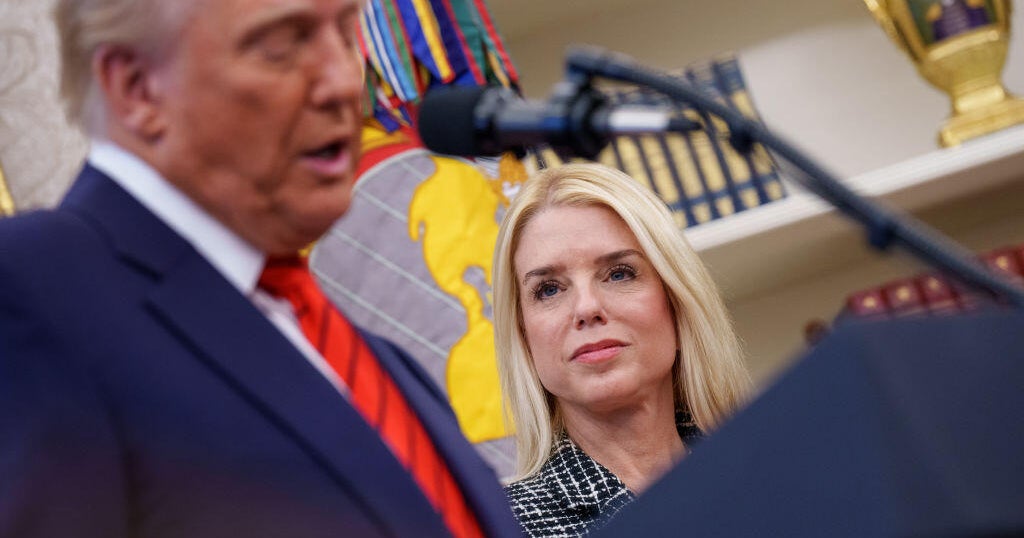
President Trump has fired Attorney General Pam Bondi, appointing Todd Blanche as acting attorney general amid frustrations over prosecutions and department priorities. Bondi will transition to a private sector role, with EPA head Lee Zeldin considered a likely permanent replacement.
The Senate advances a plan to fund most of the Department of Homeland Security as President Trump pledges to pay all DHS employees amid a partial government shutdown. Lawmakers face divisions over funding immigration enforcement agencies, with Republicans pursuing a two-track strategy to end the shutdown.

U.S. stocks fell sharply and oil prices surged after President Trump pledged continued strikes on Iran without outlining a ceasefire plan or reopening the Strait of Hormuz. The Dow dropped over 600 points as energy prices and inflation concerns rose.
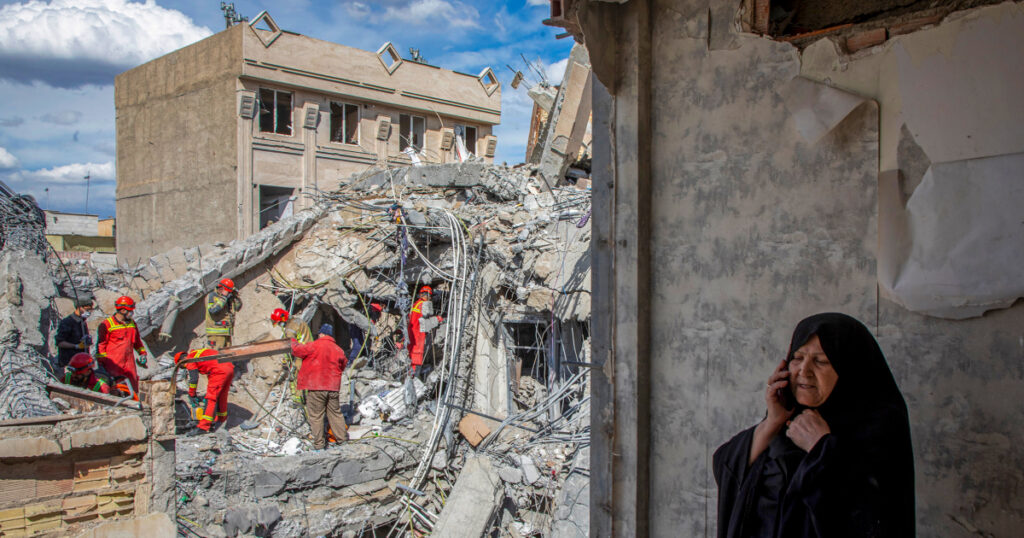
U.S. gasoline prices have surged past $4 per gallon due to disruptions in global oil supplies caused by the Iran conflict and the effective closure of the Strait of Hormuz. President Trump plans a prime-time address to update on the situation, promising a resolution soon and a return to lower fuel prices, though experts warn prices may rise further in the short term. Meanwhile, Trump's threats to target Iranian civilian infrastructure have drawn condemnation from legal experts who warn such actions could constitute war crimes, amid ongoing regional casualties and accusations against all involved parties.
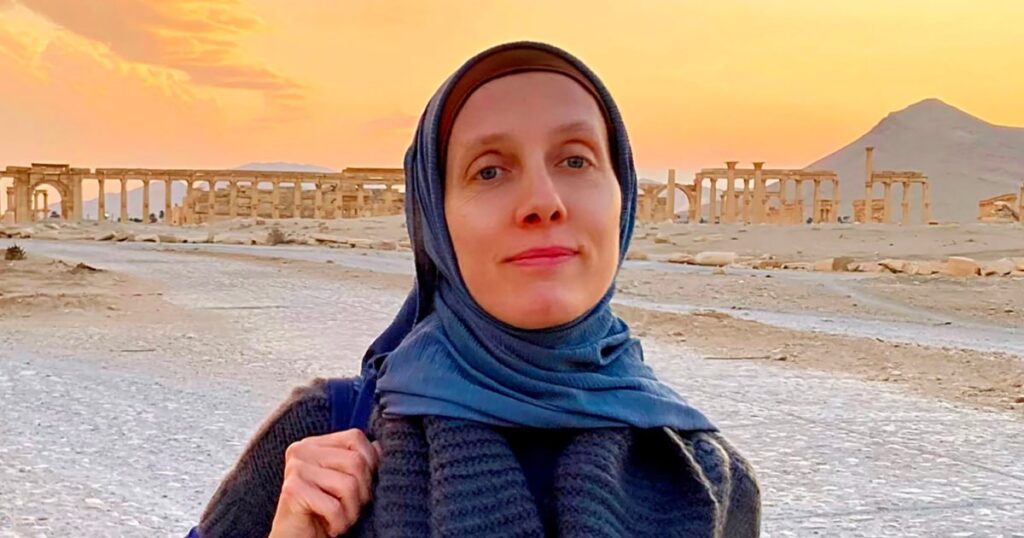
American freelance journalist Shelly Kittleson was kidnapped in Baghdad by suspected Iranian-backed militants linked to the militia group Kata'ib Hezbollah, with Iraqi security forces arresting one suspect and continuing efforts to secure her release. Despite multiple warnings from the U.S. State Department about threats to her safety, Kittleson traveled to Baghdad, where surveillance footage showed her abduction. U.S. and Iraqi authorities, including the FBI and counter-terrorism units, are coordinating to resolve the situation amid heightened tensions involving Iranian-aligned militias in Iraq.
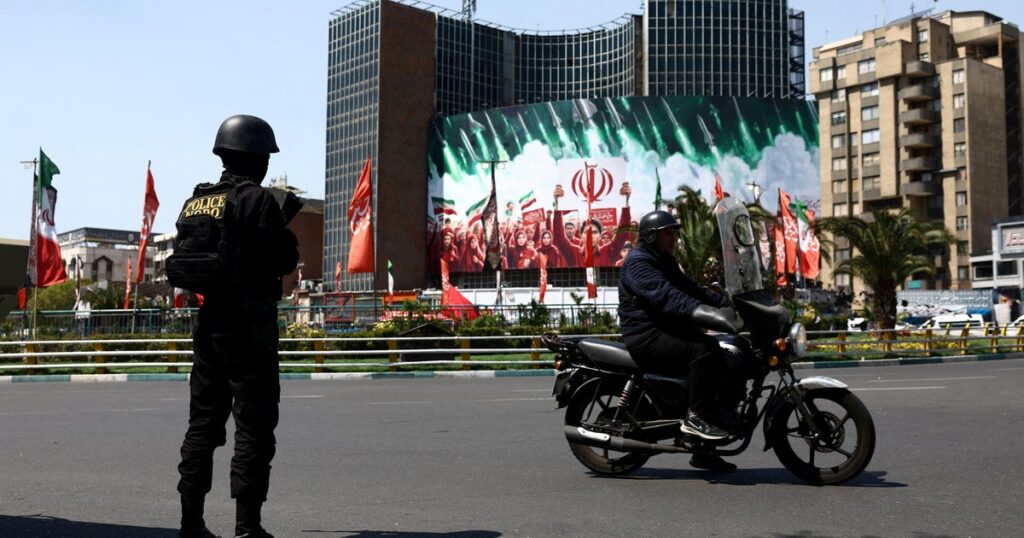
President Donald Trump indicated that U.S. military operations against Iran could end within two to three weeks, leading to a decline in oil prices and gains in global stock markets amid hopes for de-escalation. Trump also threatened to withdraw the U.S. from NATO over European allies’ lack of support for the Iran campaign, raising concerns among members and potentially benefiting Russia. Meanwhile, Pakistan has offered to mediate peace talks between the U.S. and Iran, backed by regional powers, but its efforts are complicated by ongoing conflict with Afghanistan that threatens regional stability.