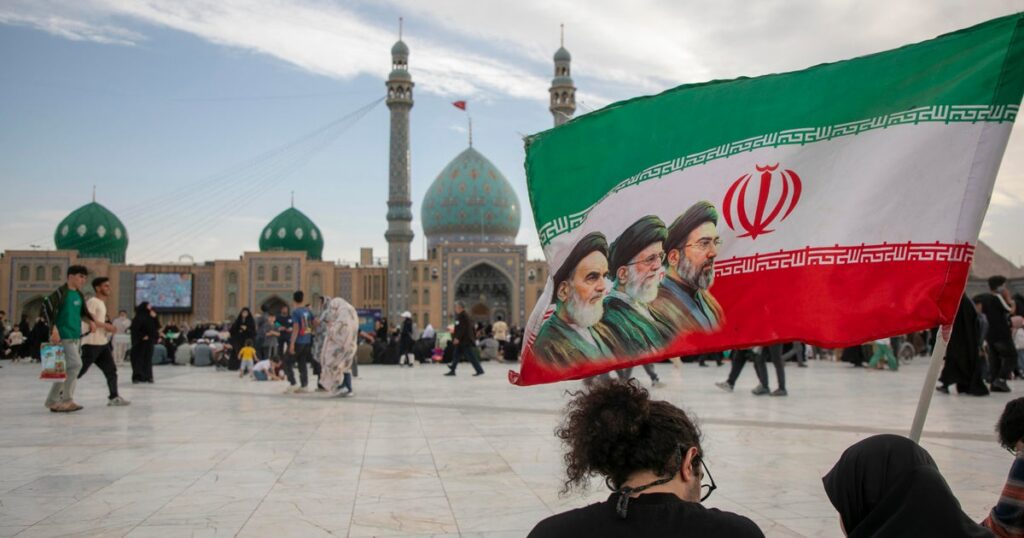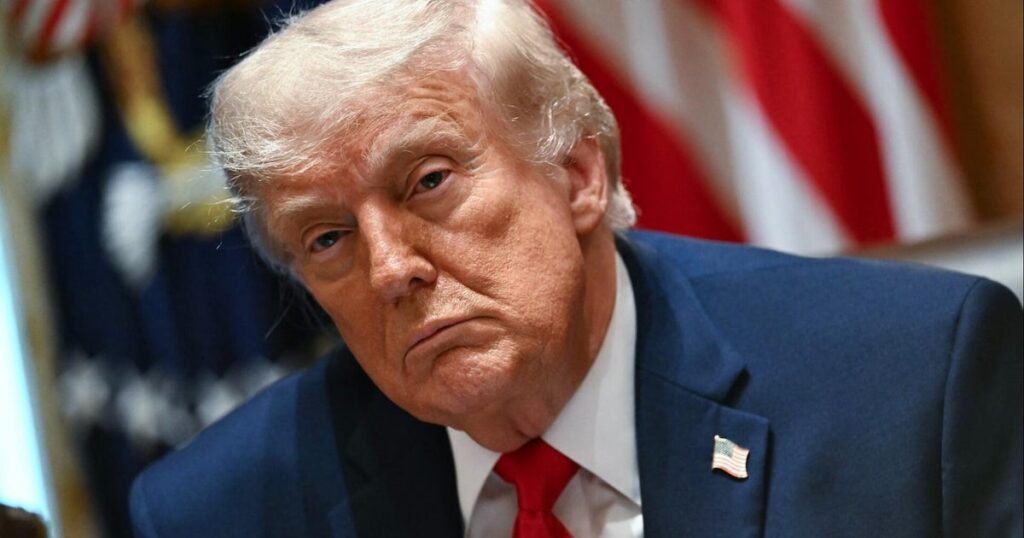
The Department of Homeland Security is undergoing the longest federal shutdown in U.S. history due to deep Republican divisions and unclear White House guidance, with Senate and House leaders unable to agree on funding measures. The shutdown has caused operational disruptions at airports and intensified partisan blame, while some Republicans and former President Trump have called for ending the filibuster to pass funding without Democratic support. Meanwhile, tensions in the Middle East escalate as President Trump threatens severe actions against Iran amid stalled peace talks, raising concerns about further military conflict and global economic impacts.
Posts tagged as “anti-Iranian”
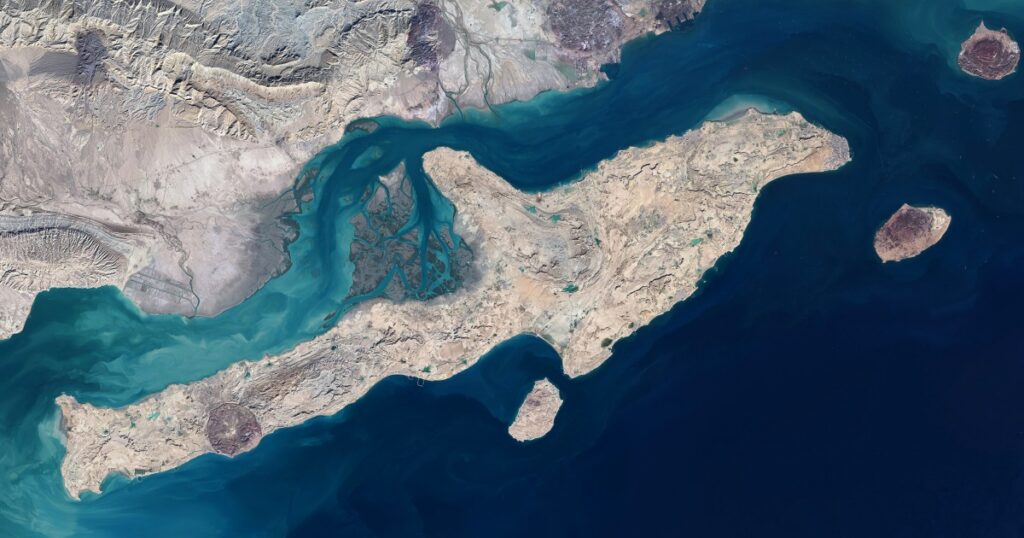
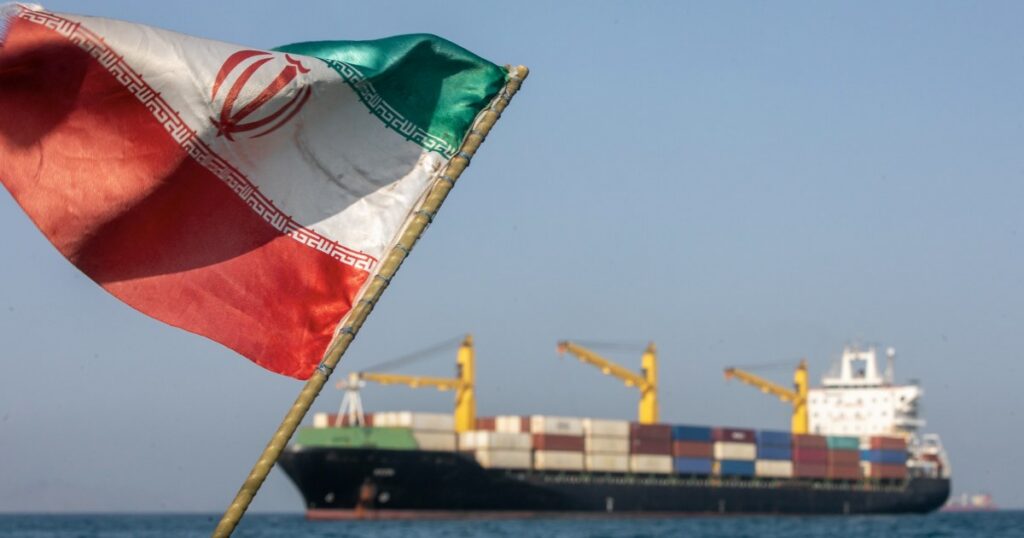
Brent crude oil prices surged to $115 per barrel amid escalating U.S.-Iran tensions and disruptions in the Strait of Hormuz, a key oil transit route, causing significant volatility in global energy markets. The spike in oil prices has led to higher gasoline costs in the U.S., reducing disposable income for consumers and increasing expenses for businesses, potentially slowing economic growth amid fragile demand. Despite strong domestic energy production, the U.S. faces inflationary pressures and market uncertainty as geopolitical risks persist, with analysts warning that prolonged conflict could push oil prices even higher.
Global oil prices surged to new highs as escalating conflict between the United States, Israel, and Iran intensified missile and drone attacks across the Middle East, raising concerns about prolonged regional instability. Iran and its allied forces targeted Israeli infrastructure and U.S. military assets, while diplomatic efforts for resolution remain stalled amid threats of severe retaliation. The conflict has disrupted global energy markets, particularly impacting Asian oil supplies and driving U.S. gasoline prices to their highest levels since mid-2022, with experts warning of further price spikes and inflationary risks.
Senator Rand Paul is the only Senate Republican opposing President Trump’s military strikes against Iran, citing the lack of congressional authorization and emphasizing constitutional checks and balances. He warned of political and economic fallout from escalating conflict and plans to block a $200 billion supplemental war funding request, linking it to ongoing fiscal disputes like the prolonged DHS shutdown. The shutdown has severely impacted airport security, causing TSA staffing shortages and long wait times, with ICE agents temporarily filling gaps amid stalled legislative efforts to end the funding impasse.
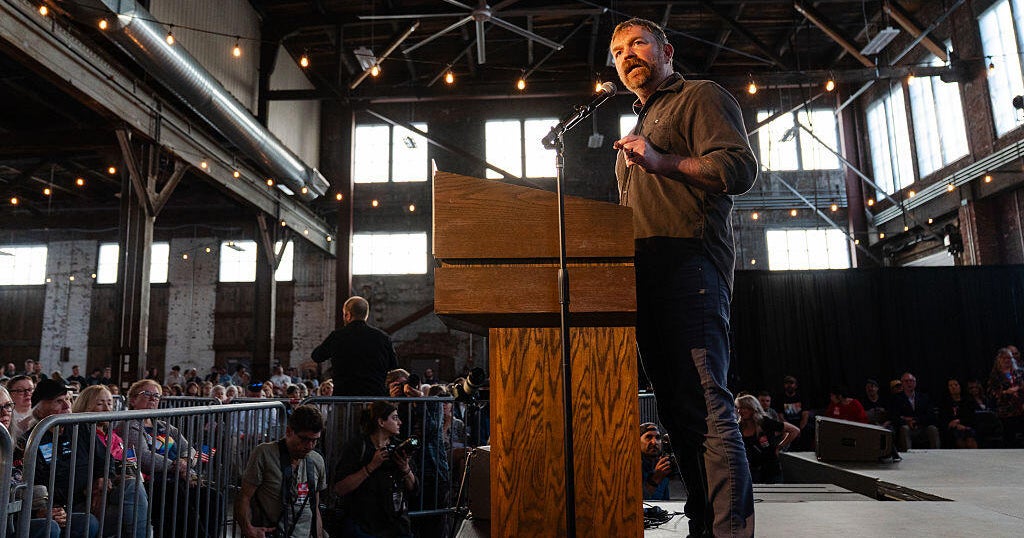
Conservative activists at CPAC in Texas largely support former President Trump’s military action against Iran but express concerns about economic strain, rising gas prices, and avoiding U.S. ground troop deployment. The conflict’s impact on the economy and Republican Party unity has raised worries about the upcoming midterm elections, even as loyalty to Trump remains strong among many attendees. Meanwhile, broader political tensions persist, including a historic DHS shutdown linked to immigration funding disputes, highlighting the complex domestic challenges amid the ongoing war.
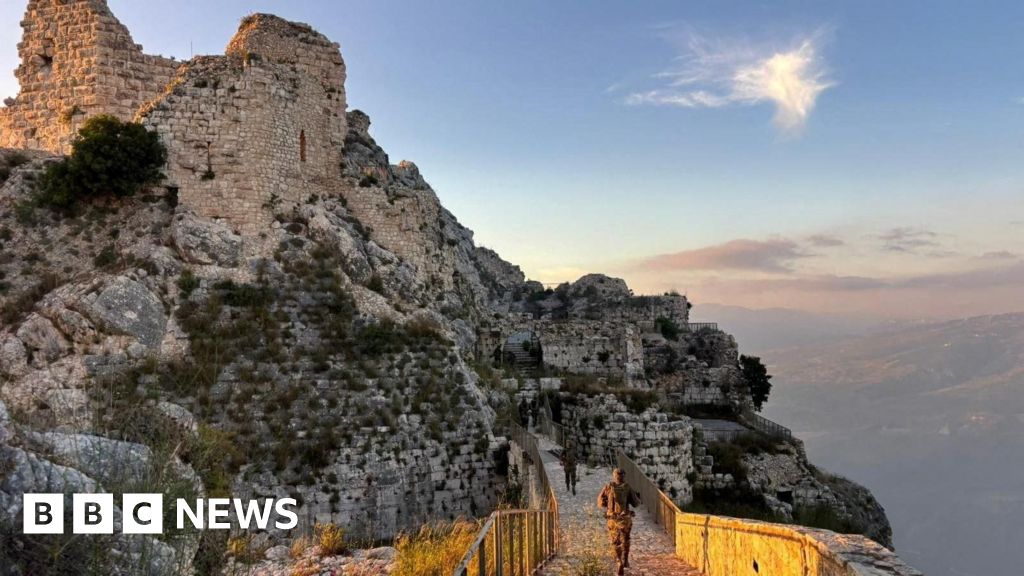
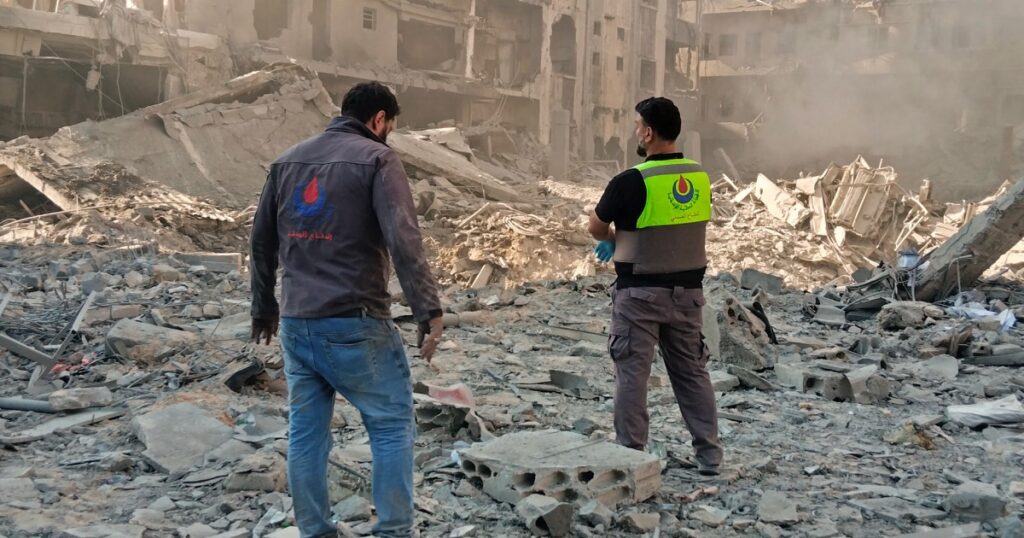
An American-born Israeli soldier, Sgt. Moshe Yitzchak Hacohen Katz, was killed in combat in southern Lebanon amid ongoing hostilities between Israel and Hezbollah, with details of his death undisclosed. The conflict, which has caused nearly 1,200 deaths in Lebanon and significant displacement of over one million people, has intensified as Israel expands its military campaign to establish a security zone along the border. Humanitarian concerns have been raised by the UN and aid organizations, urging a ceasefire to prevent further escalation and suffering.
More than 1,100 Afghan refugees who supported the U.S. remain stranded at Camp As Sayliyah in Qatar, facing a March 31 deadline to relocate to an unspecified third country or return to Taliban-controlled Afghanistan, despite risks of persecution. Advocacy groups criticize the Trump administration’s handling of the situation, calling the camp a “prison camp” and expressing concerns about the refugees’ uncertain futures, while the State Department defends the closure as necessary and humane. Meanwhile, escalating tensions in the Middle East, particularly involving Iran’s unyielding stance and militia activities, complicate regional security and diplomatic efforts, highlighting the broader challenges affecting both refugees and U.S. foreign policy.