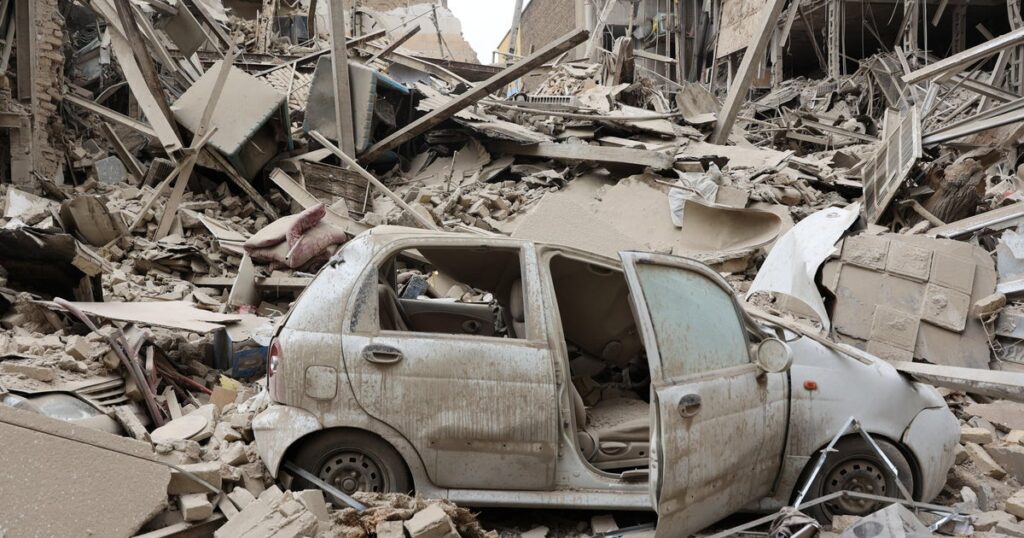
President Donald Trump has urged countries dependent on oil shipments through the Strait of Hormuz to help reopen the waterway, which Iran has effectively closed amid escalating regional conflict following a U.S.-Israeli military campaign. However, many traditional U.S. allies, including European and Pacific nations, have declined to participate in securing the strait, emphasizing diplomacy and conflict resolution over military involvement. The ongoing tensions have driven up global oil prices, strained international relations, and resulted in significant military engagements and regional instability.
Posts tagged as “anti-British”
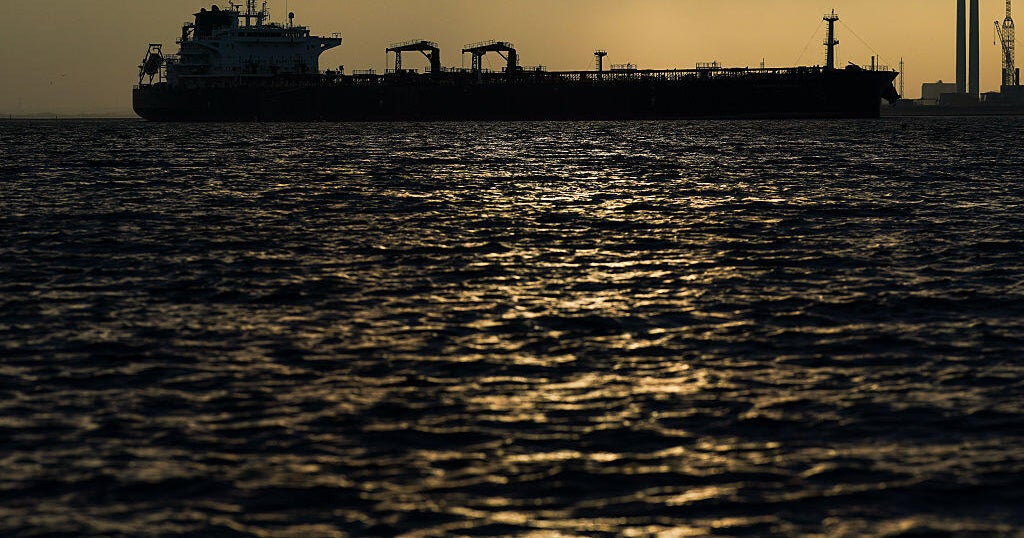
The United States has temporarily eased sanctions on Russian oil, allowing the purchase of petroleum products already loaded onto ships before the announcement, aiming to ease global energy market disruptions caused by conflicts in the Middle East. Treasury Secretary Scott Bessent emphasized the measure is narrowly tailored to avoid benefiting Russia financially and to increase existing supply amid restricted shipping through the Strait of Hormuz. While Russia welcomed the move as stabilizing global markets, European governments and some U.S. lawmakers criticized it for potentially strengthening Russia’s position and undermining sanctions related to the Ukraine conflict.
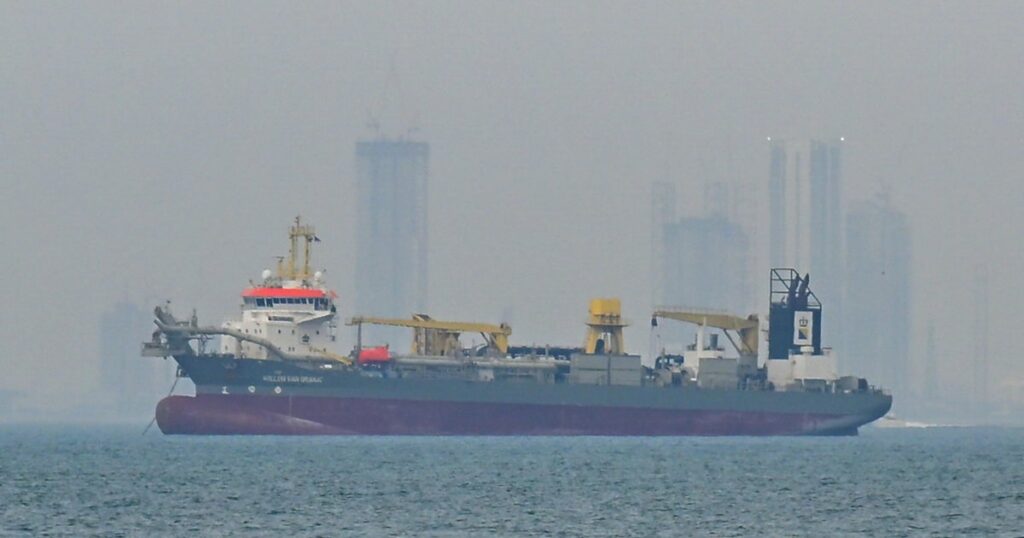
The U.S. government, through the International Development Finance Corporation (DFC), has launched a new initiative to provide political risk insurance for ships navigating the Persian Gulf amid escalating attacks and rising insurance premiums. This program, in partnership with insurer Chubb, aims to ensure the continued flow of energy supplies through the Strait of Hormuz by covering losses up to $20 billion, addressing the withdrawal of private war risk coverage. The move responds to recent vessel attacks that have drastically reduced maritime traffic and driven up global oil prices, though it raises concerns about potential financial risks for American taxpayers and the scope of coverage for non-U.S. ships.

Astronomers are actively discussing the potential habitability of the exoplanet K2-18b, located 124 light-years away, following findings by a Cambridge University-led team suggesting it might be an ocean world capable of supporting microbial life. Using data from NASA's James Webb Space Telescope, researchers identified chemical signatures in K2-18b's atmosphere that are typically associated with microbial life on Earth, raising the possibility of a warm ocean on the planet. While the discovery is considered groundbreaking, researchers urge caution and emphasize the need for further investigation, as the scientific community remains divided on the interpretation of the data.
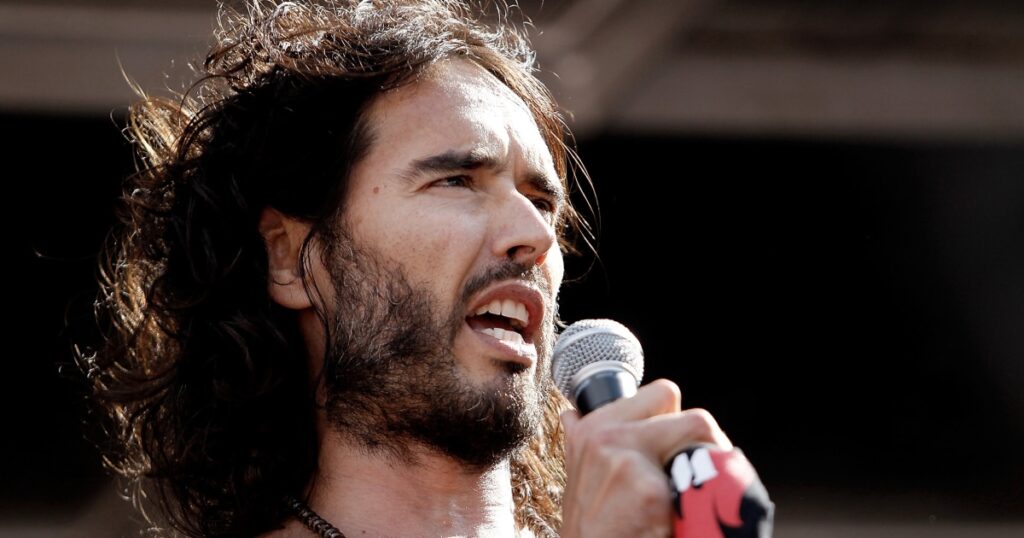
British comedian and actor Russell Brand has been formally charged with multiple sexual offenses, including rape and indecent assault, following a detailed investigation by London's Metropolitan Police. The charges, confirmed by the Crown Prosecution Service, relate to incidents reported by four women and allegedly occurred between 1999 and 2005, coinciding with Brand's rise to fame. The investigation was prompted by reports from Channel 4's "Dispatches" and The Sunday Times, and the police are providing ongoing support to the women involved as the case progresses through the judicial system.
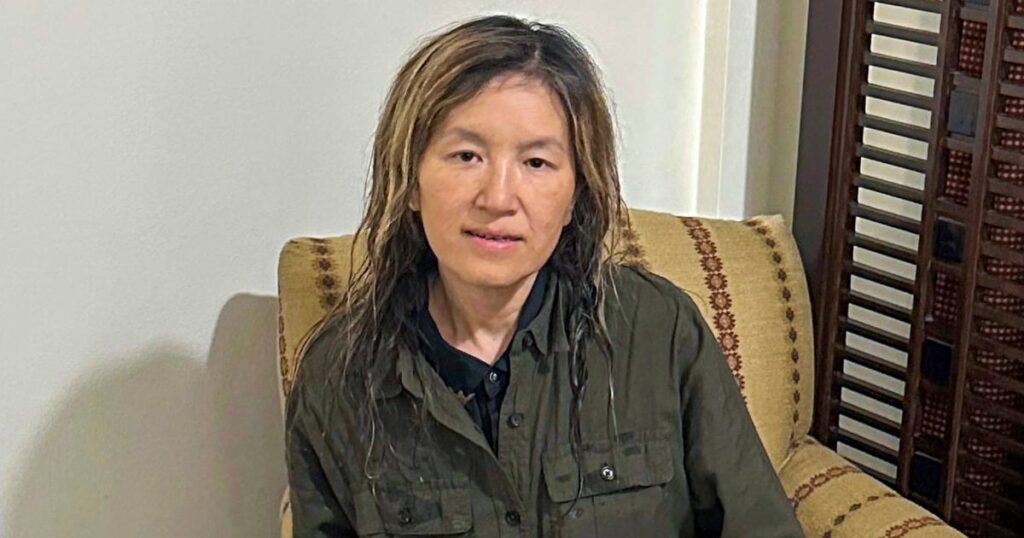
Faye Hall, an American citizen detained by the Taliban since February, has been released and is now under the care of Qatari officials in Kabul, following negotiations led by former U.S. envoy Zalmay Khalilzad. Her detention, alongside two British nationals and their Afghan translator, reportedly involved charges related to the use of a drone. While the specifics of the negotiations remain undisclosed, Hall's release underscores the ongoing diplomatic efforts to secure the freedom of foreign nationals in Afghanistan and the complexities involved in dealing with the Taliban-led government.
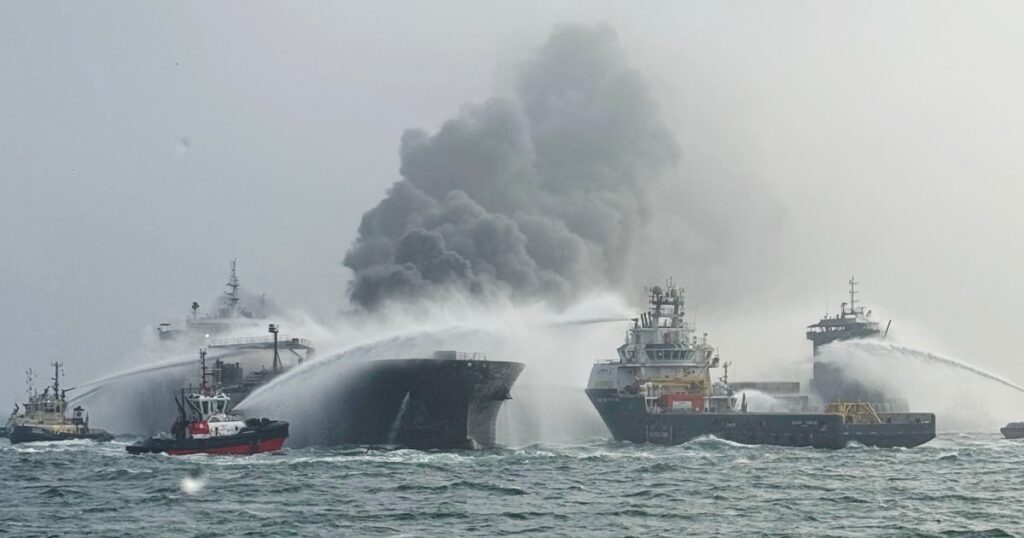
British authorities are managing the aftermath of a collision off England's eastern coast involving a cargo ship with toxic chemicals and a tanker carrying jet fuel, both of which caught fire. An anonymous American crew member from the MV Stena Immaculate tanker reported that the Portugal-flagged Solong unexpectedly collided with the anchored Stena, despite the latter having communicated its coordinates. Officials are monitoring air quality and using equipment like booms to contain potential oil spills, while investigations continue to determine the cause and environmental impact of the incident, highlighting the need for strict maritime safety protocols.
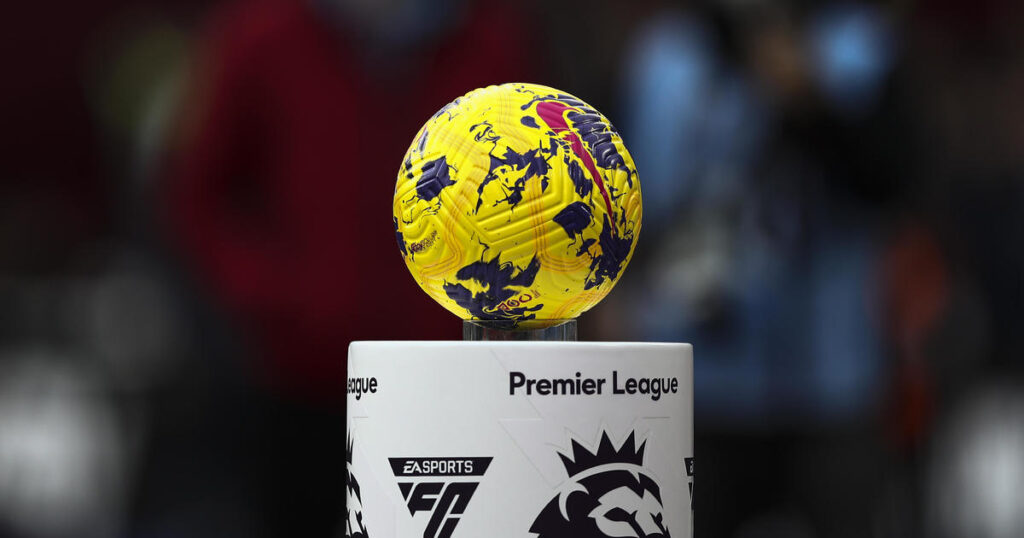
British billionaire Jim Ratcliffe has agreed to buy a minority stake in Manchester United, one of the world's most successful football clubs, for around $1.6 billion. The deal will see Ratcliffe provide $200 million upon completion of the deal and a further $100 million by the end of 2024, as well as taking responsibility for the club's soccer operations. Ratcliffe's investment is a major boost for Manchester United and will help to ensure that the club can remain competitive in the future.