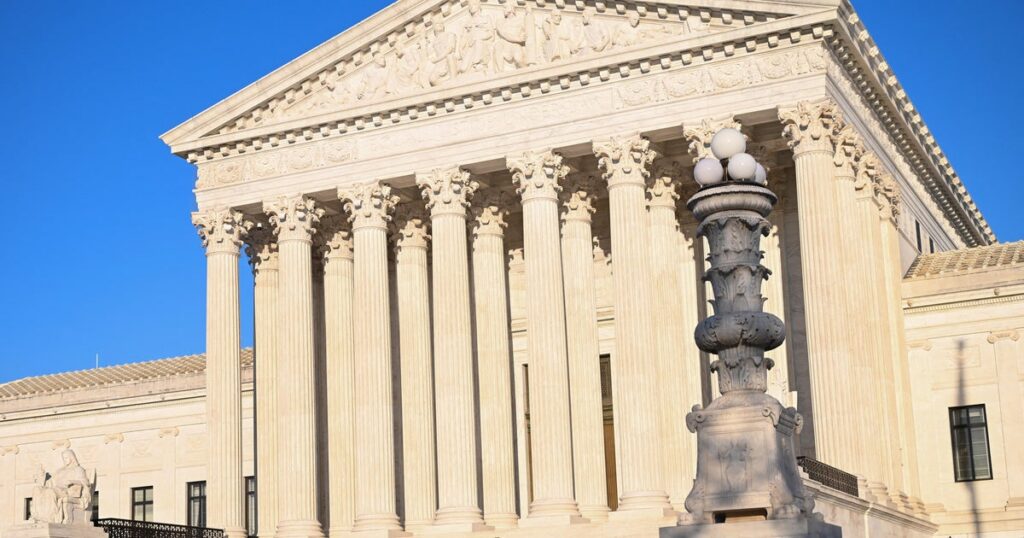
President Donald Trump is set to attend Supreme Court oral arguments on his executive order aimed at ending birthright citizenship for children born in the U.S. to undocumented or temporarily present immigrants, marking the first time a sitting president has personally attended such a session. The case challenges the longstanding interpretation of the Fourteenth Amendment’s Citizenship Clause, which has historically granted citizenship to nearly all individuals born on U.S. soil, regardless of their parents' status. With a conservative majority on the Court, including three Trump appointees, a ruling expected by July could significantly impact immigration law and constitutional citizenship rights.
Posts tagged as “American Born Chinese”

The conflict involving Iran has severely disrupted global oil supplies by blocking the Strait of Hormuz, a vital route for about 20% of the world’s oil shipments, with vessel traffic dropping drastically and Iran imposing tolls on passage. The International Energy Agency recommends reducing oil demand through measures like remote work and increased public transit use, but experts note challenges in changing American driving habits due to limited transit options and the cost of electric vehicles. Meanwhile, ongoing tensions have led to attacks on shipping vessels, and Iran insists on sovereignty over the strait as a condition for ending the conflict, signaling a long-term assertion of control.

Tensions in the Middle East have intensified following Israeli strikes that killed senior Iranian officials, prompting Iranian missile and drone retaliations primarily targeting the UAE and escalating violence in Lebanon involving Hezbollah. The conflict has caused significant civilian casualties and infrastructure damage, drawing international concern and calls for negotiated peace, while also disrupting global energy markets and raising oil prices. Meanwhile, diplomatic efforts, including a planned U.S.-China summit, face uncertainty as the conflict diverts attention and complicates international relations.
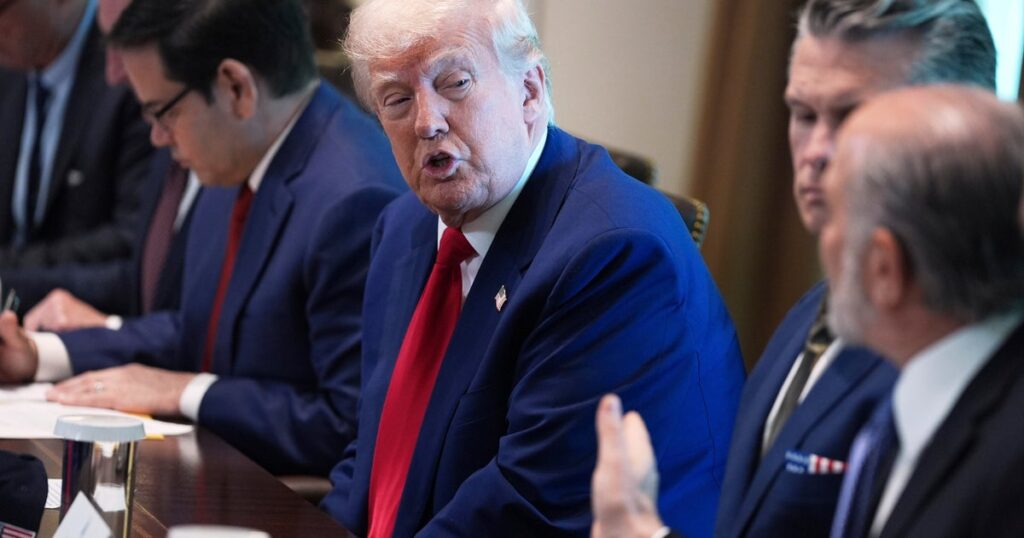
President Donald Trump has addressed concerns about tariffs on Chinese imports, asserting that the primary burden falls on China, though acknowledging potential temporary impacts on American consumers, such as reduced availability of certain goods and slightly higher prices. During a Cabinet meeting, he emphasized that the economic strain is greater for China and suggested that many Chinese imports are non-essential for Americans, potentially limiting the impact on the U.S. market. Despite criticism that the tariffs could cause domestic economic challenges, Trump defends them as necessary for correcting trade imbalances and protecting American industries, while also dealing with frustrations over stalled Russia-Ukraine peace talks, adding complexity to his foreign policy agenda.
The White House criticized Amazon's reported plan to display tariff charges on imported goods on its discount platform, Amazon Haul, calling it a "hostile and political act." Amazon clarified that while the idea was discussed, it has not been implemented, and there are no immediate plans to do so. Despite the potential transparency benefits for consumers, the proposal drew significant attention, prompting a conversation between President Donald Trump and Amazon founder Jeff Bezos, although no official changes have been made to the platform.
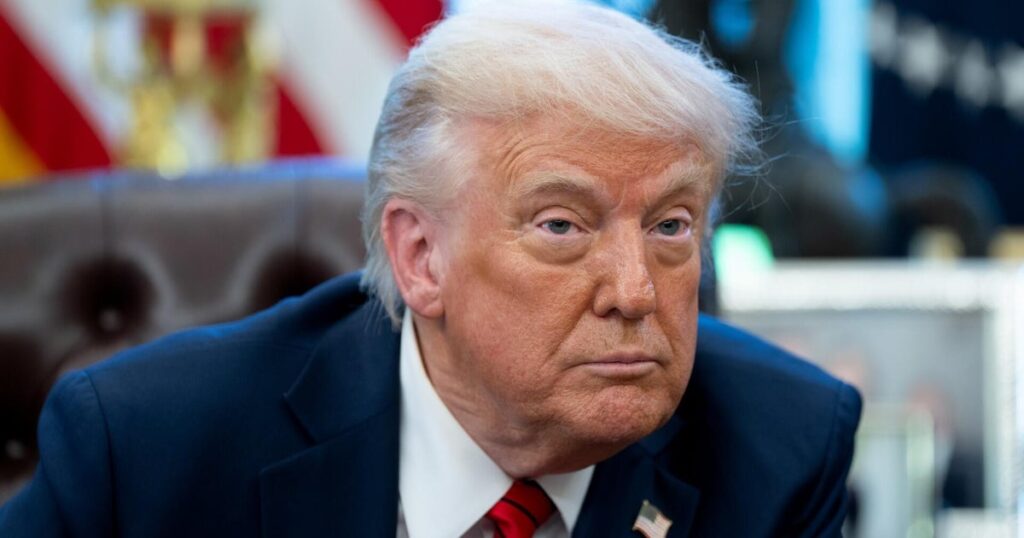
The Trump administration is actively addressing supply chain challenges while navigating international trade negotiations, following President Trump's decision to pause certain global tariffs to develop trade agreements with 75 countries. Despite the pause being framed as a strategic maneuver to showcase Trump's deal-making skills, former trade negotiators warn that converting initial discussions into formal agreements will be challenging, especially given the tight timeline. To mitigate potential supply chain disruptions, particularly from tariffs on Chinese goods, the administration is considering forming a dedicated working group to address these issues urgently if negotiations with Beijing do not succeed.
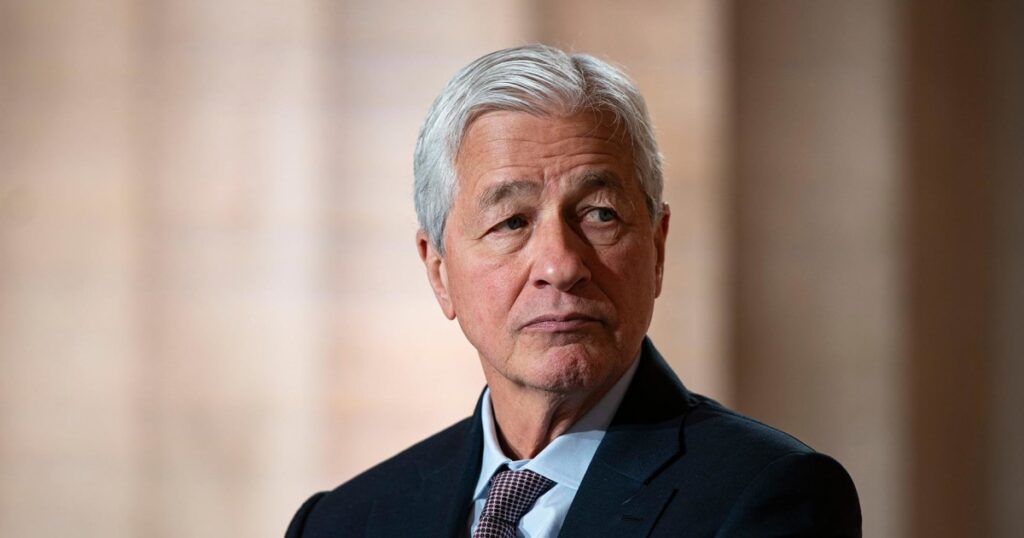
Following the announcement that certain electronics would be exempt from tariffs on Chinese imports, technology stocks experienced a notable rally, benefiting companies like Apple and Nvidia. This exemption alleviated concerns about potential price increases for products manufactured in China, highlighting the sensitivity of tech stocks to trade policy developments. Despite the positive market response, a survey revealed that 62% of U.S. CEOs anticipate an economic downturn within six months, reflecting growing concerns about economic stability amid fluctuating trade policies.

The U.S. Customs and Border Protection office has announced exemptions for several high-tech products, including smartphones and computers, from the newly imposed 145% tariffs on Chinese imports, potentially shielding American consumers from price hikes. This decision is particularly significant for companies like Apple, which rely on Chinese manufacturing, as it could prevent substantial price increases and supply chain disruptions. By excluding key technology items from the high tariffs, the U.S. government aims to mitigate the economic impact on consumers and businesses, maintaining the affordability and accessibility of essential electronic devices.