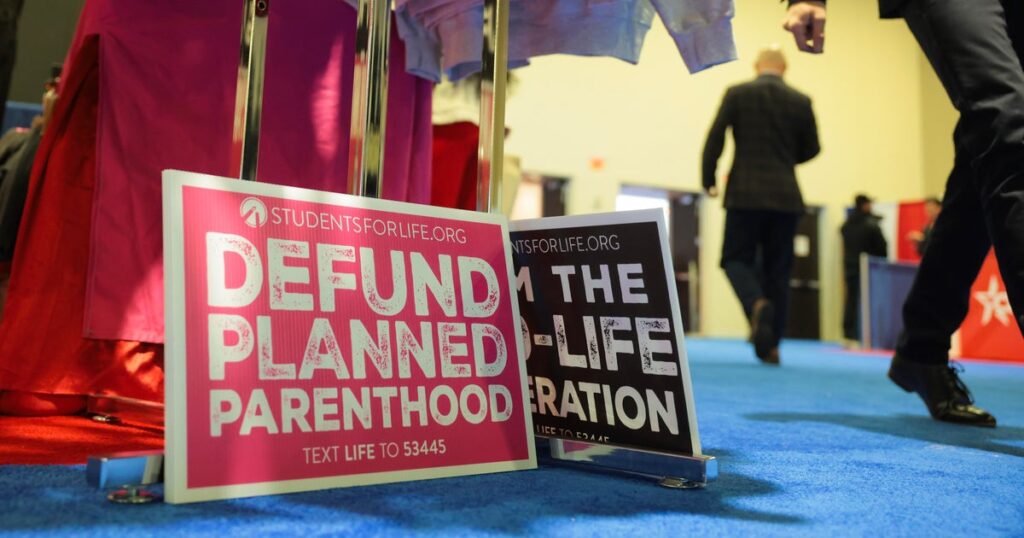
The Supreme Court is set to hear a case concerning whether Medicaid recipients can sue to choose their healthcare providers, with Planned Parenthood at the center of the dispute. Originating from efforts by anti-abortion officials in South Carolina to block Medicaid funds to Planned Parenthood, the case unfolds amid significant changes in abortion laws following the reversal of Roe v. Wade. The outcome could impact Medicaid recipients' access to healthcare providers and influence the national debate on reproductive rights and public health funding.
Posts tagged as “Alabama Republican”
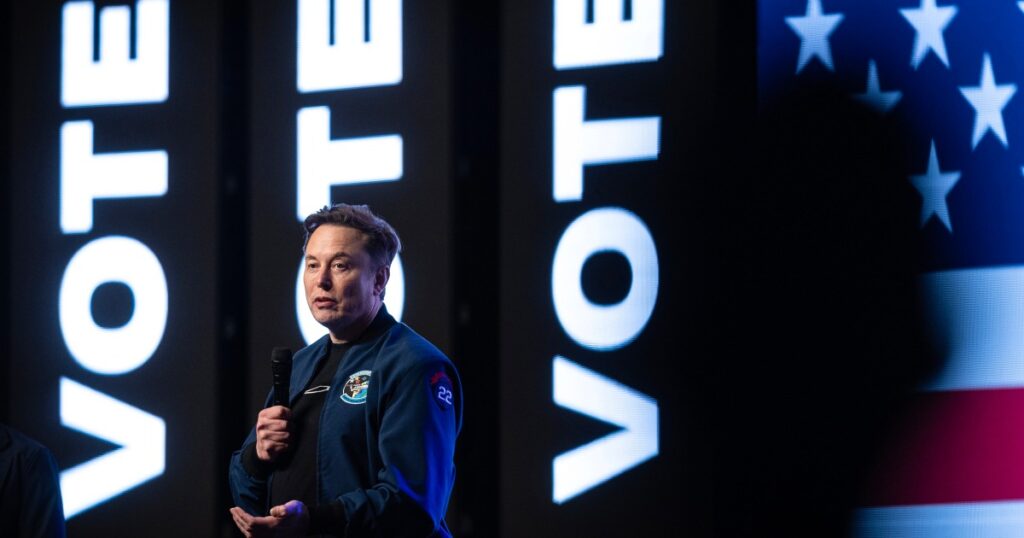
In Wisconsin, Judge Susan Crawford's victory in the Supreme Court election preserved the liberal influence within the state's highest judicial body, despite significant financial support for her opponent from Elon Musk. In Florida, the Republican Party succeeded in two special House elections, expanding their majority in the U.S. House of Representatives, with Jimmy Patronis and Randy Fine winning in the 1st and 6th Districts, respectively. These election outcomes underscore the shifting political dynamics and the impact of endorsements and financial contributions, prompting both parties to reconsider their strategies for future elections.
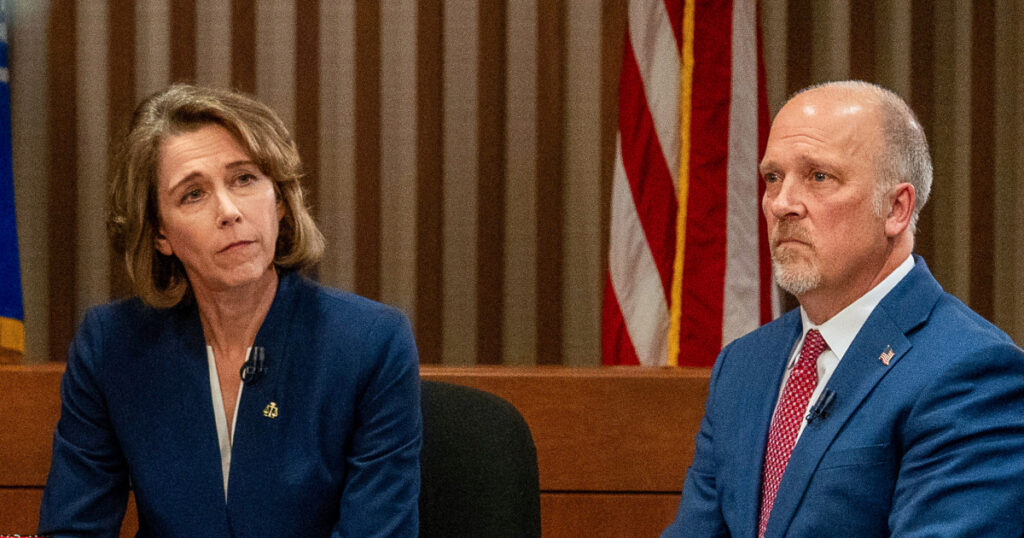
In a historic election, Wisconsin's state Supreme Court race became the most expensive judicial contest in U.S. history, drawing significant national attention as an early indicator of voter sentiment during President Trump's second term. The race, featuring Democrat-supported Judge Susan Crawford against Republican-backed Judge Brad Schimel, saw over $81 million in spending and involvement from high-profile figures like former President Trump and Elon Musk. Judge Crawford's victory is seen as a reflection of voter attitudes towards the current administration and is expected to influence future political strategies in this key battleground state.
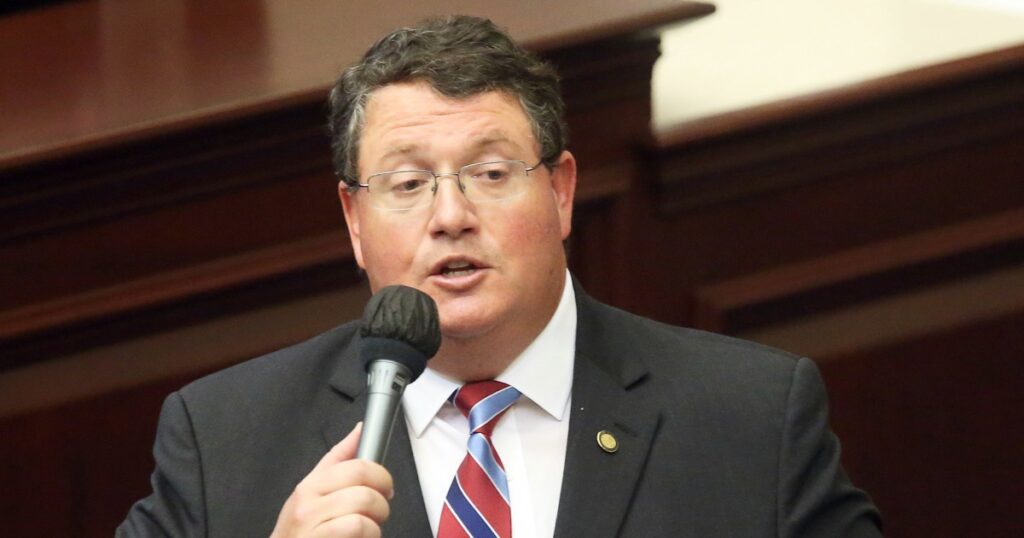
NBC News has projected Republican victories in two special congressional elections in Florida, with Jimmy Patronis winning the 1st District and Randy Fine securing the 6th District. Despite these districts being Republican strongholds, the races were unexpectedly competitive, indicating a shift in voter dynamics. These outcomes are seen as early indicators of public sentiment on Trump's presidency and are being analyzed for insights into future electoral trends.
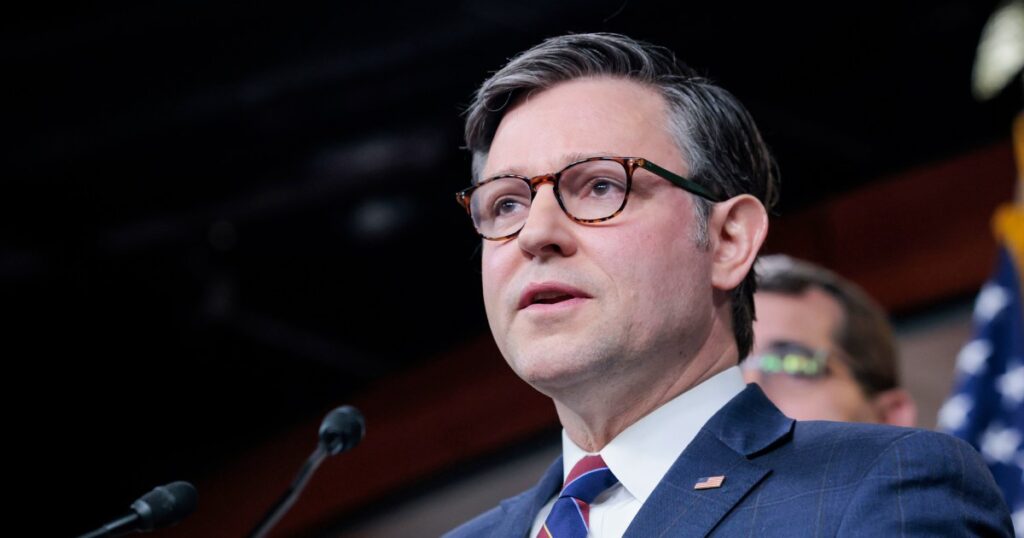
A procedural vote in the U.S. House of Representatives resulted in a temporary halt to legislative activities after nine Republican lawmakers joined all Democrats in opposing a GOP-led package of bills. The vote's failure, influenced by a controversial proposal for remote voting for new-parent lawmakers, highlights the internal divisions within the Republican Party and presents challenges for Speaker Mike Johnson. As the House adjourns for the week, the unusual coalition of Republicans and Democrats against the rule underscores the complexities of intra-party dynamics and may impact future legislative strategies.

Oscar-winning director Oliver Stone is set to testify before Congress about newly released documents related to President John F. Kennedy's assassination, which have reignited public interest due to fewer redactions revealing sensitive information. Meanwhile, Republican Representative Anna Paulina Luna has initiated a discharge petition for a proposal allowing new parents in Congress to designate a colleague to vote on their behalf for up to 12 weeks, highlighting divisions within the House Freedom Caucus. These developments emphasize ongoing debates in Congress about transparency, privacy, and accommodating the evolving needs of lawmakers, reflecting broader discussions on government accountability and legislative modernization.
VP JD Vance’s Opposition to Trump’s Yemen Strike Sparks GOP Division and Fuels Foreign Policy Debate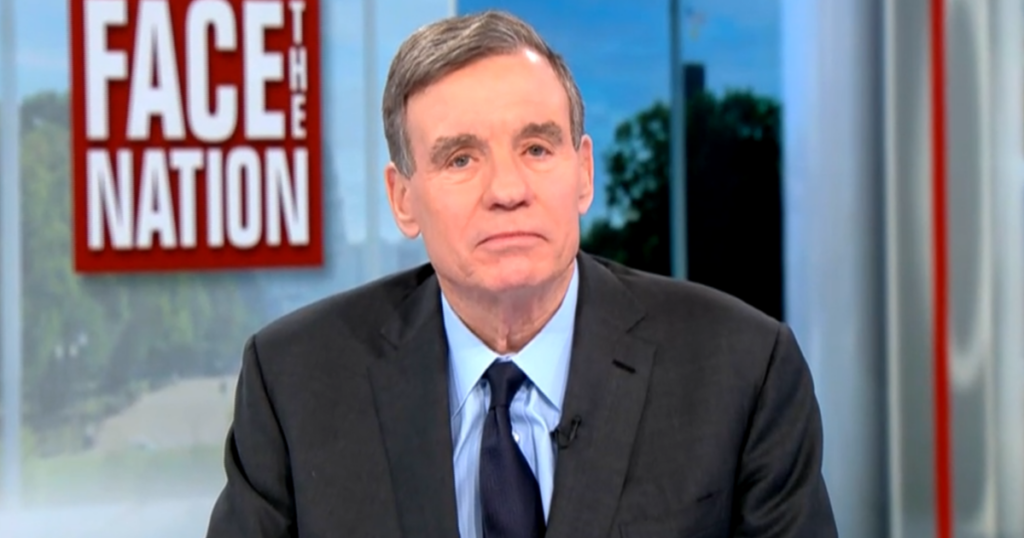
VP JD Vance’s Opposition to Trump’s Yemen Strike Sparks GOP Division and Fuels Foreign Policy Debate
Vice President JD Vance's opposition to President Donald Trump's military strike against Houthi forces in Yemen has caused significant division within the administration and the Republican Party, as revealed through a leaked Signal chat. This disagreement highlights the broader debate over the U.S.'s aggressive military strategy and its foreign policy priorities, with some lawmakers accusing Vance of trying to obstruct the President's directive. Senator Mark Warner discussed the potential implications of this strategy on "Face the Nation," noting the strategic importance of reopening Red Sea trade routes, which adds another layer to the ongoing discourse on America's international role and national interests.
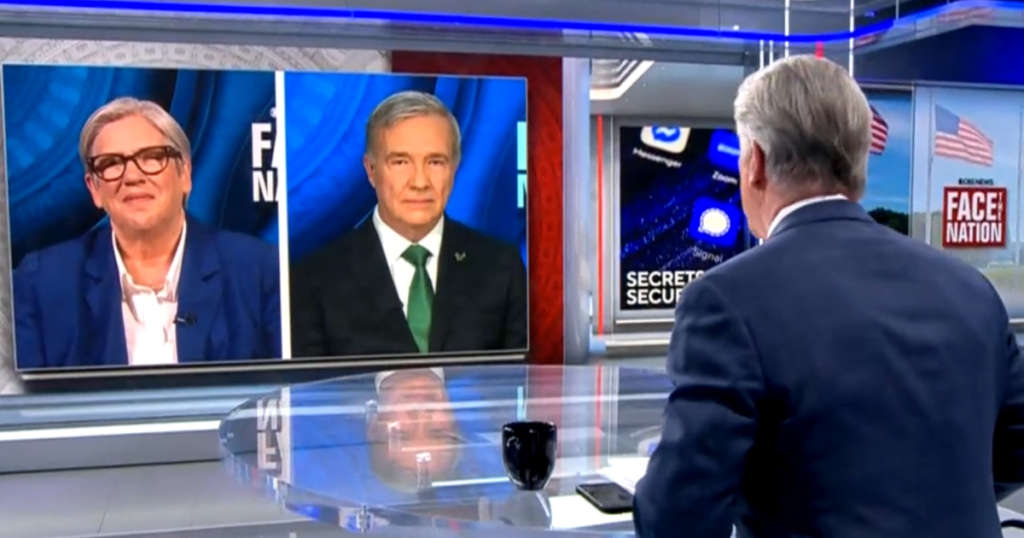
A CBS News poll reveals that 76% of Americans find the use of the messaging app Signal by administration officials to discuss military plans inappropriate, with this view shared by a majority of independents and Republicans. The controversy is intensified by Vice President JD Vance's concerns over President Trump's decision to strike the Houthis in Yemen, which were expressed in a public Signal chat, causing discontent among senior Republican lawmakers. This situation highlights a broader debate about the appropriateness and security of using non-traditional communication methods for sensitive military discussions, reflecting public concern over transparency and the administration's foreign policy strategy.