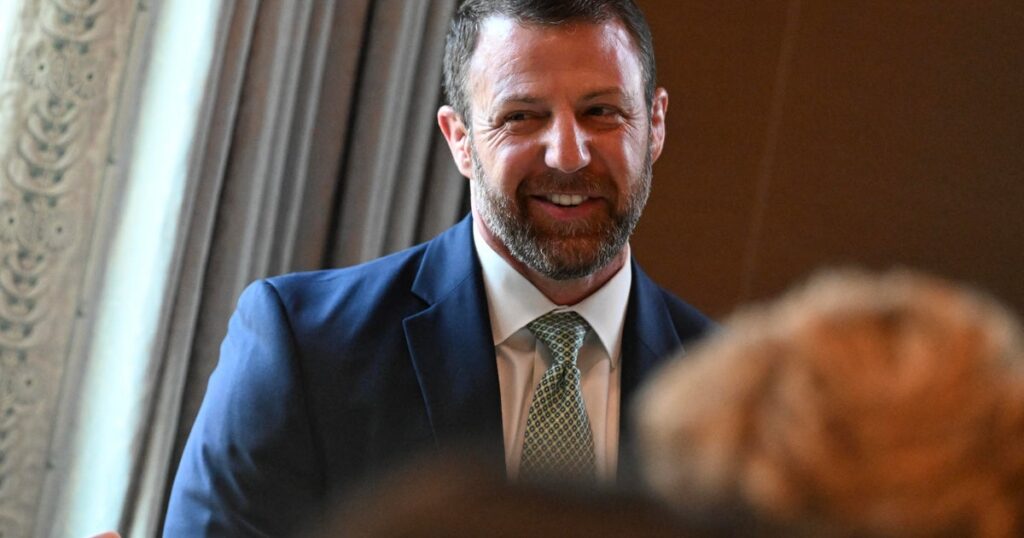
Senator Markwayne Mullin appeared before the Senate Homeland Security and Governmental Affairs Committee for a confirmation hearing to become the next Secretary of Homeland Security, facing scrutiny over past remarks and concerns about his readiness to lead amid ongoing departmental challenges. While Republican supporters praised Mullin’s experience and work ethic, Democrats expressed reservations about his ability to address issues such as immigration enforcement reforms, funding impasses, and agency misconduct. The committee’s recommendation will move Mullin’s nomination to the full Senate, where a simple majority vote is needed for confirmation.
Posts tagged as “Alabama Republican”
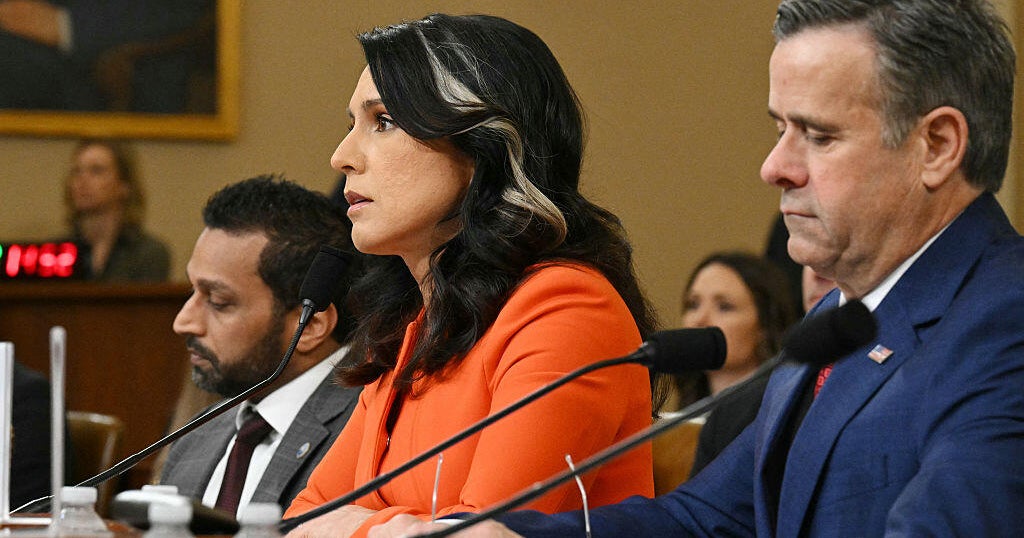
Top U.S. intelligence officials, including Director of National Intelligence Tulsi Gabbard, testified before the Senate Intelligence Committee amid heightened tensions following the U.S. military campaign against Iran, which was justified by the Trump administration as a response to an imminent threat despite intelligence reports indicating Iran was not actively pursuing nuclear weapons. The hearing occurred shortly after the resignation of Joe Kent, head of the National Counterterrorism Center, who criticized the administration’s rationale for war, while lawmakers remain divided over calls for greater transparency and public hearings on the conflict. As the debate over oversight continues, Democratic lawmakers push for more disclosure, whereas many Republicans argue that classified briefings suffice to protect national security.
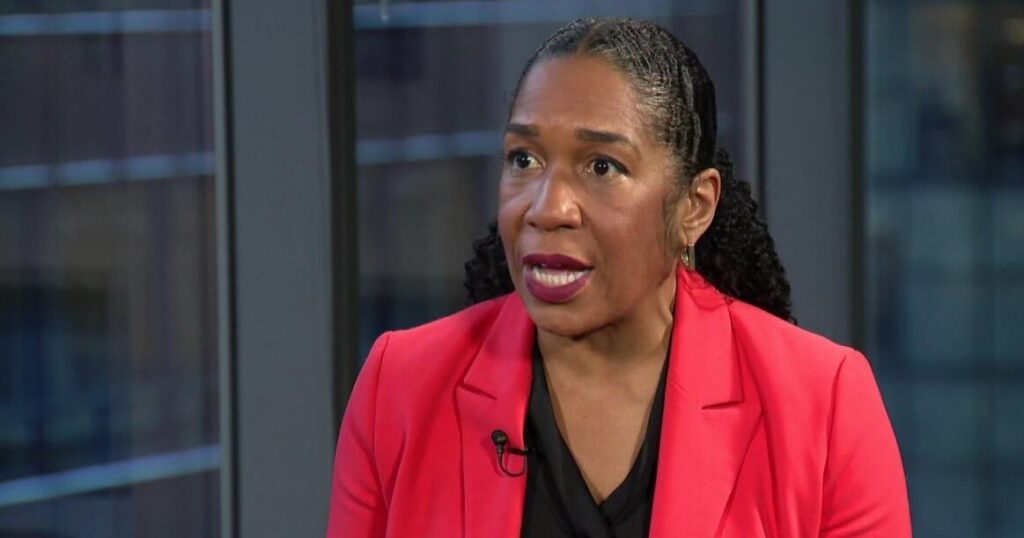
Illinois Lieutenant Governor Juliana Stratton is projected to have won the Democratic primary for the U.S. Senate seat being vacated by Senator Dick Durbin, leading a field of 10 candidates with about 39.4% of the vote. Stratton, supported by significant outside spending from Governor J.B. Pritzker’s PAC, campaigned as a progressive advocating for Medicare for All, a $25 minimum wage, and the abolition of ICE, positioning herself as a strong opponent to former President Trump and Senate leadership. If elected, she would become the sixth Black woman in the U.S. Senate and face Republican Don Tracy in the November general election for a seat historically favoring Democrats.
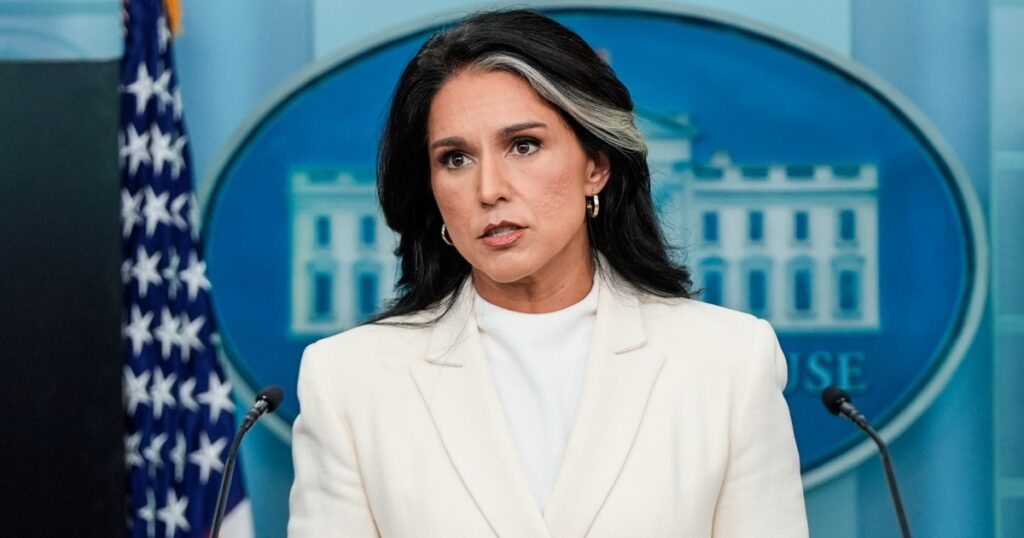
Joe Kent, former head of the National Counterterrorism Center, resigned in protest of the U.S.-Israeli military campaign against Iran, arguing that Iran posed no imminent threat and criticizing the war as influenced by Israeli pressure. His departure has intensified scrutiny on National Intelligence Director Tulsi Gabbard, who has maintained a neutral public stance but is expected to clarify her position during upcoming Senate testimony. The resignation has sparked debate within the Trump administration and Congress, highlighting divisions over U.S. foreign policy and the potential political consequences of the conflict.
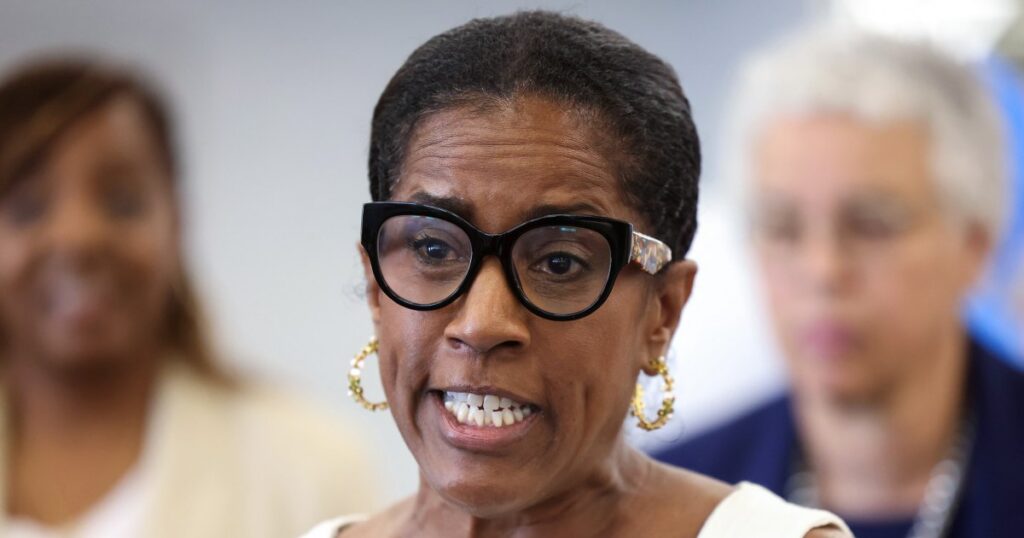
Illinois voters participated in the 2026 primary elections on March 17, with key races including the U.S. Senate seat, where Lieutenant Governor Juliana Stratton won the Democratic nomination to face Republican Don Tracy. The gubernatorial primary set up a rematch between incumbent JB Pritzker and Republican Darren Bailey, while several closely contested Democratic congressional primaries in the Chicago area highlighted ideological divides, particularly over Israel policy. Notable outcomes included Melissa Bean’s political comeback in the 8th District and tight races in the 7th and 9th Districts, reflecting shifting dynamics within Illinois politics ahead of the general elections.
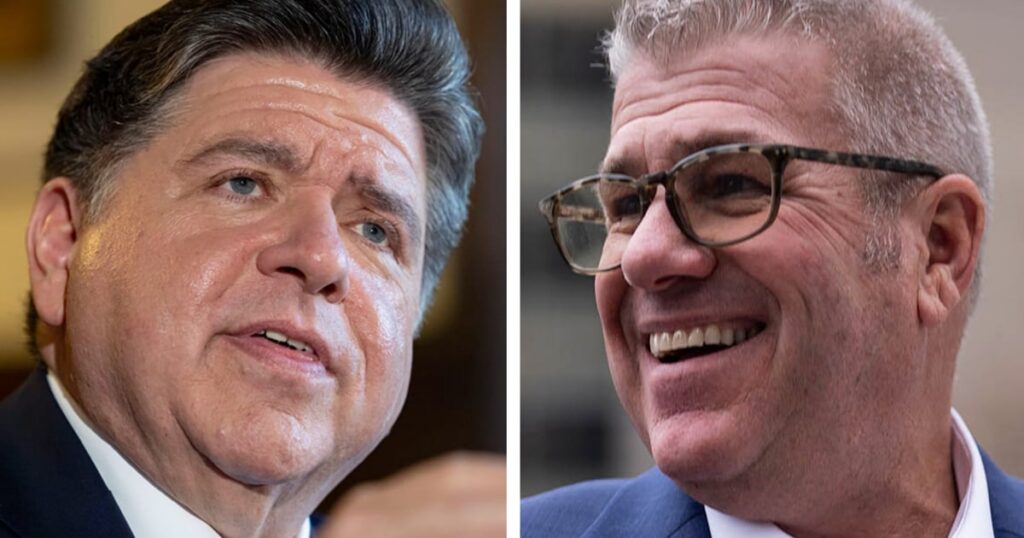
Illinois Governor JB Pritzker and Republican Darren Bailey will face off again in the 2026 gubernatorial election after both secured their party nominations, mirroring their 2022 contest where Pritzker won by 13 points. Pritzker, known for his progressive policies like raising the minimum wage and eliminating cash bail, has also gained national attention for opposing federal immigration enforcement actions in Chicago. Bailey, a farmer and former state legislator, continues to criticize Pritzker’s leadership and policies, aiming to improve his previous electoral performance in a predominantly Democratic state.
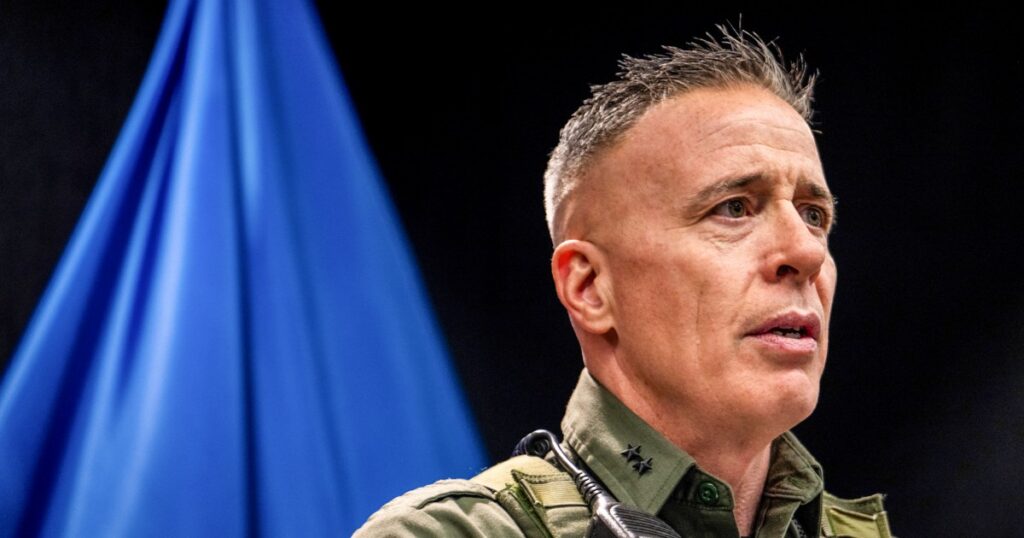
Gregory Bovino, a senior U.S. Border Patrol official known for leading aggressive immigration raids in major cities, is retiring at the end of this month amid controversy. His tenure included criticized operations in Los Angeles and other cities, culminating in backlash after fatal shootings during an enforcement action in Minneapolis and legal challenges over his tactics. Bovino’s retirement coincides with leadership changes at the Department of Homeland Security and marks the conclusion of a contentious period in Trump-era immigration enforcement.
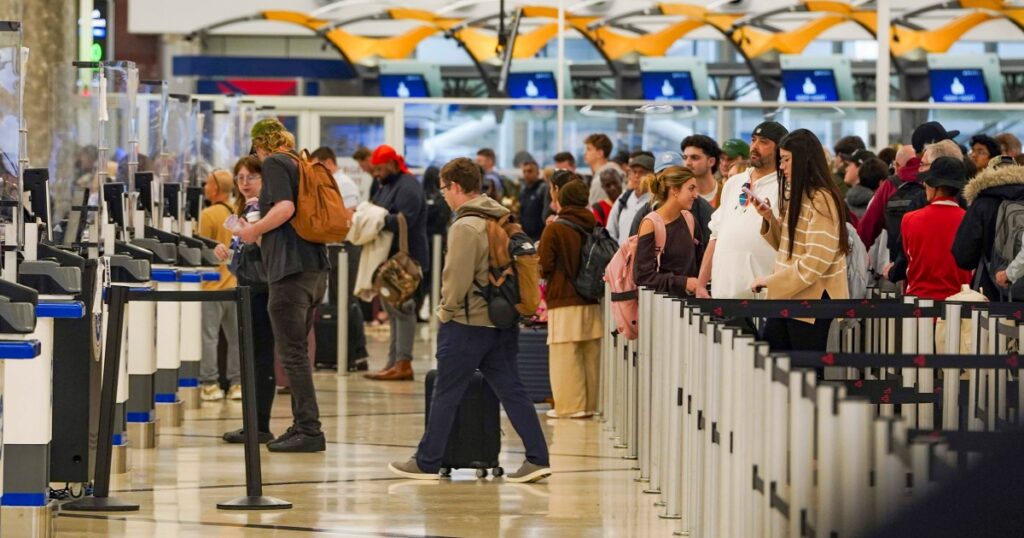
The partial government shutdown has caused significant delays at U.S. airport security checkpoints due to TSA employees missing paychecks, leading to increased resignations and callouts that strain staffing levels nationwide. Key airports like Atlanta, Austin, and Houston are experiencing severe wait times, with TSA officials warning that the situation will worsen unless funding is restored. The shutdown, rooted in a political deadlock over immigration policy, has left many TSA workers struggling financially, prompting calls from airlines and officials for Congress to resolve the impasse to stabilize airport operations.