
The U.S. Senate has failed for the fifth time to pass legislation funding the Department of Homeland Security, prolonging a shutdown that has severely disrupted airport security due to TSA staffing shortages. The deadlock stems from Democrats demanding immigration enforcement reforms before reopening the department, while Republicans and the White House have proposed measures that Democrats find insufficient. Despite ongoing bipartisan talks and a planned procedural vote to fund TSA separately, no resolution appears imminent as both sides remain entrenched in their positions.
Posts tagged as “Alabama Republican”
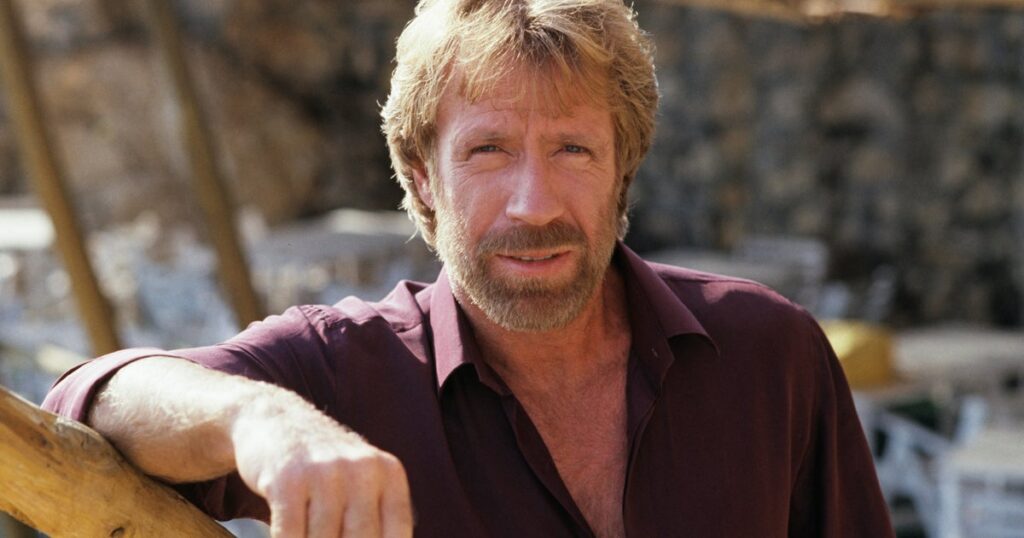
Chuck Norris, the legendary martial artist and actor famous for his role in "Walker, Texas Ranger," has died at age 86, with his family announcing his peaceful passing surrounded by loved ones. Born in Oklahoma, Norris was a six-time undefeated karate champion who later transitioned to a successful acting career, becoming a cultural icon through his action films and television work. Beyond entertainment, he was known for his conservative political views, Christian faith, and widespread internet fame through "Chuck Norris facts," leaving behind a legacy celebrated by fans and public figures alike.
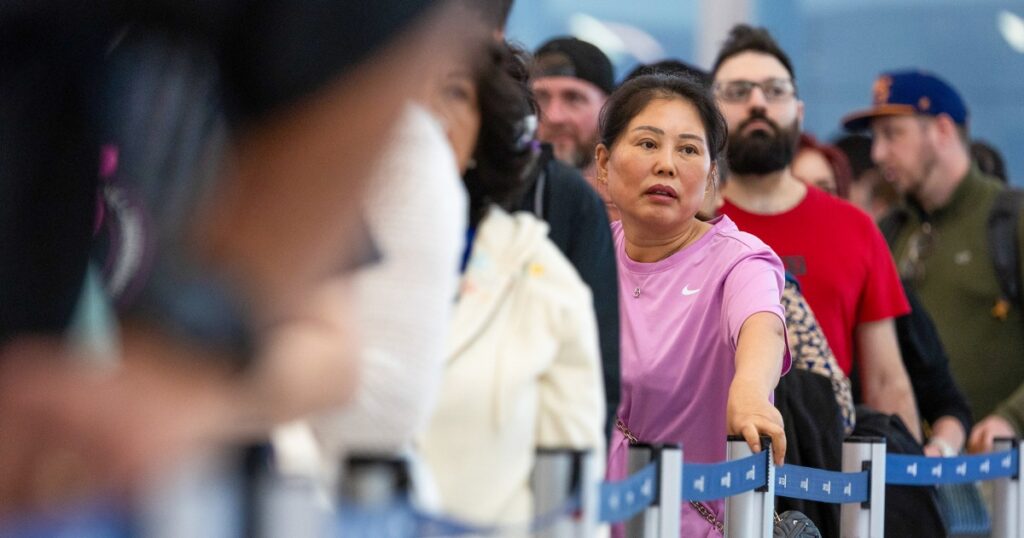
Bipartisan talks to end the partial shutdown of the Department of Homeland Security (DHS) saw progress during a recent meeting between senators and the White House’s border czar, Tom Homan, though no agreement was reached. The shutdown, which began February 14, has caused significant disruptions, including unpaid federal workers and TSA staffing shortages leading to airport delays. Despite proposals from the administration to negotiate on immigration enforcement reforms, Democrats insist on substantial changes to ICE policies before funding DHS, while Republicans demand funding the entire department, leaving the standoff unresolved as the Senate’s recess approaches.
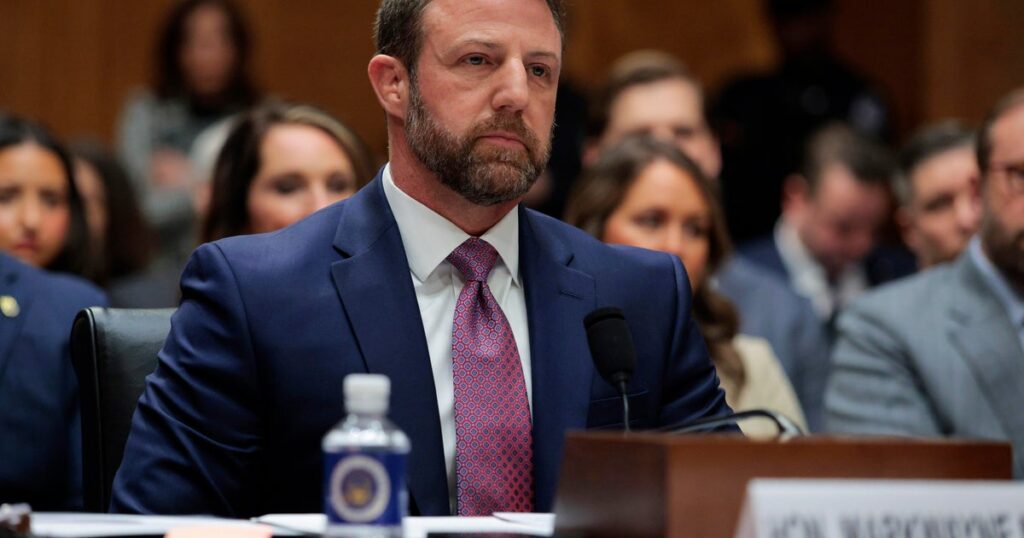
The Senate Homeland Security and Governmental Affairs Committee narrowly voted 8 to 7 to advance Senator Markwayne Mullin’s nomination as the next Secretary of the Department of Homeland Security, setting up a full Senate vote soon. The confirmation process was marked by tension, with Republican Senator Rand Paul opposing Mullin over concerns about his temperament and past remarks, while Democratic Senator John Fetterman broke ranks to support him. Mullin, praised by President Trump as a “MAGA Warrior,” emphasized his commitment to strong leadership and restoring confidence in DHS amid ongoing challenges.
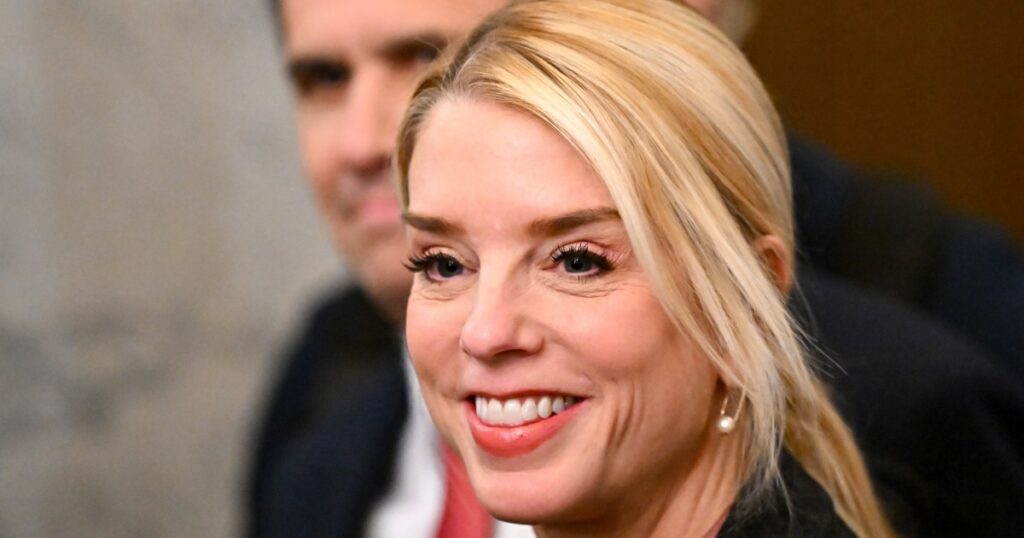
House Democrats walked out of a closed-door briefing with Attorney General Pam Bondi, criticizing the session as a “fake hearing” due to Bondi’s refusal to commit to complying with a subpoena and the lack of transparency. Republicans defended the briefing and accused Democrats of staging a political protest, while tensions flared between members during the session. The dispute highlights ongoing bipartisan concerns over the Justice Department’s handling and release of sensitive Jeffrey Epstein-related documents, with Bondi defending the department’s efforts amid controversy.
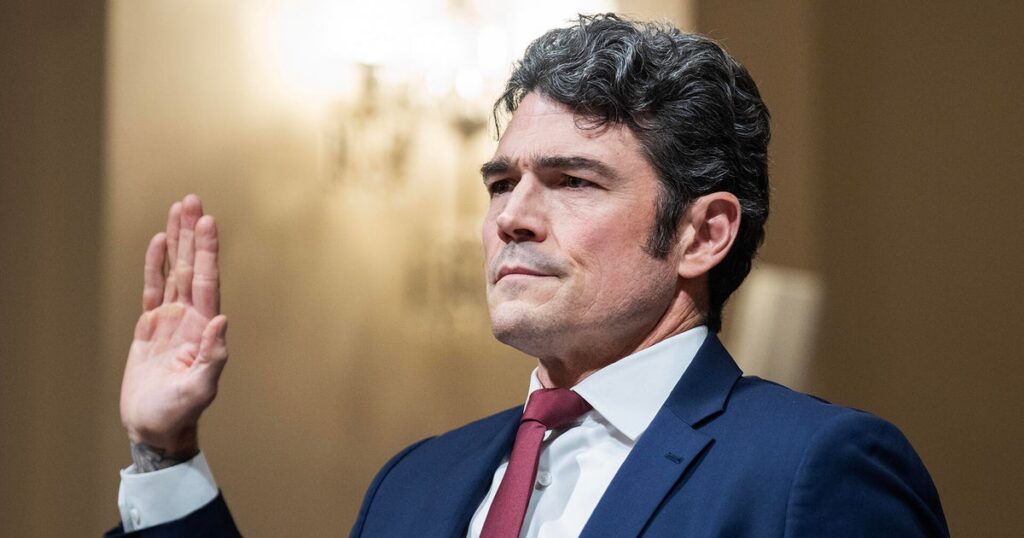
Joe Kent, director of the National Counterterrorism Center and a former Trump supporter, resigned amid controversy over U.S. military actions against Iran, criticizing the administration’s war rationale and alleging misinformation campaigns by Israeli officials and American media. His departure sparked backlash from Republican leaders who condemned his claims as anti-Semitic, while Kent’s past associations with far-right figures and conspiracy theories further complicated his tenure. Concurrently, Director of National Intelligence Tulsi Gabbard testified on Iran’s diminished but ongoing threat, underscoring internal divisions and political pressures shaping U.S. policy toward the conflict.
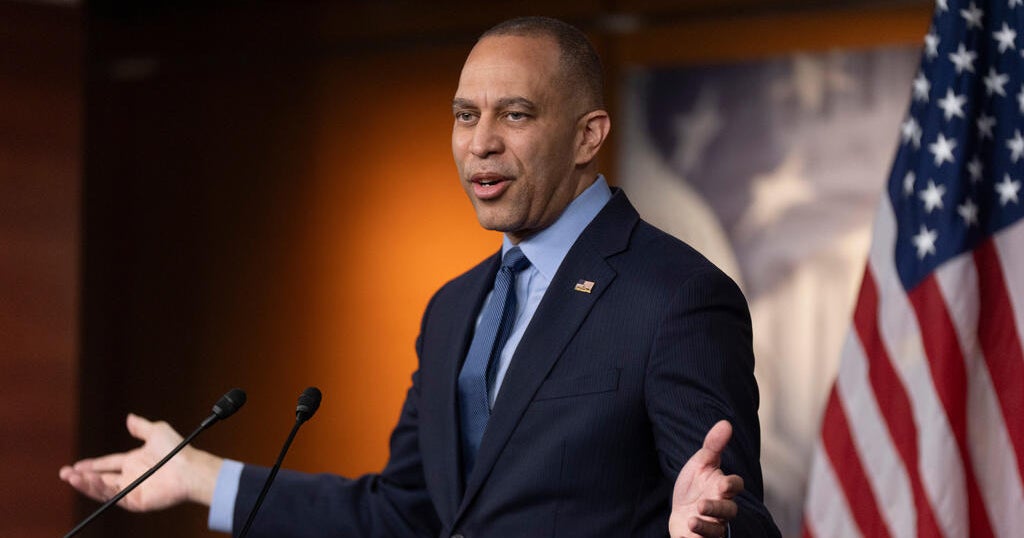
House Democrats have introduced a discharge petition to force a vote on funding key Department of Homeland Security agencies, excluding immigration enforcement bodies like ICE and CBP, amid a partial government shutdown now in its second month. The effort reflects Democratic demands for immigration enforcement reforms following recent controversial incidents, while Republicans remain skeptical and cite recent immigration funding legislation. The shutdown has severely impacted TSA operations, causing staffing shortages, increased wait times at major airports, and resignations among TSA workers due to missed paychecks.
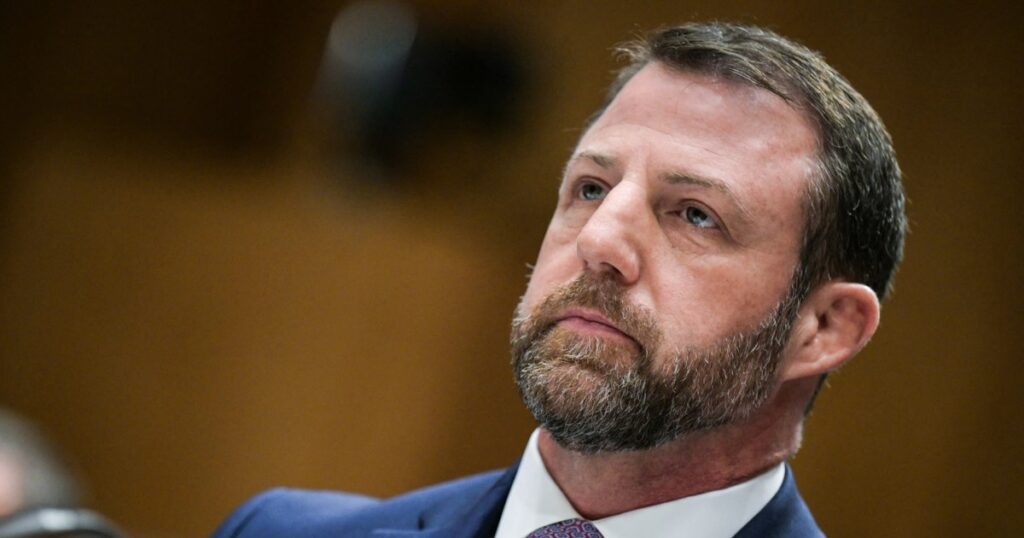
Senator Markwayne Mullin faced a contentious confirmation hearing for his nomination as Homeland Security Secretary, marked by sharp exchanges with Senate Homeland Security Chairman Rand Paul, who questioned Mullin’s temperament and past remarks. Mullin defended his comments without apologizing, pledged to set aside partisan differences, and acknowledged some past statements were premature while standing by others. Despite concerns from Democrats and signs of GOP division, Mullin is expected to secure confirmation given the Republican Senate majority.