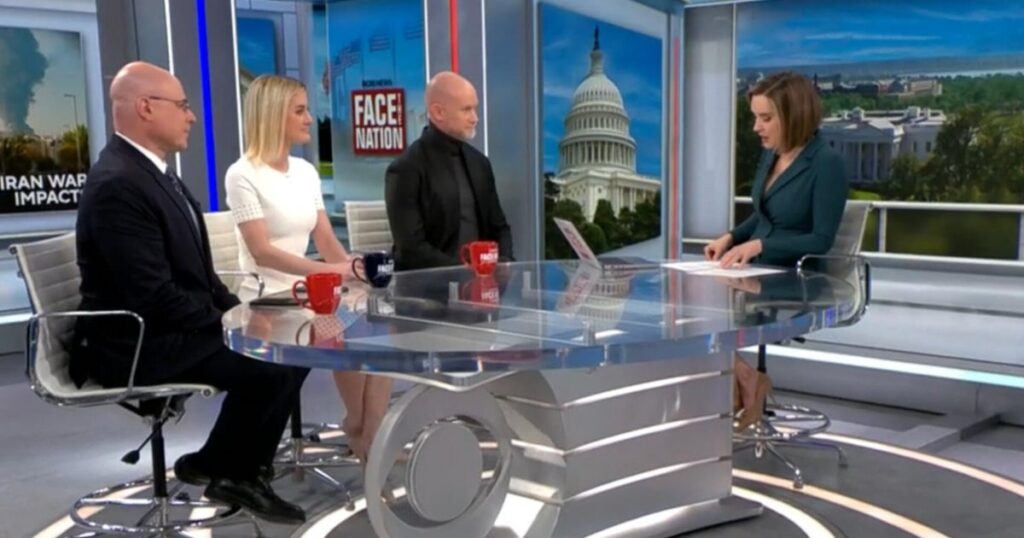
The ongoing U.S.-Iran conflict has sparked legal and political debates over the Trump administration’s military actions without explicit congressional authorization, with plans to request up to $50 billion in emergency supplemental funding that some view as retroactive approval. While the Department of Defense has existing funds for missile defense and munitions, questions remain about the necessity of additional emergency appropriations, as Congress holds significant power over military funding. Meanwhile, escalating military strikes, Iran’s refusal to negotiate, and rising domestic economic and security concerns underscore the complex geopolitical and domestic ramifications of the conflict.
Posts tagged as “Advancing American Freedom”

Ukrainian President Volodymyr Zelenskyy is ready to resume trilateral peace talks with Russia and the U.S., but the timing and location hinge on an agreement between Washington and Moscow, with recent talks postponed due to the Middle East conflict. Ukraine is also leveraging its extensive drone warfare expertise, developed through years of combat against Russian attacks, to assist other countries facing similar threats, while urgently seeking additional air defense systems amid concerns over depleted stockpiles. Meanwhile, regional tensions rise as Iran warns Ukraine against involvement in Middle Eastern drone conflicts, complicating Kyiv’s diplomatic and military efforts.

Cybersecurity firm Nisos uncovered a sophisticated North Korean scheme involving at least 20 operatives using stolen American identities to secure remote jobs at U.S. companies, funneling money back to North Korea and potentially stealing sensitive information. The investigation revealed the operatives applied to over 160,000 U.S. job roles and communicated frequently in English, with the FBI and law enforcement labeling the scheme a significant national security threat. These activities help North Korea evade sanctions and fund illicit programs, while U.S. authorities continue to address related security and political challenges domestically and internationally.

The latest episode of "CBS News Sunday Morning," airing March 15, explores Hollywood's history and future through interviews with industry figures and highlights the preservation of Chaplin Studios by John Mayer and McG. It also features a segment on the Oscar-nominated documentary "Mr. Nobody Against Putin," which exposes Kremlin propaganda, and reflects on the 1979 Iran hostage crisis with Ted Koppel. Additionally, the episode touches on upcoming Oscars coverage and reveals details of a defamation lawsuit involving actress Rebel Wilson and several producers.
Thirteen U.S. Service Members Killed in Iran Conflict as VA Mental Health Care Faces Staffing Crisis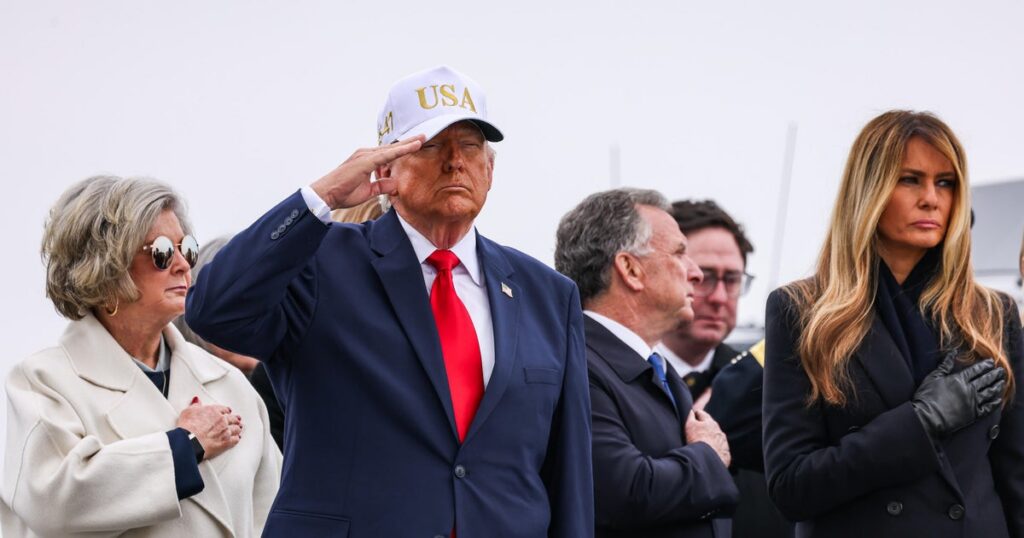
Thirteen U.S. Service Members Killed in Iran Conflict as VA Mental Health Care Faces Staffing Crisis
Since the conflict with Iran began in late February, 13 American service members from diverse backgrounds have died, including six from a U.S. Army Reserve unit in Iowa and others in incidents across the Middle East. Among the fallen are Capt. Cody A. Khork of Florida, Sgt. Nicole M. Amor of Minnesota, and Sgt. Declan J. Coady of Iowa, each honored for their service and sacrifice by family and local officials. Separately, a ProPublica investigation reveals ongoing challenges in the Department of Veterans Affairs mental health system, with significant staff reductions and increased difficulties for veterans seeking consistent care despite the administration’s claims of improvement.

The Senate overwhelmingly approved the bipartisan 21st Century ROAD to Housing Act, a comprehensive bill aimed at increasing affordable housing by streamlining construction, easing regulations, and limiting institutional investors from buying single-family homes. Sponsored by Senators Warren and Scott, the legislation includes grants, coordinated environmental reviews, and provisions to curb Wall Street’s influence in the housing market, though some opposition remains over certain investor restrictions. While the bill passed the Senate decisively, its future in the House is uncertain due to differences in versions, political opposition, and competing legislative priorities, even as housing affordability remains a critical issue for Americans.

The conflict between the United States, Israel, and Iran has led to significant military casualties, economic costs exceeding $11.3 billion in the first six days, and disruptions to global oil trade through the Strait of Hormuz. Democratic Senator John Fetterman supports the U.S.-Israel military campaign, citing Iran’s limited ability to inflict damage and emphasizing the threat posed by Iran’s nuclear ambitions despite intelligence reports indicating no active nuclear weapon development. Meanwhile, the war’s human toll includes thousands of deaths across the involved nations, and President Trump has expressed uncertainty about the conflict’s duration as the U.S. seeks additional funding to sustain military operations.
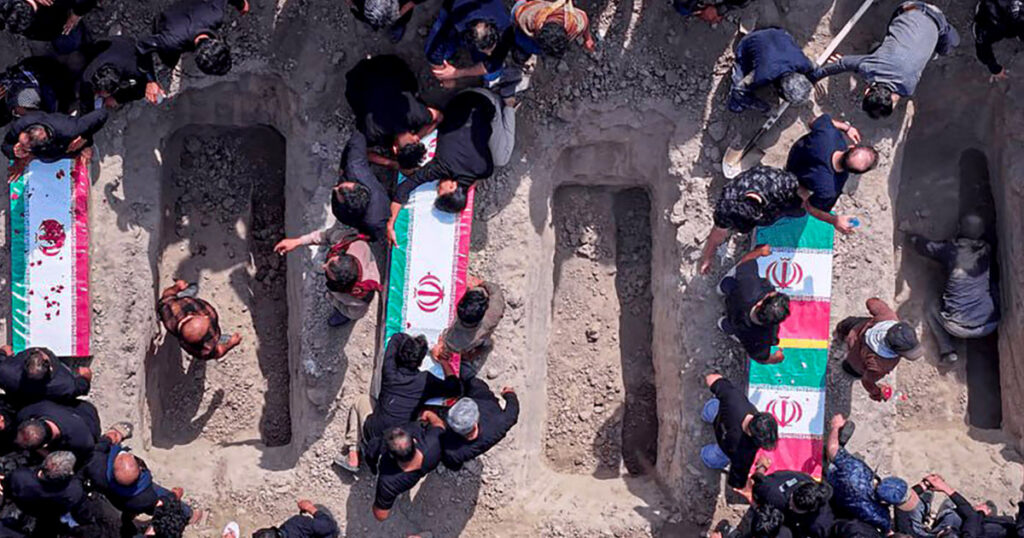
An internal U.S. military investigation preliminarily found that outdated intelligence led to a missile strike on an elementary school in Iran, killing over 170 civilians, mostly children, during a coordinated U.S.-Israeli operation. The strike mistakenly targeted the school, which had been inaccurately identified as a military site based on old intelligence, with evidence pointing to an American Tomahawk missile. Meanwhile, Iran retaliated with attacks killing six U.S. Army Reserve soldiers in Kuwait, escalating the ongoing conflict that the U.S. administration expects to continue for several weeks.