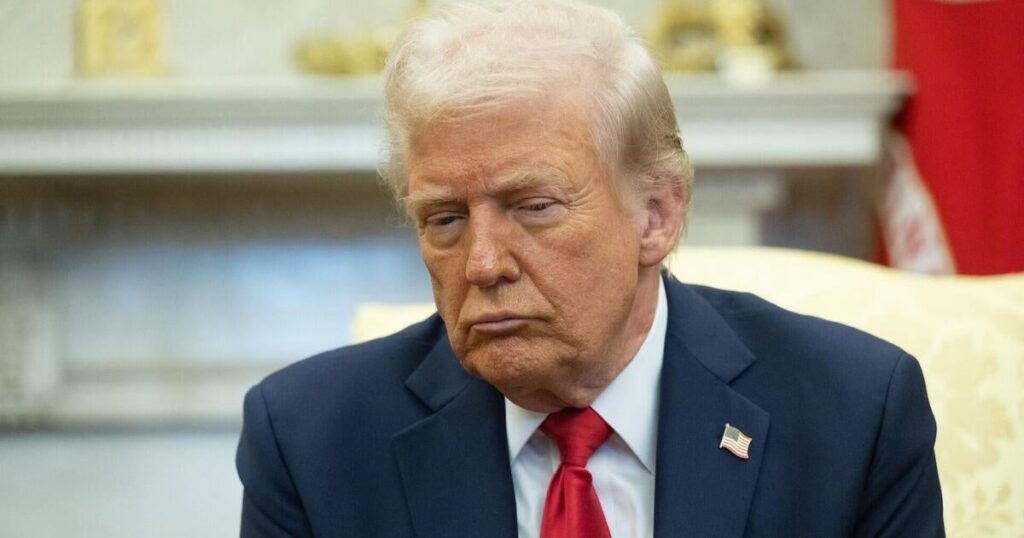
On Monday, U.S. stock markets experienced a significant downturn after President Donald Trump announced 25% tariffs on nearly all goods imported from Mexico and Canada, raising concerns about U.S. economic growth and inflation. The announcement coincided with a Federal Reserve Bank of Atlanta forecast predicting a 2.8% economic contraction in the first quarter, reversing earlier growth projections. This led to a sharp sell-off on Wall Street, with the S&P 500, Nasdaq Composite, and Dow Jones Industrial Average all seeing notable declines as investors reacted to the potential economic impact of the tariffs.
Posts tagged as “5th U.S. Circuit Court of Appeal”
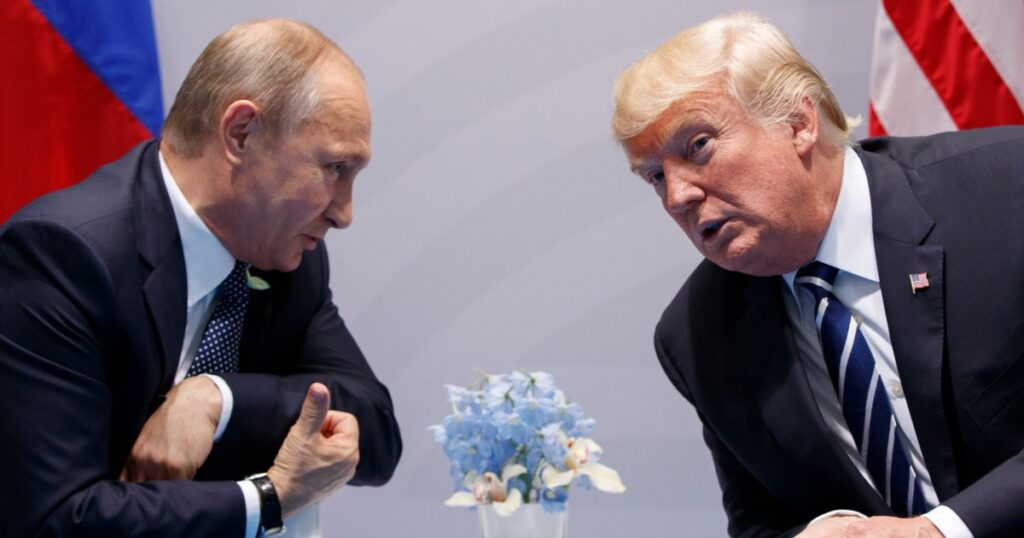
The Atlanta Federal Reserve has revised its forecast for the U.S. economy in the first quarter of 2025, predicting a 2.8% GDP contraction due to economic uncertainty and anticipated tariff changes. Concurrently, a significant shift in U.S. foreign policy under former President Donald Trump has moved the nation away from its strong alliance with Ukraine, realigning towards Russia and disrupting the previous bipartisan consensus. This realignment has caused concern among European allies and supporters of Ukraine, while being welcomed by conservative populists advocating for closer ties with Moscow.
Former President Donald Trump has initiated a significant shift in U.S. foreign policy by favoring Moscow over Kyiv, disrupting decades of bipartisan hawkish policies toward Russia. This realignment has caused tension domestically and internationally, particularly highlighted by a tense Oval Office meeting between Trump, Vice President JD Vance, and Ukrainian President Volodymyr Zelenskyy, where the U.S. administration's reduced anti-Kremlin stance was evident. The policy shift has unsettled European allies and been welcomed by conservative populists, suggesting a broader strategic recalibration with potential lasting implications for international relations and the balance of power in Eastern Europe.
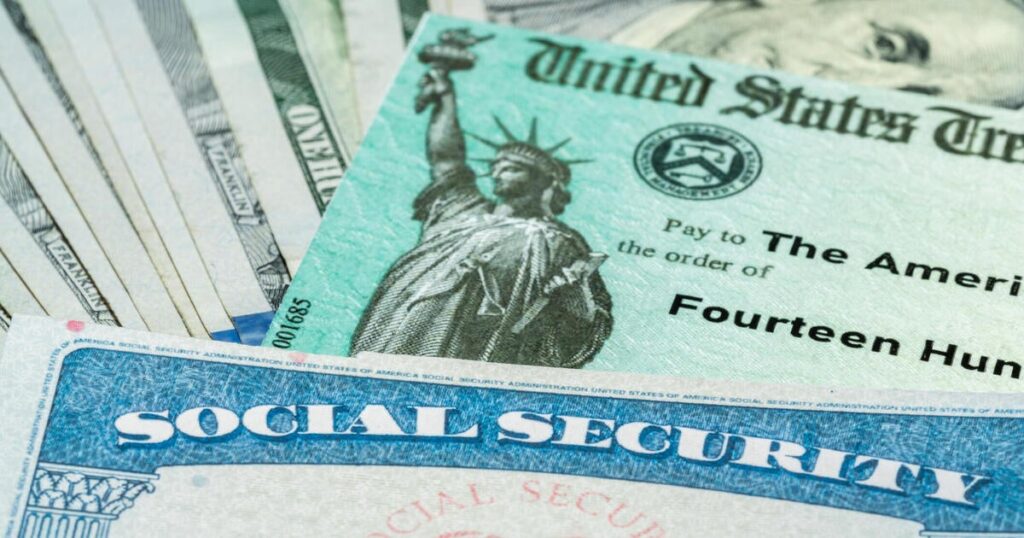
Former President Donald Trump has announced plans to create a "crypto strategic reserve," aligning it with existing U.S. reserves of gold and oil, and is supported by a new digital assets working group. Critics have expressed concerns over the inclusion of high-risk crypto tokens in the reserve, which could lead to conflicts of interest and highlight challenges in integrating cryptocurrencies into national economic strategies. The initiative raises broader issues of governance and regulatory oversight, with past actions by administration officials potentially blurring ethical lines and influencing decision-making processes related to digital assets.
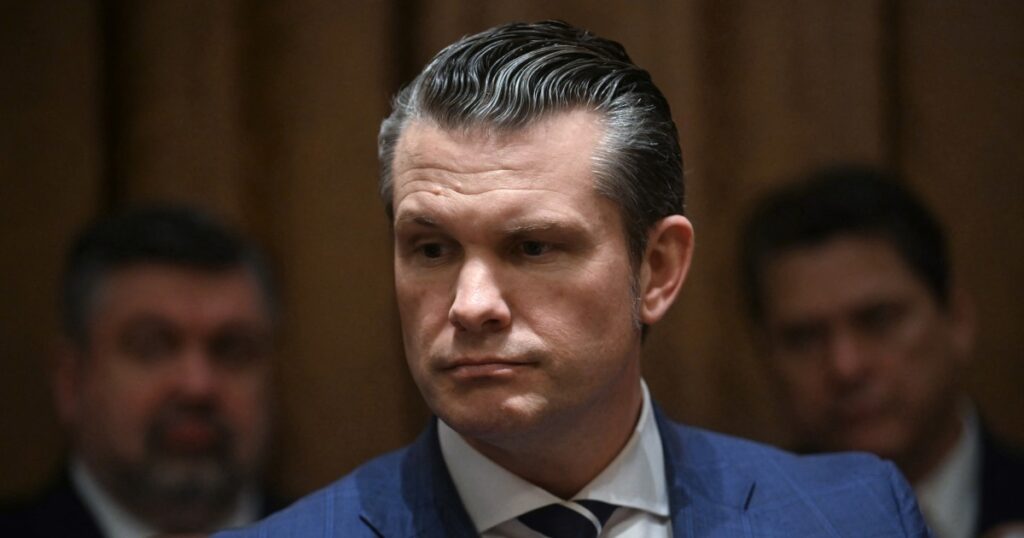
A senior USAID official, Nicholas Enrich, has been placed on administrative leave after releasing a memo criticizing the Trump administration's handling of foreign aid, which contradicts Secretary of State Marco Rubio's claims that aid was unaffected by a freeze. Concurrently, U.S. Defense Secretary Pete Hegseth has ordered a halt to U.S. Cyber Command's offensive operations against Russia, prioritizing the safety of military personnel. These developments have sparked discussions on the implications of U.S. foreign aid policies and their impact on global health, as well as the balance between national security and humanitarian responsibilities.
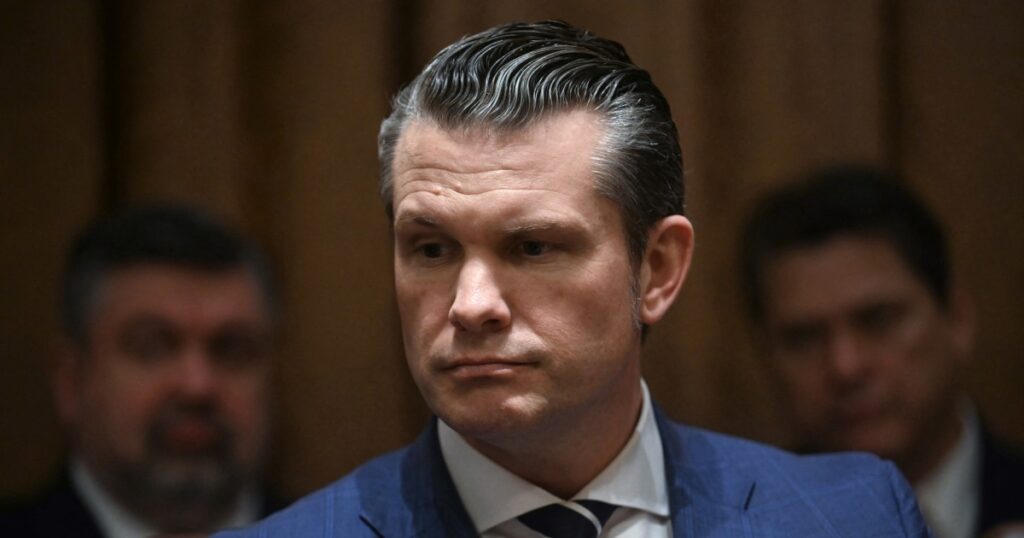
U.S. Cyber Command has been ordered to stop its offensive cyber and information operations against Russia, following a directive from Defense Secretary Pete Hegseth to Air Force General Tim Haugh. Meanwhile, Taiwan Semiconductor Manufacturing Company (TSMC) plans to invest $100 billion in new manufacturing plants in the United States, supported by $6.6 billion from the CHIPS and SCIENCE Act of 2022. These developments reflect the U.S. government's dual focus on enhancing national security through cybersecurity measures and strengthening economic resilience by expanding domestic semiconductor manufacturing.
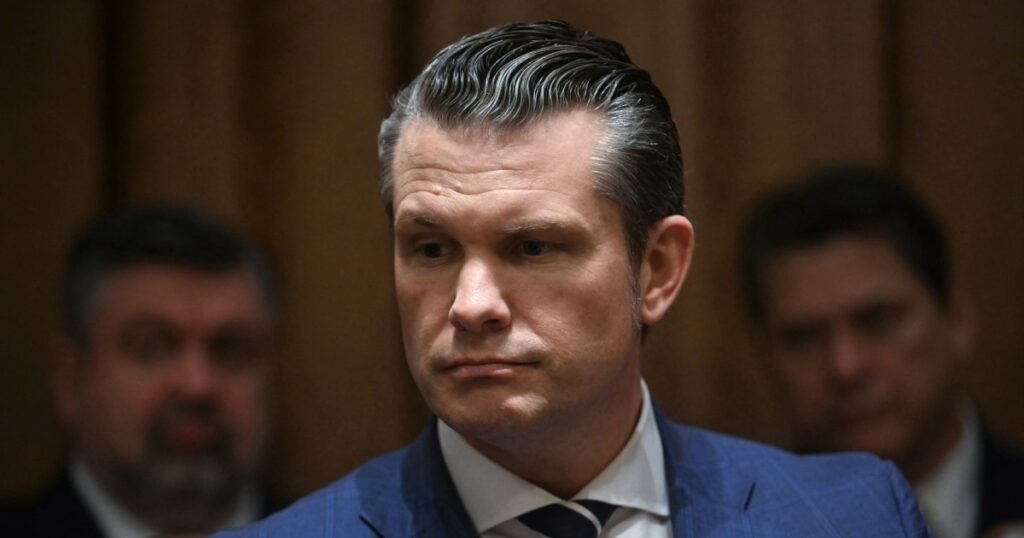
U.S. Defense Secretary Pete Hegseth has ordered the U.S. Cyber Command to halt offensive cyber and information operations against Russia, prioritizing the safety of military personnel. This decision aligns with shifting U.S. policy under President Donald Trump, who has expressed support for Russia and criticized Ukraine, diverging from the stance of Ukraine's allies who aim to prevent a global conflict. The ongoing Ukraine conflict, marked by significant U.S. and European support for Ukraine, remains a focal point of international attention, with the cessation of U.S. cyber operations representing a key development in the geopolitical landscape.
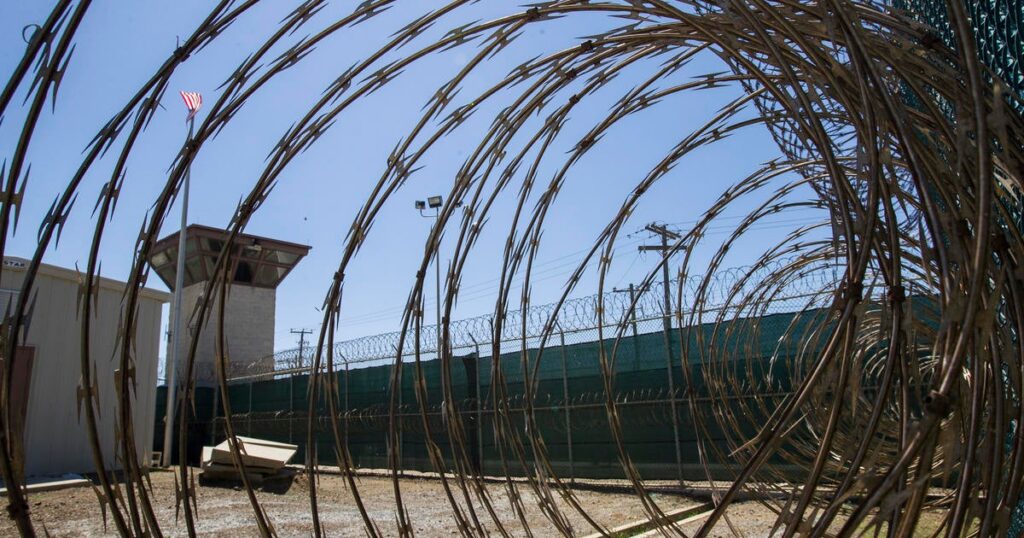
President Donald Trump has signed an executive order to prepare Guantanamo Bay as a detention facility for undocumented immigrants, focusing on high-priority criminal aliens as part of addressing a perceived "border invasion." The initiative, named after a murder victim, Laken Riley, instructs the Pentagon and the Department of Homeland Security to expand detention space, sparking varied reactions from South Florida officials. While critics raise legal and ethical concerns due to the facility's history, supporters argue it could enhance national security and reduce overcrowding in domestic centers, fueling ongoing debate.