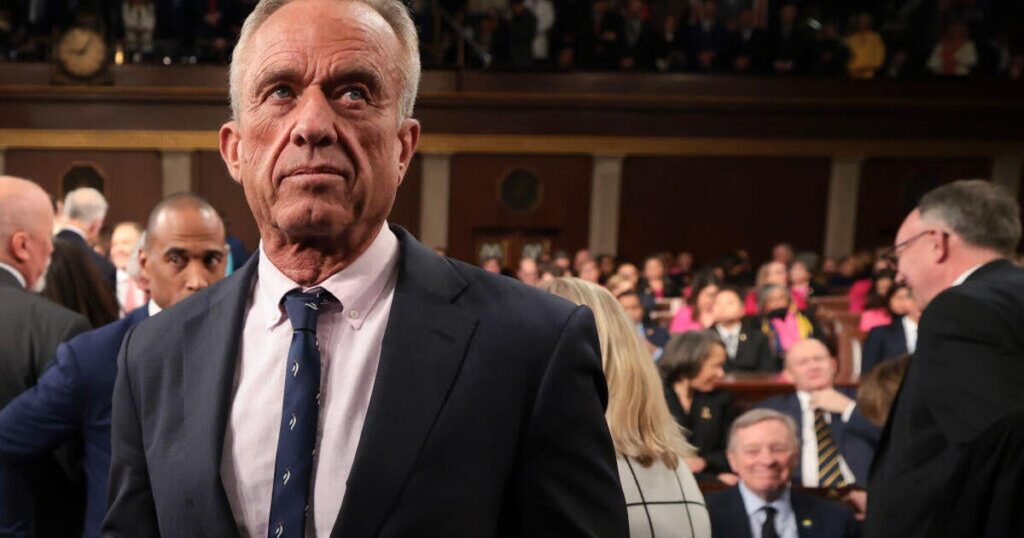
The U.S. Department of Health and Human Services (HHS) has offered its 80,000 employees a $25,000 voluntary separation incentive to encourage resignations, as part of the Trump administration's efforts to reduce the federal workforce and cut government spending. This initiative aligns with a broader trend of job cuts across federal agencies, contributing to an increase in overall U.S. job cuts, and is seen as a strategic move to streamline HHS operations within budgetary constraints. Health and Human Services Secretary Robert F. Kennedy Jr. has previously indicated a desire to reshape the department's workforce, and this buyout offer is a continuation of those efforts to optimize government efficiency while maintaining essential services.
Posts tagged as “5th U.S. Circuit Court of Appeal”

Russian strikes on Ukraine have resulted in at least 20 deaths, with the most severe attacks occurring in the Donetsk region, highlighting the ongoing volatility and humanitarian challenges in the area. The United States' recent decision to stop sharing satellite imagery with Ukraine marks a significant shift in military support, impacting Ukraine's defensive and offensive capabilities. This development, following a tense visit by President Zelenskyy to the White House, poses strategic challenges for Ukraine and may alter the balance of power in the region, as the international community closely monitors the situation.
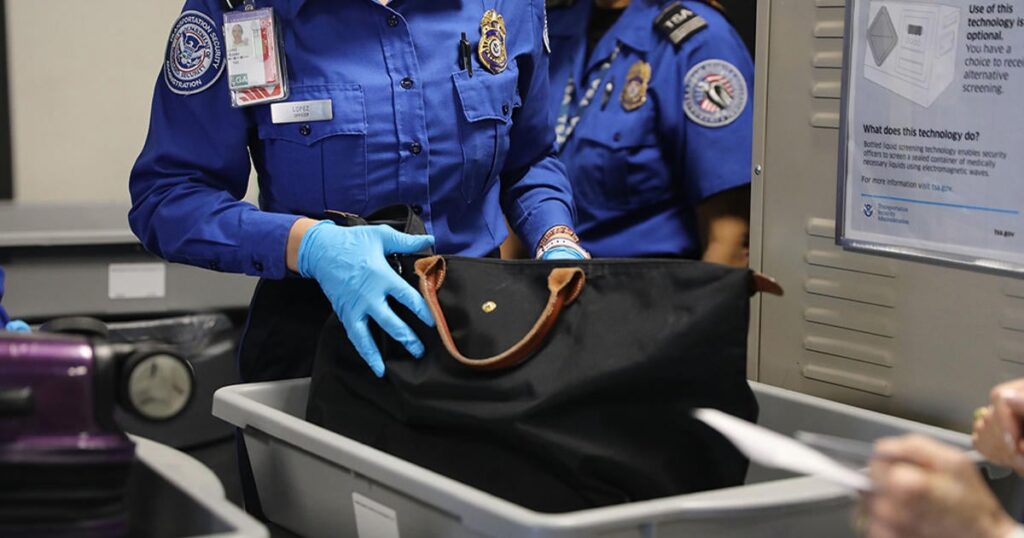
The Department of Homeland Security (DHS) has decided to terminate the collective bargaining agreement with the union representing over 50,000 Transportation Security Administration (TSA) officers, aiming to reduce bureaucratic barriers and improve the efficiency of transportation networks. The DHS criticized the union for having more personnel focused on union activities than screening functions at most airports, while the union described the decision as an "unprovoked attack." This move comes shortly after the union had secured a new seven-year labor agreement with the TSA, raising concerns and controversy among union members about the future of TSA operations and workforce dynamics.
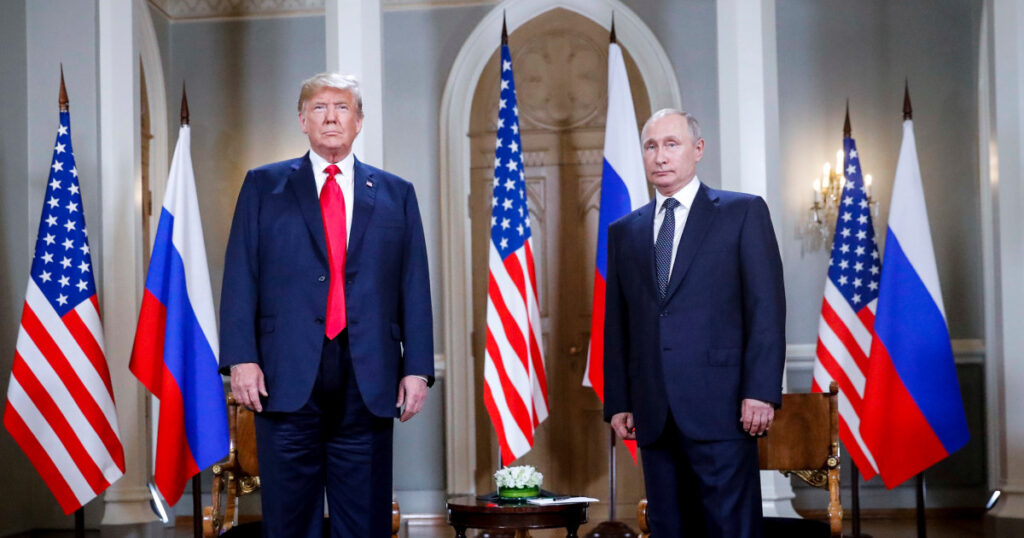
President Donald Trump has announced that he is considering imposing significant economic measures, including large-scale banking sanctions and tariffs, against Russia in response to escalating military activities in Ukraine. This marks a shift in the U.S. stance, as the administration seeks to pressure Russia into agreeing to a ceasefire and peace talks with Ukraine. The president emphasized the urgency of diplomatic resolution, urging both nations to engage in peace negotiations amid recent intensified attacks on Ukrainian energy facilities.

Senior figures from the Trump administration are set to meet with Ukrainian President Volodymyr Zelenskyy in Saudi Arabia to address the recent pause in U.S. intelligence sharing, which has impacted Ukraine's military efforts against Russia. This meeting is part of a broader diplomatic initiative to mend the strained U.S.-Ukraine relationship and reinforce their alliance amid ongoing geopolitical tensions. The discussions, involving key officials like Secretary of State Marco Rubio, could significantly influence the international response to the conflict with Russia and Ukraine's strategic position.
U.S. District Judge Beryl Howell ruled that former President Donald Trump's dismissal of Gwynne Wilcox from the National Labor Relations Board (NLRB) was unlawful, ordering her reinstatement. The decision criticized Trump's expansion of executive power, particularly through the unitary executive theory, and emphasized the constitutional limits on presidential authority to remove NLRB members. This ruling highlights the importance of checks and balances in the federal government and underscores the judiciary's role in maintaining the independence of agencies like the NLRB.
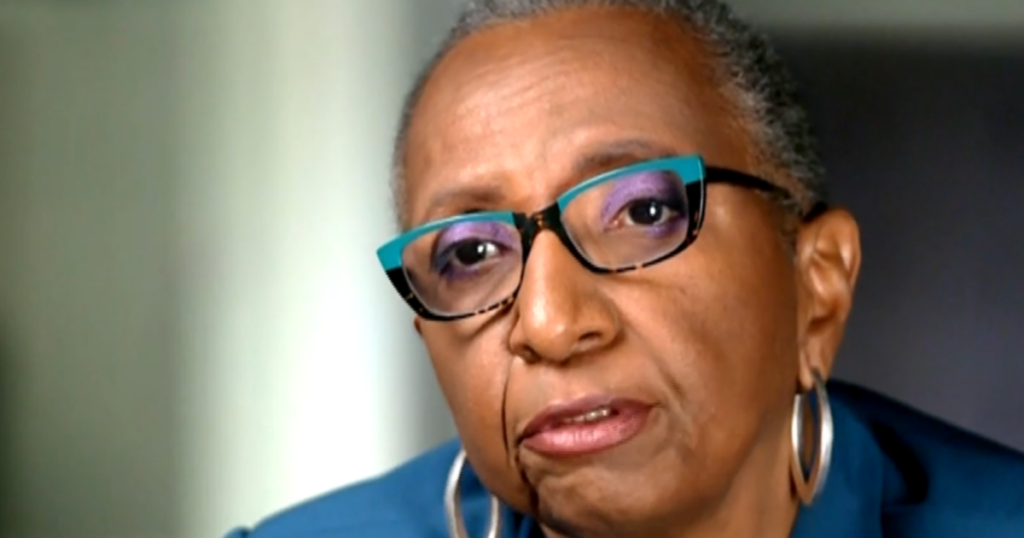
A federal judge in Washington, D.C., has ruled that former President Donald Trump's dismissal of National Labor Relations Board member Gwynne Wilcox was unlawful, as it violated federal law protecting board members from removal except for "neglect of duty or malfeasance in office." This decision by Judge Beryl Howell highlights the constitutional checks on presidential power over independent federal agencies, aiming to prevent executive overreach and autocratic governance. Additionally, a former head of a whistleblower agency has withdrawn his lawsuit challenging his termination by Trump, contributing to the broader discourse on the separation of powers and the role of independent agencies in the federal government.

Former President Donald Trump announced a temporary pause on the 25% tariffs on U.S. imports from Mexico, which were recently imposed, following discussions with Mexican President Claudia Sheinbaum. This decision aims to strengthen the cooperative relationship between the United States and Mexico, particularly in addressing border security and immigration issues, while maintaining the economic ties facilitated by the United States-Mexico-Canada Agreement (USMCA). The move reflects broader diplomatic efforts to enhance cooperation on shared challenges and underscores the importance of the USMCA in fostering a positive trade environment among the three nations.