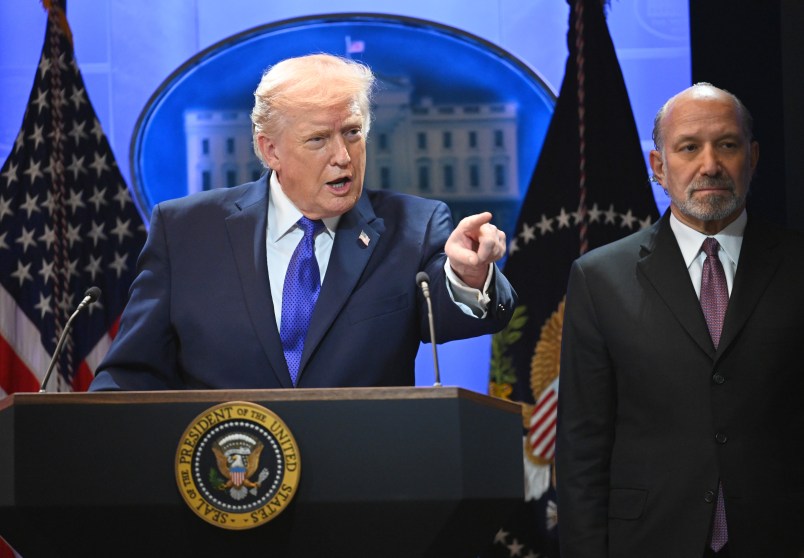
A U.S. trade court invalidates President Trump’s 10% tariffs, ordering refunds to businesses and citing failure to meet legal standards under the Trade Act of 1974. The ruling follows a Supreme Court decision that blocked Trump’s earlier tariffs.
Posts tagged as “4th U.S. Circuit Court of Appeal”
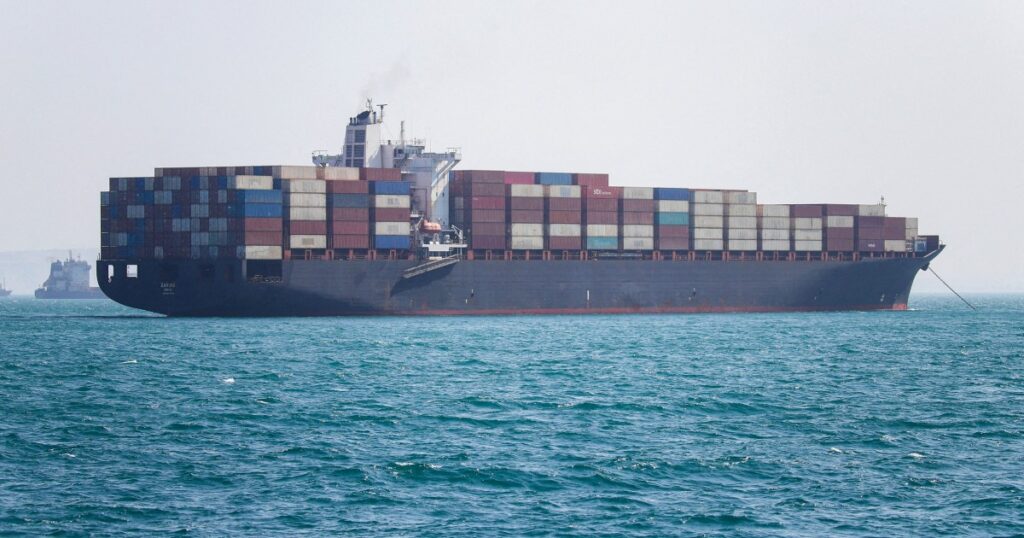
President Trump pauses Project Freedom, a U.S. mission to escort ships through the Strait of Hormuz, amid escalating clashes with Iran and ongoing peace talks. Despite recent attacks and counterattacks, officials say the ceasefire remains intact as diplomatic efforts continue.
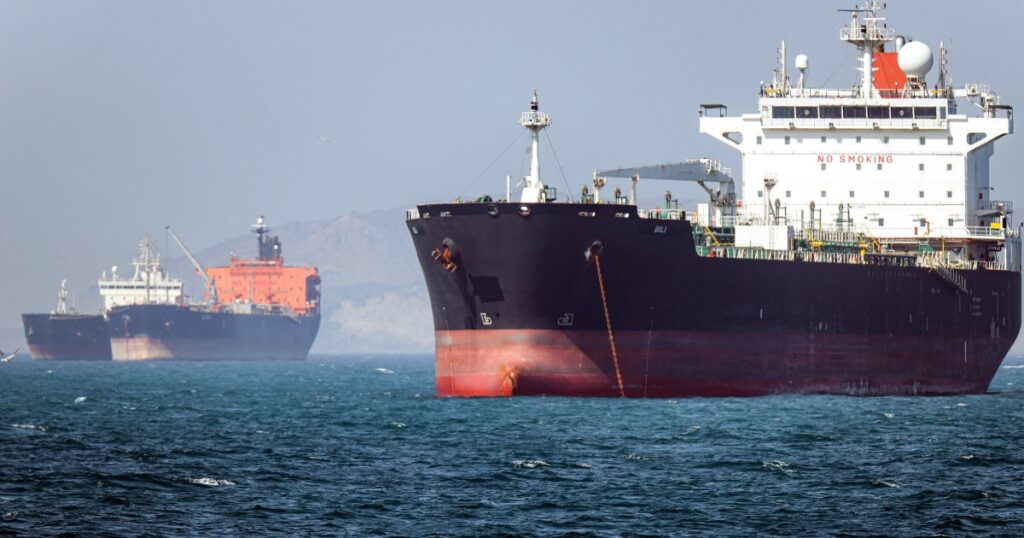
The U.S. pauses Project Freedom in the Strait of Hormuz amid ongoing Iranian missile and drone attacks on Gulf vessels. Despite renewed violence, officials say the ceasefire holds as diplomatic talks advance.

Blake Lively and Justin Baldoni have settled their legal dispute over sexual harassment and retaliation claims related to the 2024 film "It Ends With Us," ending a yearslong court battle before trial. The terms of the settlement remain confidential.
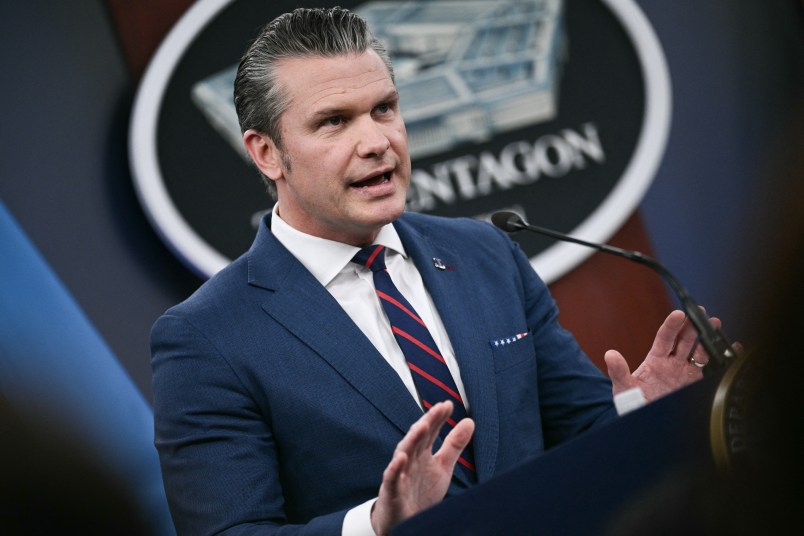
President Trump declares hostilities with Iran have ended as the 60-day War Powers Resolution deadline passes. Legal experts and some lawmakers dispute the claim, citing ongoing military actions including a naval blockade.
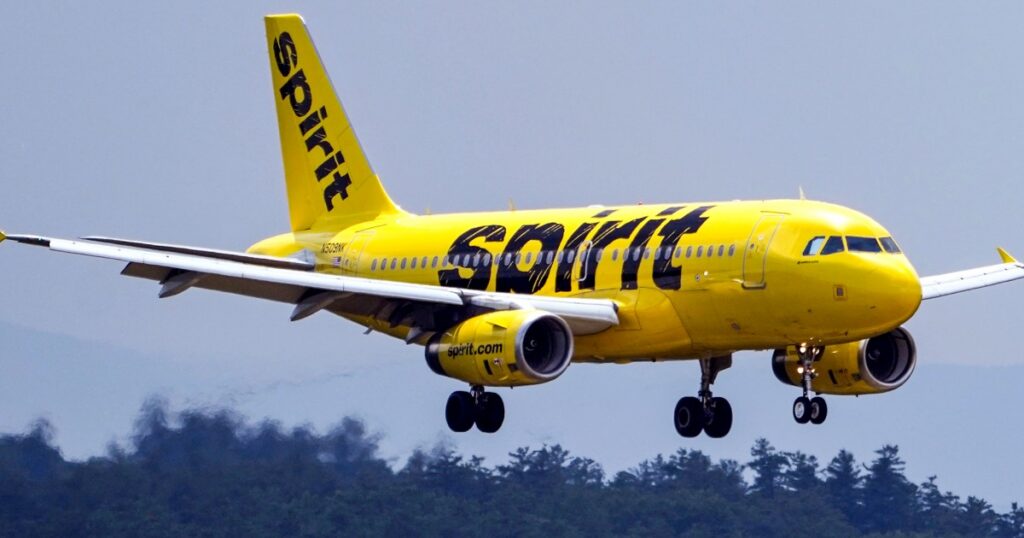
Spirit Airlines may shut down as soon as Saturday after bailout talks stall. The Trump administration offered a $500 million aid package, but opposition from bondholders and officials has left the airline facing liquidation amid soaring fuel costs.
Louisiana suspends its May 16 U.S. House primaries after the Supreme Court invalidates the state's congressional map for racial gerrymandering. Other races, including Senate primaries, will proceed as scheduled.
President Trump faces a Friday deadline under the War Powers Resolution limiting U.S. military action in Iran without congressional approval. The administration argues the conflict is paused under a ceasefire, while lawmakers debate the legality of continued hostilities.