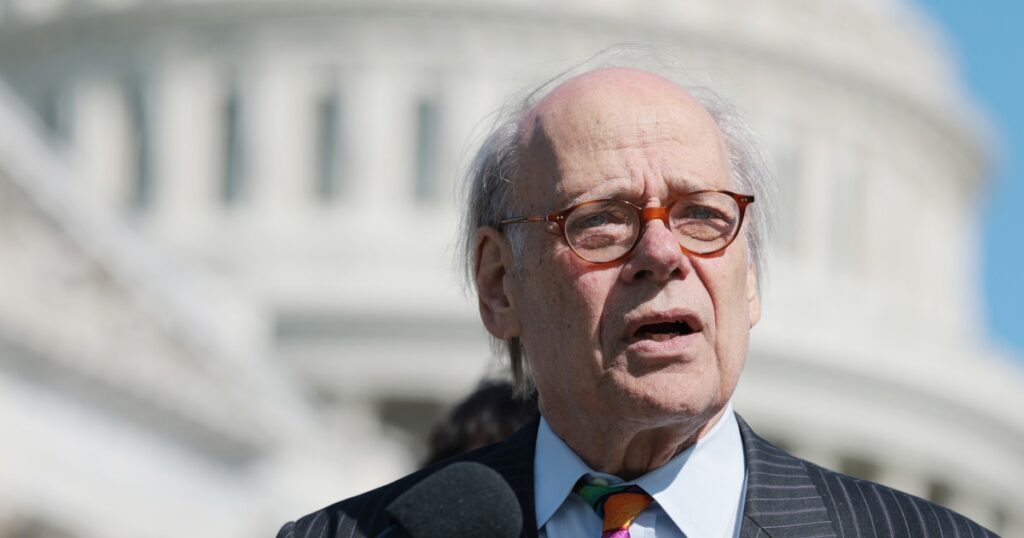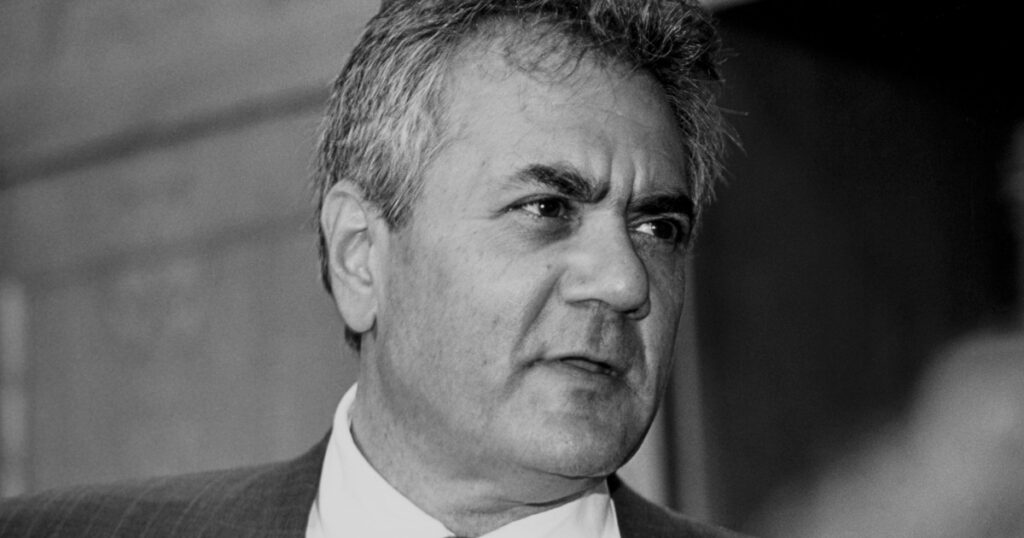
The House Ethics Committee found Democratic Representative Sheila Cherfilus-McCormick guilty of 25 ethics violations related to the misuse of $5 million in federal pandemic relief funds, following a rare public hearing and a three-year investigation. Despite her denial of wrongdoing and ongoing federal criminal charges, the committee plans to hold a disciplinary hearing after the House’s spring recess, with potential sanctions ranging from censure to expulsion. House Republicans have strongly pushed for her removal, signaling a contentious battle over her future in Congress.
Posts tagged as “11th Congressional District”
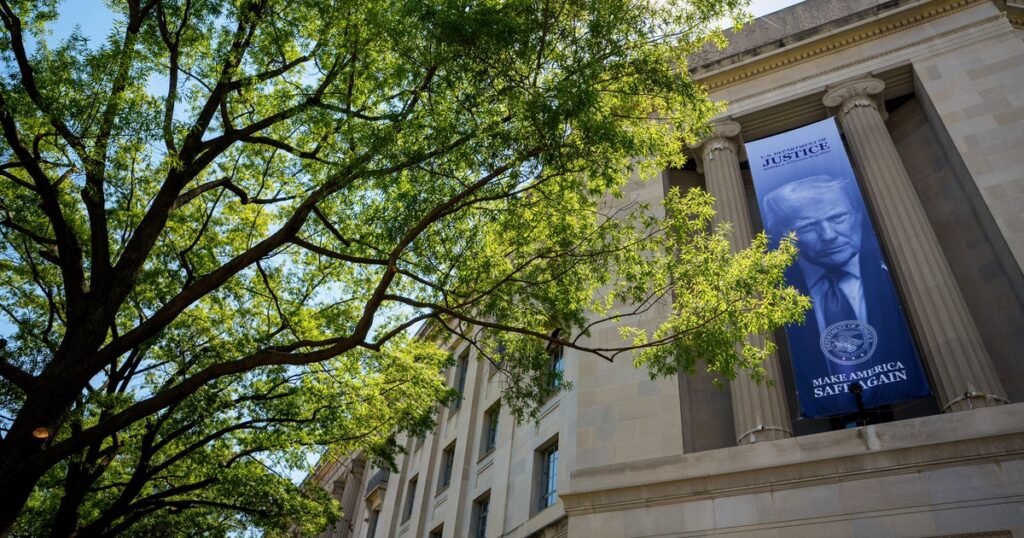
President Donald Trump faces significant obstacles in advancing the U.S. military campaign against Iran due to uncertain congressional support and growing public opposition, with lawmakers demanding clearer justification and strategy. The conflict has also triggered economic repercussions, including stock market declines and soaring oil and gasoline prices, while Trump downplays these issues and temporarily halts attacks on Iran’s energy infrastructure. Concurrently, the administration is embroiled in controversies over election security, proposing ICE monitoring at polling places and facing criticism over Trump’s own mail-in voting, highlighting internal tensions ahead of the midterm elections.
As the U.S. military campaign in Iran nears one month, bipartisan lawmakers have expressed frustration over the administration’s lack of clear strategy, objectives, and transparency regarding funding, with the Pentagon preparing to request an additional $200 billion to support operations. Congressional officials criticized the absence of definitive answers on the war’s goals and the potential deployment of ground troops, a move some view as a “red line” that could jeopardize support. Despite the White House’s claims of ongoing briefings and commitment to dismantling Iran’s military capabilities, lawmakers continue to demand more detailed information amid escalating costs and strategic uncertainty.
President Donald Trump has avoided officially calling the military conflict with Iran a "war," citing constitutional limits on presidential war powers and the need for congressional authorization, though he has occasionally referred to it as such. The legal and political debate continues, with Democrats pushing to restrict the president’s military actions without congressional approval, while Republicans largely oppose these measures. Meanwhile, Ukraine is aiding Gulf nations against Iranian drone attacks by deploying anti-drone specialists, and Senate Republicans are advancing a budget reconciliation bill focused on conservative priorities, including military funding related to the Iran conflict.
A recent DHS Office of Inspector General report revealed significant vulnerabilities in TSA airport screening linked to a 2025 policy allowing passengers to keep their shoes on, but TSA has not responded due to the report’s Top Secret classification limiting access. This classification has prevented TSA leadership from addressing security gaps amid ongoing staffing shortages caused by a prolonged DHS funding lapse, which has left agents unpaid and forced many to leave. Meanwhile, congressional efforts to resolve DHS funding are stalled by partisan disputes over immigration enforcement reforms, complicating the resolution of both security and operational challenges.
Minnesota has sued the Trump administration’s DOJ and DHS for obstructing investigations into three shootings involving federal officers during Operation Metro Surge, alleging withheld evidence and blocked access to critical information. The lawsuit claims violations of the Administrative Procedure Act and the 10th Amendment, with state officials denied access to key evidence and identities of involved federal agents. Separately, the DOJ has requested classified records related to former CIA Director John Brennan amid a grand jury investigation into his role in the 2016 Russia interference assessment, drawing criticism from Brennan’s legal team and political allies.
The Department of Homeland Security remains partially shut down for a second month due to stalled congressional negotiations, causing major disruptions like long airport security lines and unpaid TSA workers. The shutdown reflects deep partisan divisions, with Republicans blaming Democrats for blocking funding over ICE reform demands, while Democrats insist on accountability measures for federal agents before restoring full DHS funding. Meanwhile, President Trump’s contradictory stance on mail-in voting and ongoing legal challenges related to federal law enforcement investigations further complicate the political environment surrounding the shutdown and broader administration policies.