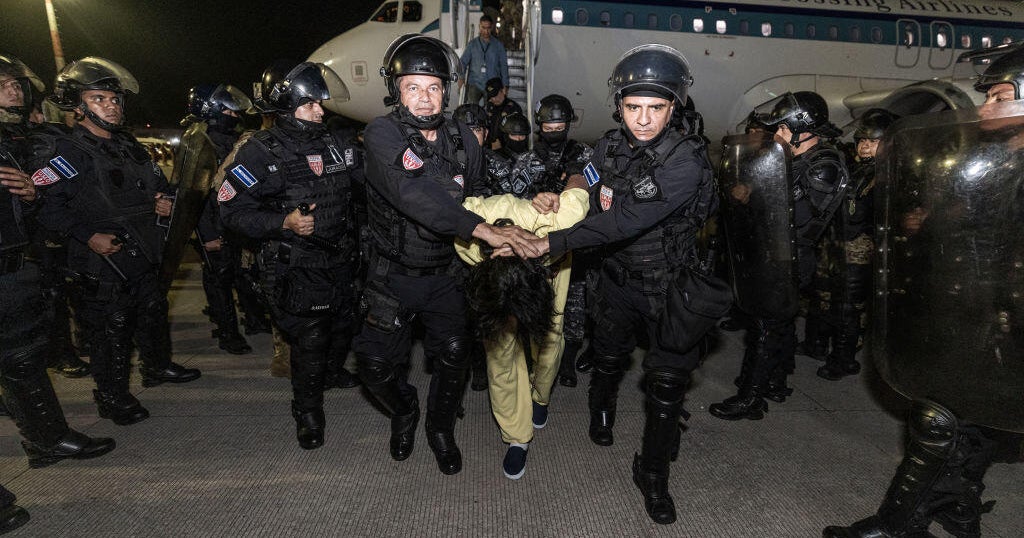
The Trump administration has invoked the state secrets privilege in response to a federal judge's inquiry about potential violations of a deportation order involving Venezuelan migrants, citing concerns over diplomatic and national security issues. This move, overseen by U.S. District Judge James Boasberg, has raised questions about compliance with a previous order to halt deportations without due process, as the administration refused to disclose specific details about the deportation flights. The invocation of this privilege highlights ongoing tensions between the executive branch and the federal judiciary, with significant implications for immigration enforcement and the balance of power between these branches.
Posts tagged as “― Trump”
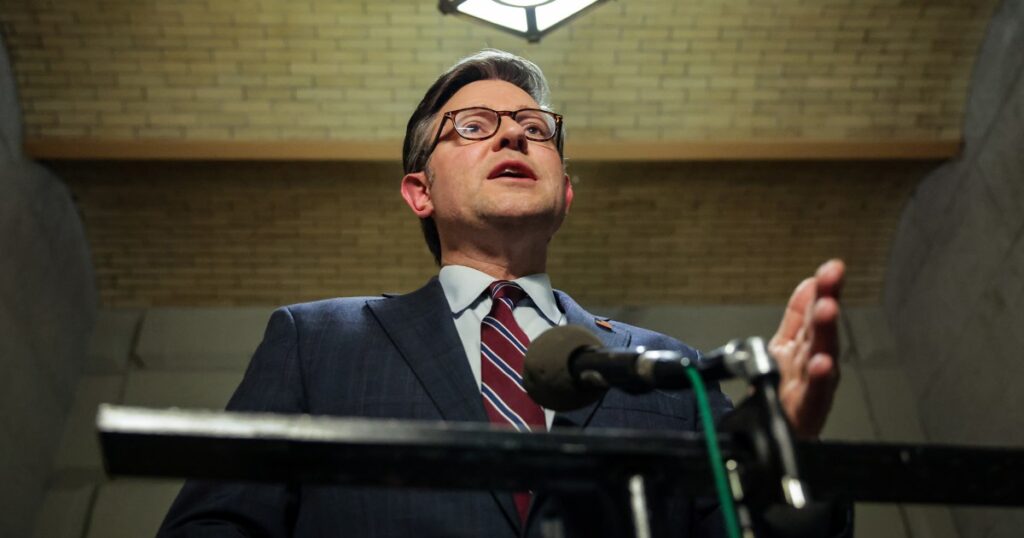
Representative Darrell Issa has introduced the "No Rogue Rulings Act" to prevent district court judges from issuing nationwide injunctions, which have previously hindered the implementation of former President Trump's policies. Concurrently, U.S. District Judge James Boasberg is involved in a legal case about the deportation of Venezuelan migrants, with the Trump administration invoking the state secrets privilege to withhold information, citing national security concerns. Issa's bill offers a political avenue for lawmakers to support Trump's policies by limiting judicial intervention, highlighting the ongoing debate over the balance of power between the judiciary and the executive branch.
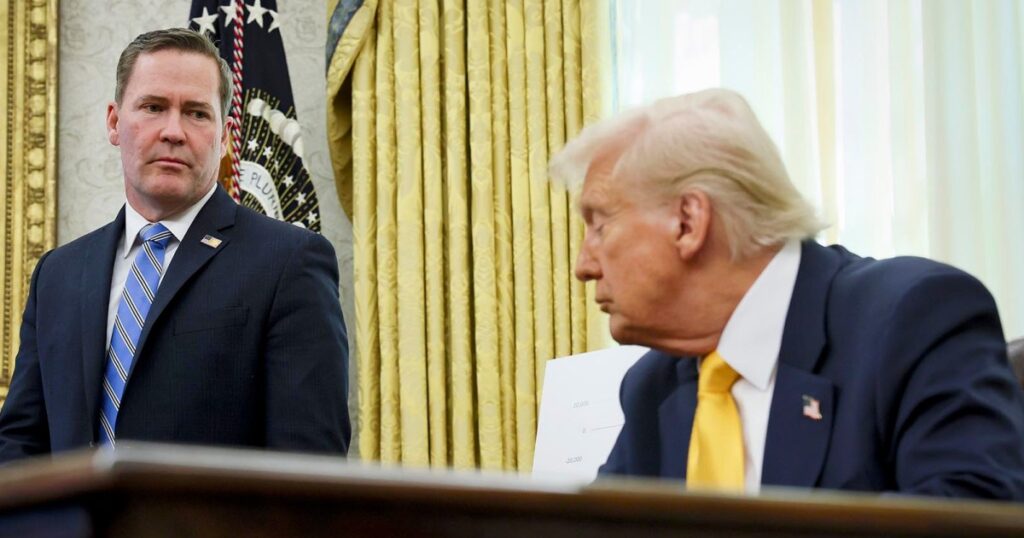
President Donald Trump addressed concerns about journalist Jeffrey Goldberg's accidental inclusion in a private Signal group chat discussing military operations in Yemen, emphasizing that it did not impact the military plans. While expressing confidence in his national security adviser, Trump downplayed the incident but acknowledged the need for secure communication channels. The situation has sparked discussions about the adequacy of current information security measures and may lead to increased scrutiny and potential reforms in government communication practices.
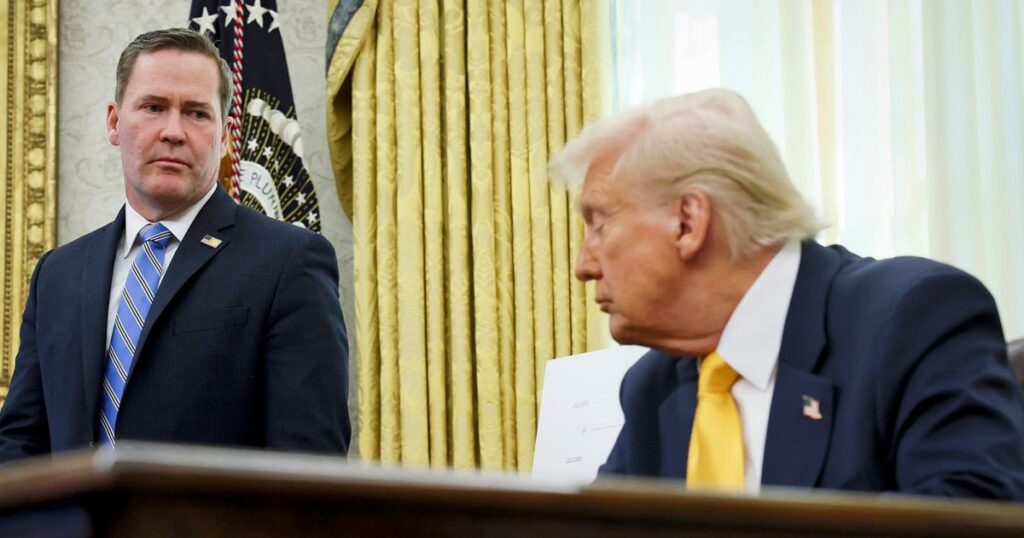
President Donald Trump has voiced his support for National Security Adviser Mike Waltz after an incident where The Atlantic's editor-in-chief was accidentally included in a private Signal chat discussing military plans against Houthi positions in Yemen. This breach, which exposed highly classified military strategies, has raised concerns about the security of communications within the Trump administration. A congressional hearing is scheduled to investigate the incident, with testimony expected from several high-ranking intelligence and defense officials to understand the breach's implications for national security.
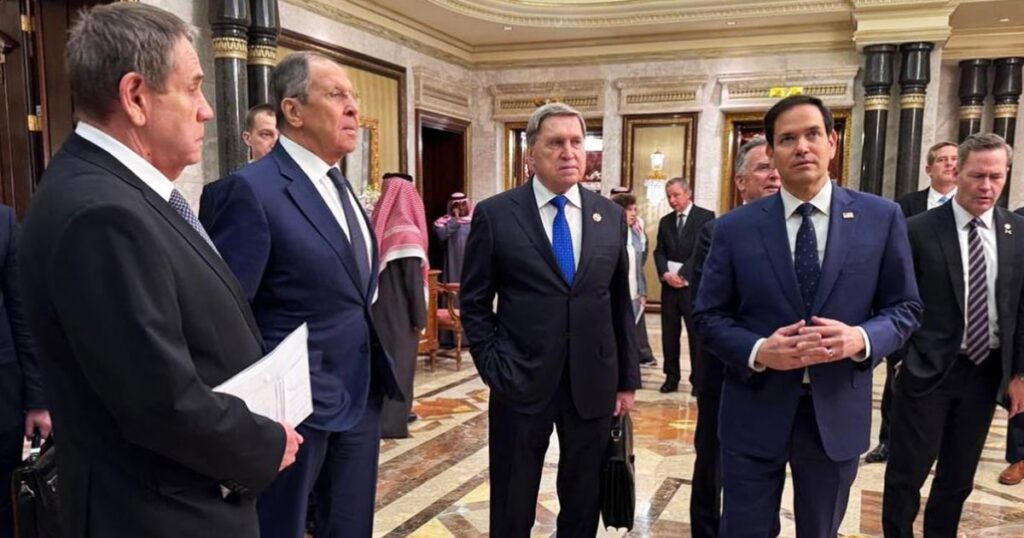
The anticipated joint statement from the United States and Russia regarding a potential ceasefire in Ukraine was not released, as Russian officials continued to review details from recent talks held in Saudi Arabia. These discussions aimed to establish a maritime ceasefire in the Black Sea, but despite initial optimism from the U.S. team, no written agreement was reached. The absence of a formal agreement highlights the ongoing complexities and challenges in achieving a diplomatic resolution to the conflict, as Russian military operations in Ukraine persist.
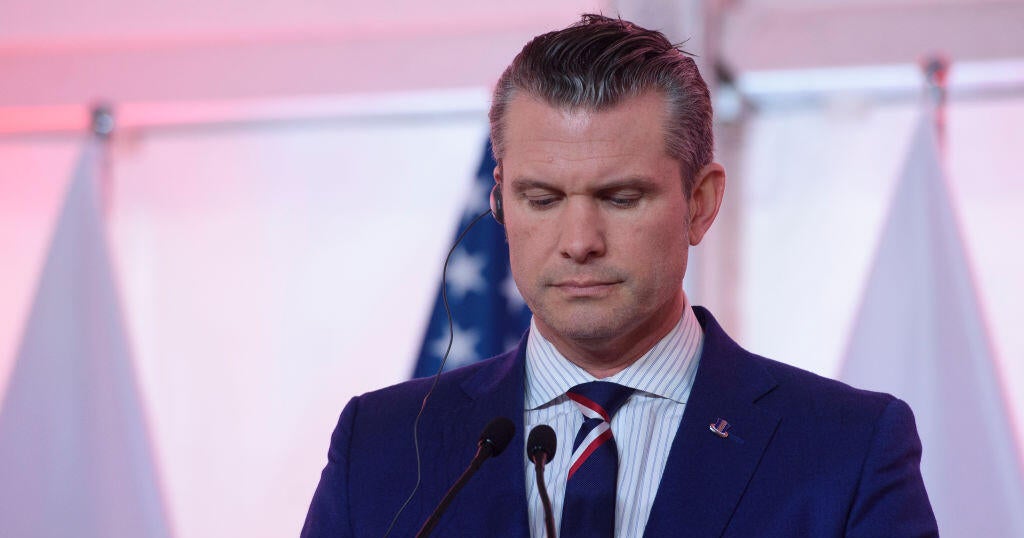
Controversy has erupted over the Trump administration's handling of sensitive military communications after The Atlantic reported that its editor was inadvertently included in a group chat discussing U.S. war plans in Yemen on Signal, an encrypted messaging app. This incident has drawn bipartisan criticism from lawmakers, with Democrats particularly vocal in demanding an investigation to prevent future breaches. The situation echoes past controversies over mishandling classified information, highlighting ongoing challenges in securing government communications and prompting calls for stricter security measures.
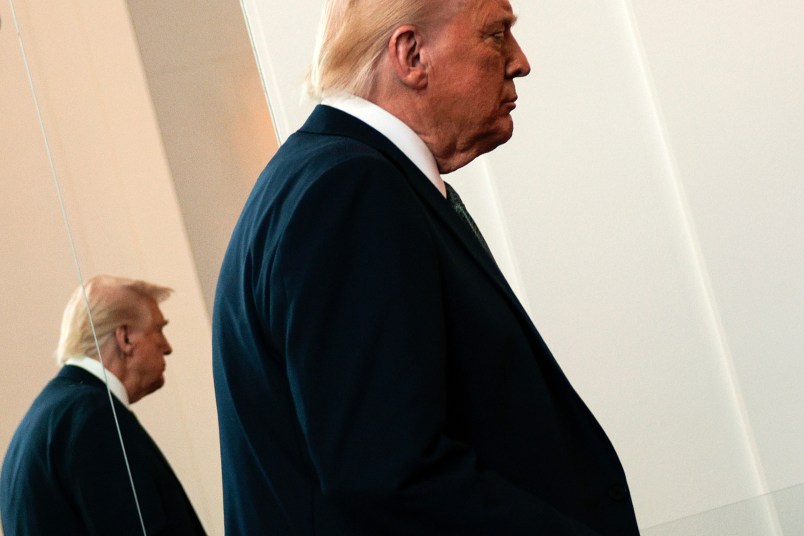
The Trump administration has taken significant actions against major law firms, such as Perkins Coie, Paul, Weiss, and Covington & Burling, by revoking their attorneys' security clearances and restricting their participation in federal matters. This move, part of a broader directive, has sparked criticism for potentially limiting legal challenges to the administration's policies and raising concerns about its impact on the legal community and justice system. Additionally, an accidental inclusion of a journalist in a sensitive discussion about U.S. military plans has further scrutinized the administration's handling of sensitive information, reflecting ongoing tensions in the political landscape.
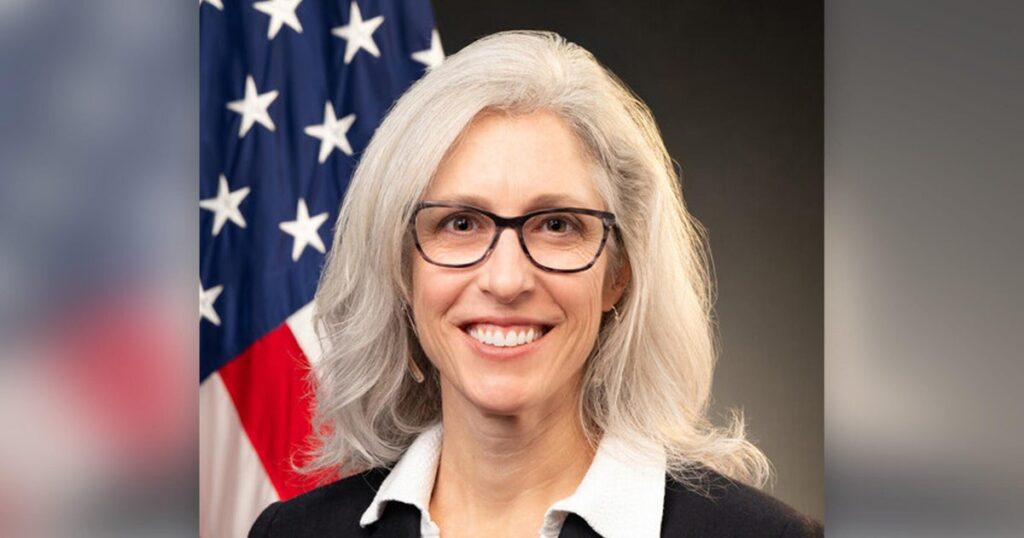
President Donald Trump has nominated Susan Monarez as the new head of the Centers for Disease Control and Prevention (CDC), following her tenure as acting director and her background in using artificial intelligence to improve health outcomes. Her nomination comes after Dr. David Weldon's candidacy was withdrawn due to concerns about his Senate confirmation prospects, making Monarez's selection a strategic choice for a smoother confirmation process. Monarez has already aligned with the administration's policies by removing "gender ideology" content from the CDC's website, and President Trump has expressed confidence in her ability to lead the agency with a focus on innovation and public health transparency.