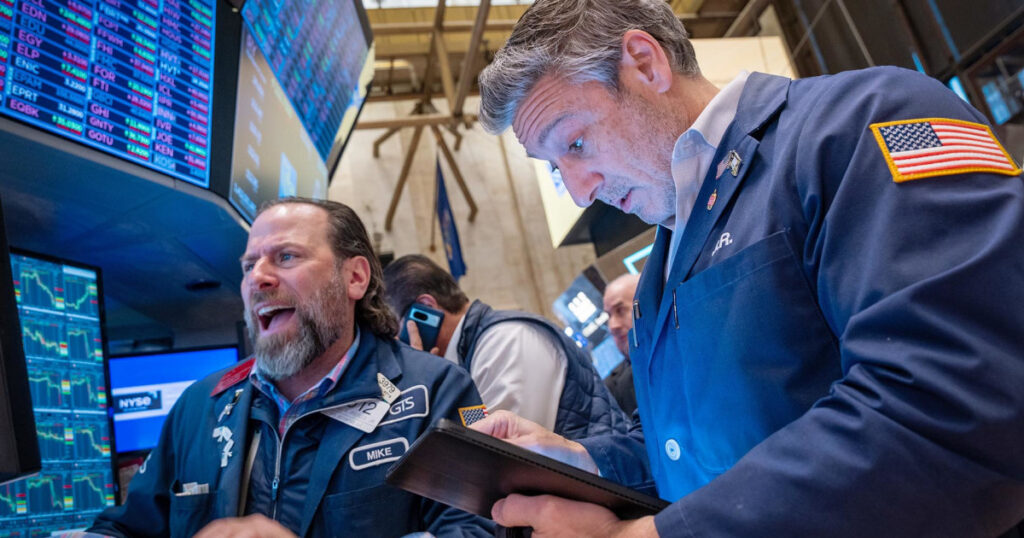
President Trump announced new tariffs on imports from around 90 countries, including a universal 10% tax and additional specific tariffs for certain nations, raising concerns about a global trade war. The tariffs have strained international relationships and contributed to economic uncertainty, particularly affecting countries like China with higher levies. Financial markets have reacted negatively, with significant declines in major indices such as the Russell 2000 and S&P 500, as investors and economists monitor the potential long-term impacts on global trade and economic stability.
News Mash

In a significant escalation of trade tensions, China has announced a 34% tariff on U.S. imports, effective April 10, following a similar move by the United States under President Donald Trump. The U.S. tariffs were introduced as a response to what the administration describes as unfair trade practices by China, including currency manipulation and existing trade barriers. This reciprocal imposition of tariffs has heightened concerns about global economic stability, as both nations play pivotal roles in international trade, highlighting the complexities of achieving balanced trade agreements.

On Thursday evening, an Amtrak Acela train traveling from Boston to Richmond struck and killed three family members on the tracks near Bristol Station in Bucks County, Pennsylvania. The incident led to a temporary suspension of Amtrak service between Philadelphia and New York, although none of the 236 passengers and crew on board were injured. An investigation is underway to determine why the family was on the tracks, with local authorities and the community collaborating to provide support and gather more information.
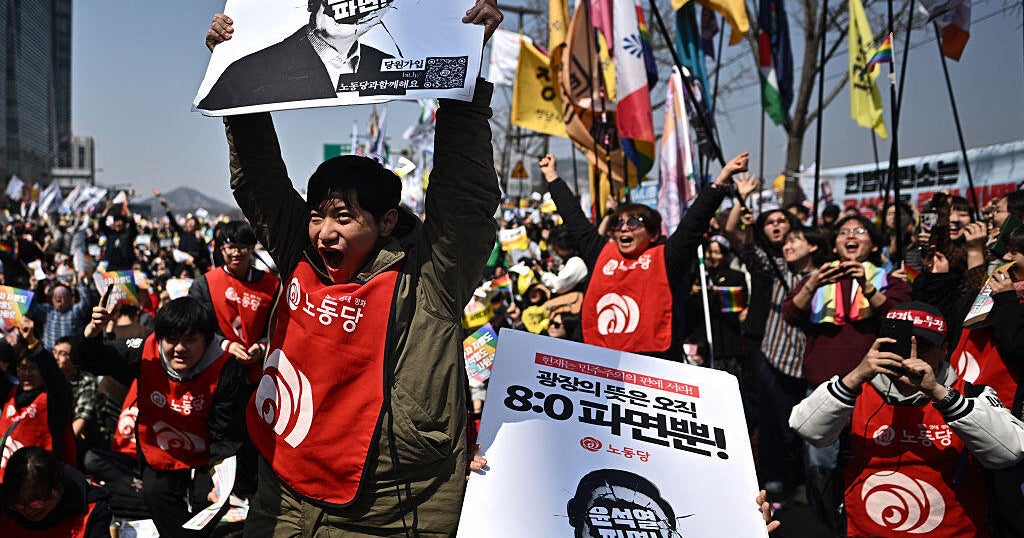
The Constitutional Court of South Korea has removed President Yoon Suk Yeol from office following his impeachment, citing his declaration of martial law as a serious violation of the constitution. Despite expressing regret over the outcome, Yoon's People Power Party has accepted the court's decision, emphasizing the importance of upholding democracy and maintaining stability during the transition. Yoon acknowledged his shortcomings in meeting public expectations and expressed gratitude to his supporters, as the country now prepares for an election to select a new leader.

Christy and Paul Akeo, a couple from Spring Arbor, Michigan, were detained in Mexico for nearly a month due to a dispute over a timeshare with Palace Elite Resorts but have since been released following a settlement. The case, which unfolded in Quintana Roo, was described by the Akeos' family as a "kidnapping and extortion attempt," and drew attention from Michigan Representative Tom Barrett. After a judge dismissed the criminal charges, the couple returned to Lansing, Michigan, highlighting the complexities of international legal issues and the importance of understanding local laws when engaging in financial agreements abroad.
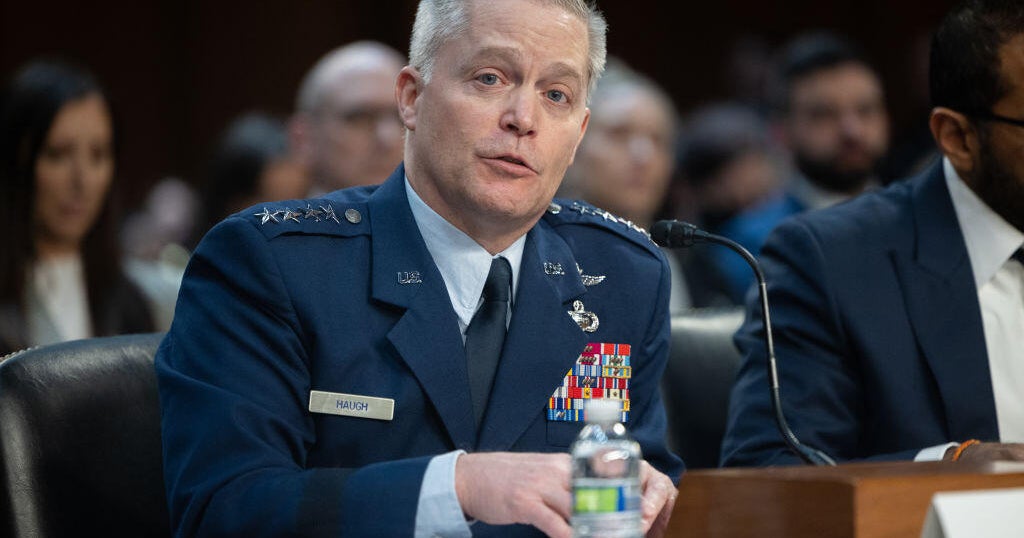
Significant leadership changes occurred at the National Security Agency (NSA) and U.S. Cyber Command with the removal of Gen. Timothy Haugh, confirmed by top Democrats on the House and Senate intelligence committees. Lt. Gen. William Hartman has been appointed as the acting NSA director, taking over from Haugh, who has over 30 years of experience in intelligence and cyber operations. The reasons for Haugh's dismissal remain unclear, and the implications of this leadership transition are yet to be fully understood.
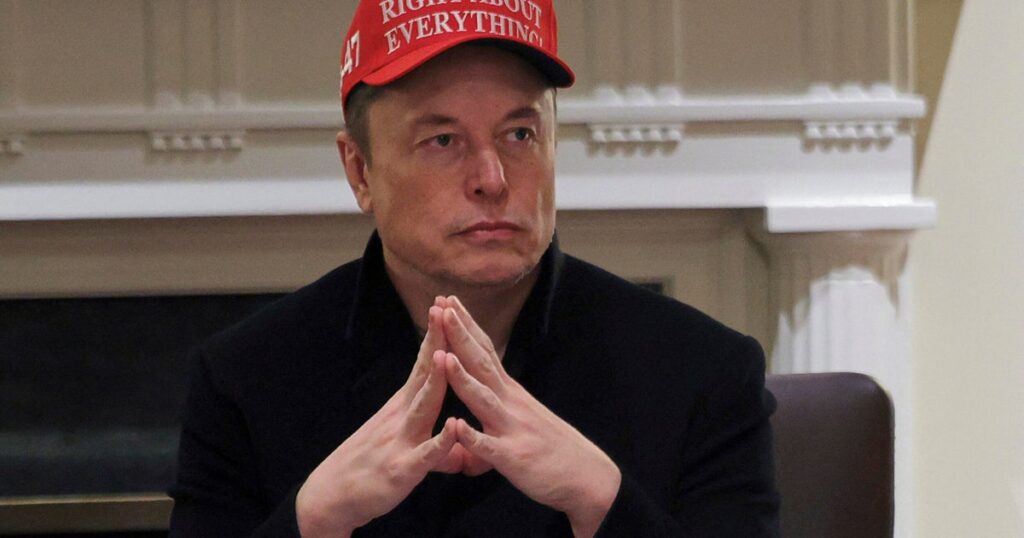
More than 80 national and local organizations have raised concerns about the Trump administration's actions, which they claim threaten the judiciary's independence and the system of checks and balances in American democracy. These groups argue that the administration's efforts to consolidate power could undermine the rule of law and individual rights. Additionally, the relationship between President Trump and Elon Musk, who serves informally as an adviser, has attracted attention, especially given Musk's involvement in government activities and the administration's broader agenda.
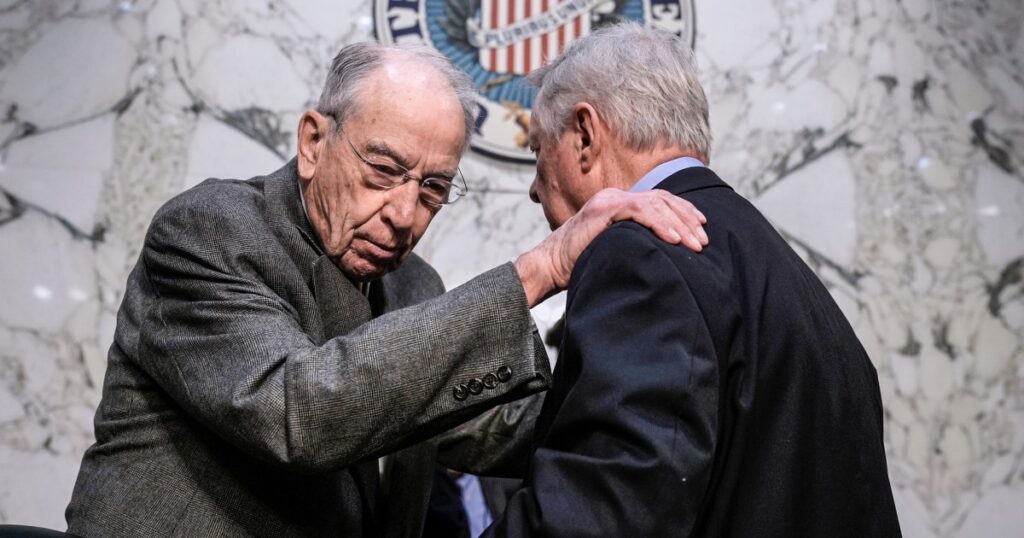
Lawmakers from both major U.S. political parties are actively working to address President Donald Trump's recent tariffs, with many Republicans joining Democrats in opposition due to concerns about their impact on the economy and global trade relationships. Critics argue that the tariffs represent a significant shift toward protectionist policies, potentially undermining established trade systems and echoing economic practices from the late 19th and early 20th centuries. In response, Congress is considering legislative measures to limit the executive branch's authority over such policies, highlighting bipartisan concern over the long-term consequences for domestic and international economic stability.