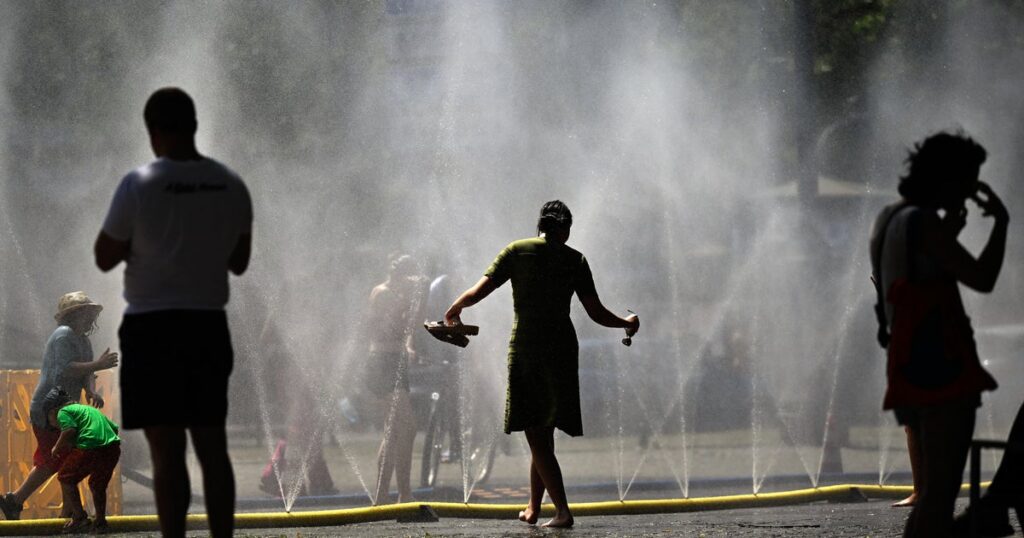
Record heat swept across Europe, with Germany, Denmark and the Czech Republic setting all-time highs as transportation systems, hospitals and public events came under strain. France reported heavy pressure on hospitals, while Italy issued red alerts in 18 cities.
News Mash
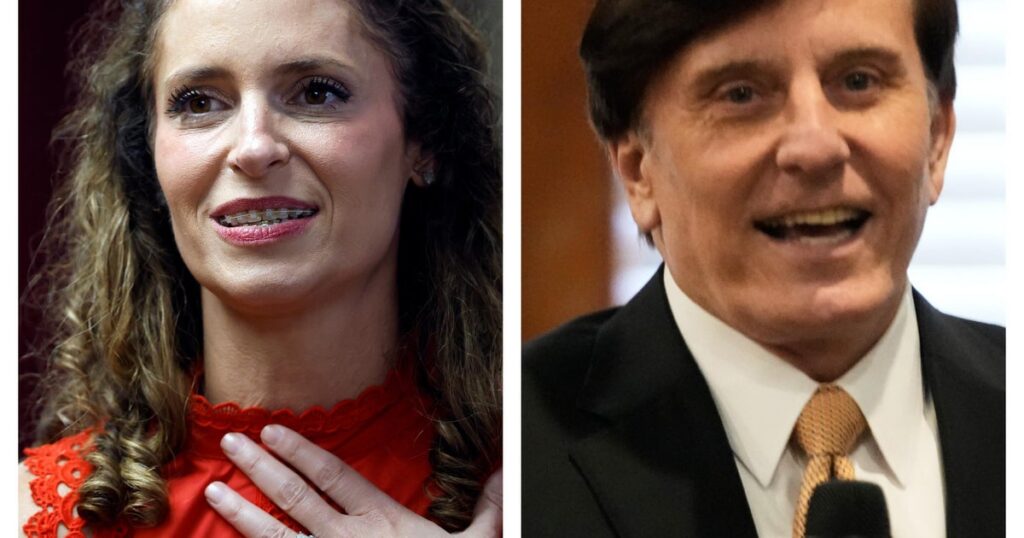
Louisiana Republicans are choosing between Trump-backed Rep. Julia Letlow and state Treasurer John Fleming in a Senate runoff after incumbent Bill Cassidy failed to advance. The race is another measure of Trump’s endorsement power in a solidly Republican state.
At least 920 people are dead and more than 51,000 are missing after twin earthquakes struck Venezuela, as rescuers and residents search rubble in La Guaira. Aid is arriving from abroad, while Venezuelans in Colombia are collecting supplies for survivors.
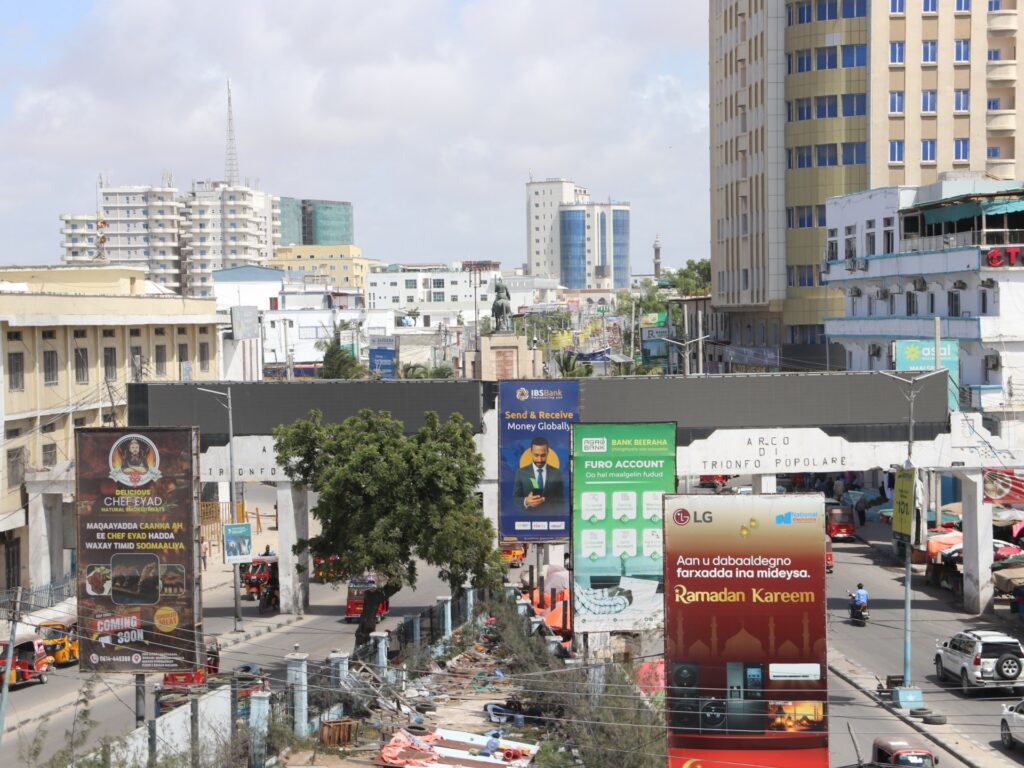
Abdikerm Abdelahi Eidleh, accused of being a leading figure in the $250 million Feeding Our Future fraud case, was arrested in Mogadishu after more than four years as a fugitive. U.S. officials said the FBI worked with Somali intelligence agencies to take him into custody.
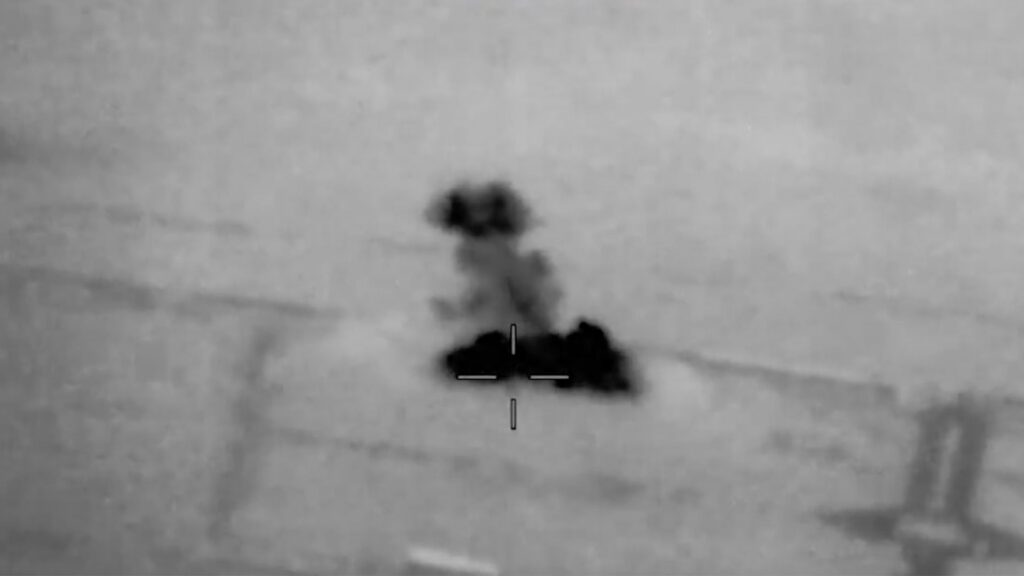
The U.S. struck Iranian missile, drone and radar sites after accusing Tehran of violating a ceasefire with a drone attack on the Ever Lovely in the Strait of Hormuz. Iran blamed Washington for breaking the truce and said it retaliated against U.S. positions in the Gulf.
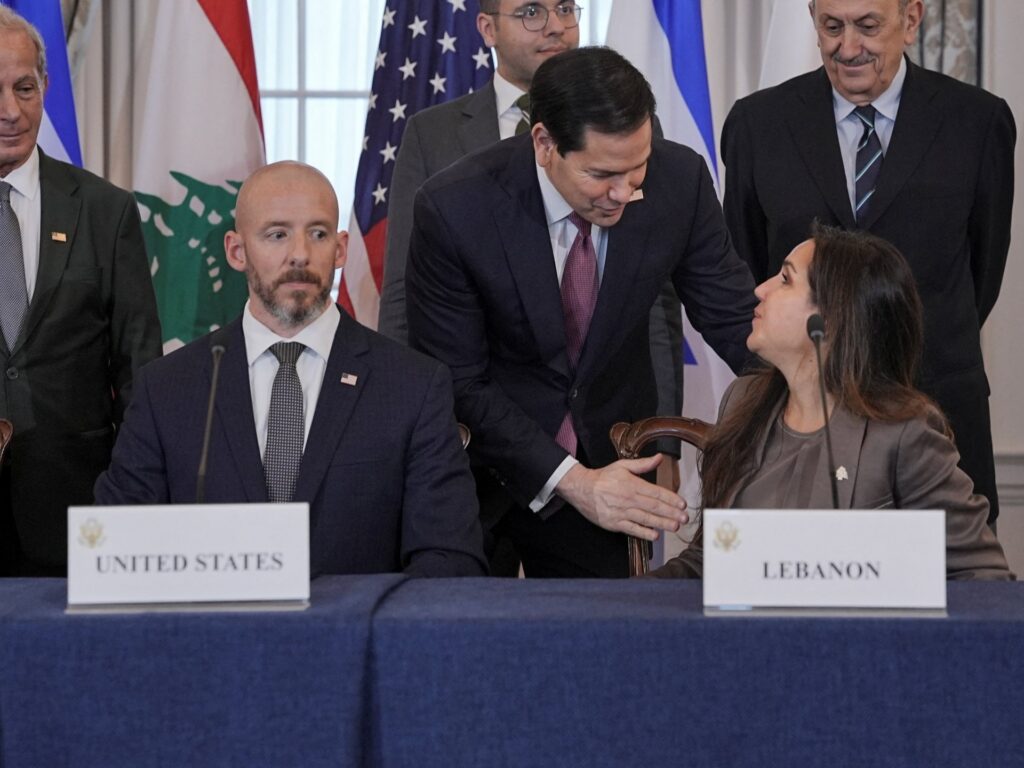
Israel and Lebanon signed a US-brokered framework agreement in Washington aimed at restoring Lebanese state authority and disarming non-state armed groups. Hezbollah was not part of the deal, and Israeli leaders say troops will remain in southern Lebanon until the group disarms.
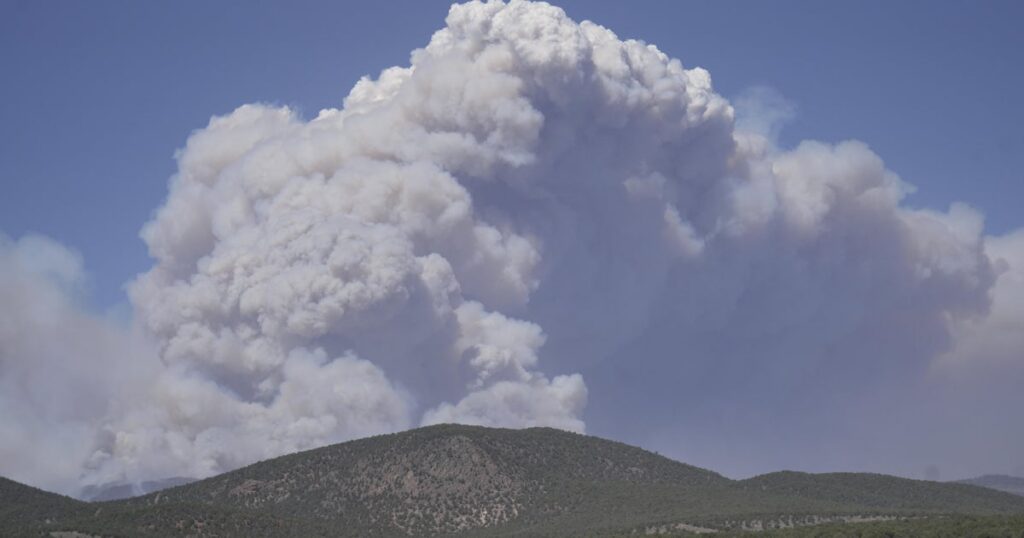
Utah declared a state of emergency and restricted fireworks as the Cottonwood Fire burned nearly 72,000 acres with no containment. Forecasters issued a rare “particularly dangerous situation” warning as dry, windy conditions threatened rapid wildfire growth across the West.

Pete Buttigieg said an anonymous false report to Michigan authorities led to a CPS and police investigation involving his 4-year-old twins. Michigan State Police said the report was determined to be false and warned such reports divert resources from real emergencies.